
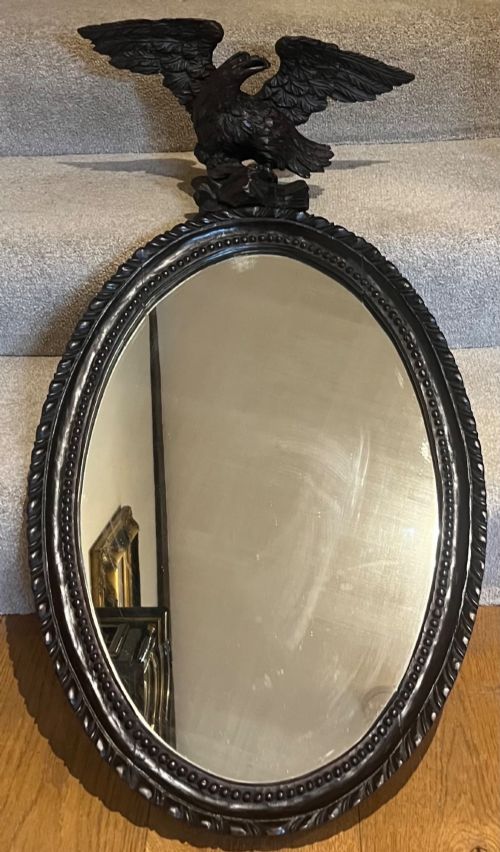
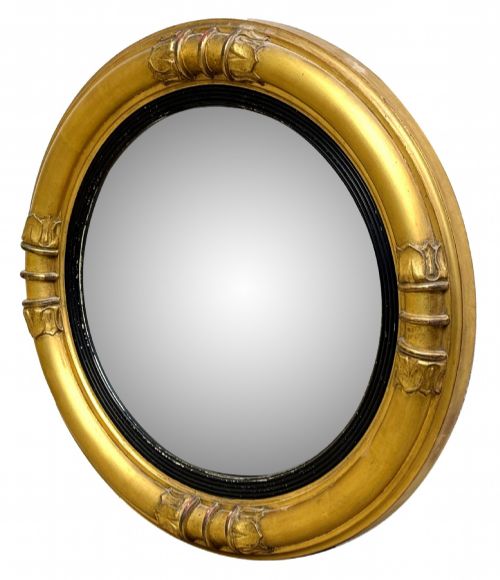


Carved Ebonised Mirror Frame
A carved ebonised mirror frame brings dark, dramatic definition to a room through deep wood sculpture and striking black finishes.
Carved Ebonised Mirror Frame
When you search for a carved ebonised mirror frame, you encounter decorative wall pieces spanning several centuries, with particular focus on the nineteenth century and Regency eras. These objects function as central focal points in reception spaces, hallways and overmantels, offering reflective glass paired with dark wooden structures.
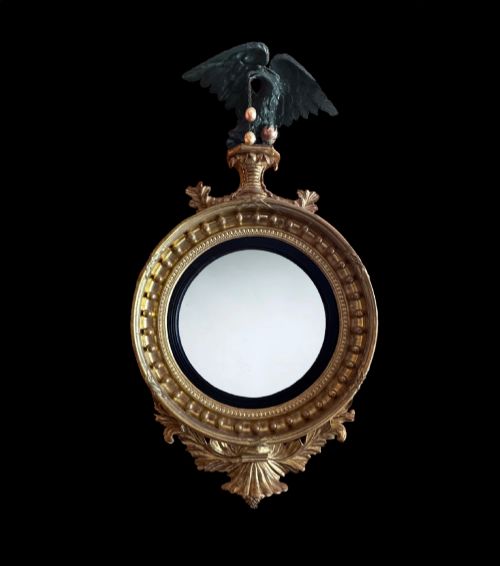
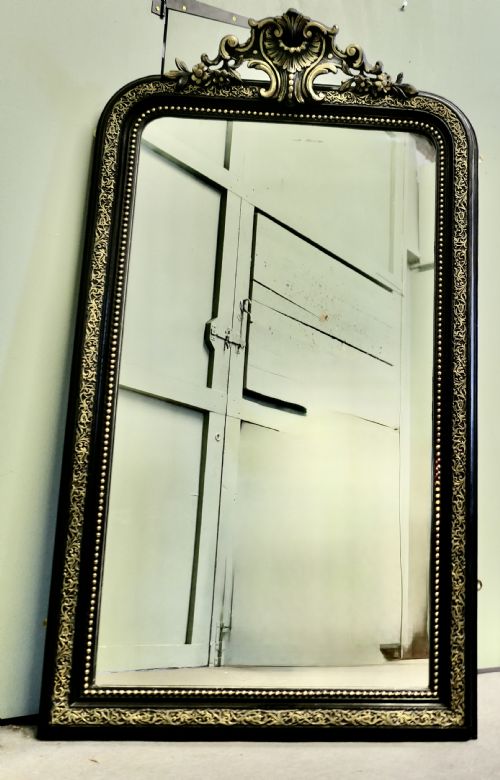
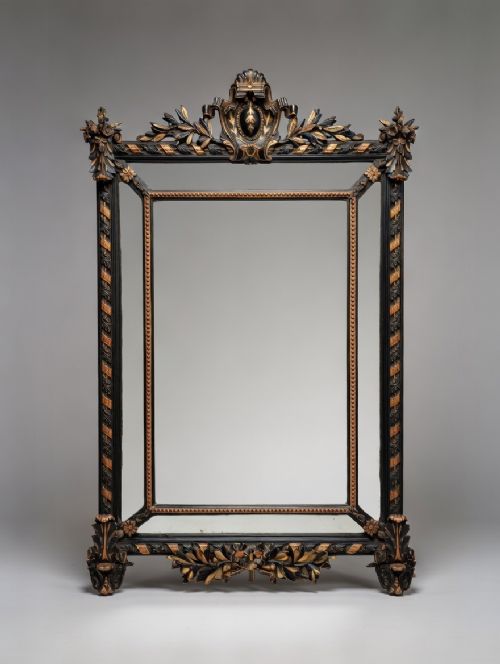
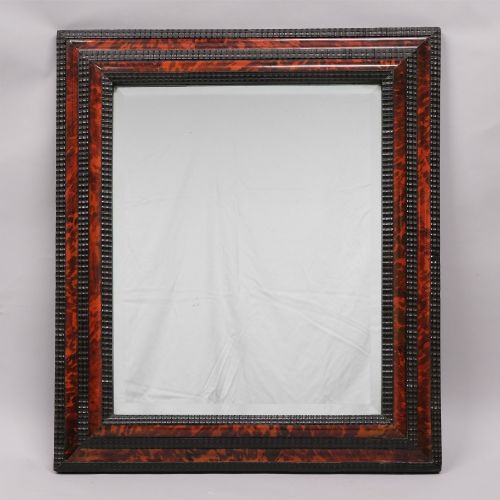
The selections on this page incorporate various forms, including large wall overmantels, tall pier mirrors, and smaller circular or oval frames. Many examples combine the dark ebonised surface with parcel-gilt details, gesso, or gold leaf to highlight the carved motifs.
How they were made
Makers shaped timber using traditional carving techniques, applying dense black ebonising to create the characteristic dark finish that emulates costly ebony. Artisans frequently integrated gesso layers beneath surface gilding, allowing intricate relief work to catch the light against the darkened wood.
Mirrors combined flat or convex mirror glass with robust wooden frames, sometimes utilising walnut or general carved wood. Parcel-gilt highlights were applied selectively to raised sections of the carving, creating contrast between the gilded highlights and the ebonised ground.
Some frames include convex glass designed to let servants monitor entire dinner parties from a single watchful circle.
What varies in quality
The refinement of the woodcarving dictates much of the distinction between ordinary and exceptional examples, particularly in the crispness of foliage, moulding, or figurative elements. Mastery in applying the ebonised finish and the condition of the underlying gesso and parcel-gilt accents also separate standard production from superior pieces.
Proportion and scale play significant roles in overall merit, where balanced dimensions and original mirror glass enhance the integrity of the piece. The harmonious integration of the frame's style - whether drawing on Regency, Victorian, or Aesthetic aesthetics - determines its decorative authority.
Rowley Gallery
The Carved Ebonised Mirror Frame Glossary
- Ebonised
- Wood treated with stain, dye, or paint to imitate expensive ebony. This finish became especially popular during the nineteenth century for achieving dark, uniform surfaces.
- Gesso
- A plaster-like mixture applied to wood surfaces to provide a smooth base for painting or gilding. It allows carvers to achieve sharp, detailed relief work.
- Parcel-gilt
- A decorative technique where only specific portions of an object receive gilding, leaving the rest of the ground in its primary wood or ebonised finish.
- Convex mirror
- A round mirror with a curved glass surface that reflects a wide, distorted field of view. These forms frequently appear in Regency designs.
- Overmantel mirror
- A large mirror designed to hang above a fireplace mantel. These pieces often span considerable horizontal widths to balance the hearth below.
Carved Ebonised Mirror Frame: Frequently Asked Questions
How do I date an ebonised mirror?
Dating relies on observing the framing style, assembly methods, and the type of mirror glass used in the construction. Pieces often reflect the prevailing tastes of periods such as the Regency or Victorian eras.
Examination of the backboards, fixings, and the composition of the gesso underneath the ebonised surface also helps determine the age of the frame.
Where should I hang an overmantel mirror?
An overmantel mirror sits naturally above a fireplace, anchoring the wall space and reflecting light across the room. Proper installation requires secure wall fixings to support the substantial weight of the timber and glass.
Positioning the frame at the correct height relative to the mantelpiece ensures balanced proportions within the interior scheme.
What is parcel-gilt decoration?
Parcel-gilt involves applying gold leaf or paint to selected raised details of a carved wooden frame. This method highlights specific ornamental motifs against the dark ebonised background.
The contrast between the bright metallic highlights and the matte black wood creates visual depth across the carved surface.
Why use convex mirror glass?
Convex mirror glass bends reflections to capture a wide panoramic view of an entire interior space. This optical effect made them popular in nineteenth-century reception rooms and halls.
The curved surface concentrates ambient light, brightening darker corners of a room.