

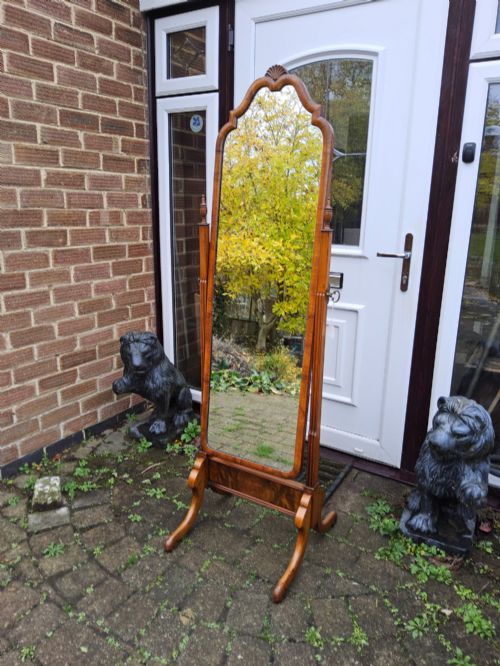
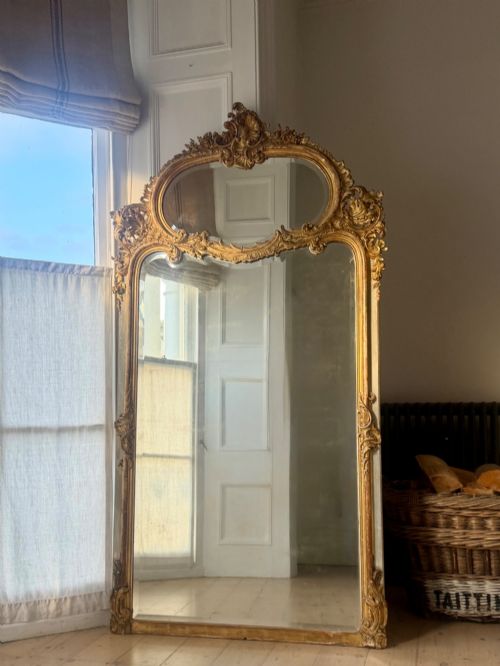
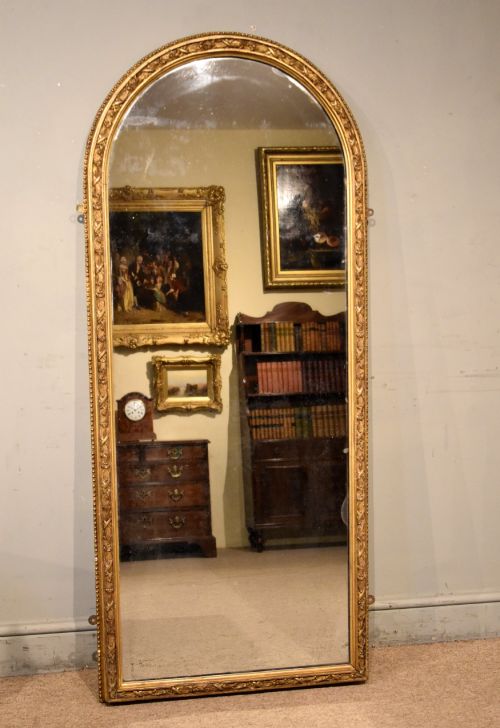
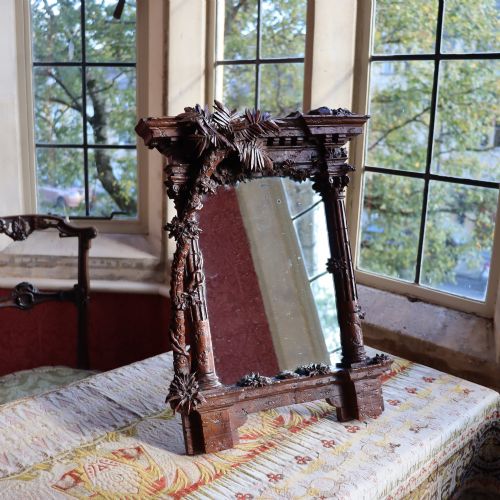

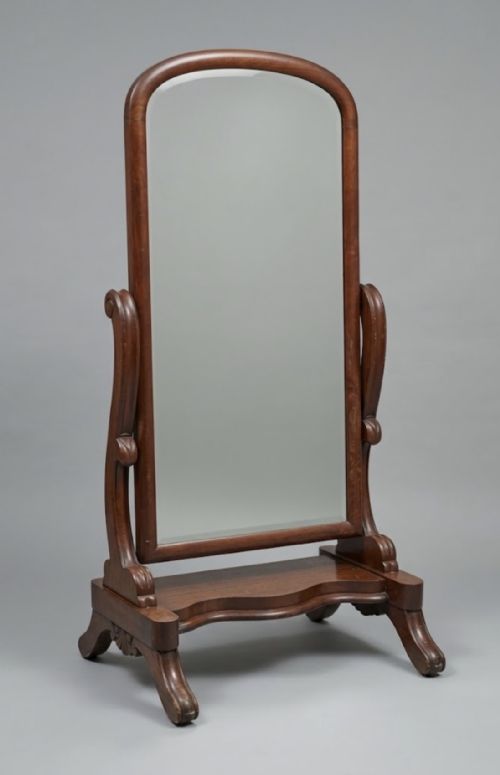
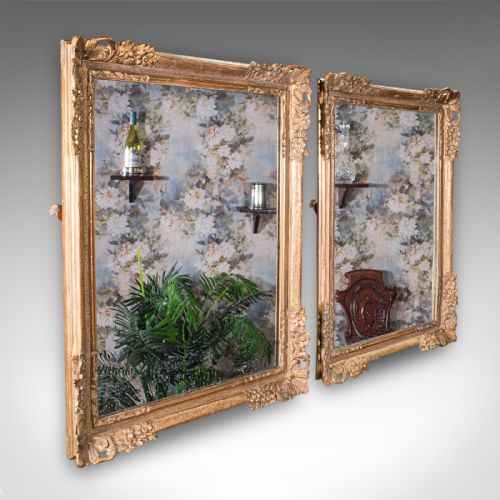
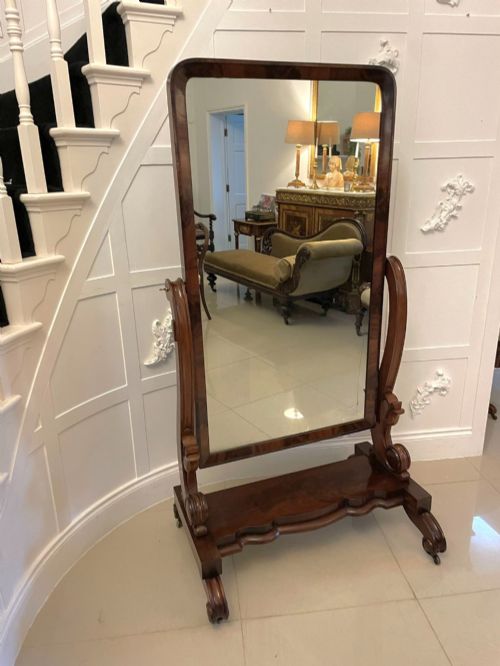
Carved Dressing Glass
A carved dressing glass brings functional poise to a room, offering adjustable reflections through centuries of cabinet-making traditions.
Carved Dressing Glass
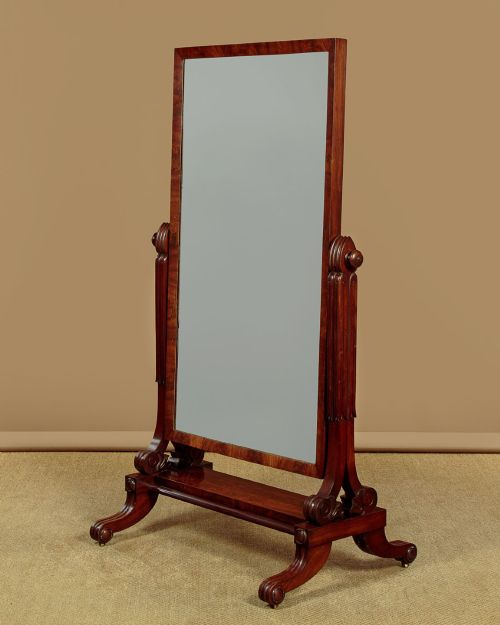
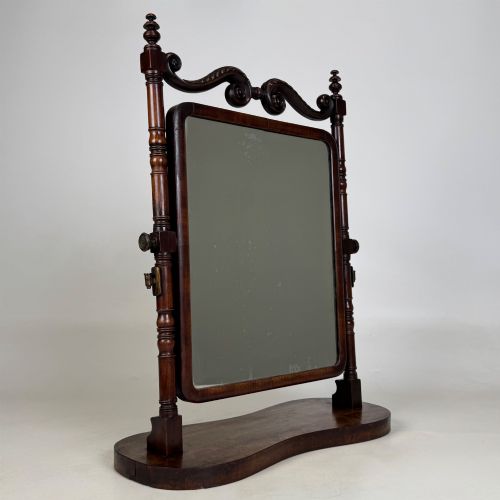
A carved dressing glass sits on a table or stands independently upon a floor frame, designed for personal grooming and adjustment.
Mahogany dressing mirrors from the Victorian, Georgian, and Regency periods appear most frequently across these selections.
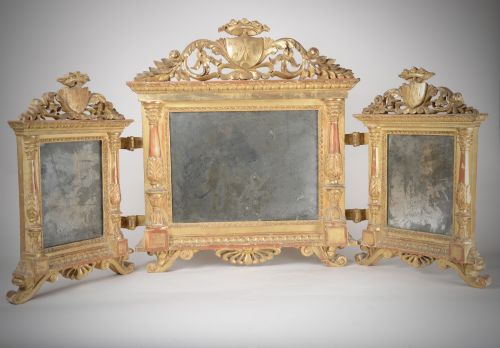
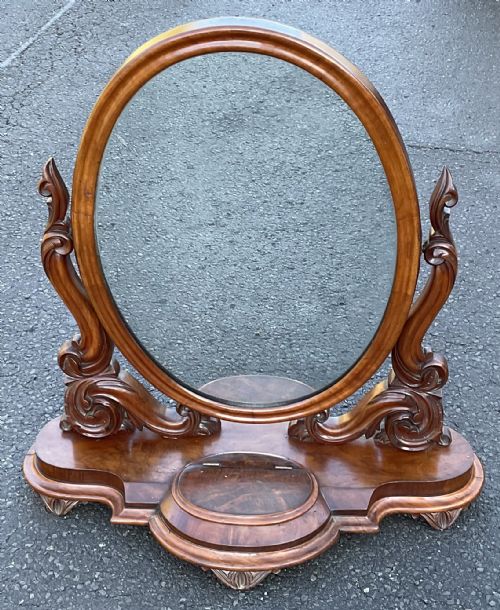
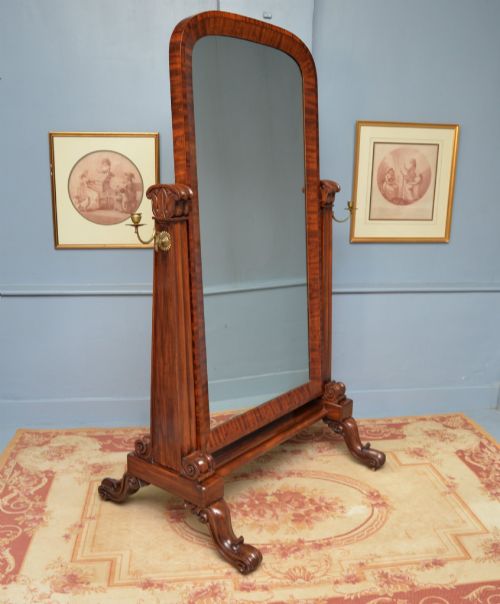
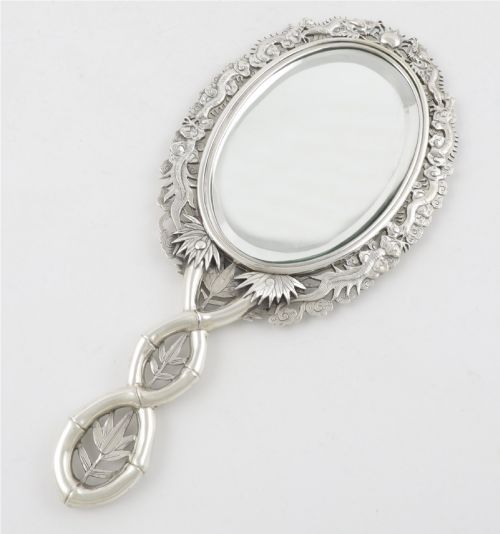
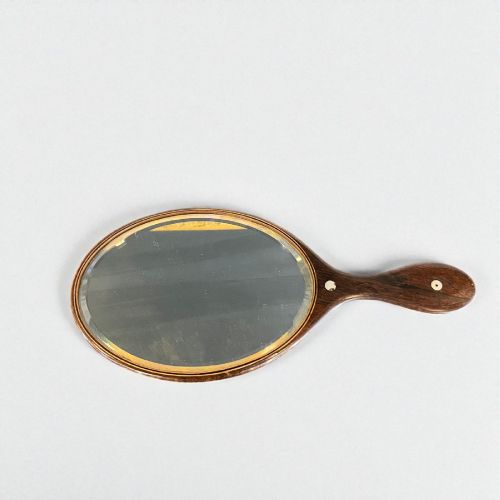
Variations range from compact tabletop toilet mirrors to large floor-standing cheval mirrors housed in walnut, oak, or giltwood.
Materials and construction methods
Cabinet-makers relied heavily on solid mahogany and walnut for frames, often incorporating brass pivots and hardware to allow the glass to swing freely.
Giltwood and gesso finishes provide the ornate carved detail seen on French and English examples, layered with gold leaf.
Secondary timbers such as oak support the internal structures, while glass plates provide the reflective surface.
Carved Dressing Glass Retail Price Guide 2026
Typical asking prices for carved dressing glass among the pieces listed under this phrase on Sellingantiques today, from the lower quarter to the upper quarter. They describe what is for sale here now, not the wider market.
Listings feature mahogany, oak, walnut, and giltwood frames spanning the Georgian, Regency, Victorian, and Edwardian periods.
Distinctions in craftsmanship
The precision of the wood carving and the depth of the gilding set superior examples apart from standard production pieces.
Originality of the glass plate and stability of the swing mechanism dictate the historical integrity of the mirror.
Proportion and the harmonious balance between the support standards and the mirror frame reveal the maker's skill.
The Carved Dressing Glass Glossary
- Cheval mirror
- A large floor-standing dressing mirror supported on a frame with four legs or a trestle base. This allows the user to view their entire reflection.
- Toilet mirror
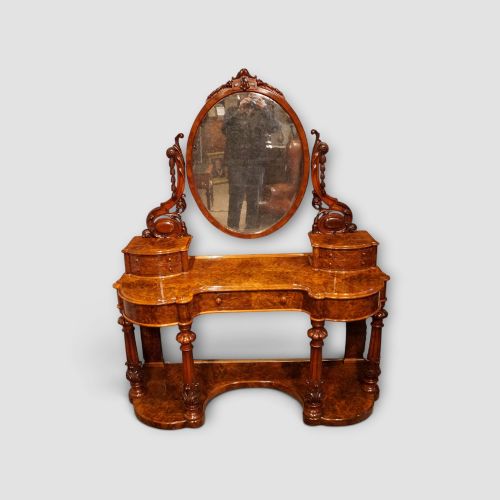
- A smaller dressing mirror designed to sit atop a chest of drawers or dressing table. These often include small drawers within the base plinth.
- Giltwood
- Timber coated with gold leaf or gold paint over a prepared gesso ground. It provides a bright decorative surface.
- Gesso
- A plaster-like mixture applied to wood surfaces as a base for carving and gilding. It holds sharp detail for ornate mouldings.
- Swing mirror
- A glass plate mounted on pivots between two upright posts. This permits tilting to adjust the angle of reflection.
Carved Dressing Glass: Frequently Asked Questions
Where should I place a dressing mirror?
Tabletop versions suit chest tops or dedicated dressing tables where seated grooming takes place. Floor-standing cheval mirrors find their best placement in bedrooms or dressing rooms with sufficient floor space.
Positioning them near natural light sources maximises their practical utility for daily dressing.
Are these mirrors easy to move?
Tabletop toilet mirrors lift easily between rooms due to their compact scale. Floor-standing cheval mirrors require two people to relocate safely because of their height and heavy timber frames.
Care should be taken to secure the swinging frame with ribbons or tape during any transit.
How do I date a dressing glass?
The timber choice offers the first major clue, with walnut prevalent in earlier periods and mahogany dominating the nineteenth century. Construction joints, backboards, and brass pivot designs also indicate the manufacturing era.
Stylistic cues such as Regency curves or Victorian proportions align the piece with specific decades.