

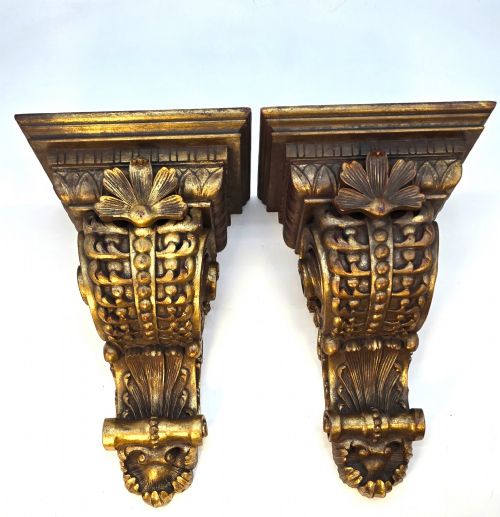

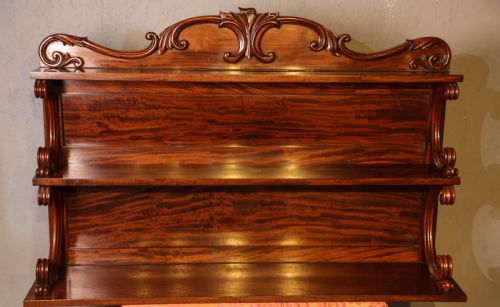


Carved Display Bracket
These carved display bracket examples bring vertical architecture to empty walls, offering sturdy platforms for treasured ornaments and clocks.
Carved Display Bracket
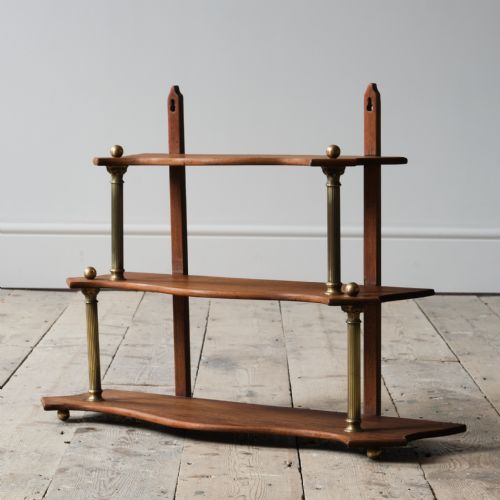
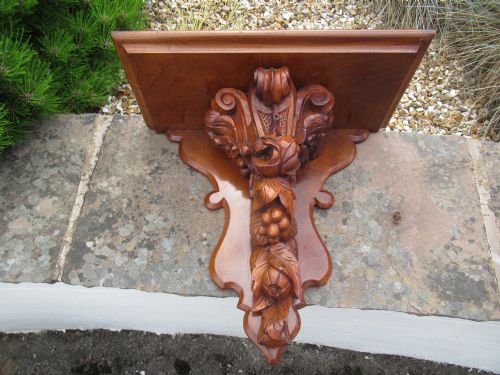
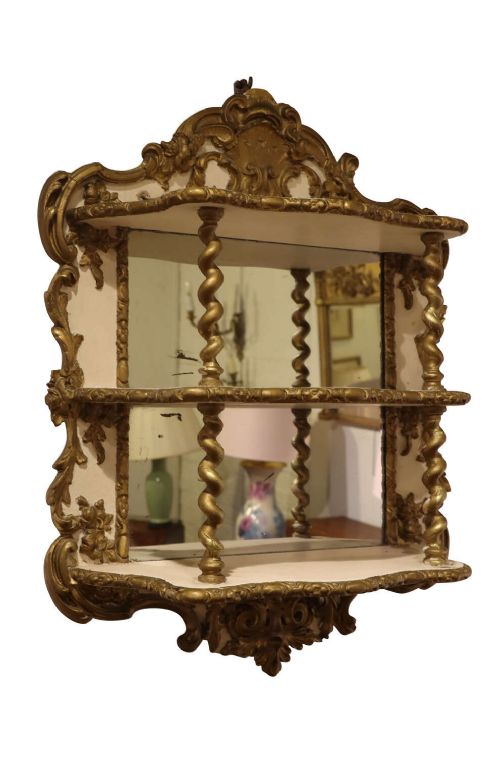
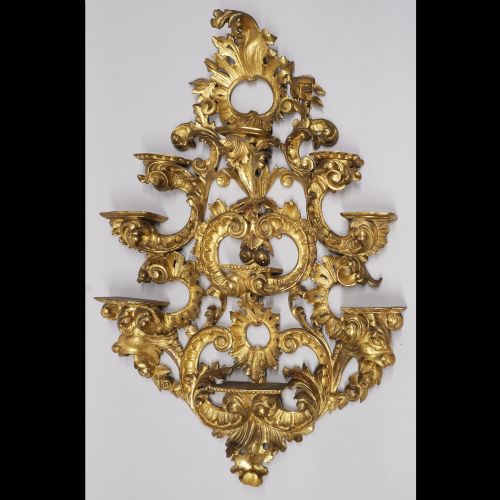
A carved display bracket acts as a functional architectural support and a decorative wall feature in one compact form. The selection spans straightforward wall shelves and corner shelves to ornate clock brackets and wall étagères designed to hold ceramics, timepieces, or smaller sculptures.
The pieces present rich stylistic influences from Victorian and Regency periods alongside Italian Neoclassical, Baroque, and Rococo revivals. Most examples date from the nineteenth and early twentieth centuries, reflecting diverse craftsmanship across European and British workshops.
How They Were Made
Makers shaped these items primarily from timber such as mahogany, walnut, oak, rosewood, and limewood, applying hand-carving techniques to create deep relief foliage, scrolls, and figurative elements. Selected pieces incorporate brass mounts, wrought iron work, or intricate inlay work featuring olive wood and mother of pearl.
Finishes range from plain polished wood to gold leaf and giltwood applications, with some examples utilising painted surfaces or contrasting gilded highlights. Construction methods rely on traditional joinery to secure the projecting shelf to the backplate for reliable wall hanging.
Cherubs and wall eagles keep a watchful eye from the woodwork.
What Varies in Quality
The refinement of the hand-carving dictates the overall success of the piece, distinguishing crisp, deep relief work from softer, mechanical moulding. Master carvers achieved remarkable naturalism in details such as cherubs, acanthus leaves, and birds, giving the wood a convincing sense of movement.
The integrity of the surface finish also plays a major role, whether through the preservation of original gold leaf gilding or the mellow patina on aged mahogany and walnut. Superior examples maintain balanced proportions where the decorative bracket supports the shelf without appearing heavy or clumsy.
The Carved Display Bracket Glossary
- Bracket
- A structural support projecting from a wall to hold a weight. In decorative terms, it forms a small cantilevered shelf for display objects.
- Giltwood
- Wood that has been coated with thin gold leaf or gold powder. This finish was widely favoured in Baroque and Rococo revival interiors for reflecting candlelight.
- Étagère
- A piece of furniture consisting of a set of open shelves for displaying small ornaments. Wall-mounted versions function as multi-tiered display brackets.
- Corbel
- A structural member projecting from a wall to support a weight, often highly ornamented. In these listings, the term describes decorative wall brackets with solid architectural profiles.
- Inlay
- A technique where pieces of contrasting material are inserted into a recessed wood surface. Sorrento and Syrian examples frequently employ this method with olive wood and mother of pearl.
Carved Display Bracket: Frequently Asked Questions
How do I hang a heavy carved display bracket?
Heavy wall brackets require secure fixings into wall studs or appropriate masonry anchors to bear the weight of the timber and any placed object. Most pieces feature built-in hanging loops or screw holes on the backplate for this purpose.
Ensuring the bracket sits flush against the wall prevents any tilting when items are placed on the shelf. Professional installation is recommended for large giltwood or dense hardwood examples.
What objects look best on a wall bracket?
Small bronze sculptures, antique clocks, pocket watches, and ceramic plates suit the proportions of these shelves. Selecting items that contrast with the background wood or gilt finish makes the display stand out.
Pairing matching brackets creates a balanced focal point on either side of a fireplace or mirror. Keeping the arrangement uncluttered lets the carved details of the bracket remain visible.
How do I clean antique carved wood?
Dusting gently with a soft, dry brush removes particles from intricate carved recesses without damaging the surface. Avoid using modern chemical sprays or excess water on historic wood and gilt finishes.
Giltwood requires particular care because moisture can lift the delicate gold leaf from its gesso base. Occasional application of appropriate microcrystalline wax helps protect bare polished hardwoods.
How can I tell a Victorian bracket from an earlier style?
Victorian pieces often reinterpret earlier Baroque, Rococo, or Renaissance motifs with heavier proportions and robust timber selections like walnut and mahogany. Makers in this era frequently combined historical revival styles to suit contemporary domestic interiors.
Examining the tool marks on the reverse and the type of fixings used helps confirm the manufacturing period. The presence of machine-cut elements alongside hand carving usually points towards the later nineteenth century.