

Carved Dining Armchairs
Carved dining armchairs unite utility with statement joinery, appearing across oak, mahogany, and walnut forms ranging from seventeenth-century wainscot designs to nineteenth-century revival suites.
Carved Dining Armchairs
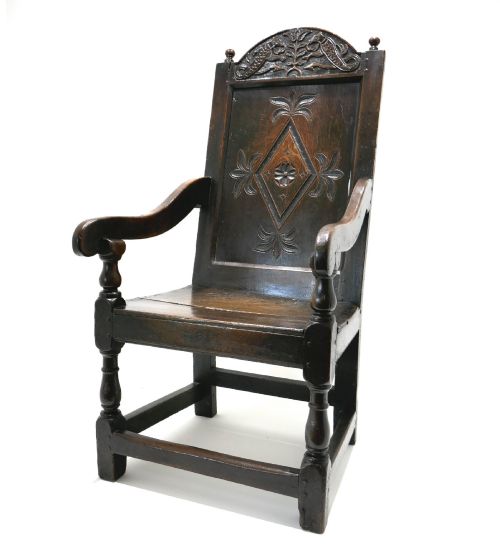
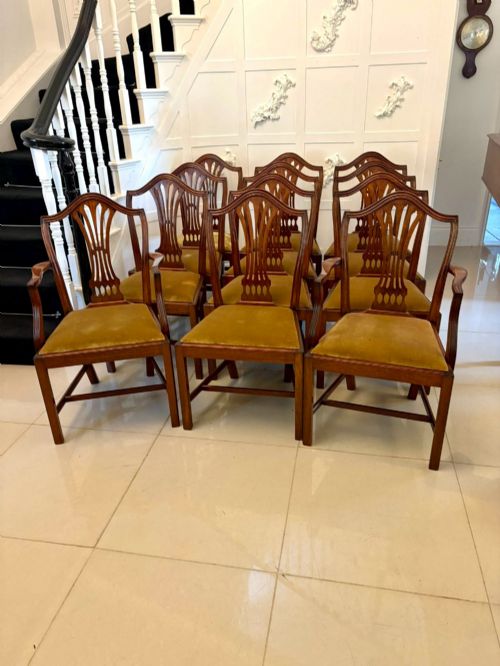
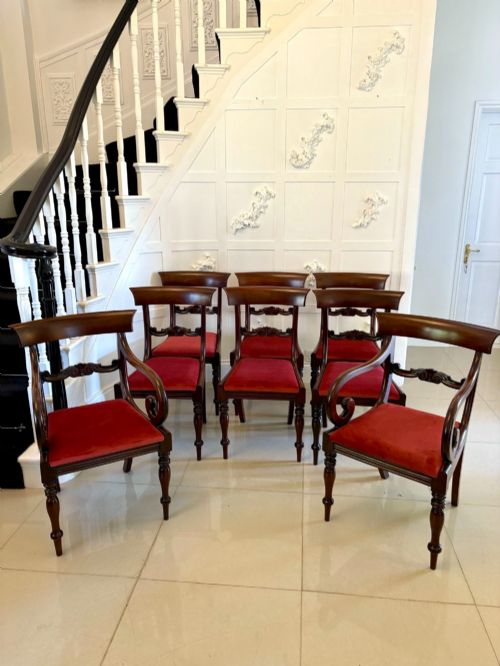
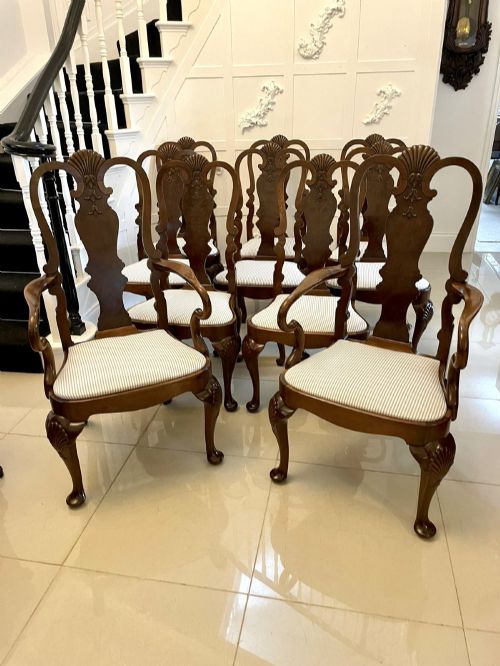
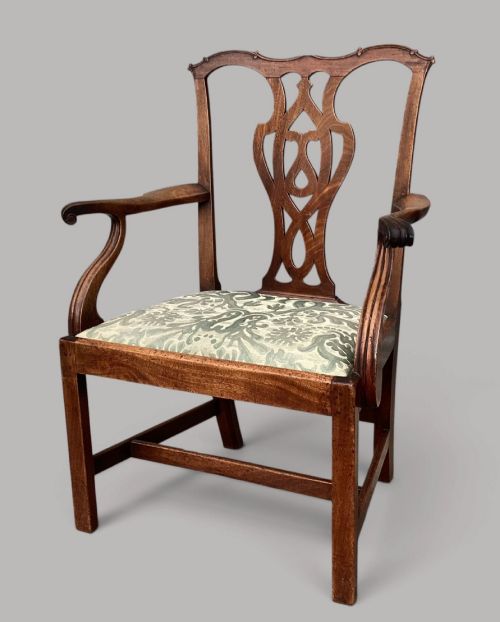
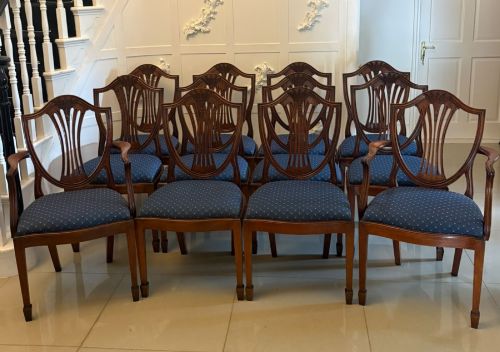
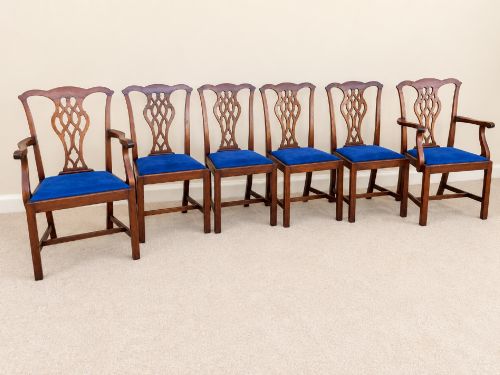
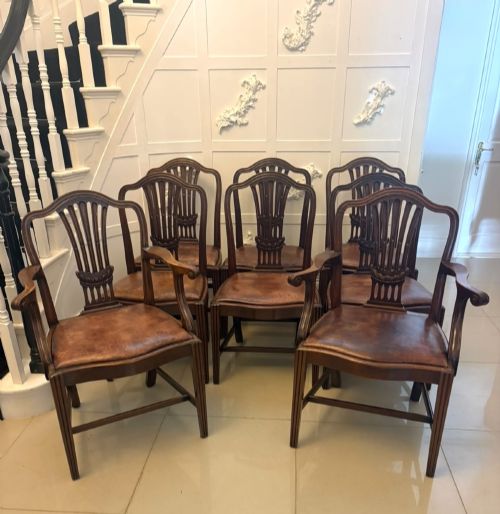
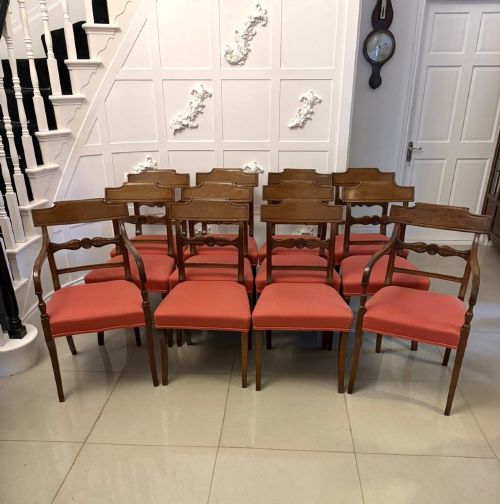
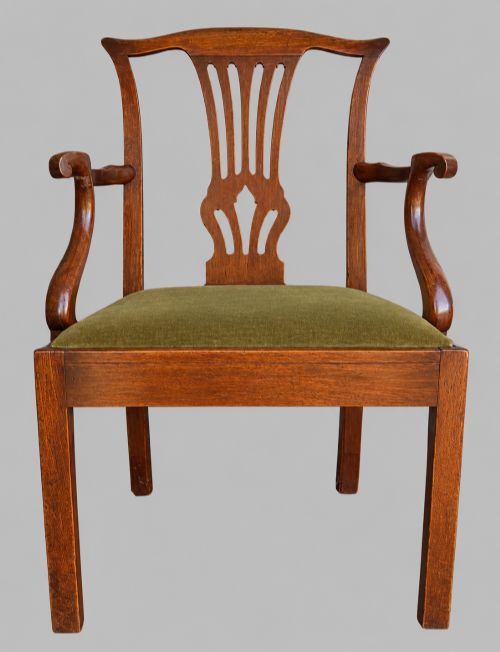
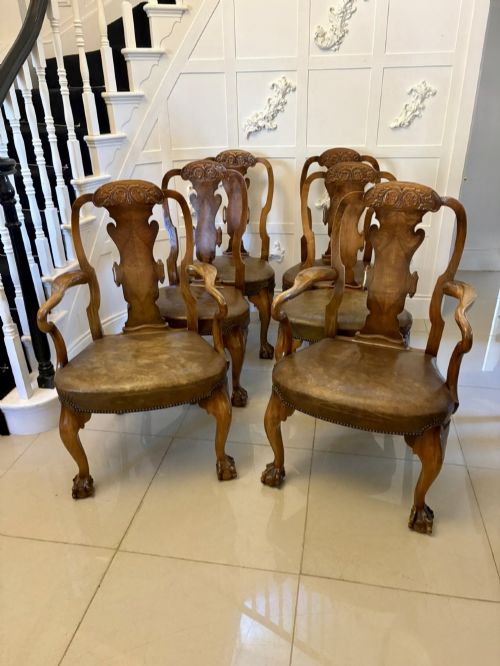
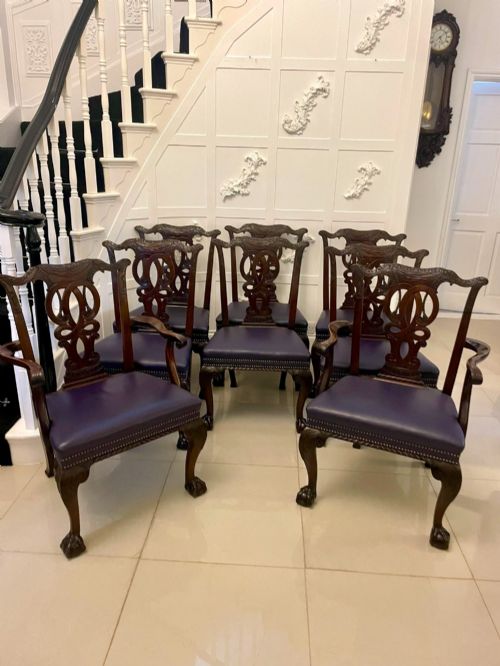
Carved dining armchairs serve as the commanding terminal seats at a dining table, balancing everyday utility with pronounced decorative carving. These elbow chairs appear across multiple centuries, linking early oak wainscot forms to later mahogany and walnut Georgian iterations.
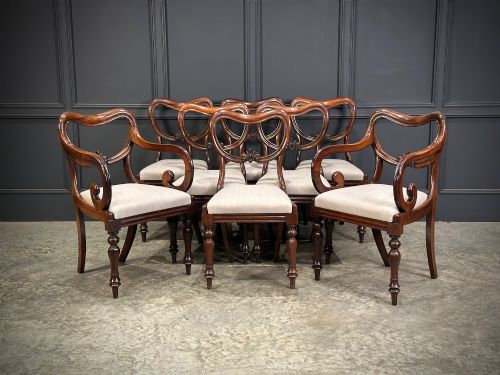
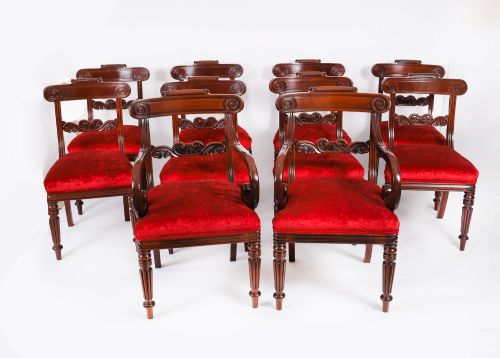
Buyers encounter numerous variations, from single open armchairs in mahogany to matched sets that pair standard dining chairs with designated carvers. The selection spans distinct regional expressions, including Scottish, Irish, and Welsh examples alongside prolific revival styles.
The material palette shifts from sixteenth- and seventeenth-century English and Welsh oak and elm to the rich mahogany, rosewood, and walnut favoured during the Georgian, Victorian, and Edwardian eras. Upholstery materials such as original tan leather, fabric, and velvet frequently accompany these wooden frames.
How they were made
Timber selection dictated structural integrity, with early makers employing sturdy oak and elm for joined wainscot frames before the trade shifted to imported mahogany, rosewood, and walnut. Artisans shaped these dense woods using hand saws, chisels, and gouges to execute intricate pierced splats, shield backs, and scrolling arms.
Joinery techniques relied on traditional mortise and tenon joints pinned with wooden dowels, securing high backs and arm supports without modern adhesives. Surface finishing involved hand-applied wax or polish, which highlighted the natural grain of flame mahogany or the deep patina of early oak.
Carved Dining Armchairs Retail Price Guide 2026
Typical asking prices for carved dining armchairs among the pieces listed under this phrase on Sellingantiques today, from the lower quarter to the upper quarter. They describe what is for sale here now, not the wider market.
Listings feature carved dining armchairs spanning the seventeenth century to the Edwardian era, constructed in oak, mahogany, walnut, and rosewood.
What varies in quality
The crispness and depth of the carved ornament distinguish standard production from exceptional pieces, as skilled carvers achieved sharper undercut details on shield backs and scroll arms. Timber selection further elevates a piece, with figured flame mahogany and dense, richly grained walnut commanding greater consideration than plain secondary woods.
Proportional harmony between the open arms, high back, and underframe separates superior chairs from heavier, less resolved examples. Integrity of the original joinery and the survival of period upholstery components, such as leather or cane work, dictate the overall standing of an armchair.
Howard and Sons·Warings·Alfred Allen of Birmingham
The Carved Dining Armchairs Glossary
- Wainscot armchair
- An early wooden armchair constructed with panelled backboards and solid seat frames, typically fashioned from oak during the seventeenth century.
- Shield back
- A chair back shaped like a heraldic shield, popularised during the Georgian and Hepplewhite periods with carved splats.
- Elbow chair
- A traditional term for an armchair used at the head of a dining table or as a desk chair.
- Cane back
- A chair back inset with woven rattan or cane panels, frequently seen on Edwardian and late Victorian seating.
- Splat
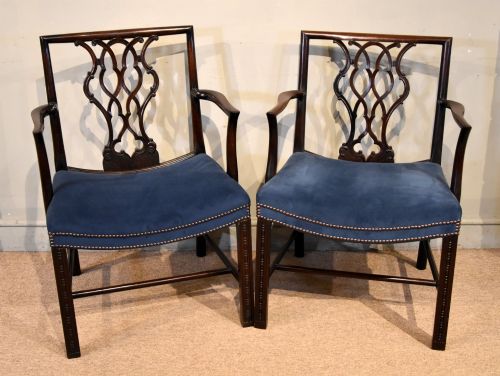
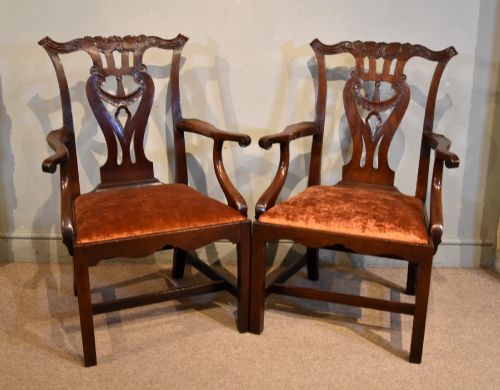
- The vertical central strip of wood in a chair back, often pierced and intricately carved in Chippendale or revival styles.
Carved Dining Armchairs: Frequently Asked Questions
How do I spot a true carver chair?
Carver chairs feature structural wooden armrests designed to match a set of standard dining chairs. They traditionally sat at the head and foot of the dining table.
Makers built these larger armchairs to accommodate formal dress and provide a more commanding seat for the host.
What is a wainscot armchair?
A wainscot armchair is an early wooden seat built with solid panelled backs and heavy turned supports. These seventeenth-century pieces rely on joined oak construction.
They represent the earliest forms of wooden armchairs available to buyers, preceding the lighter mahogany styles of the Georgian era.
How do I date mahogany dining armchairs?
Dating mahogany armchairs involves examining the style of the backrest, leg geometry, and carving techniques. Georgian pieces show crisp hand-carved details, while later Victorian and Edwardian examples often incorporate revival motifs.
Timber density and the tool marks left by makers also help establish whether a chair originates from the eighteenth century or a later revival period.
Can I mix carved armchairs with plain chairs?
Mixing carved armchairs with standard dining chairs reflects historical dining room practices. Wealthy households routinely paired two carvers with a set of armless chairs.
Matched pairs or single armchairs also function effectively as desk chairs or occasional seating in living spaces.