

Carved Desk Lamp
A carved desk lamp brings texture and history to a workspace through worked wood, stone or metal.
Carved Desk Lamp
A carved desk lamp covers a wide span of functional lighting items derived from architectural elements, converted candlesticks, and sculpted vessels. When you search for a carved desk lamp, you encounter pieces that range from heavy stone bodies to intricately worked timber and cast metal forms.
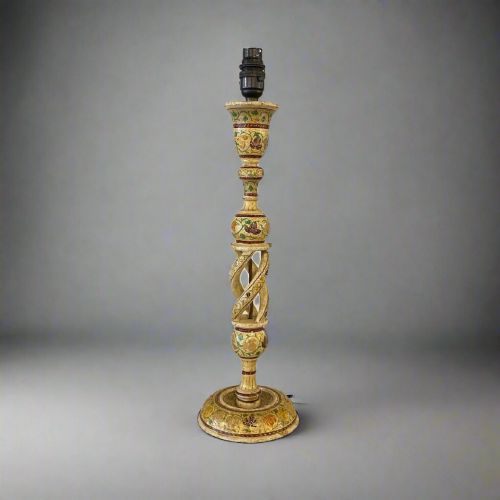
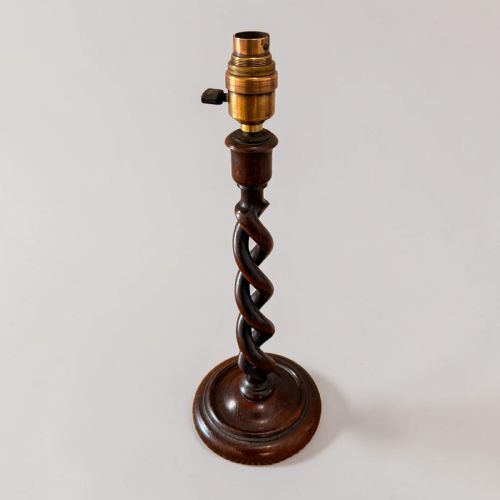
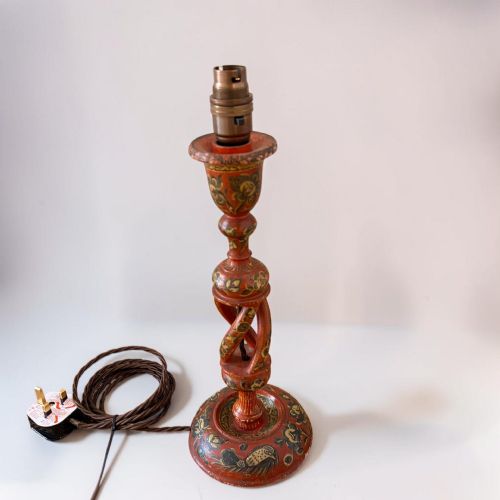
The selections on this page lean heavily towards table lamps and converted items originating from the nineteenth and early twentieth centuries. Many examples incorporate older carved wooden bases, classical motifs, and regional craft traditions spanning British, European, and Asian workshops.
Materials and construction methods
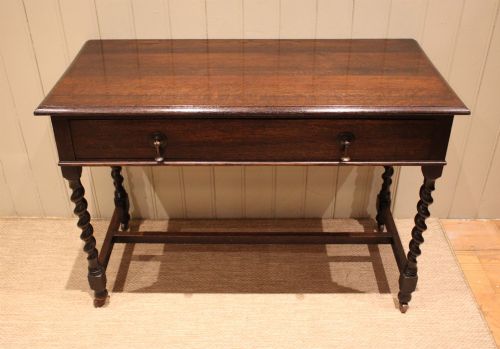
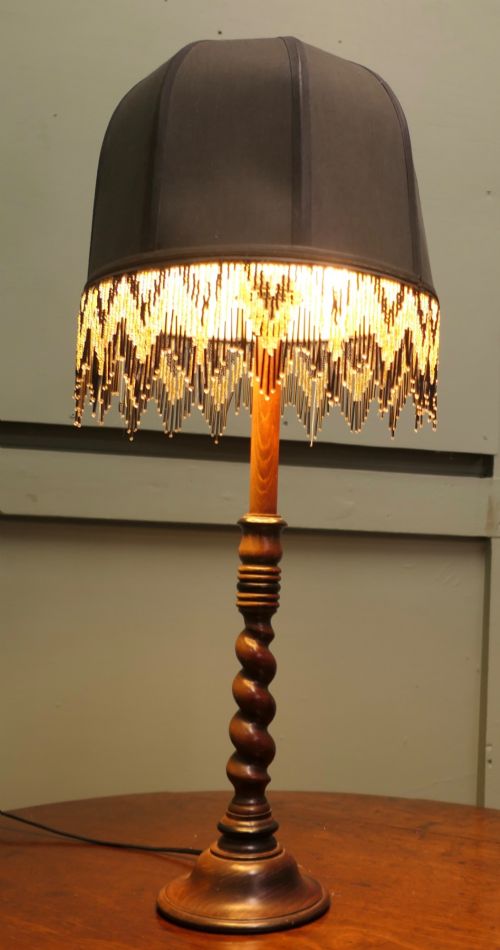
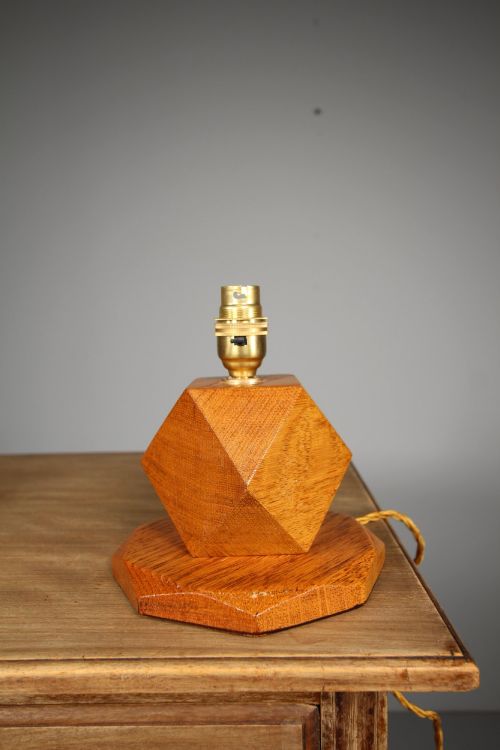
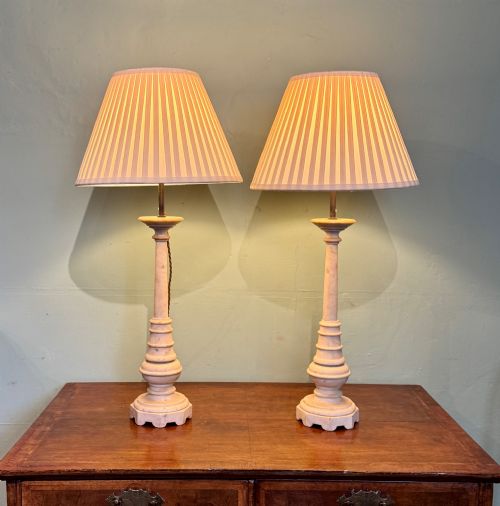
Makers utilised solid timbers such as oak, mahogany, walnut and elm for wooden bases, applying hand-carving techniques like twist turnings, Gothic tracery, and Celtic patterns. Softer stones such as alabaster and various types of marble were turned and carved to create smooth columnar or figural lamp bodies.
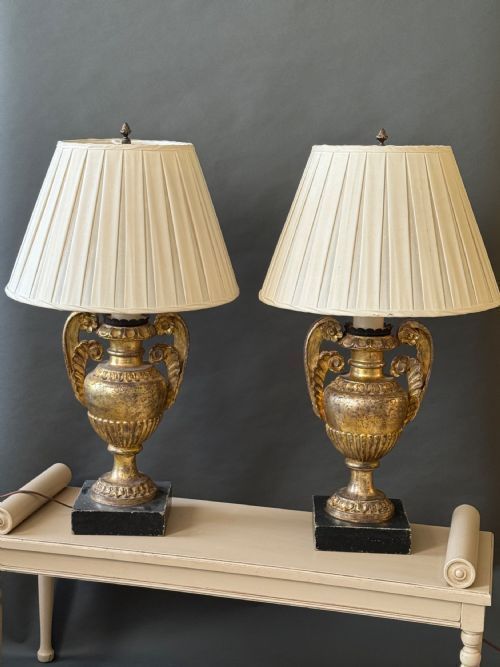
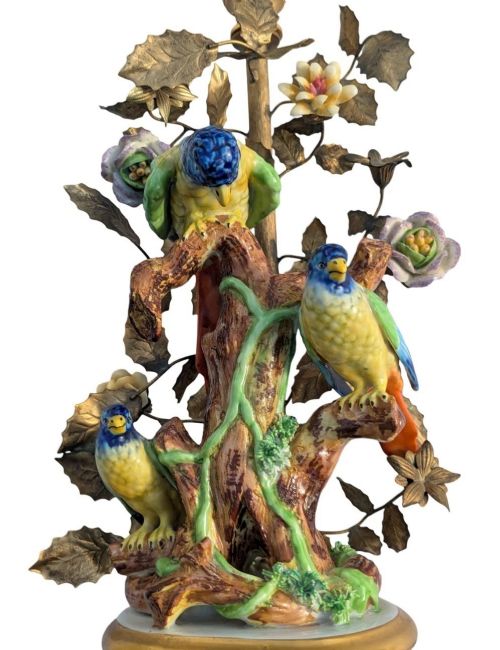
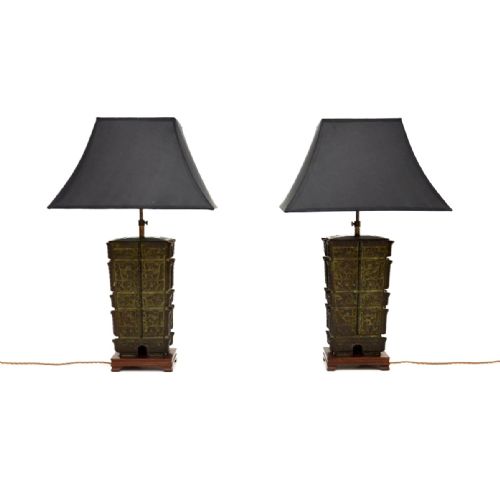
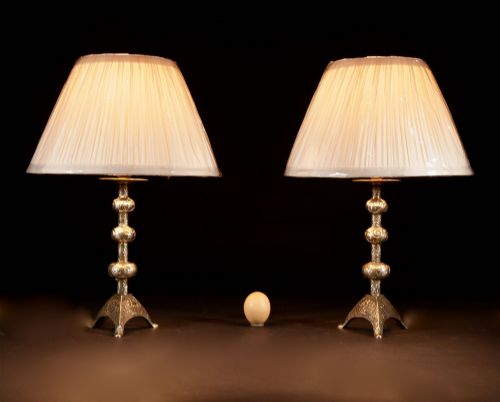
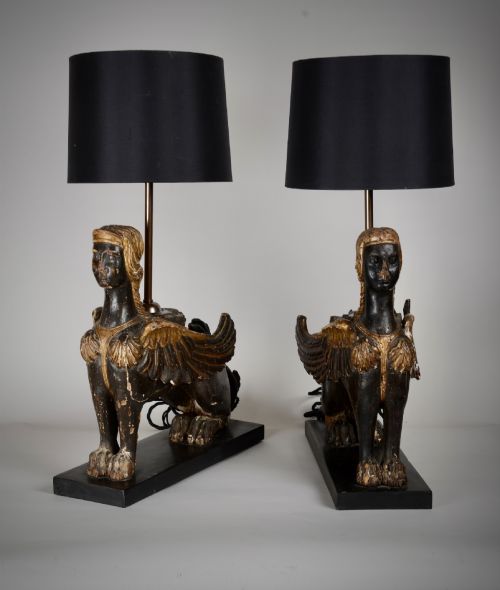
Metal components involve cast brass, bronze, and giltwood combinations, frequently utilising classical orders like the Corinthian style or figural subjects. Wiring is often added later to adapt these sculptural objects, candlesticks, and architectural fragments for electrical use.
Carved Desk Lamp Retail Price Guide 2026
Typical asking prices for carved desk lamp among the pieces listed under this phrase on Sellingantiques today, from the lower quarter to the upper quarter. They describe what is for sale here now, not the wider market.
Stylistic influences range from eighteenth-century Georgian and Neoclassical designs to twentieth-century Art Deco forms.
Judging the quality of carved lighting
Quality rests primarily on the depth and crispness of the hand-carving and the choice of raw materials. Fine pieces show deliberate tool marks, balanced proportions, and dense timber grains or translucent stone rather than coarse casting or shallow machine routing.
The integrity of the conversion work also dictates value, as superior pieces retain their original gilding, patination, and structural components without compromising the underlying carved artistry of the base object.
The Carved Desk Lamp Glossary
- Alabaster
- A fine-grained, translucent stone often used for carved neoclassical and art deco lamp bodies. It diffuses light gently when illuminated from within or beside.
- Lowboy
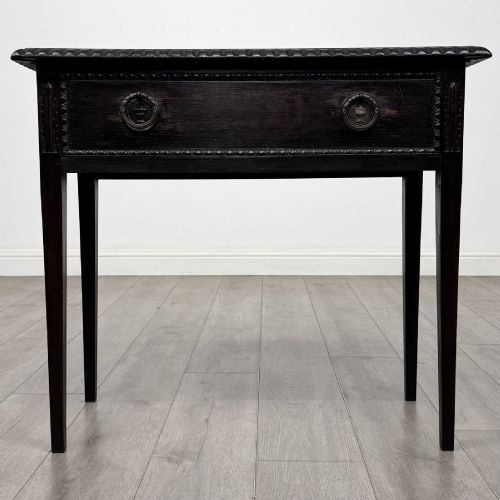
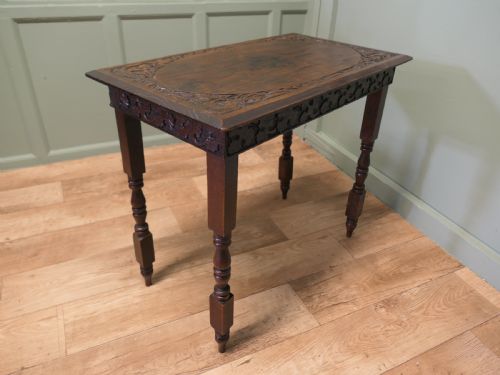
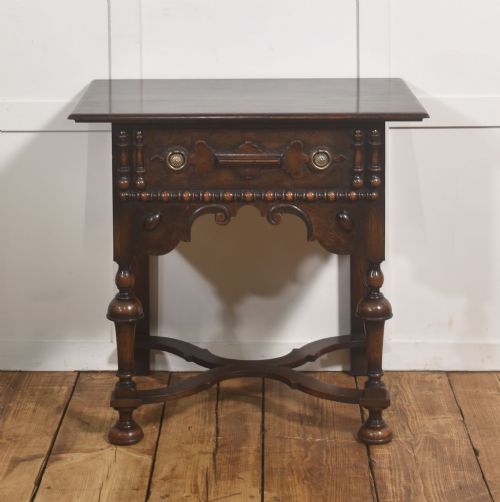
- A small eighteenth-century dressing or side table with one or more drawers, frequently adapted or associated with lamp placement in modern interiors.
- Giltwood
- Timber treated with a thin layer of gold leaf or gold paint. This technique appears on ornate candlestick lamps and continental decorative bases.
- Grand Tour
- A cultural journey undertaken by nineteenth-century elites who acquired carved souvenirs such as shell cameos and marble fragments later converted into lamps.
- Meiji Period
- The era of Japanese history from 1868 to 1912 noted for highly detailed bronze and organic material carvings exported to Western markets.
Carved Desk Lamp: Frequently Asked Questions
Are these lamps originally wired for electricity?
Most older lamps started life as candlesticks, altar ornaments, brush pots or architectural fragments before receiving electrical wiring in subsequent decades.
Buyers often find that twentieth-century rewiring has been added to historic carved timber, stone or brass bodies to ensure modern utility.
How do I identify the period of a carved lamp?
Dating relies on matching the wood species, stone type, and decorative vocabulary such as Corinthian capitals, Gothic tracery, or Art Deco streamlined curves to known eras.
Stylistic markers and construction methods help distinguish nineteenth-century revival pieces from earlier eighteenth-century examples.
What maintenance do stone and wood lamps need?
Alabaster and marble require gentle dusting with a dry cloth and protection from moisture to preserve their smooth, porous surfaces.
Wooden carved bases benefit from occasional waxing to maintain the natural sheen of oak, mahogany, or walnut without building up heavy residues.
Where should I place a heavy stone lamp?
Dense alabaster or marble items require sturdy side tables, console surfaces, or wide desks capable of supporting substantial weight safely.
Positioning them away from high-traffic edges prevents accidental tipping while allowing the translucent stone to catch ambient light.