
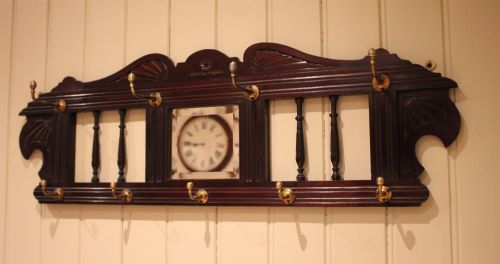
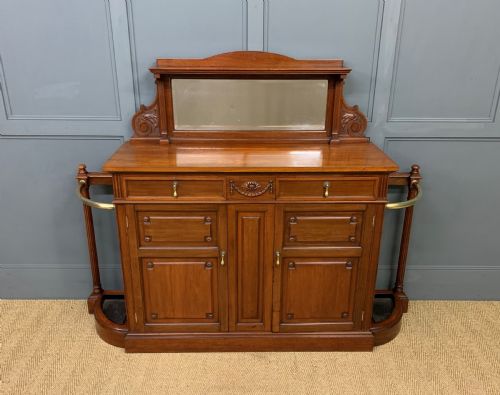
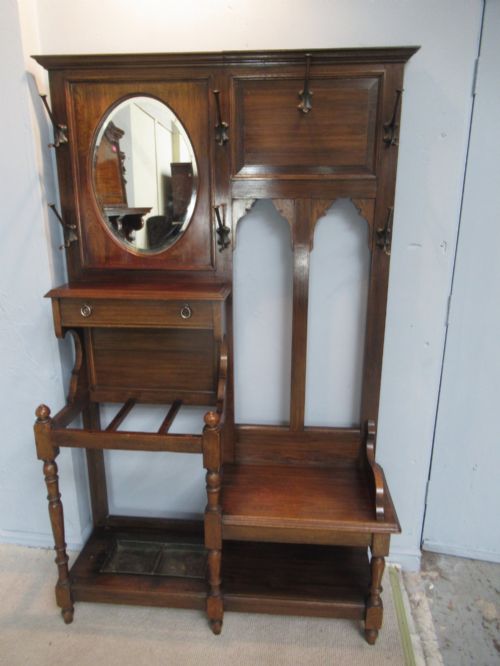
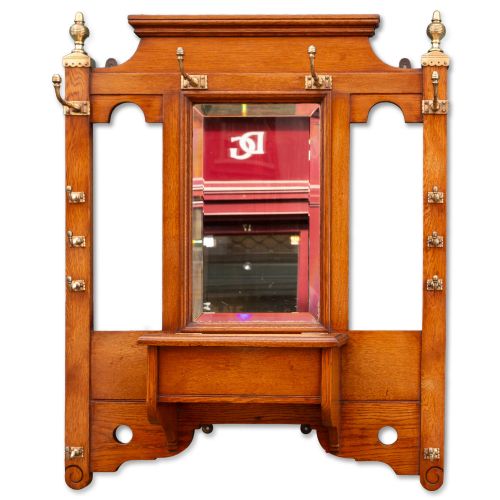


Carved Brass Standing Mirror
These carved brass standing mirror pieces offer functional reflection alongside period character, bringing substance to any interior.
Carved Brass Standing Mirror
A carved brass standing mirror combines solid framing with reflective glass, serving practical dressing needs across hallways and bedrooms alike. When you examine a carved brass standing mirror in person, you frequently encounter Victorian and Edwardian iterations originating from the nineteenth and early twentieth centuries. These objects frequently share showroom space with related hall furniture such as coat racks, vanity mirrors, and cheval mirrors.
Makers of the period utilised various robust timbers alongside cast metal elements to build these utilitarian items. The surviving inventory demonstrates diverse forms spanning from compact table top dressing mirrors to large freestanding cheval plates. Each piece reflects the domestic requirements of its era, combining metalwork details with traditional cabinet woods.
Materials and construction methods
Workshop construction relies heavily upon structural hardwoods such as mahogany, oak, and walnut, paired with durable brass hardware and fixtures. Frames are joined using traditional methods to support heavy glass plates and prevent warping over decades of daily use.
Metal components receive careful surface treatment, incorporating cast iron internal bracing or applied gilt brass highlights to enhance visual depth. The integration of bevelled glass plates within timber and metal housings demonstrates precise mounting techniques common to quality period workshops.
The listings span from eighteen seventy to nineteen twenty, incorporating materials such as brass, glass, mahogany, oak, walnut, cast iron, and marble.
Distinguishing quality in period mirrors
Quality reveals itself through the crispness of metal casting and the thickness of the timber framing selected by the maker. Superior examples exhibit heavy plate glass with deep bevelling, secured securely within tight joinery rather than relying on superficial ornamentation.
The integration of functional elements, such as robust hooks or stable support stands, separates standard utilitarian pieces from bespoke workshop productions. Proportions remain balanced, ensuring the structural weight of the brass and glass is matched by the underlying wooden chassis.
Shoolbred & Co.
The Carved Brass Standing Mirror Glossary
- Cheval mirror
- A freestanding full-length mirror supported on a frame with vertical pivots allowing the glass to tilt. This form typically stands on four legs or a secure platform base.
- Bevelled plate
- A mirror glass pane featuring an angled, polished edge that catches the light and adds perceived depth. This detail denotes higher manufacturing cost during the nineteenth century.
- Vanity mirror
- A smaller tabletop or dressing glass designed for personal grooming. These units often rest on pivoting stands or small drawer bases.
- Flame mahogany
- A timber veneer displaying a distinct flickering grain pattern prized by cabinetmakers. It appears frequently on formal furniture from the Victorian and Edwardian periods.
Carved Brass Standing Mirror: Frequently Asked Questions
What periods do these mirrors come from?
The available pieces originate primarily from the nineteenth and early twentieth centuries, spanning Victorian and Edwardian eras. Makers of this time often combined brass fixtures with traditional cabinet timbers.
Specific dates recorded in the inventory range from eighteen seventy through to nineteen twenty, reflecting shifting domestic fashions and workshop practices.
Are the mirror plates original?
Many surviving pieces retain their original glass plates, often featuring characteristic bevelled edges and slight age foxing. The method of securing the glass usually involves traditional wooden backing boards and metal retaining clips.
Inspecting the rear construction helps determine whether the glass and framing components share the same production period.
How do I care for period brass?
Maintaining brass elements requires gentle dusting and occasional cleaning with appropriate non-abrasive metal solutions to preserve the natural patina. Avoid harsh chemical cleaners that strip the historical surface finish.
Regular care ensures the metalwork retains its original lustre without damaging adjacent timber or glass surfaces.