




Carved Bracket Foot Dresser
A carved bracket foot dresser unites practical storage with centuries of cabinet-making skill, offering timeless utility for the home.
Carved Bracket Foot Dresser
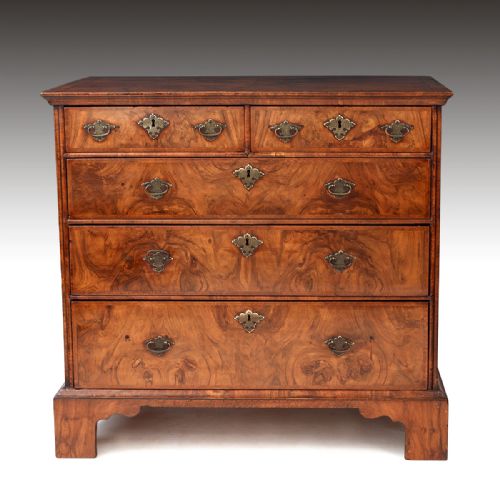
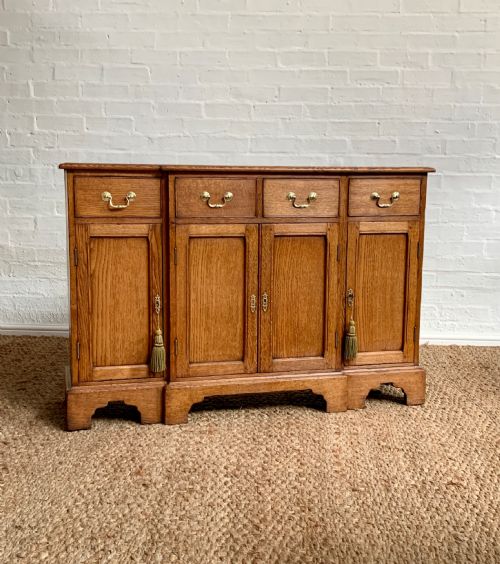
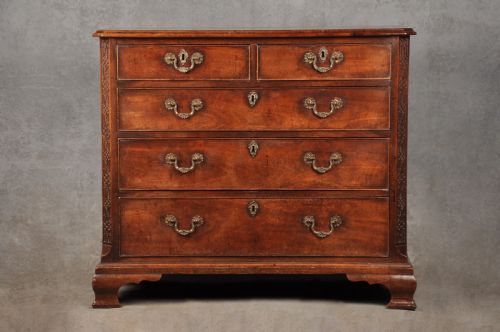
When you search for a carved bracket foot dresser, you encounter robust storage forms primarily taking the shape of chests of drawers and sideboard bases. These functional pieces span multiple historical eras, reaching from the seventeenth century through the Georgian period and into the Edwardian era and the early twentieth century.
The versions most frequently met on this page combine traditional timber carcase construction with elevated display or storage capacity. Oak and mahogany dominate the forms, accompanied by walnut and burr walnut variations that showcase period craftsmanship.
Makers across these distinct eras utilised brass hardware and boxwood inlay to articulate the facade of each cabinet. The foundational support relies on bracket feet, which anchor the heavier case pieces securely to the floor.
Materials and construction methods
Cabinet makers built these pieces using solid hardwoods including oak, mahogany and walnut, frequently applying walnut veneer over secondary woods like pine. The selection of timber dictated the structural integrity and surface figure of each chest or sideboard base.
Detailing often involved boxwood inlay to contrast against darker veneers, while brass drop handles and escutcheons secured the drawer fronts. Bracket feet were individually shaped and joined to the lower corners of the carcase to provide stable elevation.
Listings feature timbers such as oak, mahogany, walnut, burr walnut, and pine, alongside brass hardware and boxwood inlay.
Judging quality and character
Quality separates through the integrity of the timber selection and the precision of the joinery on the drawer linings and bracket feet. Pieces retaining their original surface patination demonstrate superior historical survival compared to heavily restored examples.
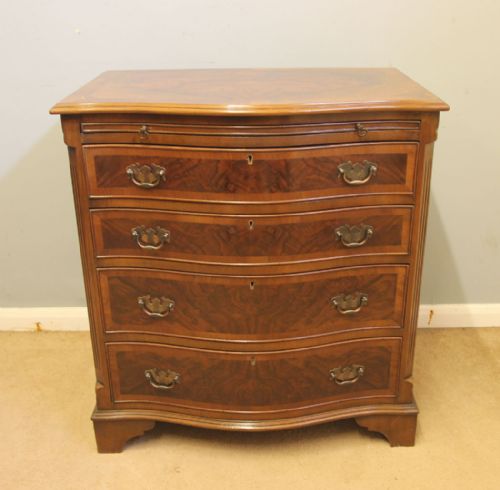
The nuance of proportion defines the upper tier of these pieces, particularly in smaller proportions and serpentine drawer fronts. Finer examples display meticulous grain alignment across the drawer tiers and crisp execution of any applied inlay.
The Carved Bracket Foot Dresser Glossary
- Bracket foot
- A furniture foot that forms a simple bracket shape at the corner of a case piece, mitred at the corner joint. These feet elevate chests of drawers and sideboards while providing stable support.
- Serpentine
- A furniture front or edge curved in a wave shape, convex in the centre and concave at the ends. This shaping requires advanced woodworking skill to execute cleanly.
- Patina
- The surface sheen and colour acquired by wood and metal over decades of handling and exposure. Original patination is valued for showing the authentic age of the piece.
- Veneer
- A thin layer of figured wood applied over a secondary timber carcase to create decorative surfaces. Burr walnut and mahogany veneers appeared frequently on finer period furniture.
- Escutcheon
- A protective plate surrounding a keyhole, often cast in brass. These hardware elements complemented the drop handles on period drawer fronts.
Carved Bracket Foot Dresser: Frequently Asked Questions
What periods do these pieces date from?
The pieces span several centuries, with examples originating from the seventeenth century, the Georgian era, the Edwardian period, and the nineteen thirties. Each era imparts distinct stylistic characteristics onto the carcase and hardware.
Craftsmen across these periods adapted traditional forms to suit contemporary interior tastes while maintaining functional storage utility.
How do I distinguish oak from mahogany pieces?
Oak pieces generally exhibit a coarse, open grain with visible medullary rays, common in seventeenth century and earlier Georgian styles. Mahogany displays a tighter, reddish-brown grain structure that became popular during the eighteenth century.
Examining the weight, colour, and grain pattern helps determine the primary timber used in the construction.
Where were these pieces used in the home?
These chests of drawers and sideboard bases served primarily in bedrooms, hallways, and dining rooms for storing textiles, documents, and tableware. Their substantial storage capacity made them central furniture items in domestic spaces.
Today, they function similarly in modern interiors, providing practical surface area and deep drawer storage.
What maintenance do these wooden surfaces require?
Wooden surfaces benefit from occasional dusting with a soft cloth and the sparing application of traditional wax to nourish the timber. Avoiding direct sunlight and extreme humidity fluctuations preserves the original finish and veneer.
Proper care maintains the surface patination built up over centuries of use.