






Carved Boxwood Sculpture
A carved boxwood sculpture brings intricate detail and tactile warmth to a room, offering miniature deities, animals, and figures shaped with precision.
Carved Boxwood Sculpture
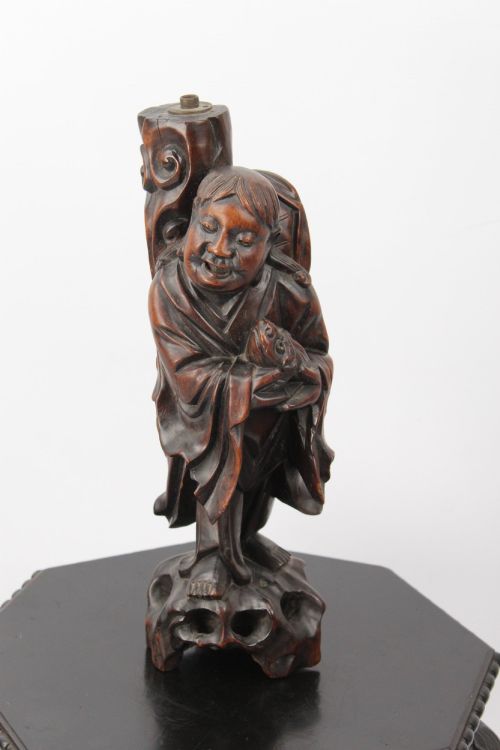
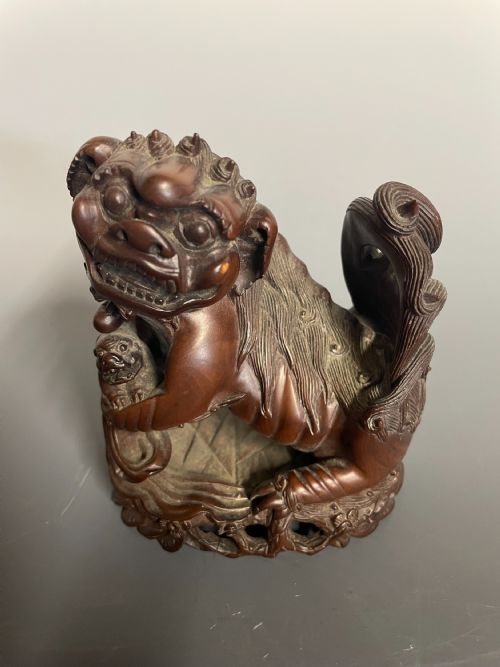
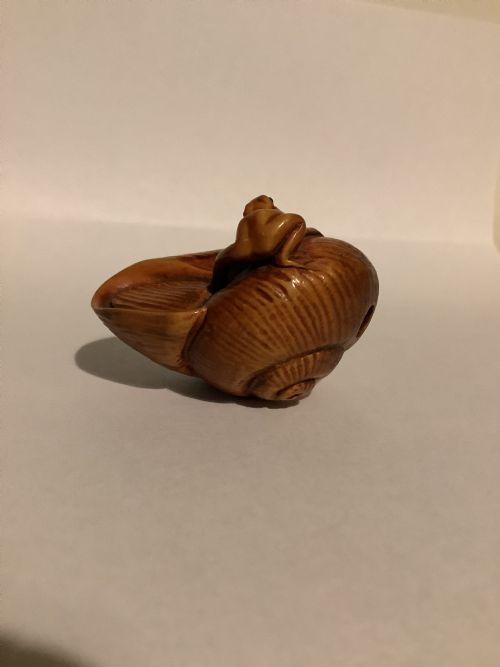
The objects span practical paperweights and devotional items like a Corpus Christi cross alongside figural sculptures of deities, immortals, and animals such as toads, frogs, and rodents. Japanese netsuke and okimono dominate the selection, showing subjects like Ebisu, Fukurokuju, and snails on mushrooms.
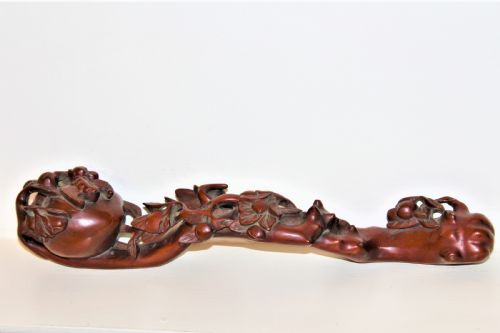
European examples include figures combining boxwood and ivory by makers such as Simon Troger, alongside French olive wood crosses and Chinese Ruyi sceptres. The assortment ranges from seventeenth-century devotional carvings to nineteenth-century decorative pieces.
What varies in quality
The definition of the carving determines visual success, separating pieces with sharp, deep undercut drapery and fur from soft, worn surfaces. Anatomy and naturalism in animal subjects, such as toads and horses, dictate whether a sculpture holds the eye.
Signatures by recognised carvers add distinction to Japanese works, while European figures rely on the sophistication of the combined materials like ivory and boxwood. Intricacy in composition, especially in complex multi-figure scenes or functional items, separates standard carvings from superior examples.
Listings feature boxwood alongside olive wood, brass, ivory, and inlaid horn across periods from the seventeenth to the nineteenth century.
Simon Troger·Tomochika·Masayuki
The Carved Boxwood Sculpture Glossary
- Netsuke
- A small carved toggle used in traditional Japanese dress to secure a small container to a sash. These functional items frequently depict animals, deities, and daily scenes.
- Okimono
- A Japanese display figurine carved for decorative placement rather than practical fastening. They often represent mythological figures, gods, or creatures.
- Ruyi sceptre
- A curved decorative Chinese talismanic object shaped like a lotus cloud or fungus. Carved versions display intricate naturalistic or symbolic motifs.
- Corpus Christi
- A representation of Jesus on the cross, carved in boxwood or olive wood for devotional use. These figures often form part of larger tabletop crosses.
- Baroque
- An artistic style originating in Europe characterised by theatrical movement and rich detail. German works from this period frequently pair boxwood with ivory.
Carved Boxwood Sculpture: Frequently Asked Questions
What is a netsuke?
A netsuke is a small toggle carved from boxwood or other materials, originally used in Japan to suspend pouches from kimono sashes.
Carvers shaped them into animals, humans, and legendary figures with intricate detail designed to be handled.
How do I care for boxwood?
Boxwood requires stable indoor humidity and protection from direct sunlight to prevent drying and splitting.
Dust the carved surfaces gently with a soft brush rather than using liquid polishes.
What is an okimono?
An okimono is a Japanese standalone carving intended for display on a shelf or tokonoma alcove rather than for fastening clothing.
These sculptures often portray gods, immortals, or animals with high expressive detail.
How are Chinese and Japanese carvings different?
Chinese boxwood pieces often include ritual objects like Ruyi sceptres and figures of Daoist immortals or Buddhas.
Japanese works more frequently comprise toggle netsuke and display okimono depicting daily life, folklore, and nature.