

Carved Bedside Tables
Carved bedside tables bring practical surface space and solid timber construction to a bedroom, combining enclosed storage with decorative detail.
Carved Bedside Tables
Carved bedside tables span several decades of design, appearing frequently in Edwardian oak and nineteenth-century mahogany forms. Buyers seeking carved bedside tables encounter enclosed cupboards, open shelf units, and small chests designed to sit beside a bed.
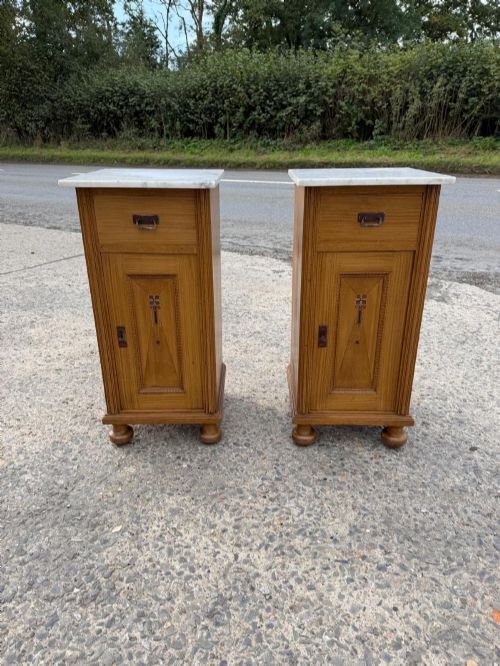
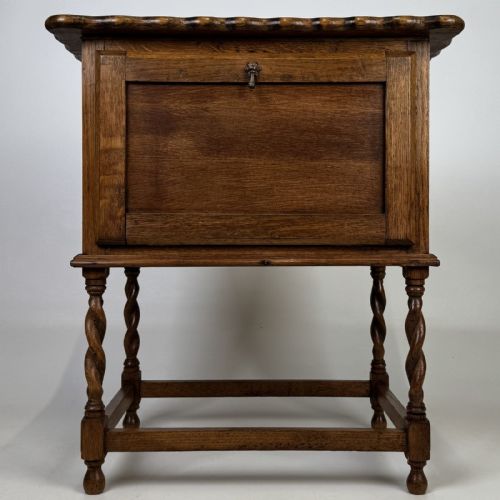
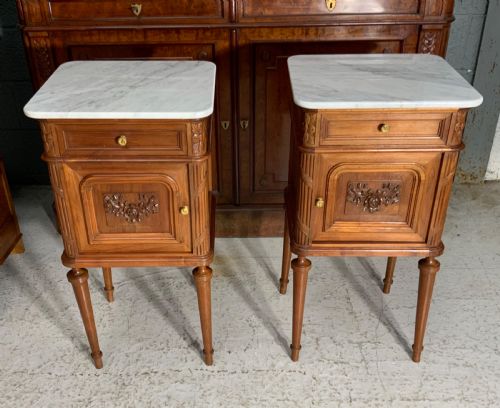
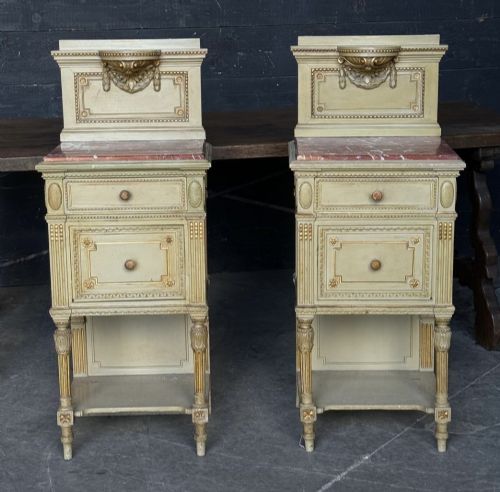
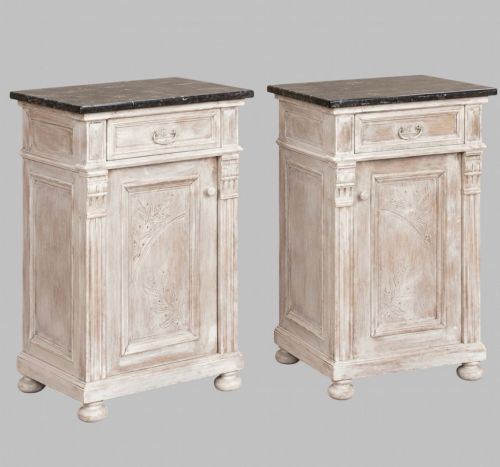
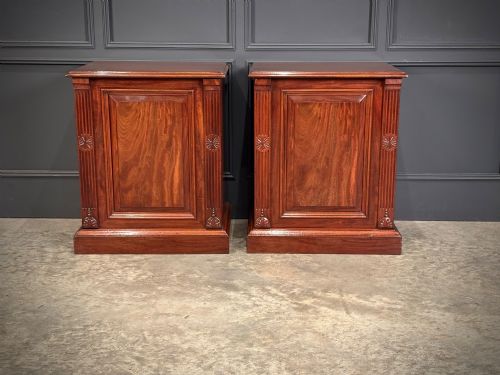
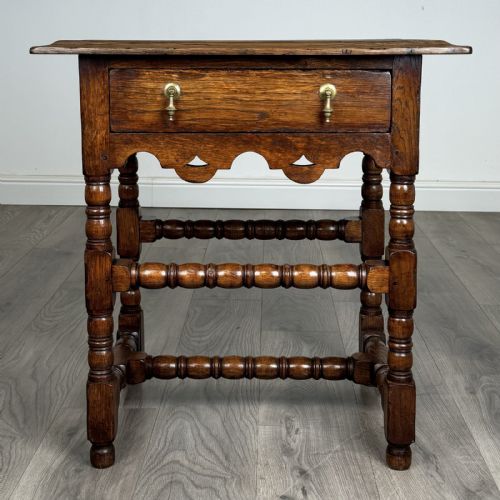
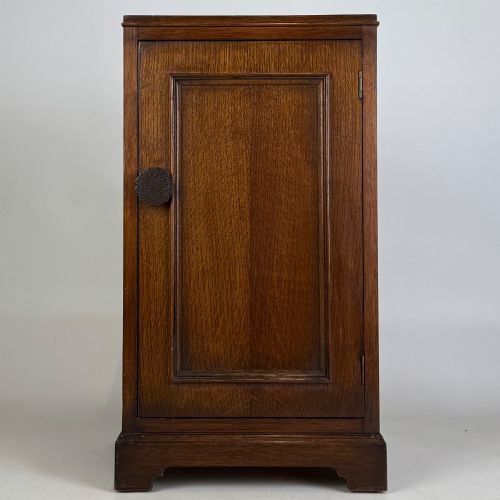
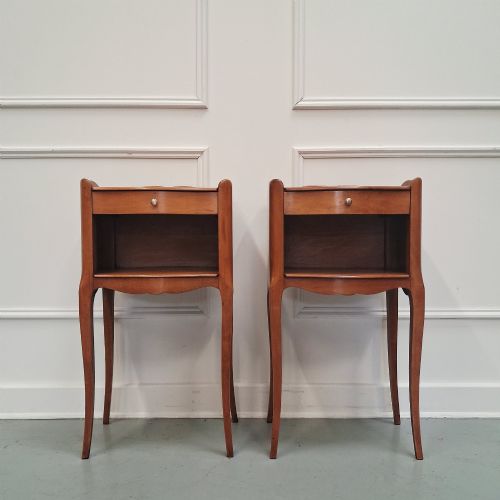
The selection includes matched pairs and individual pieces originating from British and French workshops. Forms range from simple pot cupboards with barley twist legs to sophisticated cabinets featuring marble tops and shaped panels.
How They Were Made
Cabinet makers relied primarily on dense hardwoods such as oak, mahogany, and walnut, often applying burr walnut veneers for decorative grain patterns. Structural stability relied on traditional joinery techniques, paired with turned supports like bobbin or barley twist legs.
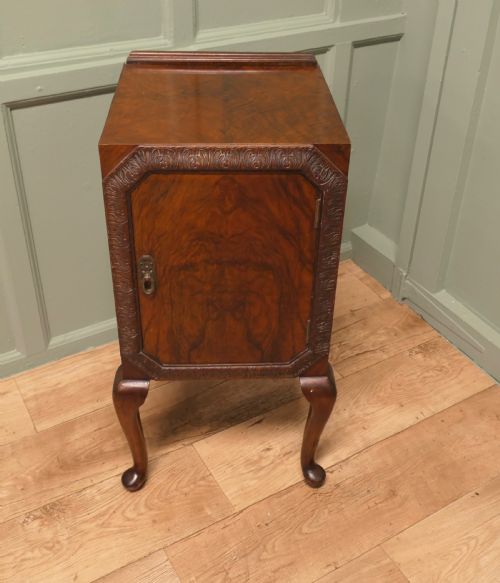
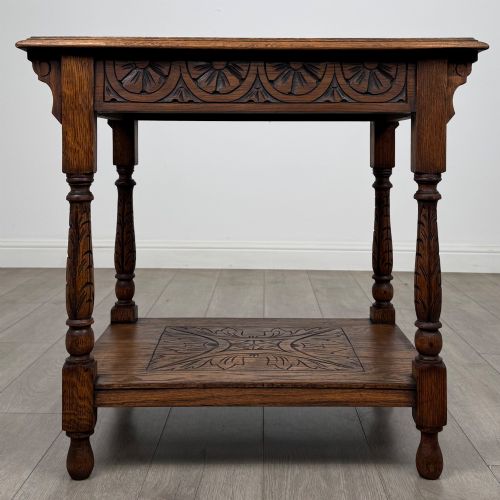
Surfaces frequently incorporated inset white marble tops or polished brass galleries. Hand-carved detailing appeared on door panels and friezes, executed with chisels and gouges directly into the solid timber.
What Varies in Quality
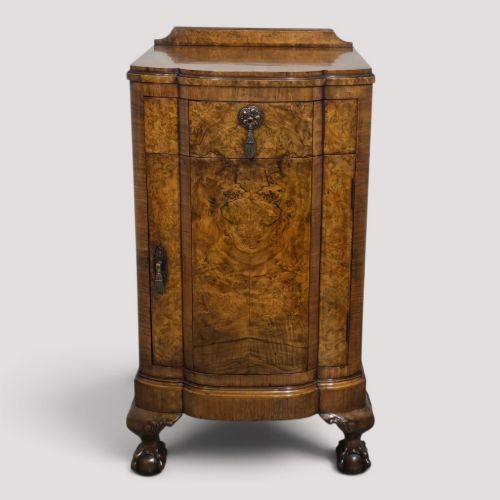
Quality rests in the crispness of the hand-carving and the selection of timber figures, such as matched burr walnut veneers on drawer fronts and doors. Superior examples display careful timber selection where grain patterns flow symmetrically across the piece.
Construction methods also distinguish standard utility pieces from finer commissions, seen in secondary timbers used for drawer linings and the integrity of the joints. Hardware choices, including original brass handles and hinges, contribute to the overall standard of the cabinet.
The Carved Bedside Tables Glossary
- Pot Cupboard
- A small bedside cabinet originally designed to house a chamber pot behind a single door. These compact units usually include a small internal shelf.
- Barley Twist
- A turning technique resembling a spiral rope, popular on table legs and supports during the Edwardian period. This detail adds vertical texture to wooden furniture frames.
- Chippendale Style
- A design classification drawing on eighteenth-century English furniture patterns, often featuring claw and ball feet or elaborate carved fretwork. Pieces in this style emphasise classical proportions and solid mahogany construction.
- Marble Top
- A stone slab fitted to the upper surface of a cabinet to provide a durable, wipe-clean finish. White and coloured marble varieties appear frequently on French bedside furniture.
- Etagere
- An open shelving unit used for display, constructed with multiple tiers supported by slender uprights. These pieces provide lighter alternative storage alongside heavier bedside cabinets.
Carved Bedside Tables: Frequently Asked Questions
What is a pot cupboard?
A pot cupboard is a compact bedside cabinet featuring an enclosed compartment with a door. These pieces were originally designed to contain a chamber pot out of sight.
Today, they function as practical bedside storage units for books and small personal items while maintaining a traditional aesthetic.
How do I identify Edwardian oak tables?
Edwardian oak tables typically display lighter honey tones and simpler grain patterns than darker Victorian pieces. They frequently incorporate turned wooden supports such as bobbin or barley twist legs.
Carved details on these tables tend to be geometric or floral, reflecting the Arts and Crafts influence of the early twentieth century.
Are marble top cabinets French?
Many marble topped bedside cabinets originate from France, particularly dating from the nineteenth century and the early nineteen-hundreds. The stone slab protected the wooden surface from water and cosmetic spills.
These cabinets often pair the marble top with matching French oak or mahogany woodwork and panelled doors.
How do I match a pair of tables?
Matching bedside tables usually share identical dimensions, timber species, and carved motifs, though pairs are sometimes assembled from similar period stock. Look for consistent leg turnings and matching hardware to ensure visual balance across the bed.
Minor variations in timber grain are natural in antique furniture and confirm the use of solid natural woods.