
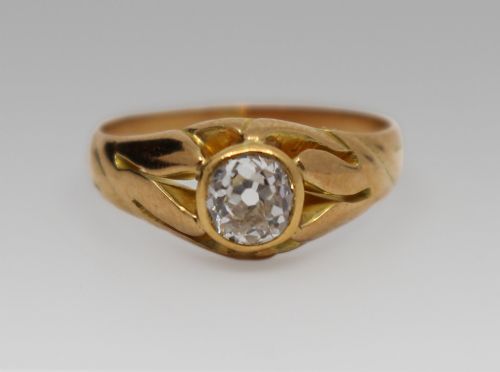
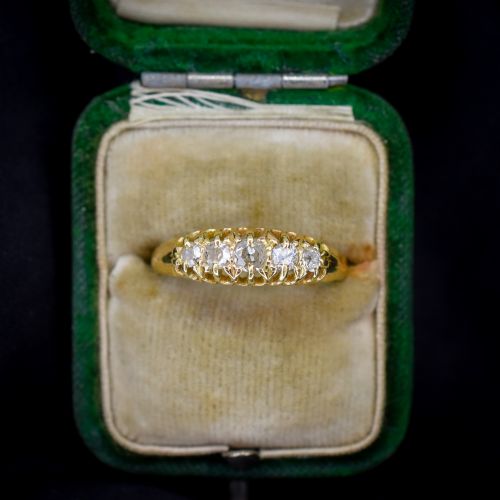

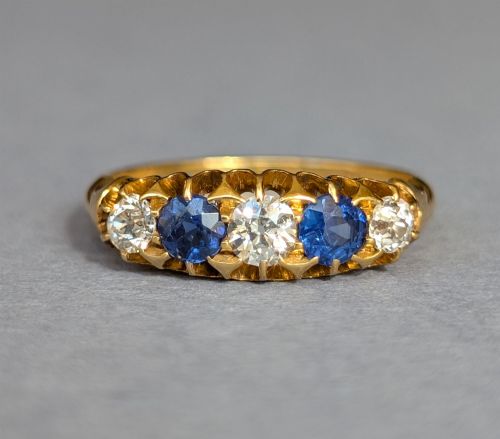
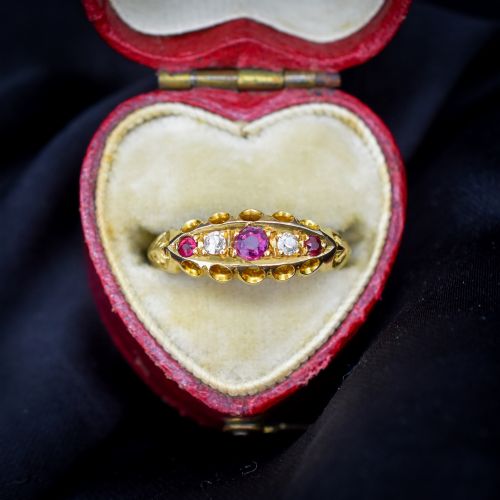
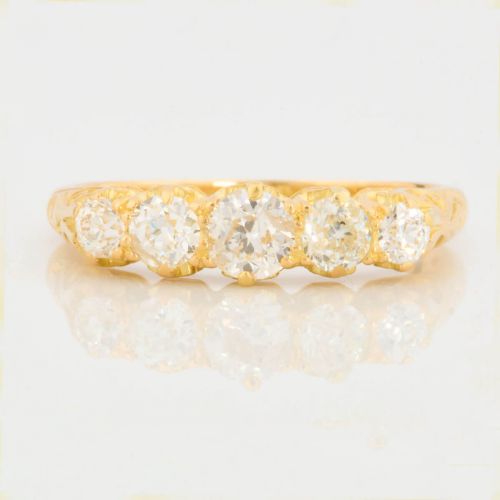
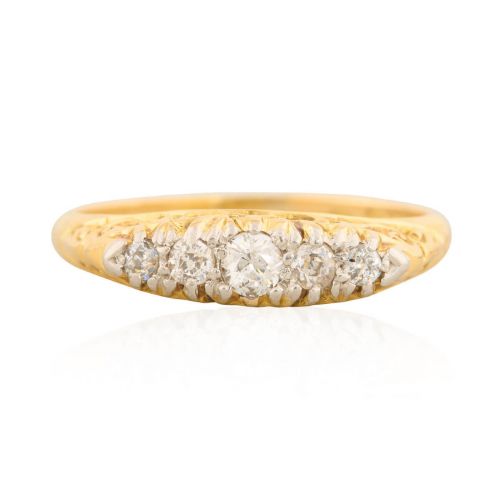

Carved Band Engagement Ring
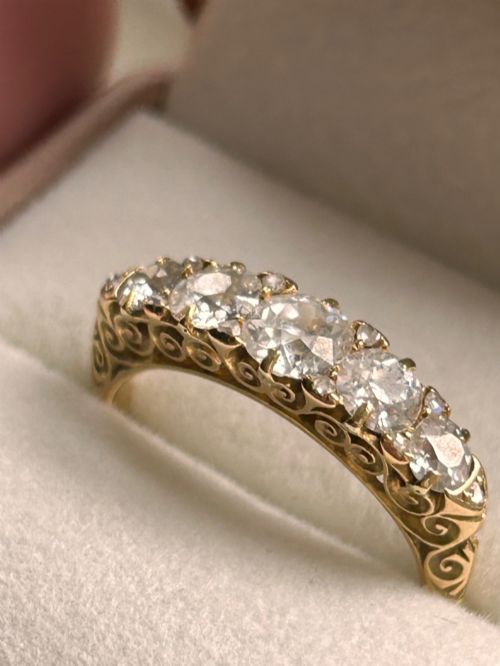
A carved band engagement ring brings together period goldwork and enduring gemstones for a distinct hand-crafted silhouette.
Carved Band Engagement Ring
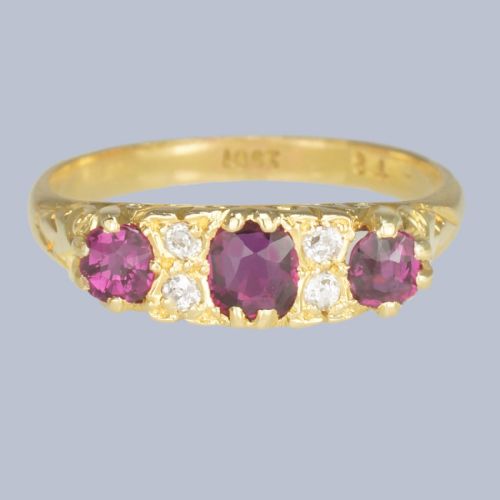
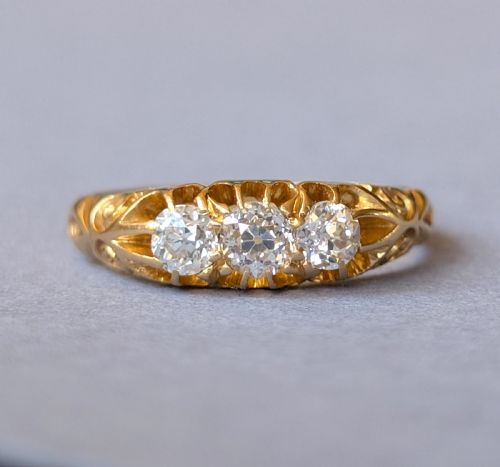
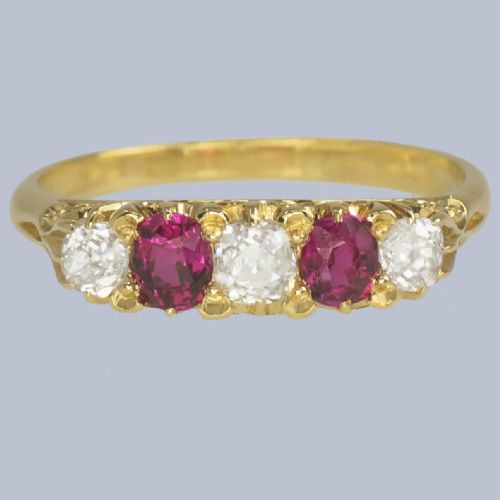
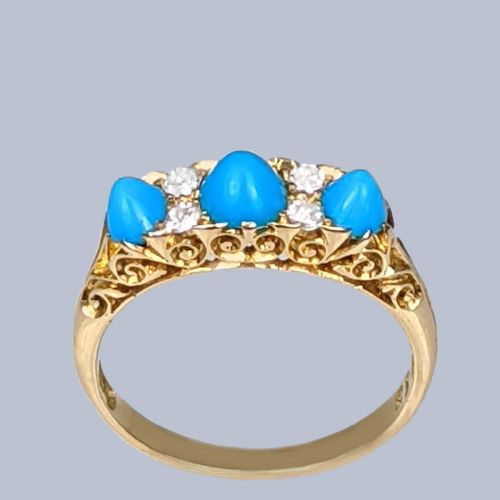
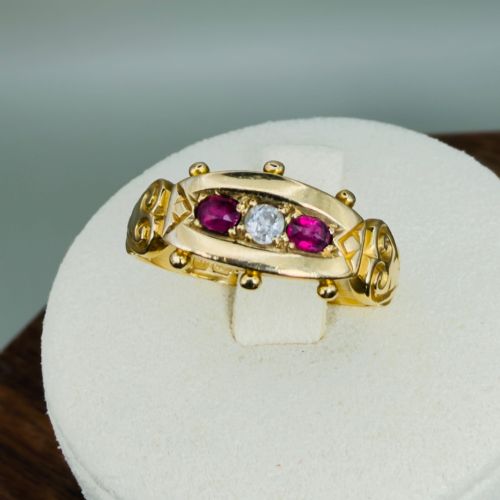
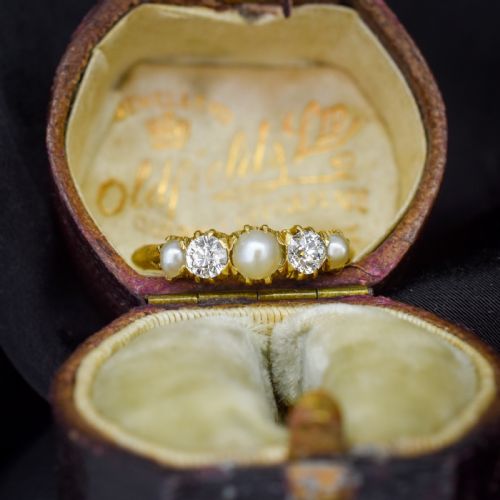
The selections span late nineteenth-century pieces through to mid-century vintage designs, showcasing specific configurations like five-stone half hoops and boat shapes. These items reflect the shifting ornamental preferences of past decades while maintaining structural integrity for contemporary wear.
Materials and construction methods
Goldsmiths predominantly shaped these pieces from 18ct yellow gold, rose gold, and platinum, hammering and carving the metal directly to secure the stones. Gemstones such as old cut diamonds, sapphires, rubies, and opals were then flush or claw set into the patterned band.
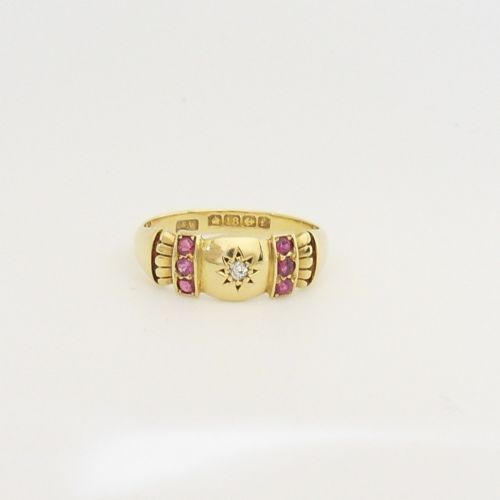
Makers utilised casting and hand-chasing techniques to create dimensional motifs along the shoulders and hoops. Hallmarks stamped into the interior shank frequently record the assay office and year of creation.
The listings span Victorian, Edwardian, and mid-century periods, showcasing 18ct gold, platinum, diamonds, rubies, and sapphires.
Assessing craftsmanship and condition
Quality rests in the crispness of the carved details along the gold band and the secure seating of each gemstone. Superior examples preserve the original depth of the chased motifs without thinning from decades of polishing.
The selection and matching of stones - particularly old mine cut and old European cut diamonds paired with natural rubies or sapphires - dictates the overall refinement of the piece. Intact hallmarks and legible assay stamps further elevate the historical integrity of the ring.
The Carved Band Engagement Ring Glossary
- Carved band
- A ring hoop decorated with hand-chased or engraved dimensional patterns rather than a plain polished surface. This technique creates textural interest directly in the metal.
- Old cut diamond
- A hand-faceted diamond cut before modern machine precision, characterised by a smaller table, higher crown, and open culet. These stones project a distinct, warmer scintillation under candlelight.
- Boat ring
- A setting configuration where the central gemstones are arranged in a navette or boat-like cluster tapering towards the shoulders. It was a favoured silhouette during the Victorian and Edwardian eras.
- Five stone ring
- A design featuring a row of five graduated or uniform gems stretching across the top of the finger. This layout is common among antique diamond and ruby bands.
- Trilogy ring
- A ring set with three stones representing the past, present, and future. They frequently combine diamonds with coloured gems such as sapphires or rubies.
Carved Band Engagement Ring: Frequently Asked Questions
How do I care for antique gold rings?
Clean these pieces gently with warm soapy water and a soft brush, avoiding harsh ultrasonic cleaners that can dislodge older stones. Periodic inspection by a specialist ensures the claws and carved settings remain secure.
Store each ring separately in a fabric-lined box to prevent the metalwork and gems from scratching against other jewellery.
Can these rings be resized easily?
Most gold and platinum bands can be adjusted by a skilled jeweller, though the carved pattern around the back requires careful handling. Modifying the size near stamped hallmarks demands particular attention to preserve historical markings.
Consult a professional experienced in antique jewellery before attempting any alteration to the shank.
What is an old cut diamond?
An old cut diamond refers to hand-polished stones shaped prior to the invention of modern automated sawing techniques. They possess charming irregularities and chunky facets that catch ambient light uniquely.
These gems are characteristic of the Victorian and Edwardian periods found throughout the collection.
How are these periods dated?
Maker marks, sponsor stamps, and assay office hallmarks stamped inside the band provide the most reliable dating evidence. Stylistic indicators such as boat settings and specific gemstone combinations also point to eras like the late Victorian or Edwardian periods.
Comparing these details with historical records establishes the approximate decade of manufacture.