
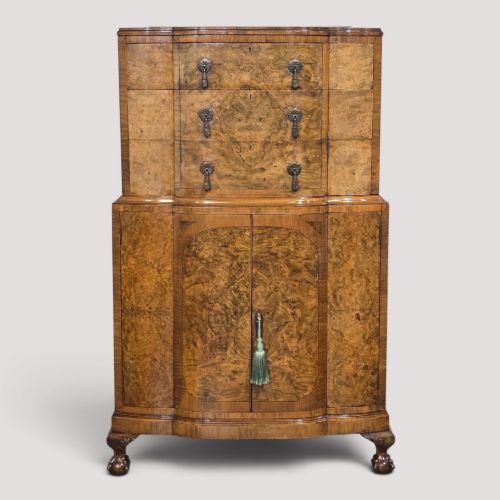
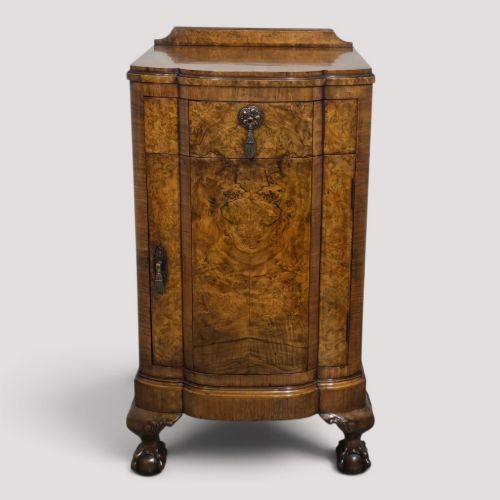
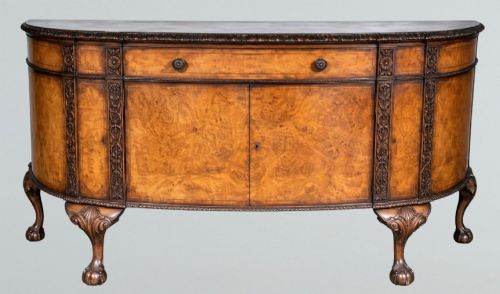
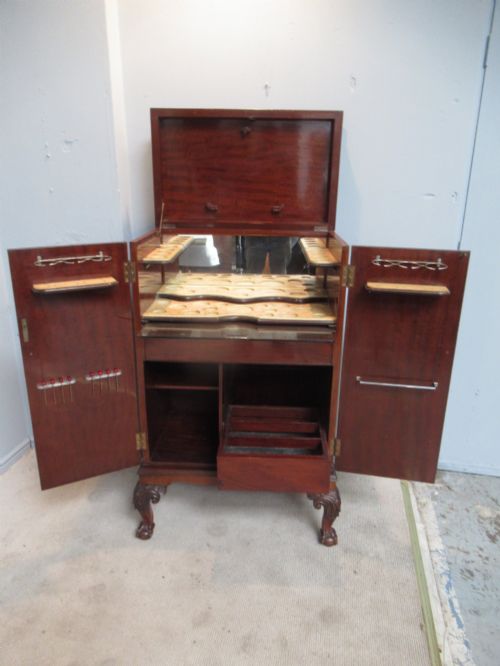


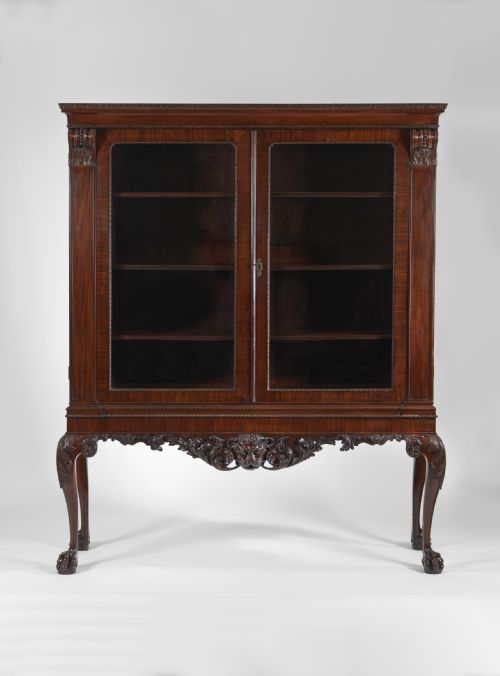

Carved Ball and Claw Cabinet
A carved ball and claw cabinet brings together solid timber and sculpted feet to hold your collection with distinction.
Carved Ball and Claw Cabinet
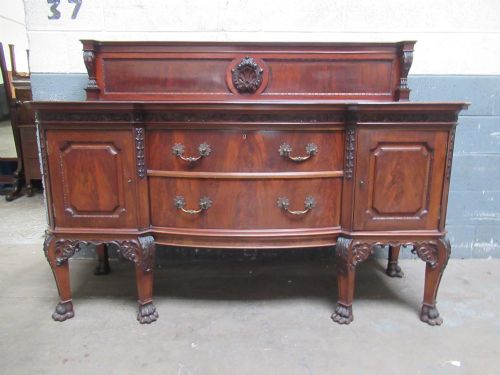
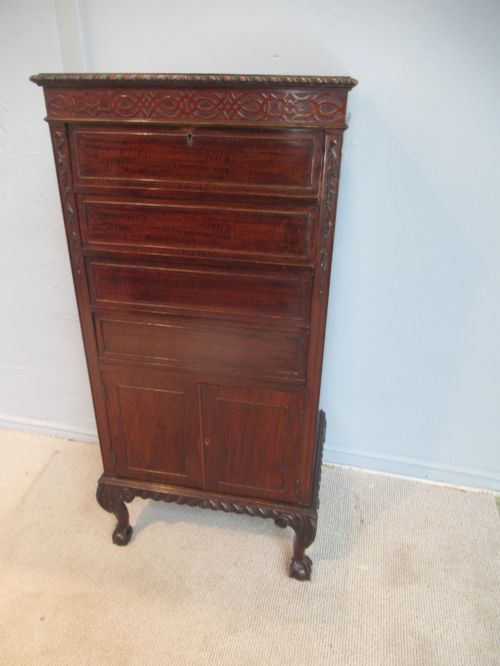
A carved ball and claw cabinet unites utilitarian storage with the decorative flourish of a sculpted talon grasping a sphere upon the furniture foot. These pieces span centuries from the eighteenth century through the Edwardian era up to the 1930s.
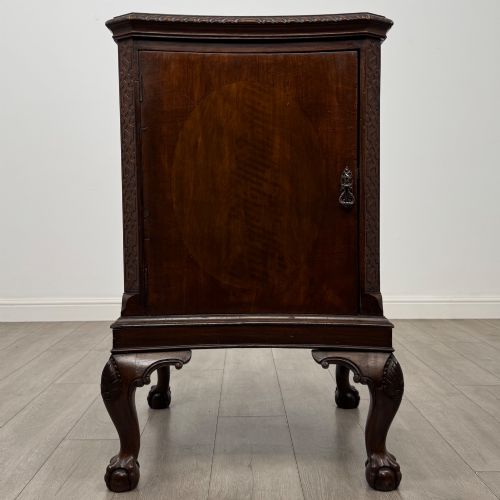
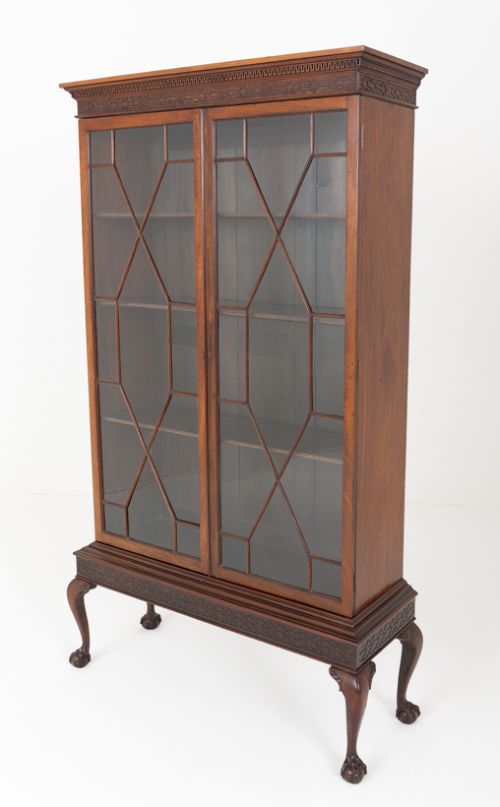
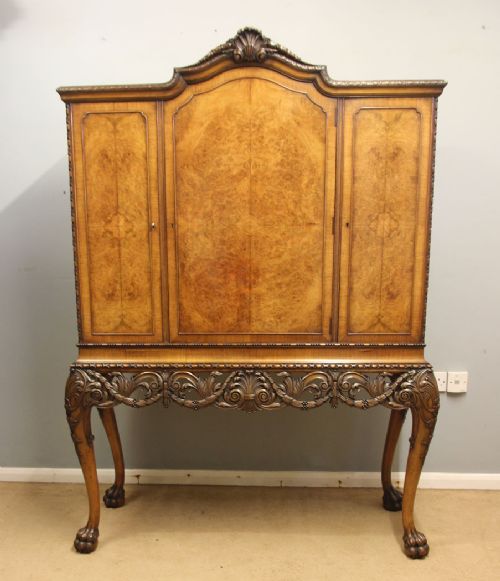
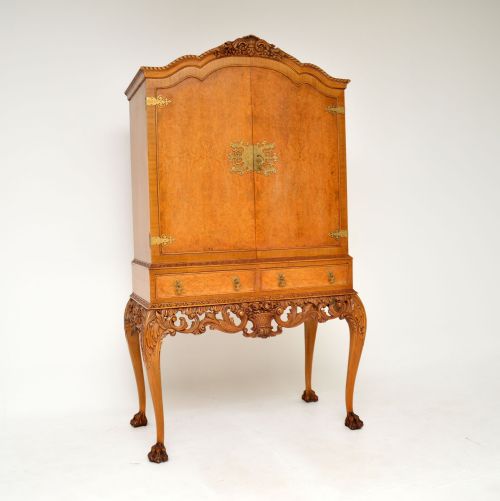
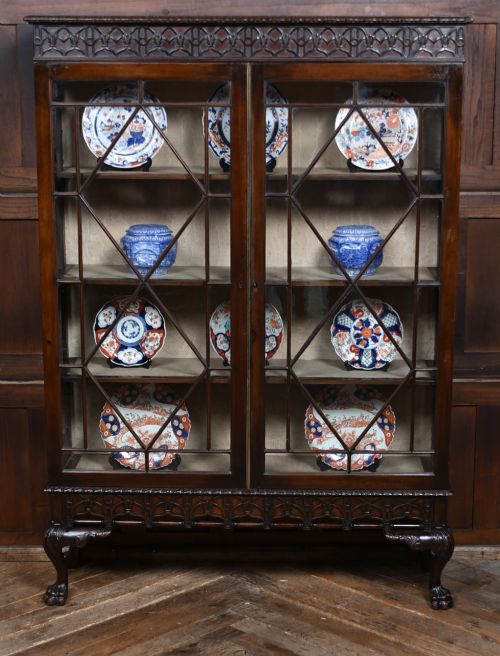
The most frequent examples encountered on this page are mahogany and burr walnut display cabinets, side cabinets, and drinks cabinets finished in Chippendale style or Queen Anne style. Bookcases, sideboards, and bedside cabinets also appear among the selection.
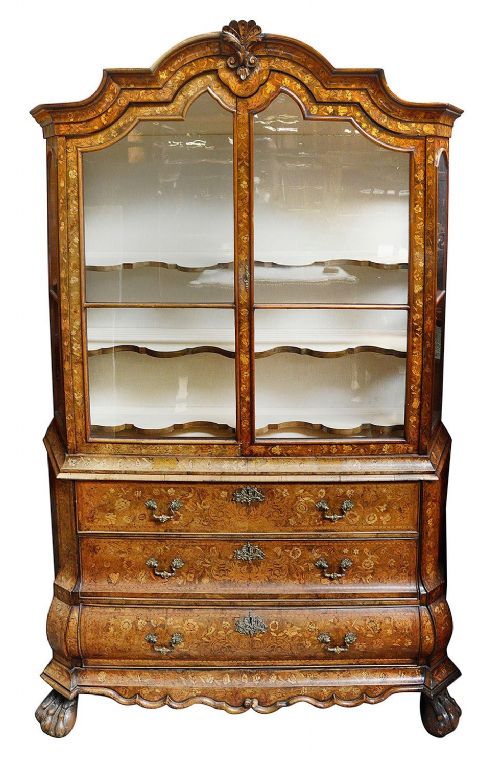
Makers drew upon George II, Georgian, and Dutch Baroque design traditions to shape these timber bodies. Revival movements from the Victorian and Edwardian periods kept these traditional motifs alive well into the twentieth century.
Materials and construction
Cabinet makers relied primarily on mahogany and walnut, frequently selecting burr walnut and flame mahogany veneer to give the flat surfaces striking natural patterns. Hardwood provided sturdy internal structure while glass panels protected the contents of display furniture.
Brass hardware such as handles and hinges added functional metallic contrast to the dark timber surfaces. Marquetry inlay appeared on select continental pieces, incorporating contrasting woods into the decorative scheme.
The listings on this page span several eras from the eighteenth century up through the 1930s, featuring mahogany, walnut, and brass.
Assessing craftsmanship and design
Superior examples demonstrate crisp definition in the wooden claw and ball foot sculpture, where the grip and talons show deliberate hand carving rather than soft, rounded profiling. The selection of timber grain, particularly matched burr walnut or figured mahogany veneers, distinguishes finer cabinets from plain production.
Proportion and architectural fidelity separate exact revivals from simpler commercial furniture of the early twentieth century. Cabinets that respect Georgian or George II massing and incorporate genuine brass fittings hold greater presence in a room.
The Carved Ball and Claw Cabinet Glossary
- Ball and claw
- A furniture foot carved to resemble a bird's talon clutching a spherical ball. This motif originates from Chinese art and became a defining feature of eighteenth century English cabinet making.
- Burr walnut
- Timber sliced from the gnarled growths of a walnut tree, yielding dense and swirling grain patterns. Cabinet makers prized this veneer for principal surfaces on high status furniture.
- Chippendale style
- Furniture designs inspired by the pattern books of Thomas Chippendale from the eighteenth century. Pieces often feature carved mahogany, ornate glazing bars, and classical revival motifs.
- Vitrine
- A glass fronted display cabinet designed to showcase porcelain, silver, or curiosities. These cabinets rely on glazed doors and sides to maximise interior illumination.
- Marquetry
- The art of applying pieces of veneer to a structure to form decorative patterns or pictures. Craftsmen used various coloured woods to create intricate floral or geometric scenes.
Carved Ball and Claw Cabinet: Frequently Asked Questions
What is a ball and claw foot?
A ball and claw foot is a carved furniture terminal depicting a bird or dragon talon grasping a spherical orb. It gained widespread popularity in English furniture during the eighteenth century.
Cabinet makers applied this sculptural detail to the legs of tables, chairs, and large storage pieces like chests on stands or display cabinets.
How do I date a mahogany cabinet?
Dating a mahogany cabinet involves examining the construction methods, timber density, and stylistic revival influences present in the piece. Eighteenth century originals differ substantially in internal framing from Edwardian reproductions.
Comparing the hardware, secondary woods, and veneer thickness helps establish whether a cabinet dates from the Georgian period or the twentieth century revival eras.
Where should I place a drinks cabinet?
A drinks cabinet suits a dining room, drawing room, or living space where glassware and bottles remain accessible for entertaining. Placing the cabinet away from direct sunlight protects polished walnut and mahogany timber surfaces.
Many of these cabinets feature internal glass shelves or mirrored backs designed specifically to display glassware and decanters effectively.
What is the difference between Edwardian and Georgian cabinets?
Georgian cabinets originate from the eighteenth century and embody the functional aesthetic of the period's master designers. Edwardian pieces are later revivals produced around the start of the twentieth century.
While Edwardian makers accurately copied Georgian and Chippendale proportions, the secondary timbers, machinery marks, and interior linings typically reveal their later manufacturing date.