

Carat Yellow Gold Ring
A carat yellow gold ring brings together precious metals and gemstones across Victorian, Edwardian, Art Deco and mid-century periods.
Carat Yellow Gold Ring
When searching for a carat yellow gold ring, buyers encounter a diverse selection spanning the late nineteenth century through to the mid-twentieth century. Common forms include traditional wedding bands, engagement rings, multi-stone cluster settings, and gypsy rings.
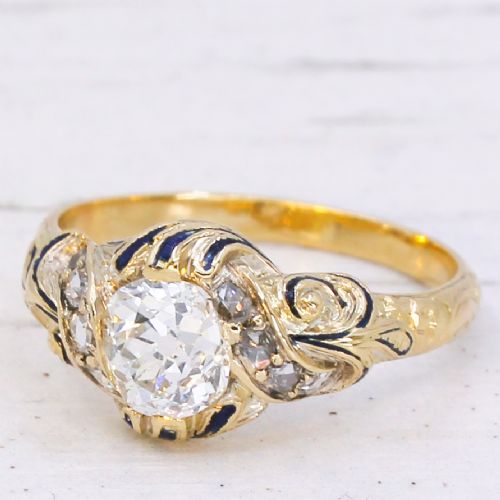
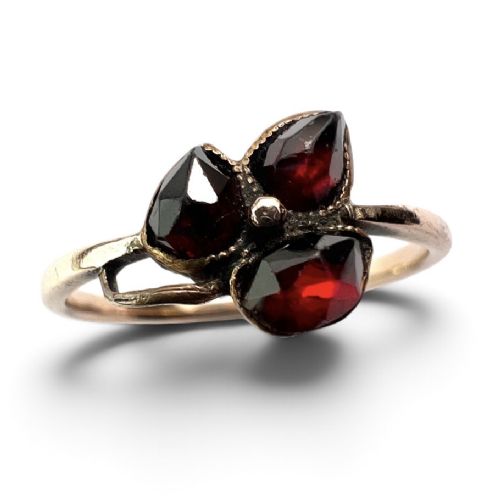
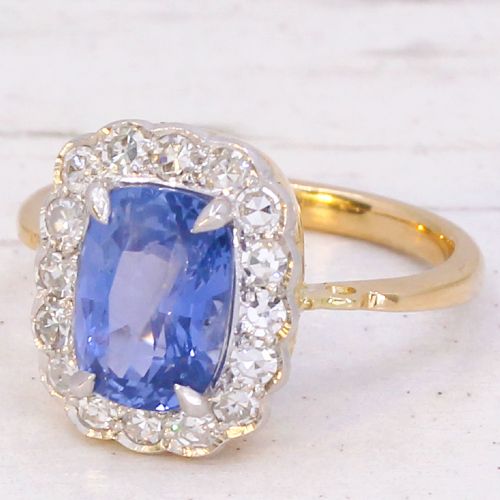
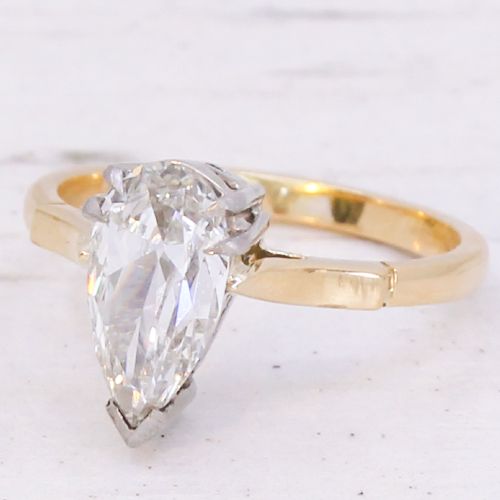
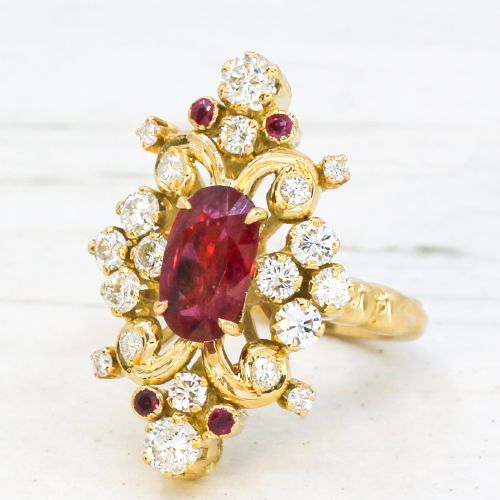
Victorian and Edwardian examples often feature intricate floral motifs, starburst designs, or engraved band details alongside gemstones like rubies, sapphires and diamonds. Later twentieth-century items lean toward clean geometric lines, single-stone solitaires, and mid-century modern styling.
The materials frequently incorporate various purities of gold, including nine-carat, eighteen-carat and twenty-two-carat iterations, occasionally paired with platinum settings. These pieces originate from diverse workshops and assay offices, reflecting distinct historical eras.
Materials and construction methods
The construction of these pieces relies heavily on yellow gold alloys paired with durable mounting metals such as platinum for secure gemstone settings. Goldsmiths utilised traditional casting, hand-engraving, and bezel or claw setting techniques to hold diamonds, sapphires, emeralds and rubies.
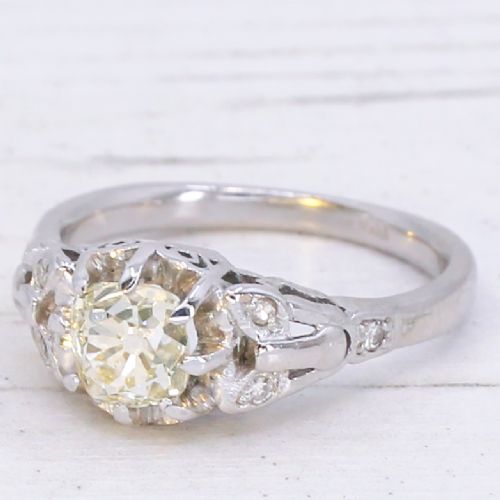
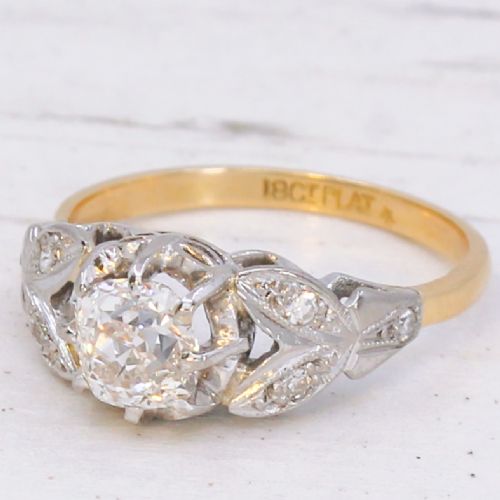
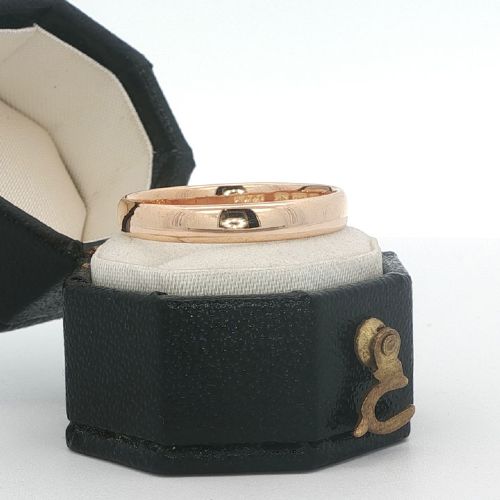
Older examples often feature hand-cut stones, including old European cuts and old mine cuts, which exhibit distinct facet patterns compared to modern brilliant cuts. Band rings frequently display hallmarks stamped by regional assay offices such as Birmingham or Chester.
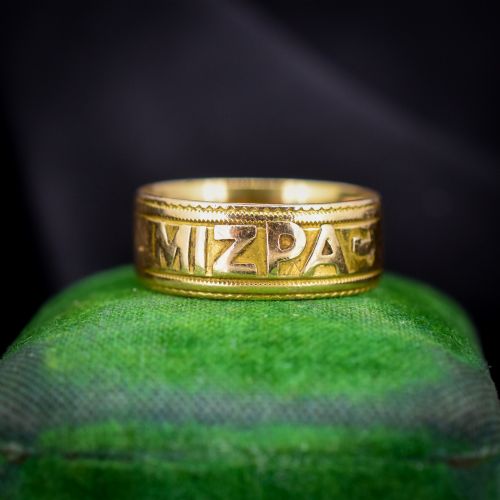
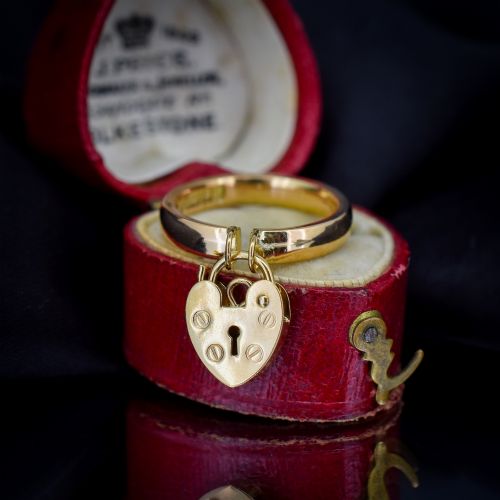
Mizpah band rings carry secret messages of emotional attachment, designed to keep separated lovers connected across the miles.
Defining characteristics of quality
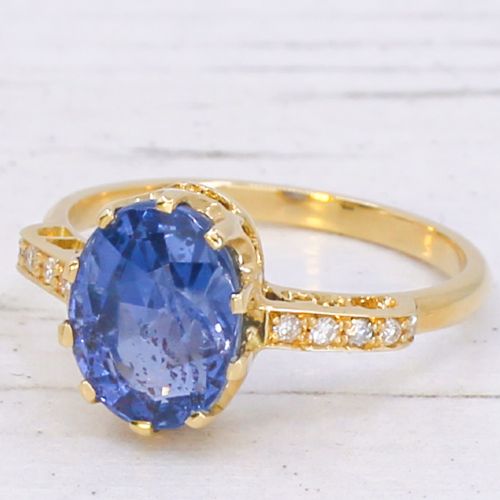
Quality in these rings is determined by the clarity, cut and origin of the central gemstones, alongside the weight and purity of the gold mount. Unheated sapphires and rubies from specific origins command significant attention, as do diamonds with favourable colour and older hand-cut facet arrangements.
The integrity of the metalwork, sharpness of hand-engraving, and overall preservation of original claw or bezel settings distinguish finer examples. Maker marks and clear assay stamps further contribute to the standing of an individual piece.
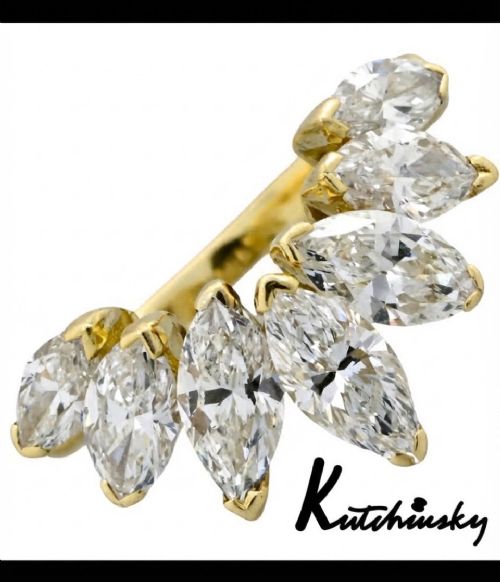
Kutchinsky
The Carat Yellow Gold Ring Glossary
- Old cut
- A diamond cutting style prevalent in antique jewellery featuring a smaller table and larger facets. These stones produce a distinctive soft glow under candlelight.
- Gypsy ring
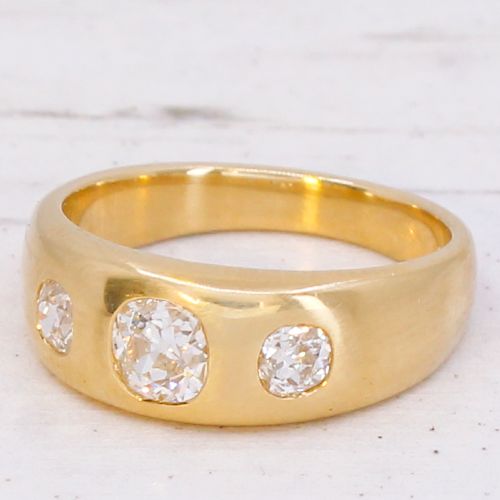
- A ring style where gemstones are flush-set directly into a heavy tapered gold band. This design became popular during the Victorian era for both men and women.
- Trilogy ring
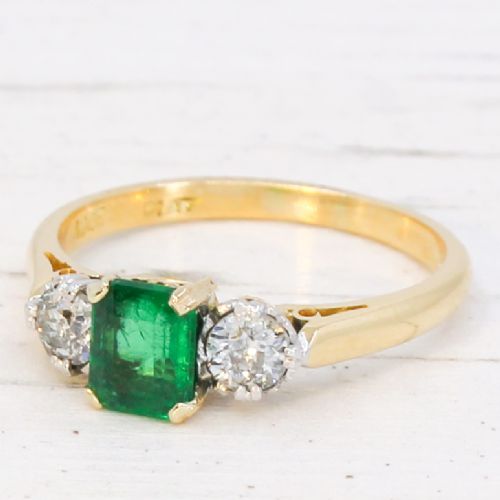
- A ring featuring three main gemstones, often interpreted symbolically to represent the past, present and future. They frequently combine diamonds with coloured stones like rubies or sapphires.
- Assay mark
- A stamp or series of stamps indicating the purity of the precious metal and the testing office. These marks help verify the origin and date of British pieces.
- Cluster ring
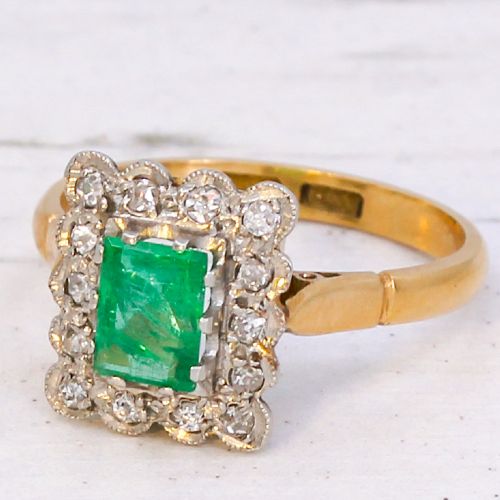
- A jewellery arrangement where a central gemstone is surrounded by a cluster of smaller accent stones. This layout maximises visual impact and sparkle.
Carat Yellow Gold Ring: Frequently Asked Questions
What is an old European cut diamond?
An old European cut is a predecessor to the modern round brilliant diamond, characterised by a smaller table, higher crown and open culet. These stones were shaped by hand during the nineteenth and early twentieth centuries.
Their distinct geometry captures ambient light differently than modern cuts, producing a warm, characteristic charm unique to antique jewellery.
Can I resize an antique ring?
Most gold and platinum bands can be adjusted by a skilled jeweller without compromising structural integrity. Rings featuring intricate continuous patterns or channel-set stones around the entire band present greater challenges.
Consulting a specialist ensures that hallmarks remain intact and settings are not warped during the sizing process.
How do I identify the gold purity?
Gold purity is typically identified through official hallmarks stamped on the inner band, indicating carat weight such as nine carat or eighteen carat. These stamps often include symbols designating the assay office and the year of manufacture.
Unmarked pieces may require professional testing by a jeweller to determine the precise alloy composition.