

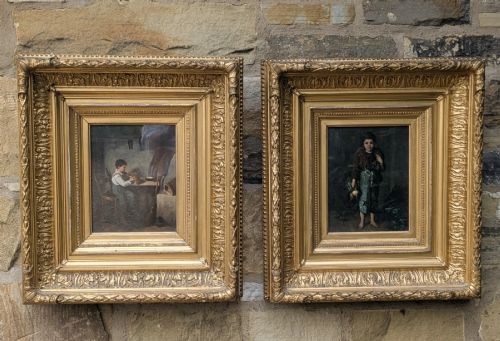
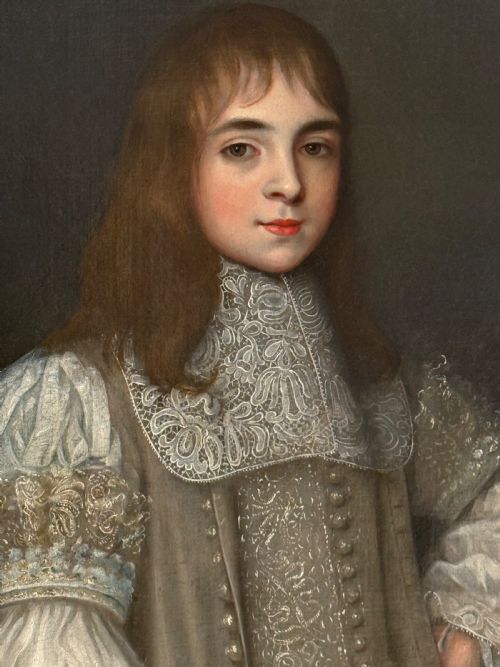
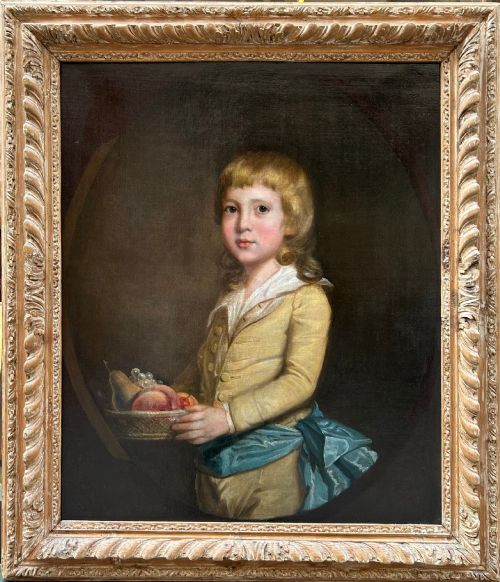
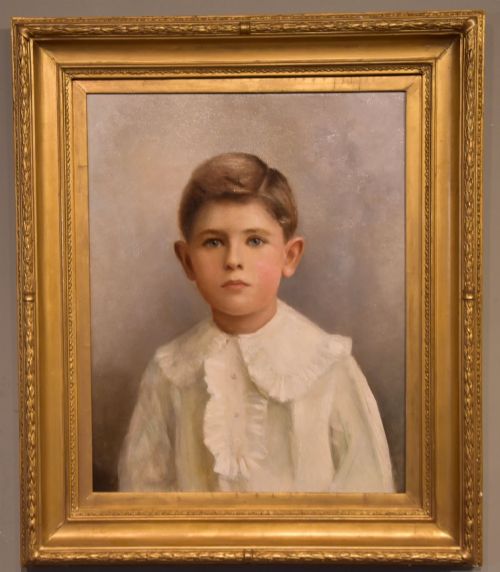


Canvas Oil Portrait Boy
A canvas oil portrait boy captures youthful character across centuries of fine art painting.
Canvas Oil Portrait Boy
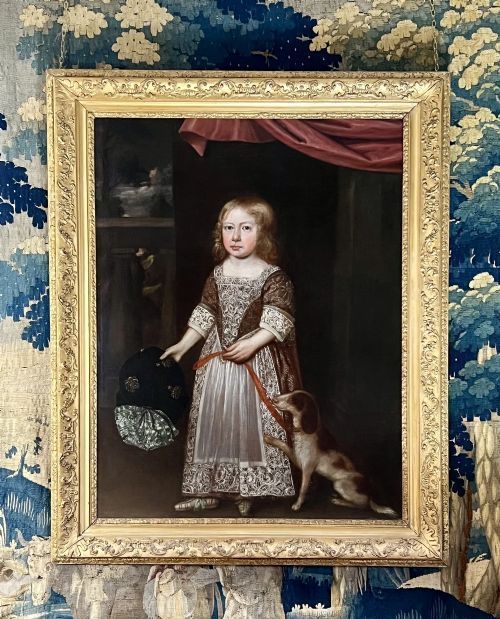
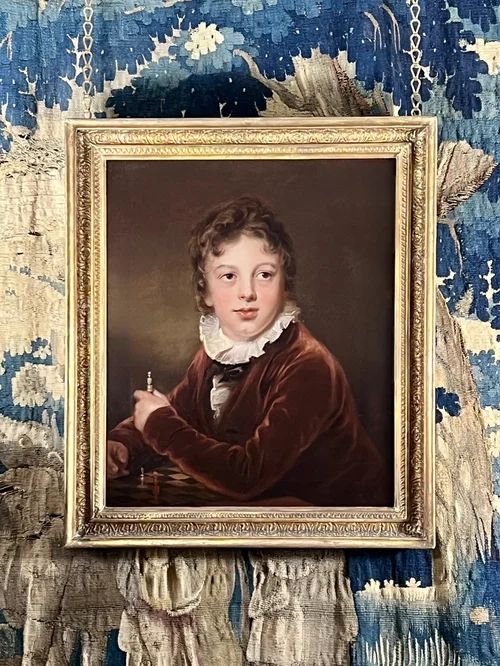
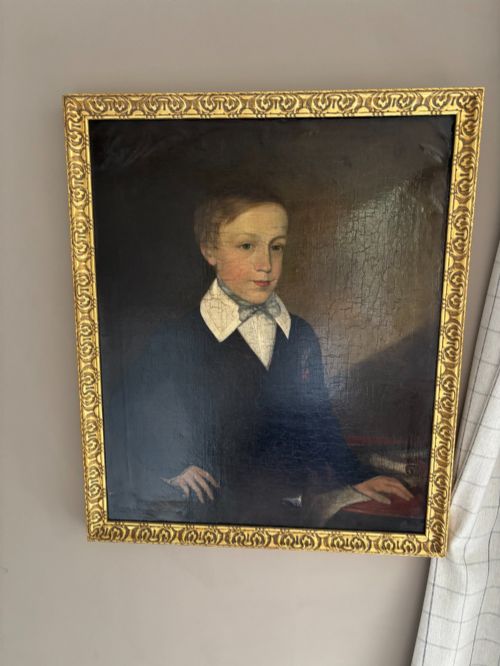
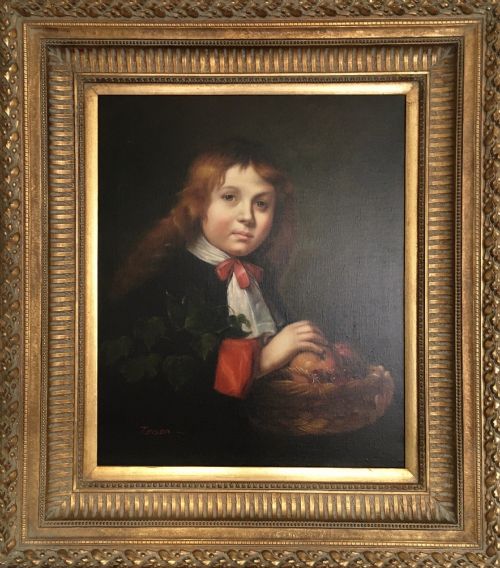
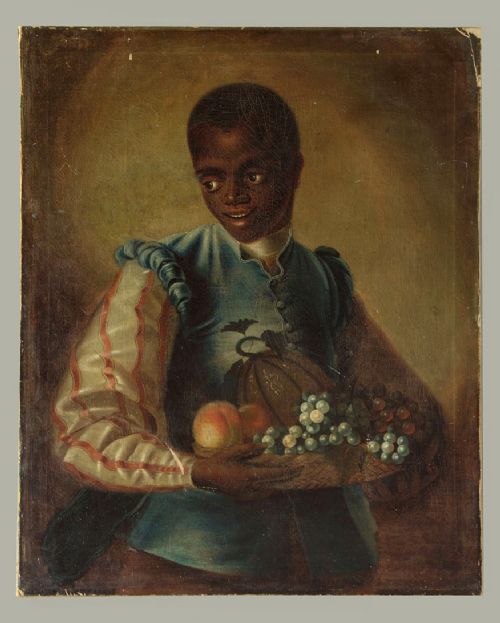
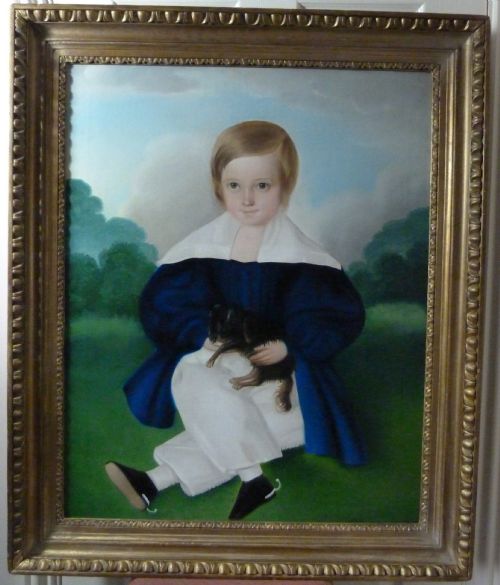
A canvas oil portrait boy represents a painted likeness of a young male subject executed in oil media on stretched fabric supports. These works span multiple centuries, appearing in Georgian, Regency, Victorian, and Edwardian periods.
The subjects frequently appear alongside animals, toys, or personal items such as dogs, birds, fruit, and books. Examples range from formal aristocratic commissions by named artists to naive or provincial school depictions.
Buyers encounter compositions varying from intimate bust-length studies to elaborate full-length interior scenes. The physical formats encompass original oil paintings, fine art wall art, and framed canvases.
How they were made
Artists built these works using oil paint applied to woven canvas stretched over wooden frames, often housing them within carved giltwood or gilded wood surrounds.
The technique relies on pigment suspended in drying oils layered to achieve depth, skin tones, and fabric textures, ranging from fine academic brushwork to naive provincial application.
Canvas Oil Portrait Boy Retail Price Guide 2026
Typical asking prices for canvas oil portrait boy among the pieces listed under this phrase on Sellingantiques today, from the lower quarter to the upper quarter. They describe what is for sale here now, not the wider market.
Listings feature works executed in oil on canvas across the seventeenth, eighteenth, nineteenth, and twentieth centuries.
What varies in quality
The standard of execution depends on the artist's ability to render facial expression, anatomical proportion, and lifelike posture within the subject.
Condition of the painted surface and original canvas support significantly influences the integrity of the piece over time.
Margaret Sarah Carpenter·John Michael Wright·Thomas Beach·Henry Windsor Fry·Septimus Scott·Evaristo Cappelli·Luca Postiglione·Mary Beale·Paul Jones·William Tate·Joseph Wright of Derby·Jacob Huysmans·Philip Mercier·Frank Owen Salisbury·George Romney·Sir Thomas Lawrence·Robert Byng·Henry Scott·Edward Bird·William Orpen·Sir James Guthrie·John Russell·John Vanderbank·Sir Peter Lely·Charles Goldsborough Anderson
The Canvas Oil Portrait Boy Glossary
- Canvas
- A heavy woven fabric used as a surface for oil painting. It is typically stretched tightly over a wooden frame before pigment is applied.
- Oil paint
- A slow-drying medium made by combining pigments with drying oils such as linseed. This material allows artists to blend tones and build rich textures.
- Giltwood
- Wood that has been decorated with a thin layer of gold leaf or powder. Frames made from this material frequently accompany formal historic portraits.
- Provincial school
- Art produced outside major metropolitan centres by regional practitioners. These works often display a charmingly naive or direct approach to portraiture.
Canvas Oil Portrait Boy: Frequently Asked Questions
What periods do these portraits cover?
The available selection spans from the seventeenth century through the Georgian, Regency, and Victorian eras up to mid-twentieth-century examples.
Earlier works often reflect British Baroque or continental schooling, while later pieces demonstrate Impressionist or realist influences.
How were these paintings traditionally displayed?
Historic portraits were typically hung in family parlours, drawing rooms, or galleries as a record of lineage and childhood.
They were almost universally housed in decorative wooden frames, frequently gilded to complement interior lighting.
What subjects accompany the boy in these works?
Many portraits incorporate personal possessions, pets, or educational items that tell us something about the sitter's life.
Common companions include King Charles spaniels, hunting dogs, birds, fruit baskets, books, and toys like spinning tops.
How do I identify a provincial or naive painting?
Provincial and naive works often display a simpler, more direct application of paint with less adherence to strict academic proportions.
These pieces derive their appeal from an honest, unpretentious charm rather than formal academic sophistication.