

Canvas Coastal Landscape Artwork
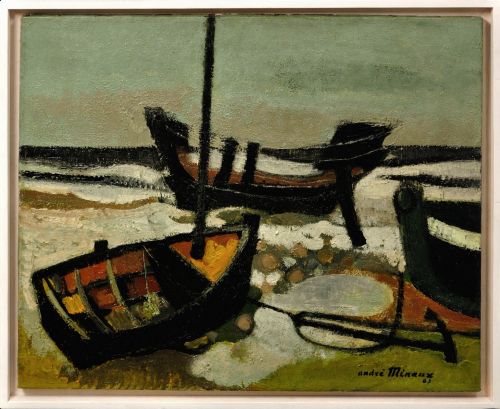
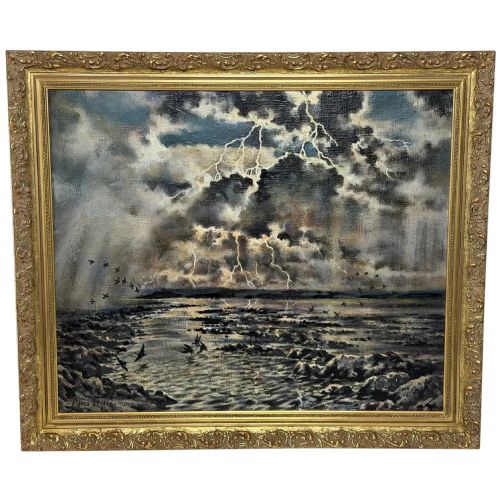
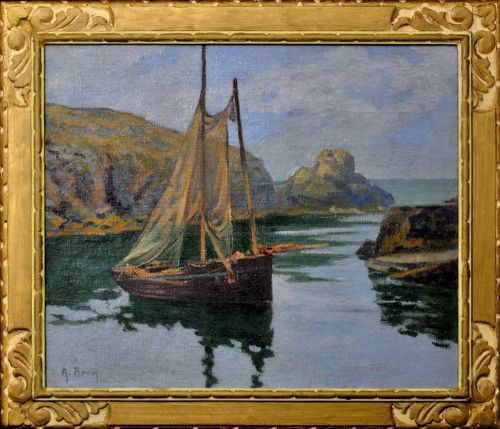
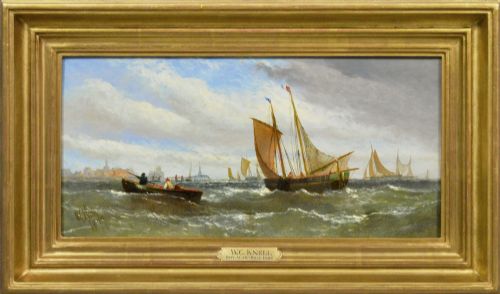
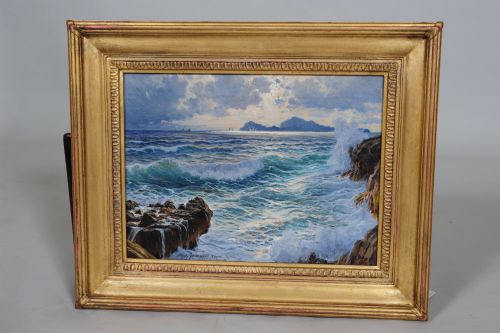
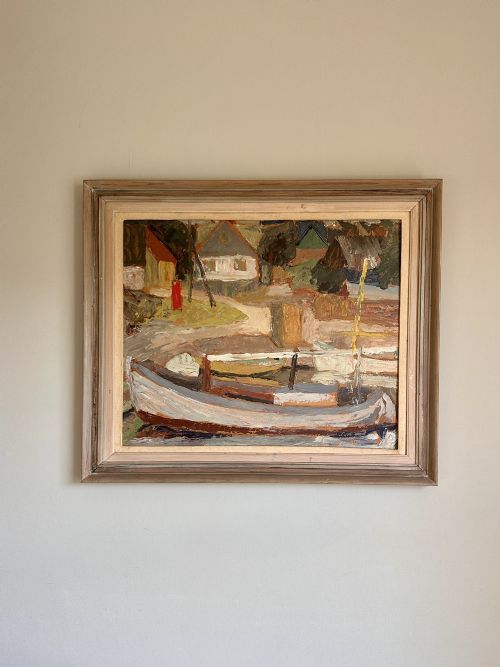
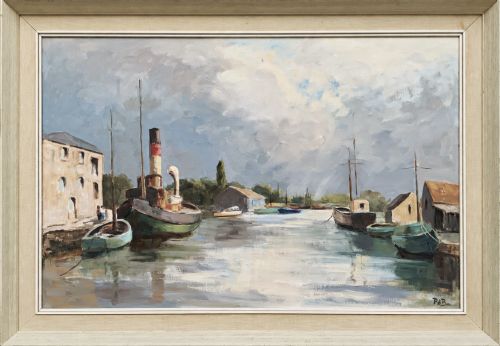
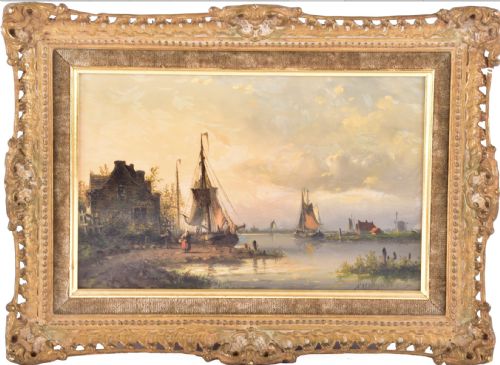
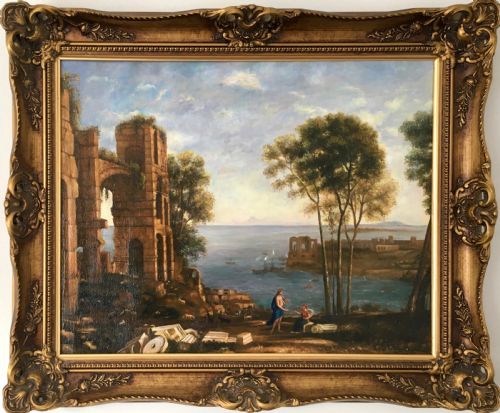
Canvas coastal landscape artwork brings the sea and shore indoors, offering maritime scenes painted across the nineteenth and twentieth centuries.
Canvas Coastal Landscape Artwork
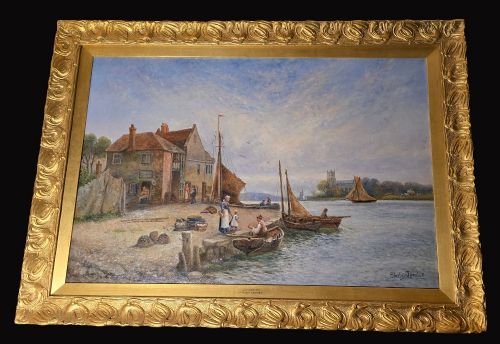
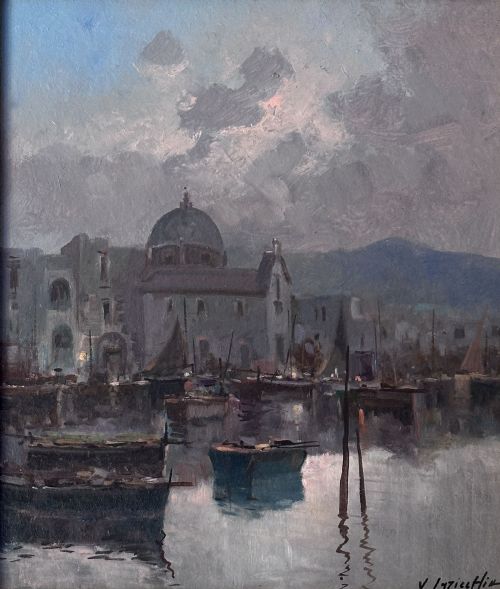
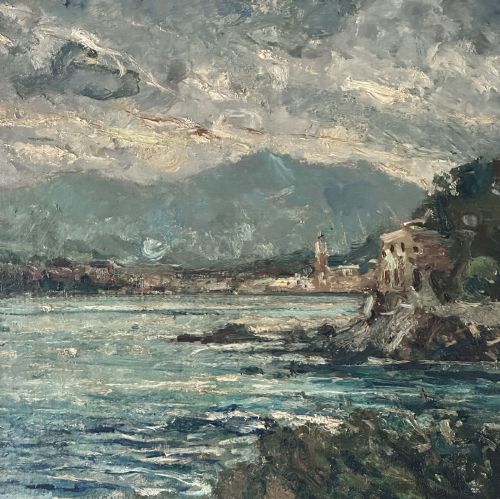
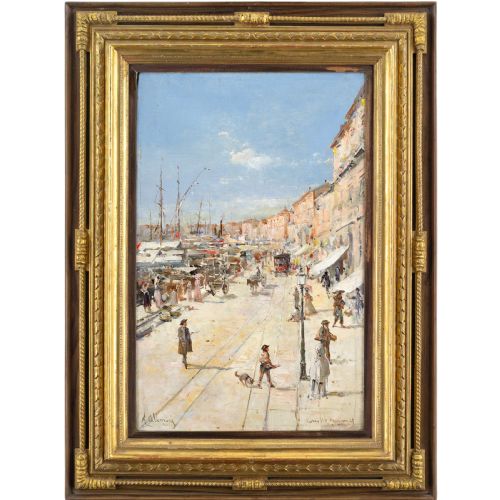
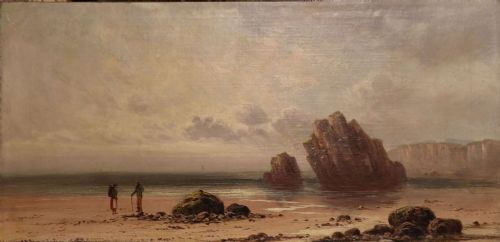
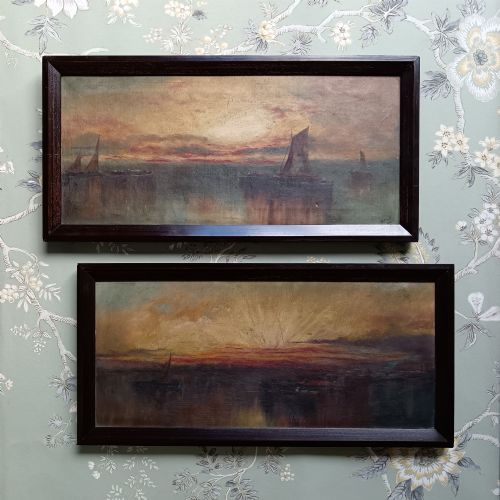
When you search for canvas coastal landscape artwork, you encounter oil paintings depicting harbours, beaches, cliffs and maritime views. The works span multiple decades, originating from Victorian periods through mid-century modern eras.
Most pieces on this page utilise traditional oil paint applied to canvas, capturing British, Italian, French and Dutch coastal settings. Subjects range from quiet rural shorelines and fishing boats to dramatic seascapes and bustling ports.
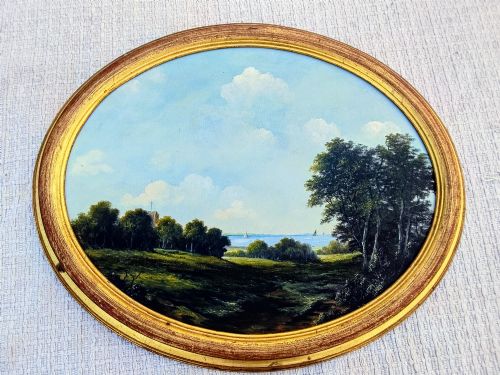
The selection includes oval formats, large-scale Victorian canvases and framed works by listed artists. These paintings preserve historical views of coastal paths, rocky beaches and tidal harbours through distinct regional lenses.
Materials and construction
These works rely primarily on oil paint applied directly to woven canvas supports, occasionally utilising prepared board substrates. Brushwork varies from tight Victorian academic precision to the looser strokes of post-impressionism and mid-century impressionism.
Many surviving pieces retain their period frames, frequently constructed from wood finished with gilt or giltwood. The combination of oil pigments on stretched canvas housed within decorative wooden mouldings defines the physical structure of these works.
Canvas Coastal Landscape Artwork Retail Price Guide 2026
Typical asking prices for canvas coastal landscape artwork among the pieces listed under this phrase on Sellingantiques today, from the lower quarter to the upper quarter. They describe what is for sale here now, not the wider market.
Listings feature works from the eighteenth-century style up through mid-century modernism, executed primarily in oil paint on canvas.
Distinctions in quality
Quality rests in the handling of light, atmospheric perspective and the surety of the brushwork across the canvas. Works by accomplished painters demonstrate precise control over coastal luminosity, water movement and architectural detail in harbour scenes.
Condition of both the oil paint layer and the supporting canvas influences the standing of a piece. Original giltwood frames matching the period of the painting elevate the cohesion and integrity of the overall artwork.
Stanley Leader·Nicolaas Martinus Wijdoogen·Francesco Guardi·Augusto Alberici·Lucy Pratt·Clive Browne·Peter Brannan·Paul Bret·Bernard Benedict Hemy·Thomas Creswick·Donald McIntyre·Cecil Allan Mould·Charles Euphraisie Kuasseg·John Wilson Carmichael·Abraham Cooper·William Henry Williamson·John Holland·Walter Goodin·Raymond Moritz·Joseph Edward Hennah·Erich Mercker
The Canvas Coastal Landscape Artwork Glossary
- Oil paint
- A slow-drying paint made by combining pigments with drying oils such as linseed. This medium allows artists to build rich textures and subtle tonal gradations on canvas.
- Canvas
- A heavy woven fabric used as a surface for painting. Stretched tightly over wooden frames, it provides the foundational support for most historical landscape works.
- Giltwood
- Wood carved and coated with gold leaf or a gold-coloured finish. This material forms the ornate frames frequently surrounding period marine paintings.
- Post-Impressionism
- An art movement extending beyond impressionism to emphasise symbolic content and geometric forms. Artists in this style explore coastal light with heightened individual expression.
- Capriccio
- An architectural fantasy placing together buildings, ruins and other architectural elements in a fictitious combination. In coastal art, this technique reimagines ports and shorelines.
Canvas Coastal Landscape Artwork: Frequently Asked Questions
How do I date a coastal oil painting?
Dating relies on stylistic evidence, artist signatures, framing materials and the preparation of the canvas support. Victorian works display different handling compared to mid-century impressionist pieces.
Examining the stretcher bars, nails and canvas weave provides further clues to the period of creation. Comparative study with documented works by the same artist confirms the timeline.
Where should I hang a marine oil painting?
Hang these works away from direct sunlight and excessive humidity to protect the oil paint and canvas from degradation. Stable indoor environments preserve both the pigment and the wooden stretcher frames.
Position paintings at eye level where adequate ambient light illuminates the brushwork and coastal detail. Ensure wall fixings securely support the weight of framed canvas pieces.
How do I clean an antique canvas painting?
Dust accumulated on the surface of the canvas should be removed gently using a soft, dry brush without applying pressure. Avoid using water, household cleaners or solvents on the paint layer.
Professional conservators should handle deeper cleaning, varnish removal or canvas repairs. Attempting home remedies risks permanent damage to the original oil pigments.
What is the difference between an oil painting and a print?
An oil painting consists of physical brushstrokes and layered pigments applied by hand directly onto canvas or board. Each stroke possesses unique texture and depth unique to the artist's hand.
Prints reproduce existing images mechanically and lack the raised paint texture and material buildup characteristic of original fine art. Close inspection under magnification reveals the pigment peaks of oil paint.