





Camphor Chest Storage
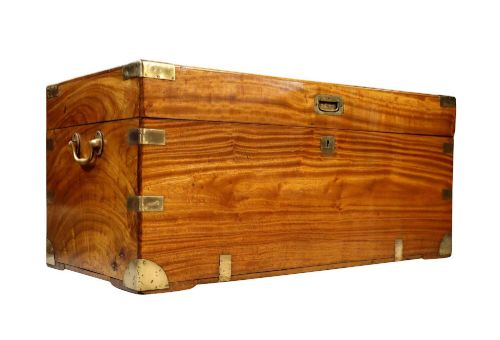
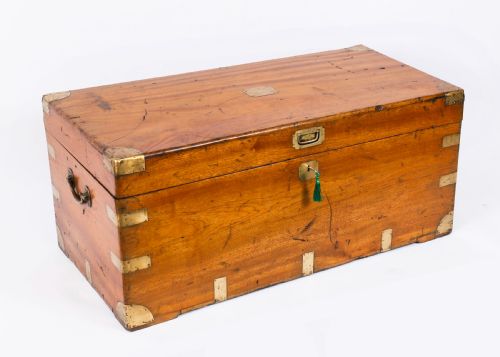
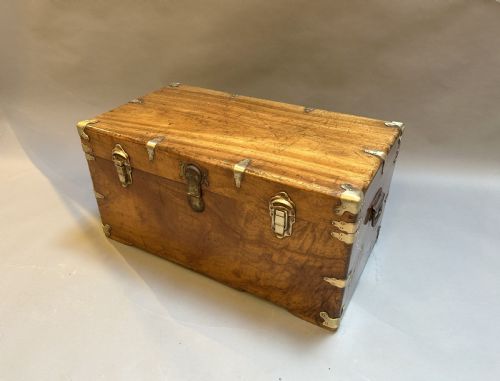
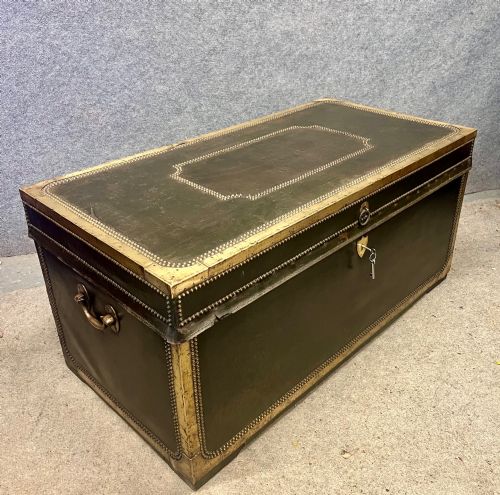
Camphor chest storage pieces provide robust utility through aromatic timber and metal hardware built to travel.
Camphor Chest Storage
When searching for camphor chest storage, buyers encounter utilitarian trunks designed for travel and domestic linen organisation. These pieces span the nineteenth century and early decades of the twentieth century, originating primarily from trade and military contexts.
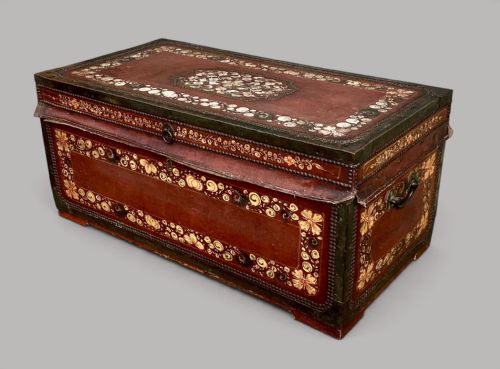
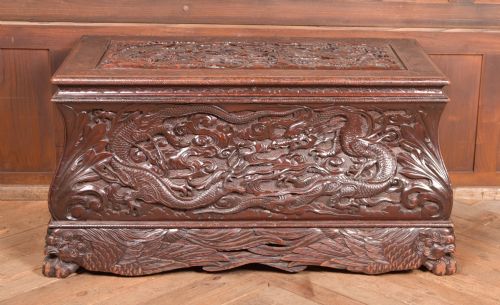
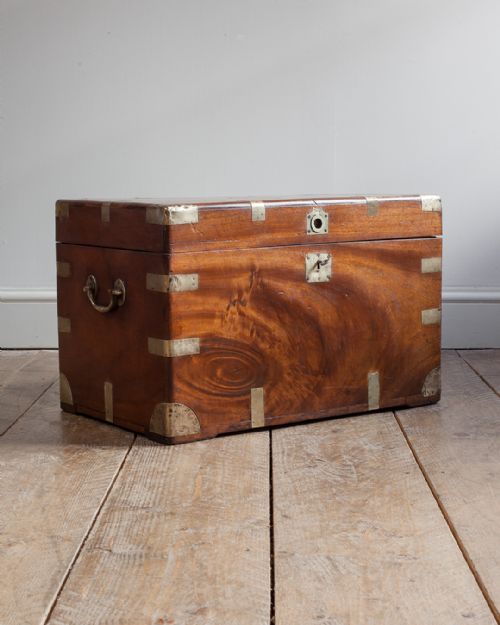
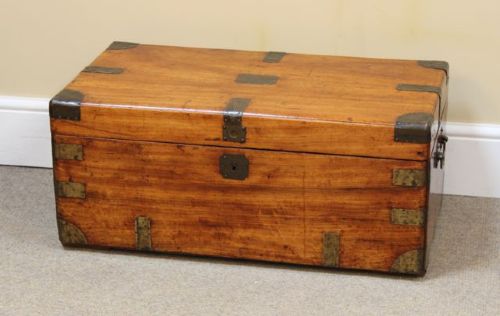
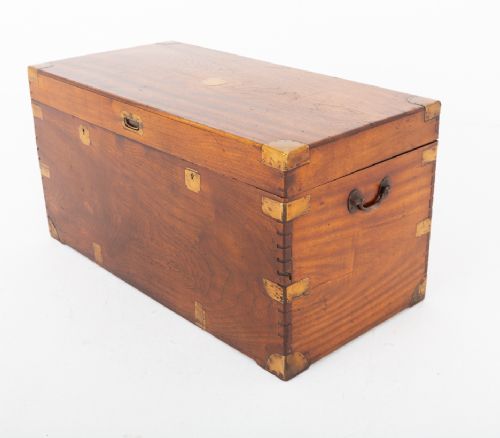
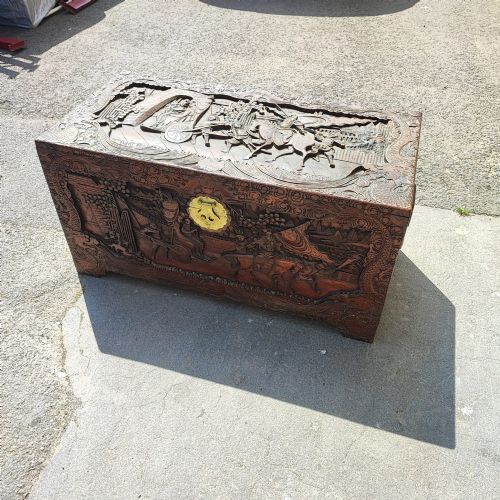
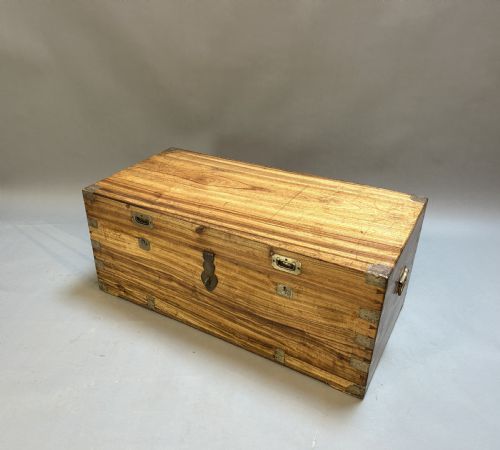
The most common examples on this page are military campaign trunks and Chinese export chests. They take the form of substantial boxes and blanket chests suited to keeping contents secure and fresh.
Makers constructed these items in various proportions, from small caskets to large luggage chests. They served officers on expedition and merchants shipping goods across oceans.
Materials and Construction
Carpenters utilised solid camphor wood for its distinctive aroma and natural insect-repellent properties. This timber is frequently paired with contrasting hardwoods like ebony, then joined with durable corners.
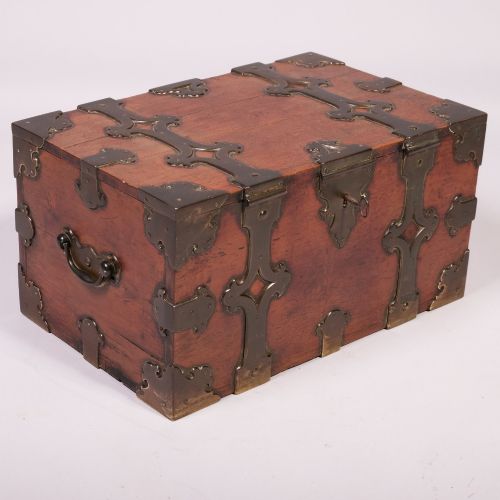
Metal hardware forms a defining characteristic of the construction, employing brass and iron for corner mounts, strapwork and flush drop-handles. Leather and rope occasionally supplement the timber and metal framework for transport.
Camphor Chest Storage Retail Price Guide 2026
Typical asking prices for camphor chest storage among the pieces listed under this phrase on Sellingantiques today, from the lower quarter to the upper quarter. They describe what is for sale here now, not the wider market.
The natural aroma inside these antique wooden boxes lingers across the centuries, still guarding linens from moths just as it did at sea.
Judging Quality
Quality rests upon the integrity of the timber and the standard of the metal fittings. Heavy brass binding and original hardware indicate higher grade commissions intended for rigorous service.
Surface finish and carving depth distinguish standard utilitarian boxes from finer export pieces. Intricate oriental carving and well-preserved leather coverings elevate the piece beyond basic storage.
The Camphor Chest Storage Glossary
- Campaign trunk
- A portable chest constructed for military officers or travellers on the move. These items typically feature recessed brass handles and reinforced corners to withstand rough handling.
- China trade
- Commerce conducted between China and Western nations during the eighteenth and nineteenth centuries. Goods produced for this market often combined traditional forms with export decoration.
- Brass bound
- A method of reinforcing wooden chest edges and corners with metal strips and brackets. This technique protected the box from impact during transit.
- Blanket box
- A large interior storage container designed for household textiles. The natural scent of the wood helped preserve woollens from pests.
Camphor Chest Storage: Frequently Asked Questions
What is camphor chest storage?
Camphor chest storage comprises antique wooden trunks and boxes fashioned from aromatic timber. They were originally utilised for military expeditions and maritime travel.
Today, these chests serve as practical domestic furniture for storing blankets and household items while introducing period character to a room.
How do I identify a campaign trunk?
Campaign trunks are identified by their sturdy construction and protective metal hardware. Look for flush-fitting brass handles and reinforced corners designed for portability.
Many examples also incorporate side carrying handles and rugged latch mechanisms built for frequent journeys.
Why use camphor wood for storage?
Camphor wood emits a strong, natural fragrance that acts as a deterrent against moths and insects. This property made the timber ideal for protecting woollen blankets and garments.
The dense grain also provides durable physical protection for contents during long voyages.
Where were these chests made?
These trunks originated across various global trade routes, with many coming from China as export goods. Others were produced in British colonial centres such as Ceylon.
Military items were frequently commissioned or adapted for officers stationed abroad throughout the nineteenth century.