


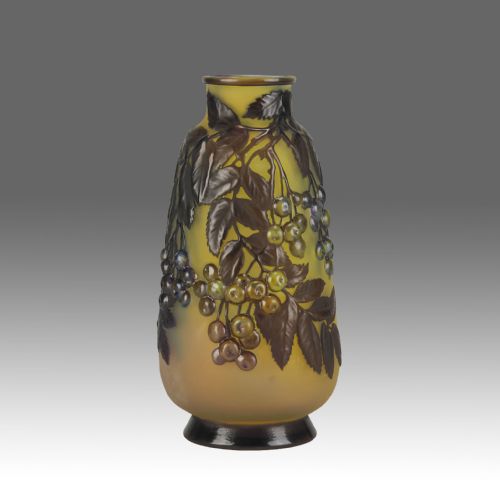

Cameo Glass Art Vase
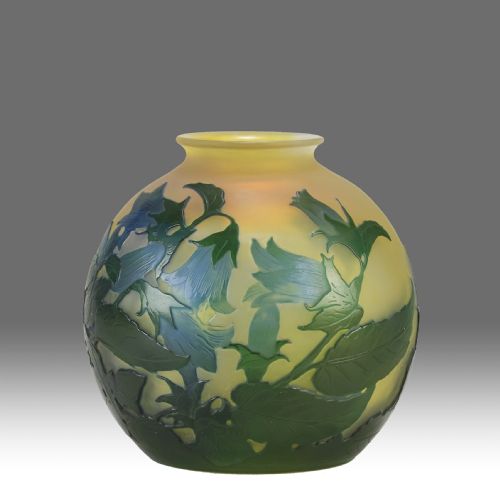
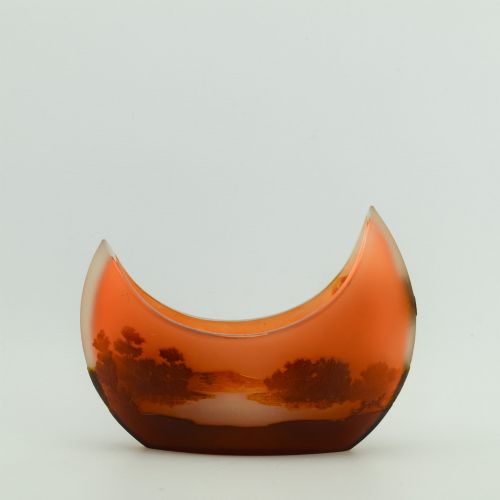
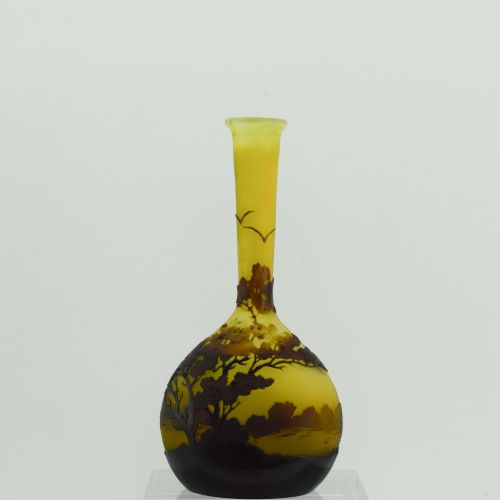
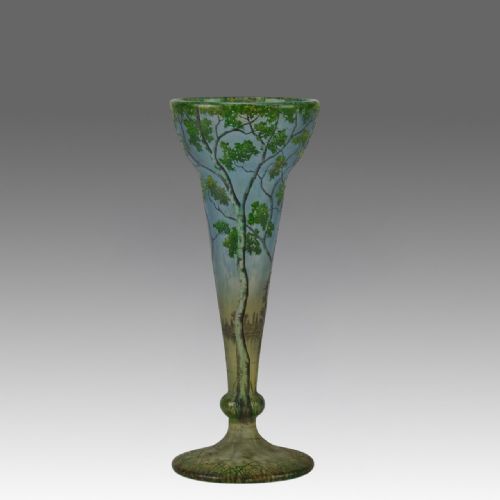
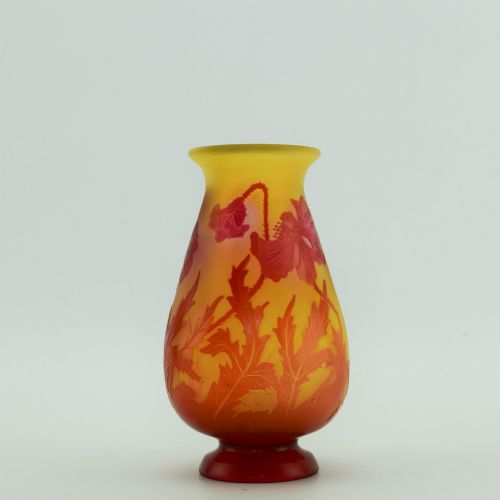
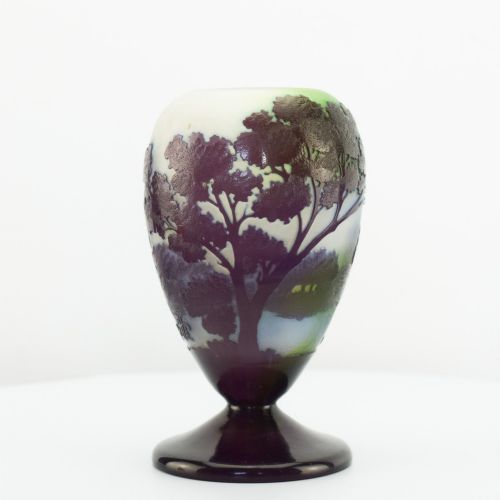
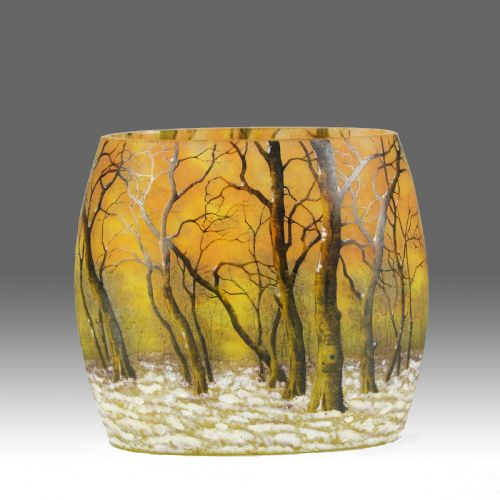
A cameo glass art vase brings layered colour and carved botanical or landscape scenes into a room through the mastery of glassmakers.
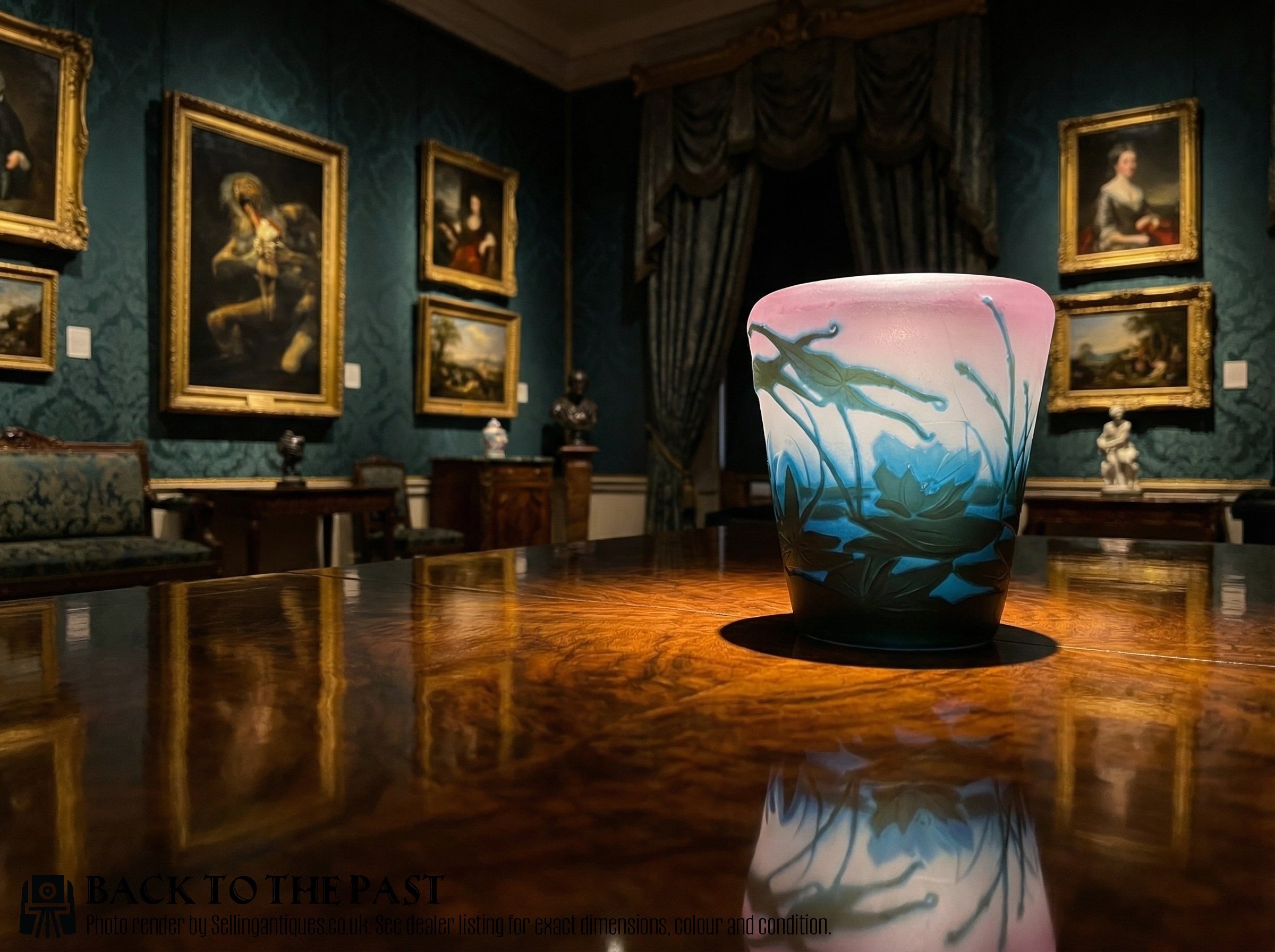
Cameo Glass Art Vase
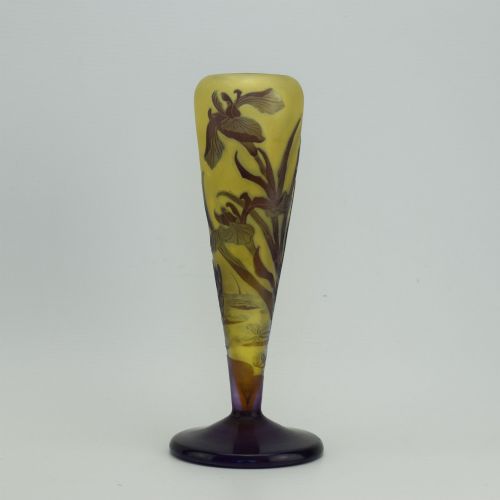
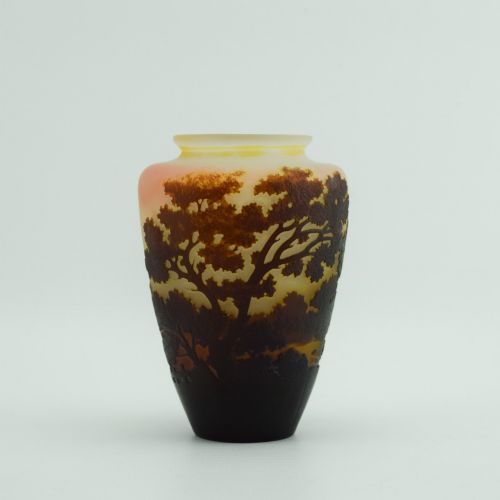
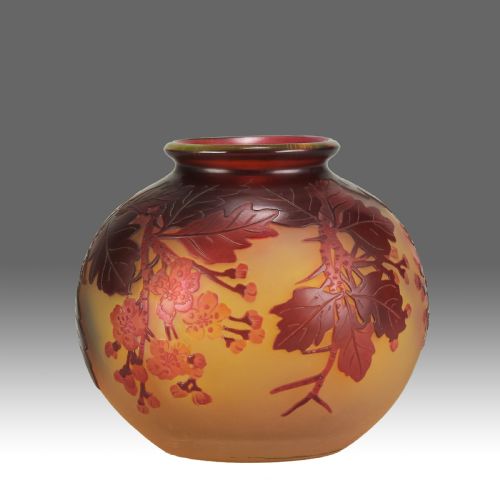
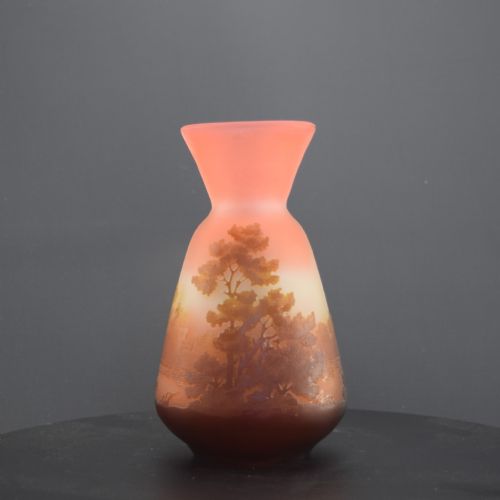
The forms range from large oviform and banjo vessels to miniature shapes, carrying motifs of floral specimens, aquatic plants, and winter landscapes. Most pieces originate from French makers working around the turn of the twentieth century and into the 1920s.
How they were made
Glassmakers created these vessels using blown glass or frosted glass blanks, overlaid with contrasting layers of coloured glass. Artisans then utilised acid-etching techniques and manual carving to cut through the outer strata and reveal the design against the background.
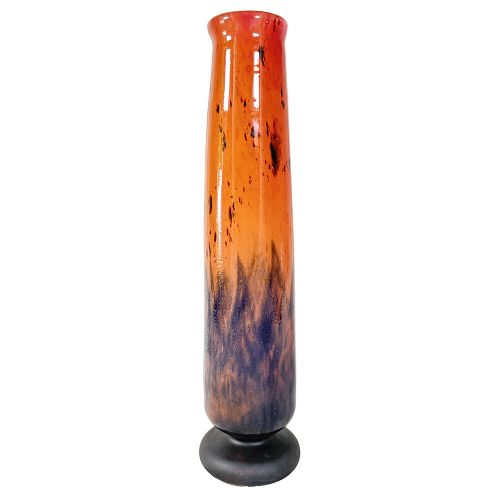
Additional decorative effects include enamel, gold leaf, and souffle or blow-out methods that forced the hot glass into moulds to expand the dimensional form. The interaction between transparent and opaque layers produced the signature depth of the cameo technique.
Listings feature periods from 1890 through the 1930s, spanning both Art Nouveau and Art Deco styles in blown and cameo glass.
What varies in quality
Quality rests in the depth of the carving, the precision of the acid work, and the complexity of the multi-layered colour palette. Pieces with crisp separation between the design and the ground demonstrate greater technical control by the maker.
The artistic ambition of the subject also defines the tier of the piece, moving from standard floral repeats to detailed landscapes with nuanced shading. Signatures and attribution to prominent workshops add further distinction to the execution.
Emile Gallé·Daum Frères·Thomas Webb and Sons·Le Verre Francais·Paul Nicholas·Devez
The Cameo Glass Art Vase Glossary
- Acid-Etched Glass
- Glass treated with acid to eat away exposed surfaces and create relief patterns. This method allowed makers to achieve intricate multi-layered designs without hand-carving every detail.
- Blown Glass
- Glass shaped by inflating molten metal through a blowpipe into a hollow form. It served as the foundational vessel before the application of overlay layers.
- Souffle
- A technique where glass was blown into a metal cage or mould to create a textured, swollen relief. This method produced distinctive dimensional effects known as blow-out pieces.
- Frosted Glass
- Glass given a matte, non-reflective surface texture through acid treatment or sandblasting. It frequently formed the contrasting background for bright cameo motifs.
Cameo Glass Art Vase: Frequently Asked Questions
How are cameo glass vases cleaned?
Wash the glass gently in lukewarm water using a mild, non-abrasive soap and a soft cloth. Avoid harsh chemicals or submerge pieces with metallic elements like gold leaf for extended periods.
Dry the vessel thoroughly with a lint-free towel to maintain the clarity of the coloured layers and the frosted or polished finish.
Where should I display my vase?
Place the vessel in a secure location away from direct sunlight and heavy foot traffic where vibrations might cause a fall. Natural daylight from the side illuminates the layered colours and carved depth.
Ensure the shelf or cabinet is level and provides adequate space to view the entire landscape or floral motif without obstruction.
How do I identify Art Nouveau examples?
Look for flowing, asymmetrical lines and naturalistic subjects such as irises, poppies, water lilies, and winding stems. The colour palettes often feature organic tones like peach, brown, orange, and delicate green.
Many of these pieces bear signatures integrated directly into the design of the cameo layers rather than added as an afterthought.
What is the difference between acid-etched and carved pieces?
Acid-etched pieces relied on chemical baths to eat away the outer layers of glass in stages, creating controlled depths and uniform textures. Hand-carved details involved mechanical tools to refine the contours and undercut the relief.
Many workshops combined both techniques, using acid for the initial bulk removal and hand tools for the fine finishing touches.