
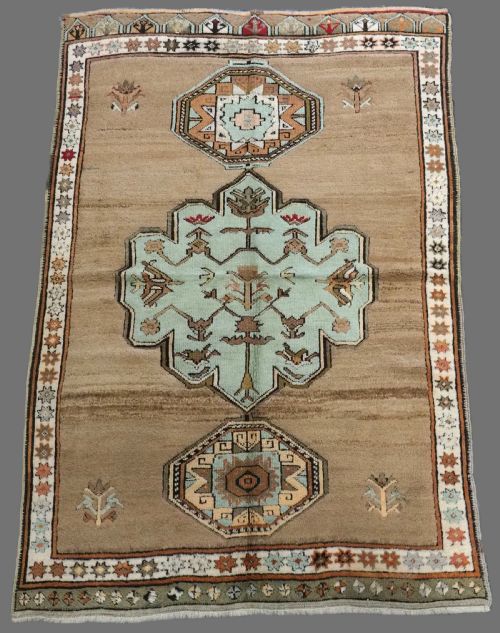
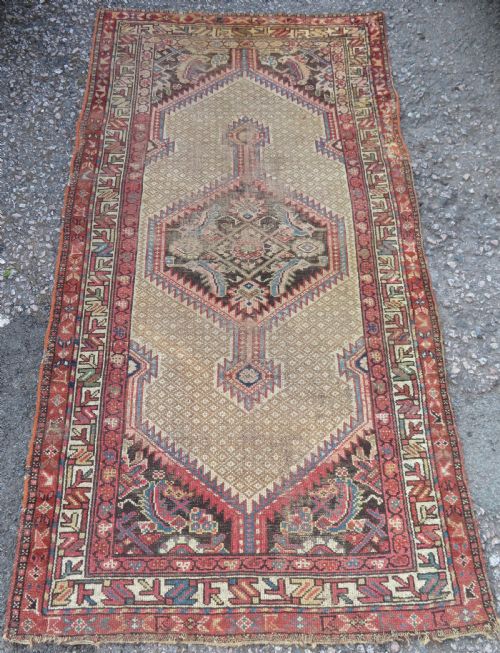
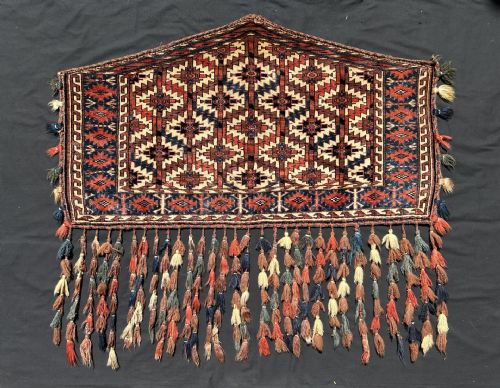
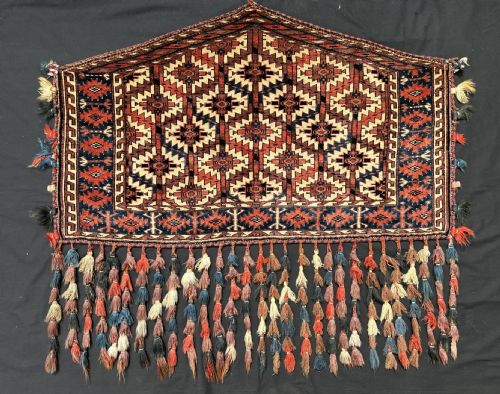


Camel Wool Rug
These camel wool rug examples deliver genuine nomadic character to a room through authentic tribal weaving.
Camel Wool Rug
A camel wool rug brings together genuine nomadic and village traditions from Persia, Anatolia, and Afghanistan. When you search for this phrase, you encounter authentic pieces originating from regional groups such as the Baluch, Bakshaish, Khorasan, and Taimani Sistan. These floor coverings bridge centuries of traditional weaving, spanning from the late nineteenth century through the early twentieth century.
The most common versions met on this page include tribal prayer rugs, village runners, and smaller floor rugs featuring traditional formats. Common motifs involve camel grounds, tree of life designs, and mixed technique panels worked in soft or rustic colour palettes. Each piece reflects the specific regional heritage and practical requirements of the makers who knotted them.
Materials and construction methods
These textiles rely on natural fibres, combining wool and cotton foundations with genuine camel wool and camel hair. Weavers utilised these animal coats for their natural durability and distinctive warm tones, often deploying them across the main field or ground of the weave. Cotton typically forms the sturdy warp and weft threads that support the heavier pile.
Makers employed traditional knotting and mixed technique weaving to produce dense, resilient surfaces suited to daily use. The handling of camel wool required specific preparation, exploiting the inherent strength of the fibres to create long-lasting tribal floor coverings.
Camel Wool Rug Retail Price Guide 2026
Typical asking prices for camel wool rug among the pieces listed under this phrase on Sellingantiques today, from the lower quarter to the upper quarter. They describe what is for sale here now, not the wider market.
Certain prayer rugs carry the quiet evidence of sandy desert winds still trapped deep within the coarse pile.
What separates exceptional examples
The distinction between standard village production and superior weaving lies in the handling of the camel wool field and the clarity of the design. Finer pieces demonstrate careful selection of hair grades, resulting in a softer handle and more nuanced natural coloration across the surface. The integrity of the foundational weave and the precision of tribal motifs further separate robust examples from simpler ones.
Design execution and structural balance dictate the upper tier of these textiles. Pieces that retain their original borders, balanced proportions, and clear compositional elements such as tree of life patterns represent the more accomplished side of tribal output.
The Camel Wool Rug Glossary
- Camel wool
- Fibre gathered from camels, utilised by tribal weavers to impart natural warmth, durability, and undyed heathered tones to the rug pile.
- Prayer rug
- A small format textile featuring a mihrab or niche design, traditionally used for personal devotion in Islamic cultures.
- Runner
- An elongated, narrow carpet format designed specifically for corridors, hallways, and narrow spaces.
- Tree of life
- A symbolic motif representing eternal life and spiritual growth, frequently encountered in Persian and tribal compositions.
- Warp
- The stationary vertical foundation threads stretched tightly on the loom, onto which the knots are tied.
Camel Wool Rug: Frequently Asked Questions
How do I identify a genuine camel wool rug?
Examine the field for natural undyed hair tones that range from soft gold to deep fawn, combined with traditional tribal motifs like the tree of life.
Check the reverse for hand-knotted construction using wool and cotton foundations typical of nineteenth and early twentieth-century village production.
How should I care for an antique runner?
Protect the wool fibres by vacuuming gently without a rotating brush roll, and use a quality underlay to prevent slippage and wear.
Keep the textile out of direct sunlight to preserve the soft natural colours of the camel fleece.
What periods do these textiles cover?
The listings span from the late nineteenth century around eighteen seventy up to the early decades of the twentieth century.
Most examples date from transitional periods around nineteen hundred and nineteen twenty.