



Calico Wingback Chair
A calico wingback chair offers timeless comfort and structural elegance, making it an essential seating choice for traditional and modern interiors alike.
Calico Wingback Chair
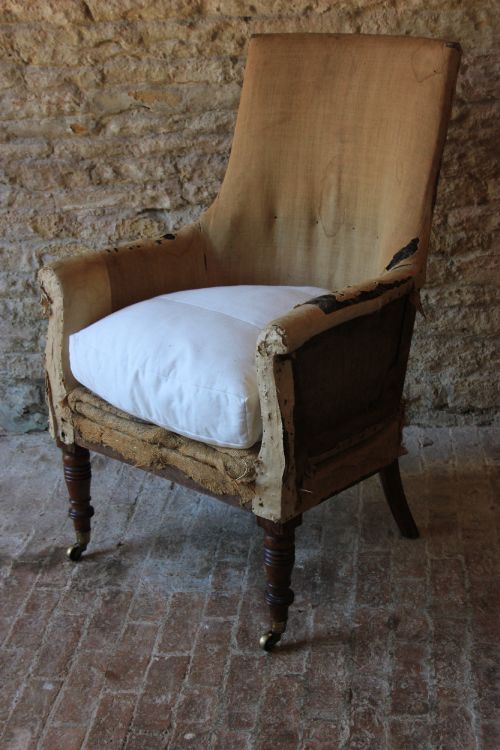
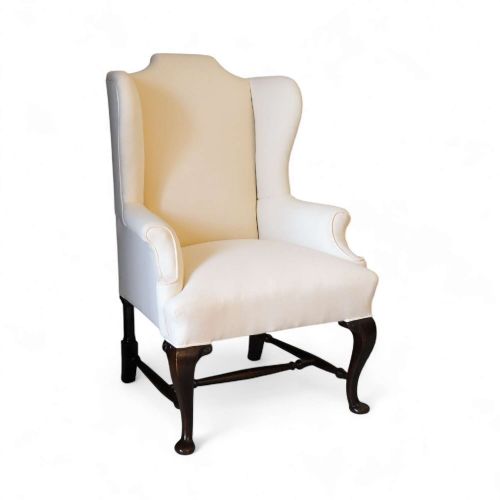
A calico wingback chair is an upholstered armchair designed with protective side wings that shield the sitter from draughts and trap heat from a fireplace. When searching this phrase, buyers encounter substantial seating forms originating from the eighteenth and nineteenth centuries.
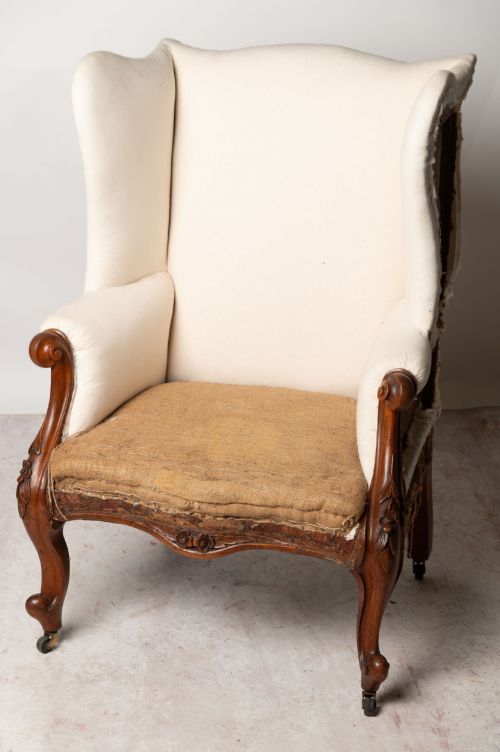
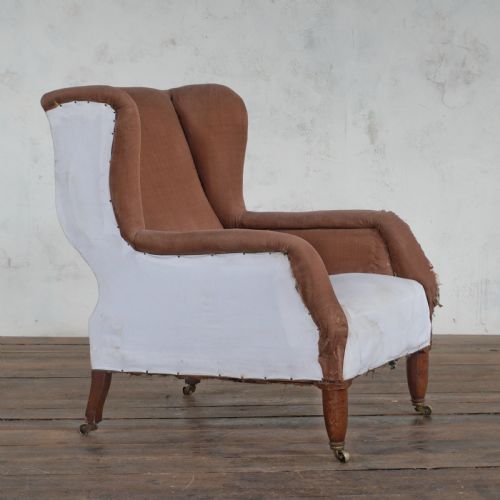
The examples gathered here span significant historical periods including the Georgian and Regency eras, alongside later revival pieces. Most listings present these armchairs staged in plain calico, providing a neutral foundation for final upholstery.
Makers constructed these substantial armchairs using robust timbers such as mahogany, oak, and walnut to form the structural frames. The resulting silhouettes range from early Georgian proportions to elaborate Victorian Rococo Revival and Chippendale Revival interpretations.
Materials and construction methods
Artisans built the foundational frameworks of these armchairs using dense timber species like mahogany, oak, and walnut. These hard timbers provided the necessary structural integrity to support the deep padding and sprung seats required for comfortable seating.
Traditional upholstery techniques involved layering natural stuffing materials secured with webbing and hessian over the wooden frame. The piece is then finished in a plain calico or cotton cover, leaving the final decorative textile choice to the owner.
Available pieces span the eighteenth century through to the Victorian era.
Judging quality in early seating
The distinction between standard examples and superior pieces rests in the integrity of the timber frame and the precision of the joinery. Finer chairs exhibit well-proportioned wings, harmonious scroll arms, and carefully carved mahogany or walnut show-wood elements.
Provenance and attribution elevate certain pieces, particularly when structural details link the seating to notable workshops like Thomas Sopwith. The crispness of carved details on revival styles and the original balance of the proportions dictate the standing of each armchair.
Thomas Sopwith
The Calico Wingback Chair Glossary
- Calico
- A plain-woven unbleached cotton textile used as an initial upholstery cover. It acts as a stable base layer or a temporary finish before decorative fabric is applied.
- Hessian
- A coarse woven fabric, typically made from jute fibres, utilised inside traditional upholstery to support stuffing materials. It provides a durable foundation beneath the calico layer.
- Wingback
- An armchair featuring protective side panels attached to the arms and framing the back. This historic form originally kept sitters warm by blocking cold indoor draughts.
- Show-wood
- The exposed wooden portions of a chair frame, such as the legs and arm terminals, left uncovered by upholstery. High-quality examples feature carved mahogany or walnut.
- Revival
- A nineteenth-century design movement that recreated earlier historical furniture styles, such as Georgian and Chippendale. These pieces emulate historic proportions while employing contemporary manufacturing techniques.
Calico Wingback Chair: Frequently Asked Questions
What is a calico wingback chair?
A calico wingback chair is a traditional upholstered armchair featuring protective side wings, presented in an unbleached cotton cover.
This presentation allows buyers to select their own final decorative upholstery.
How were wingback chairs originally used?
These chairs were placed near hearths to protect sitters from cold draughts in historic homes.
The enclosed sides effectively trapped heat around the person seated.
How do I date an antique wing chair?
Dating relies on examining the timber frame, leg style, and construction techniques used by the maker.
Georgian pieces show different proportions and carving styles compared to later Victorian revivals.
Can I use the chair upholstered in calico?
Calico serves as a durable, neutral fabric that functions perfectly well for everyday seating in neutral interiors.
Many owners eventually cover the calico with a patterned textile of their choice.