

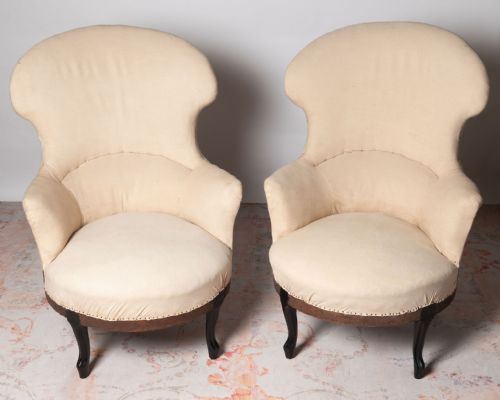
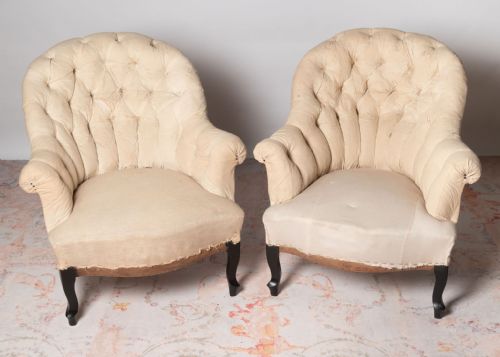
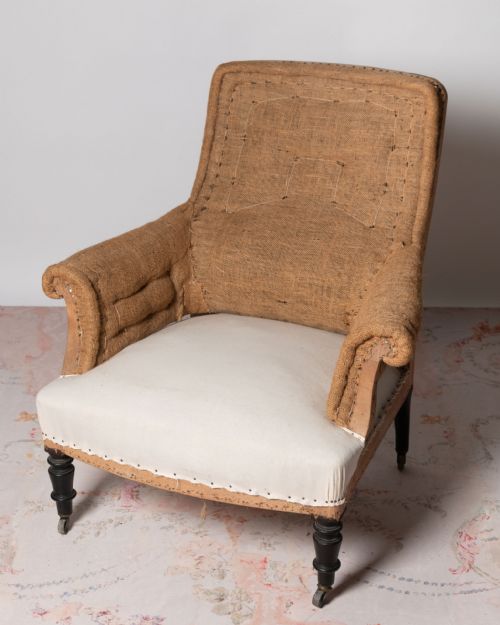
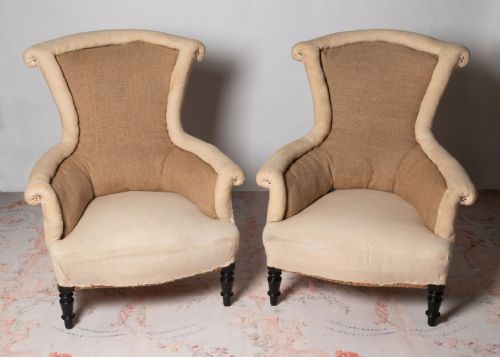
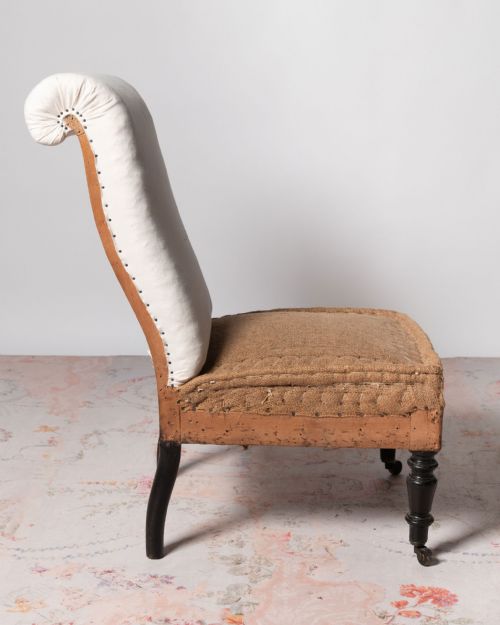
Calico Accent Chair
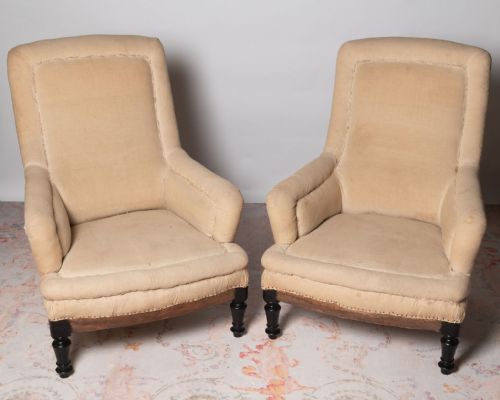
A calico accent chair offers simple elegance and versatility, serving as a blank canvas ready for bespoke upholstery or standing ready in crisp cotton.
Calico Accent Chair
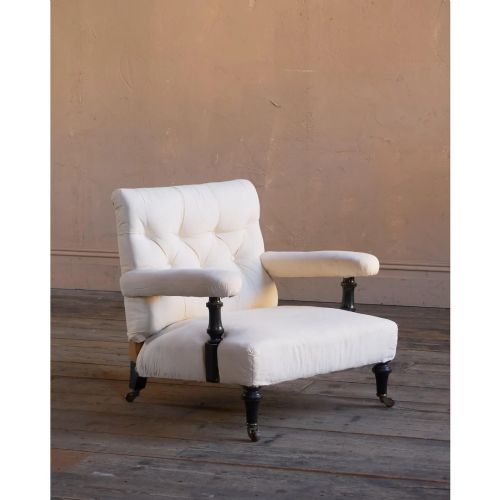
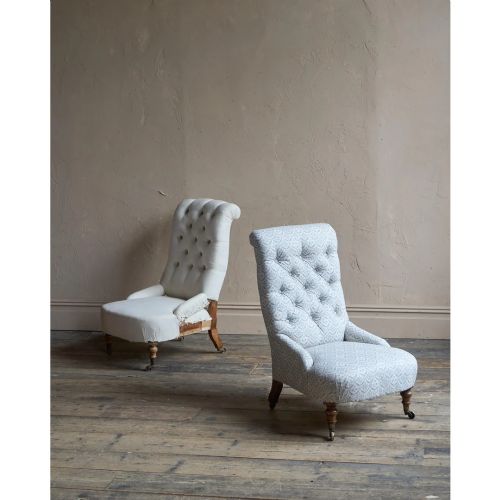
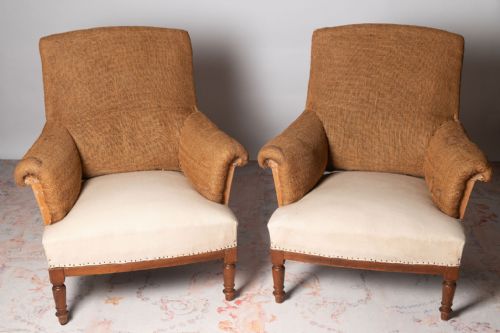
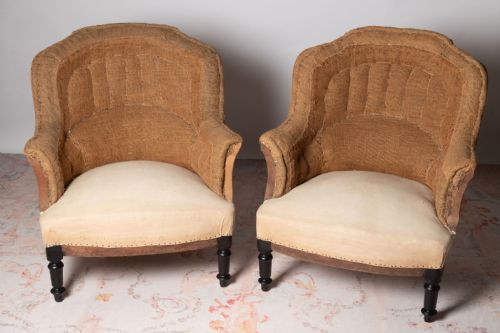
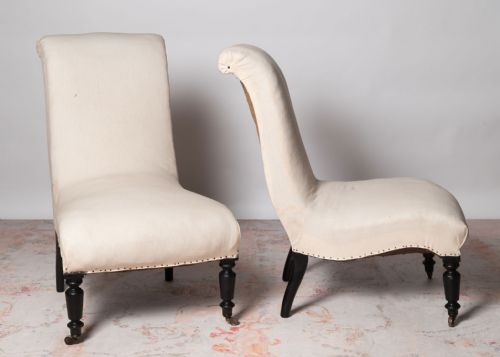
A calico accent chair comprises nineteenth-century armchairs, slipper chairs, and library chairs designed for bedroom, library, or parlour use. These seats frequently arrive newly upholstered in plain calico, presenting a neutral foundation for interior schemes.
Most examples hail from the nineteenth century, encompassing Regency, Victorian, and Napoleon III periods, alongside French country and chateau styles. Buyers encounter low-slung slipper chairs alongside generous English armchairs and open armchairs.
Materials and construction
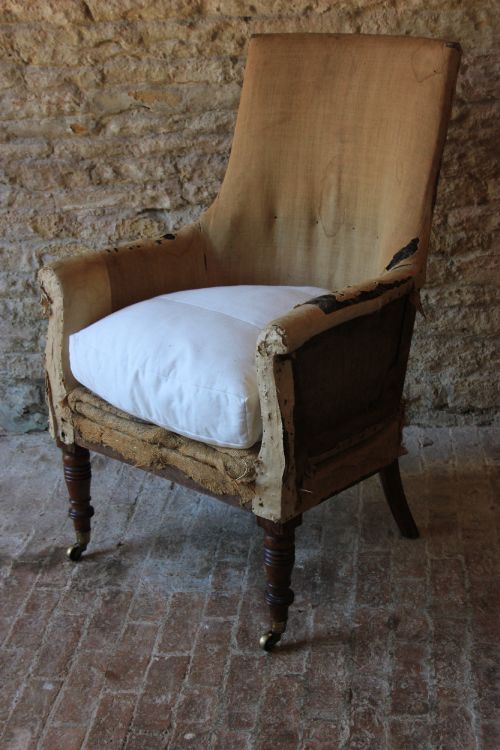
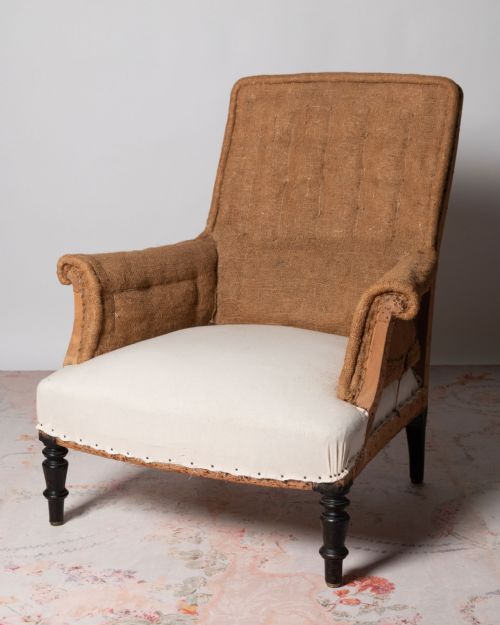
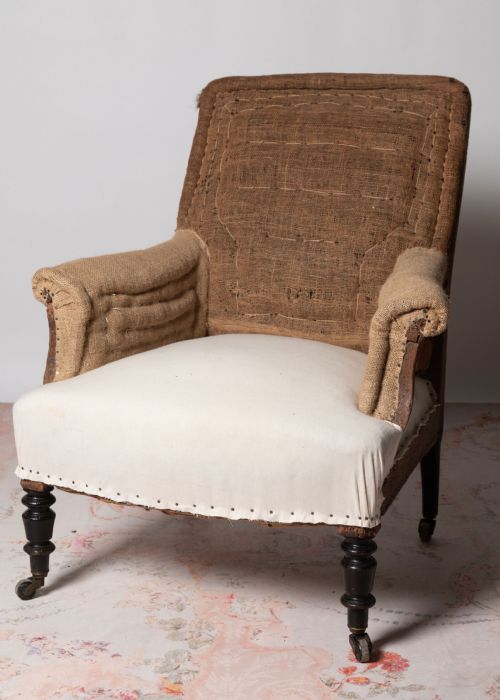
Frames rely on sturdy timbers such as mahogany and beech, providing the structural integrity required for upholstered seating. Woodwork often supports traditional stuffing held in place by hessian webbing.
Outer layers utilise cotton calico and linen as a tight-woven base or finished covering, frequently secured with brass tacks. Brass hardware also appears on castors or decorative mounts, completing the traditional assembly.
Slipper chairs earned their name in the nineteenth century because they were kept in bedrooms for ladies putting on footwear.
Assessing craftsmanship and proportion
Quality rests in the elegance of the wooden frame's silhouette, from curvaceous slipper chair profiles to library chair lines. Finer pieces demonstrate superior joinery and balanced proportions that maintain comfort without bulk.
The integrity of the underlying beech or mahogany structure dictates the longevity of the seat. Higher-tier examples retain crisp carved details or maker attributions, while simpler frames rely purely on their restored upholstery shape.
Mellier and Co·Howard and Sons·Thomas Sopwith of Newcastle
The Calico Accent Chair Glossary
- Calico
- A plain-woven unbleached cotton textile utilised as a durable upholstery cover or foundation layer before final fabric application.
- Slipper chair
- A low-seated bedroom armchair traditionally designed for ladies to sit upon while dressing.
- Hessian
- A coarse woven fabric made from jute fibres, employed historically for internal webbing and stuffing support.
- Napoleon III
- A mid-nineteenth century French design style characterised by eclectic revival influences and curvaceous frames.
- Wingback
- An armchair featuring protective side panels designed to shield the sitter from draughts.
Calico Accent Chair: Frequently Asked Questions
Why buy a chair in plain calico?
A calico finish provides a clean, neutral aesthetic that fits neutral interiors immediately without pattern clashes. It also serves as a sturdy base fabric ready for bespoke top-upholstery.
Leaving the cotton exposed highlights the pure contours of nineteenth-century frames. Buyers can enjoy the minimalist look or commission custom covers later.
Where do slipper chairs work best?
Slipper chairs suit bedrooms and dressing rooms due to their low profile and compact footprints. Their lack of arms allows easy movement in restricted spaces.
These pieces also fit beside fireplaces or reading corners where a full-sized armchair overwhelms the room. Their curvaceous backs add decorative interest to empty wall spaces.
How do I identify a Napoleon III chair?
Napoleon III pieces from the nineteenth century display characteristic French elegance through curvaceous wooden frames and scroll backs. They often appear as slipper chairs or compact armchairs.
Makers of this period focused on comfort and graceful lines rather than heavy ornamentation. Their compact proportions make them versatile accent seating.
What is a Marlborough House armchair?
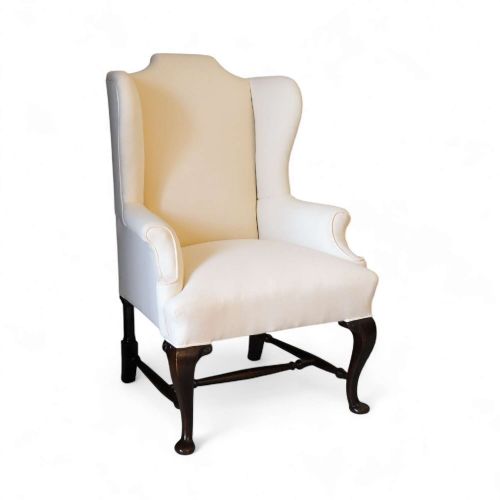
The Marlborough House wing armchair is a substantial nineteenth-century seating form known for deep comfort and generous proportions. These chairs feature supportive wings and robust frames built for libraries or withdrawing rooms.
They stand apart from petite bedroom chairs through their commanding scale and structured padding. Their presence anchors a room's seating arrangement.
How do Regency and Victorian chairs differ?
Regency chairs reflect earlier classical restraint with cleaner lines and restrained mahogany woodwork. Victorian examples often embrace heavier upholstery forms and more ornate woodwork.
Both periods utilise sturdy beech or mahogany frames beneath cotton calico and hessian layers. Examining the leg turnings and frame profiles reveals the stylistic shift.