


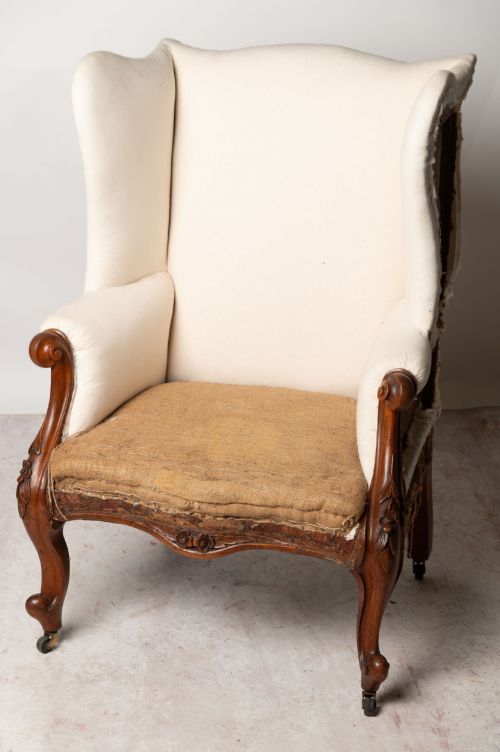
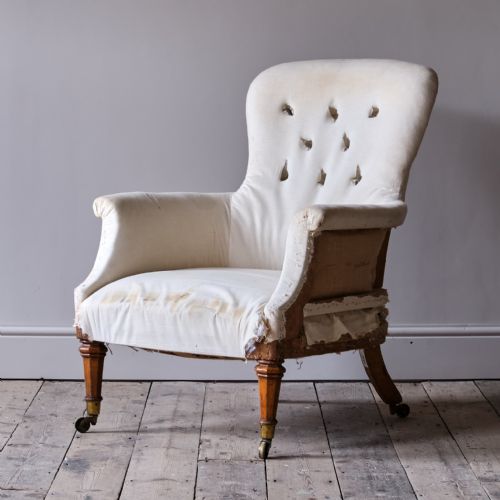
Calico Victorian Armchair
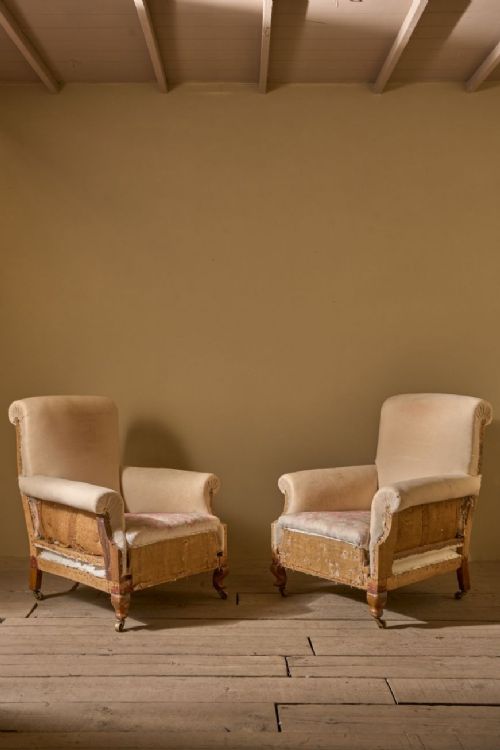
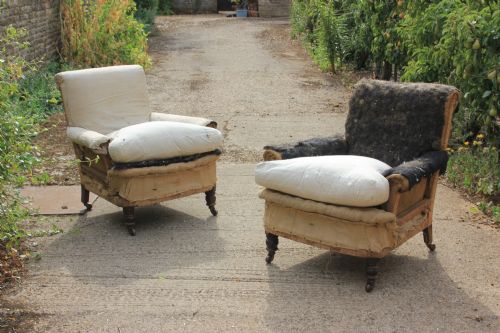
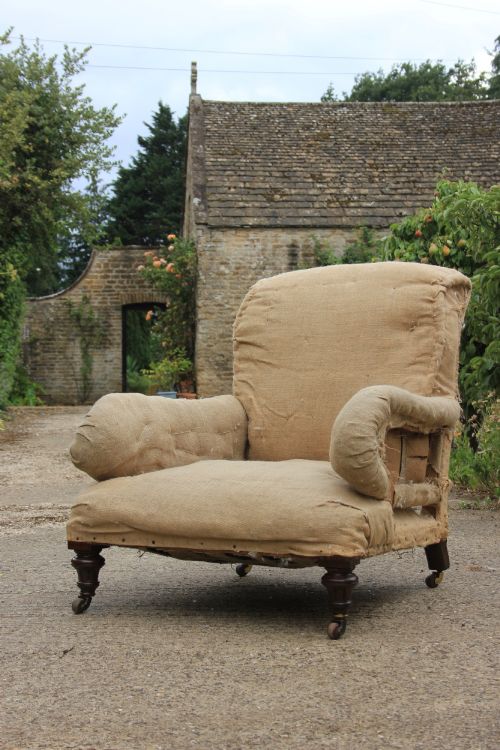
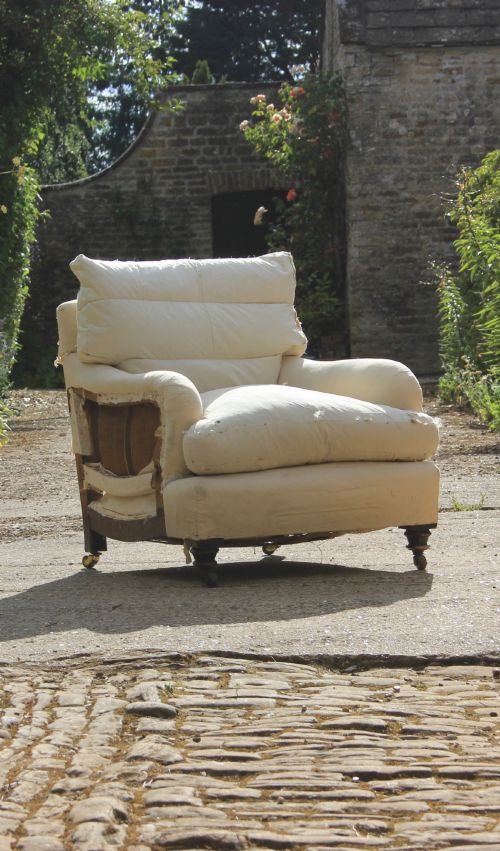
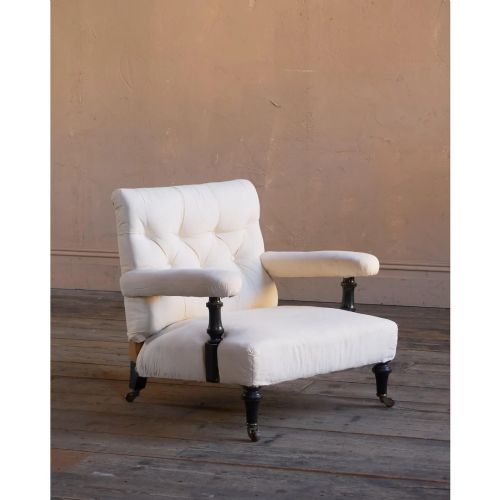
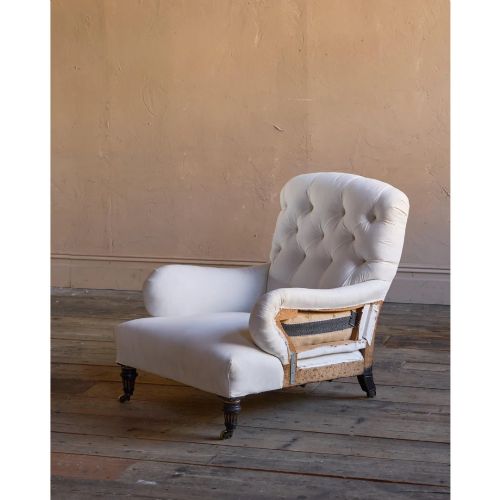
A calico victorian armchair offers foundational comfort stripped back to its bare cotton casing, ready for final upholstery or prized for its structural form.
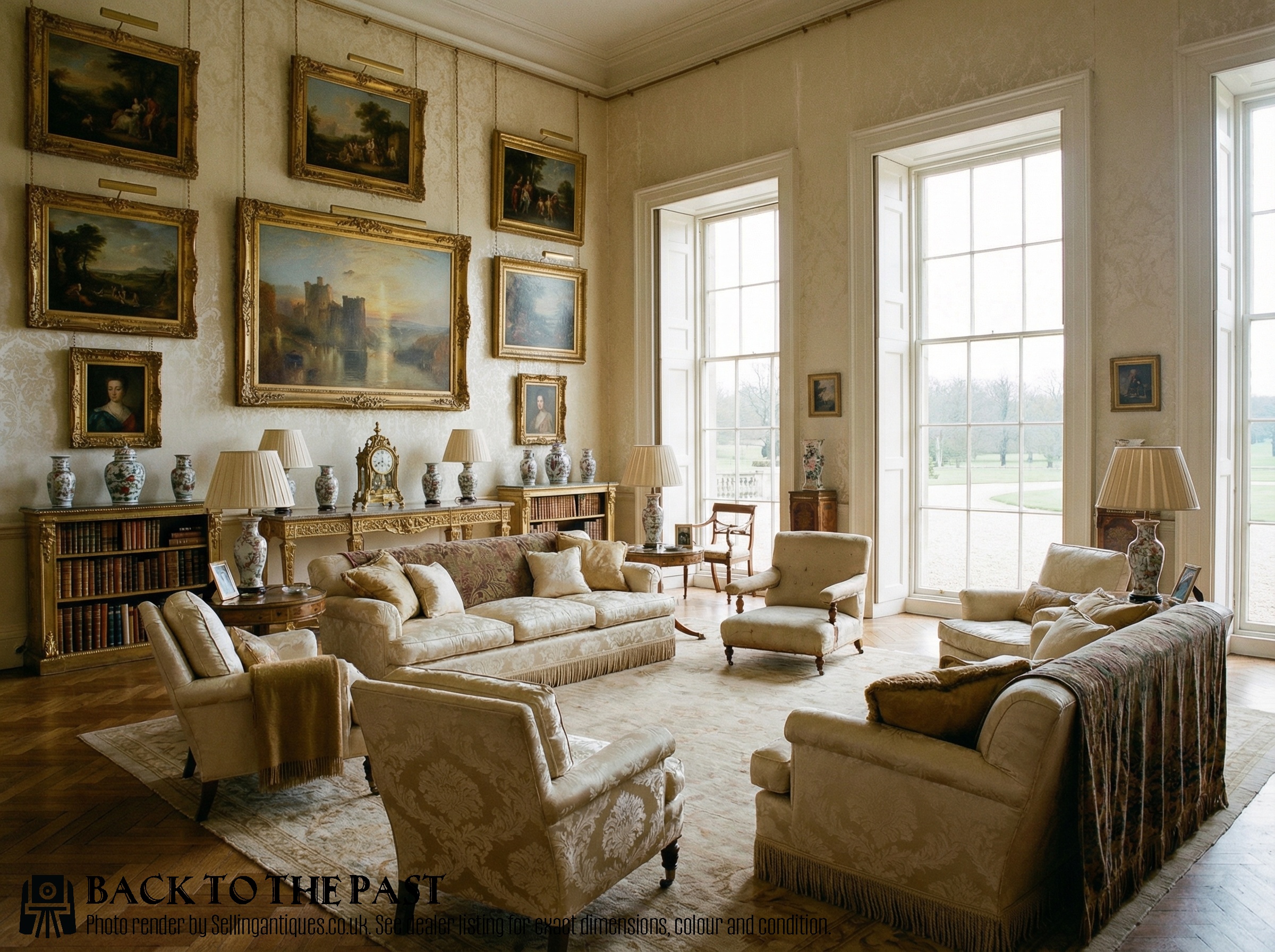
Calico Victorian Armchair
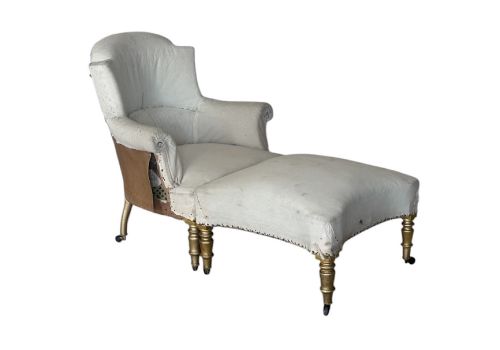
A calico victorian armchair brings together seating from the nineteenth century, including Victorian, Edwardian, William IV, and Regency periods, presented in its underlying cotton calico cover. These pieces range from deep-seated country house styles and Howard chairs to French Napoleon III frames and English wingbacks.
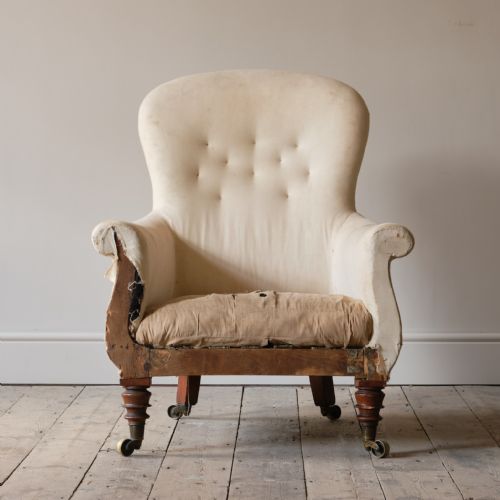
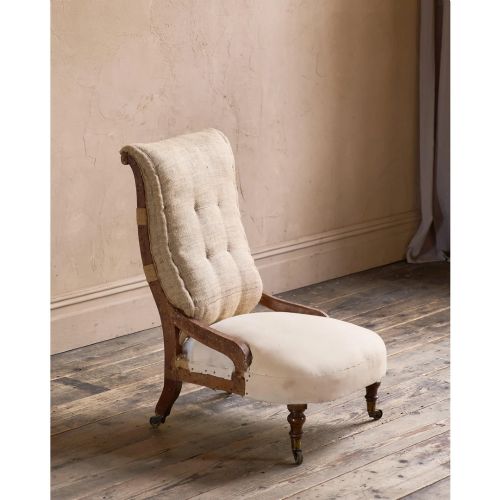
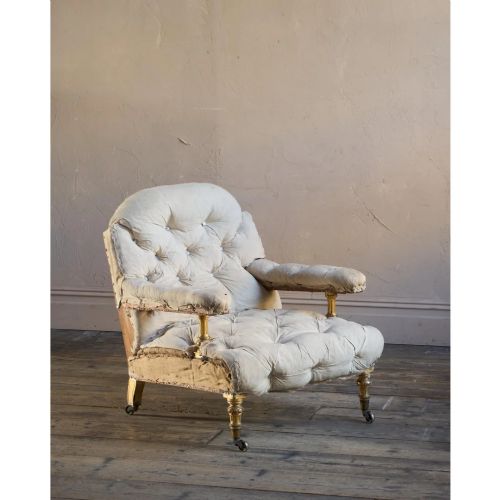
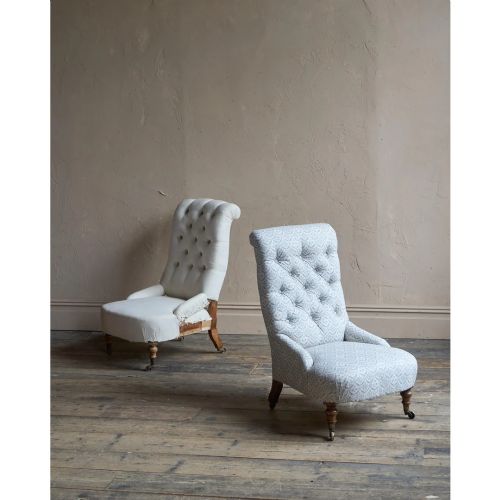
Buyers encounter chairs stripped to their calico stage or newly upholstered in plain cotton calico, revealing the raw lines of traditional seat furniture before top fabric is applied. Forms include scroll backs, club chairs, tub chairs, and open armchairs supported by timber frames of mahogany, walnut, and general wood.
The selection here captures both English country house seating and continental French pieces, often featuring characteristic low profiles, brass castors, and aesthetic movement legs. Many carry attribution to notable makers or follow the robust proportions typical of nineteenth-century workshop production.
Materials and construction
Frames are constructed from sturdy timbers such as mahogany, walnut, and mixed wood, providing the rigid skeleton required for heavy upholstery work. These wooden structures are frequently fitted with brass castors and shaped legs characteristic of the period.
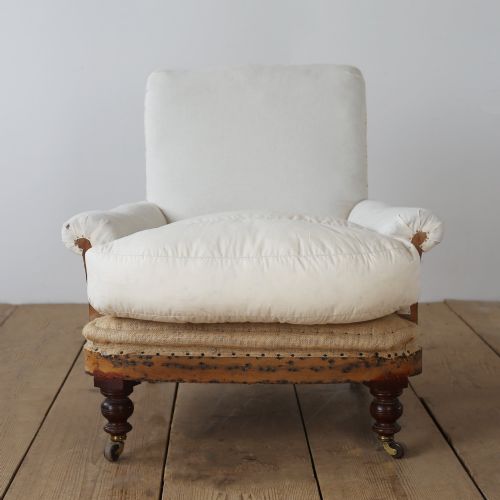
The internal padding and springs are secured beneath layers of hessian and cotton calico, creating a firm, supportive base designed to hold its shape over decades of use. Calico serves as the final tight skin over the stuffing, holding the internal architecture together before any decorative top fabric is fitted.
Calico Victorian Armchair Retail Price Guide 2026
Typical asking prices for calico victorian armchair among the pieces listed under this phrase on Sellingantiques today, from the lower quarter to the upper quarter. They describe what is for sale here now, not the wider market.
The selection includes English country house armchairs, French Napoleon III frames, wingbacks, tub chairs, and chaise longues.
Assessing quality in frames and calico finish
Quality rests in the integrity of the underlying timber frame and the precision of the upholstery work visible beneath the calico skin. A superior piece displays robust joinery, balanced proportions, and springs that retain their tension without sagging.
The distinction between ordinary workshop pieces and finer items often lies in the sophistication of the frame's silhouette, such as the graceful curve of a scroll back or the refined turn of the legs. The neatness of the stitching and the quality of the underlying hessian and calico application signal the standard of craftsmanship invested in the piece.
SF CULLEN·Howard and Sons·Mellier and Co·Gillows·Trollope and Sons·Sopwith
The Calico Victorian Armchair Glossary
- Calico
- A plain-woven cotton textile used extensively as the foundational inner cover on upholstered furniture. It holds the stuffing and springs securely in place before decorative fabric is applied.
- Hessian
- A coarse woven fabric, typically made from jute fibres, utilised as webbing and support beneath the padding of nineteenth-century seats.
- Howard Style
- A design characterised by deep seating, rolled arms, and low proportions, originating from a renowned Victorian upholstery firm.
- Napoleon III
- A French stylistic period spanning the mid to late nineteenth century, known for ornate frames, deep buttoning, and comfortable proportions.
- Wingback
- An armchair featuring side panels attached to the back, designed to shield the sitter from draughts.
Calico Victorian Armchair: Frequently Asked Questions
Why buy an armchair in calico?
Buying a chair in calico allows you to see the exact shape and condition of the frame and internal upholstery without distraction from patterned top fabrics. It provides a blank canvas for your own choice of interior textile.
Many collectors also appreciate the honest, stripped-back aesthetic of plain cotton calico as a finished look in simplified country house interiors.
How do I choose top fabric for a calico chair?
Consider the weight and style of the nineteenth-century frame when selecting a top fabric, ensuring heavy wovens suit deep club chairs while lighter prints fit bedroom chairs.
Because the calico already provides a taut, professional foundation, any durable upholstery fabric can be layered directly over the existing cotton casing.
Are these chairs comfortable for daily use?
Nineteenth-century armchairs of this type were built for deep, relaxed seating, featuring robust internal spring systems and generous proportions.
Their substantial padding and ergonomic scroll backs make them exceptionally well-suited for everyday lounging in modern living spaces.
How do I identify a Howard style armchair?
Howard style chairs are instantly recognisable by their low, deep-seated proportions, generous scrolled arms, and low-slung wooden legs often ending in brass castors.
They combine understated Victorian comfort with expert internal joinery and traditional stuffing methods.