

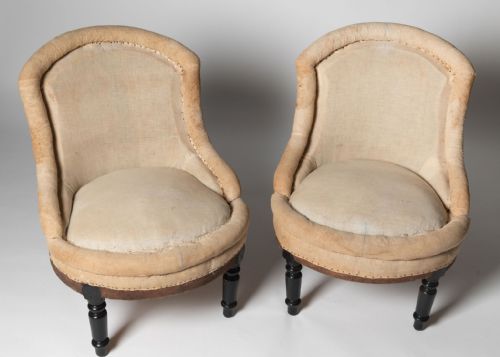
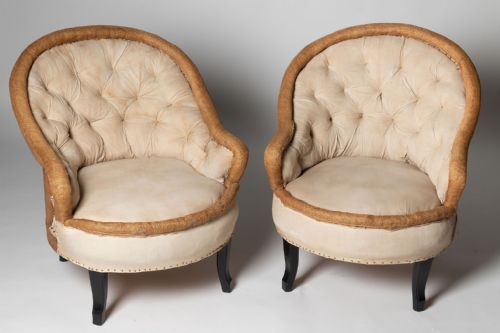
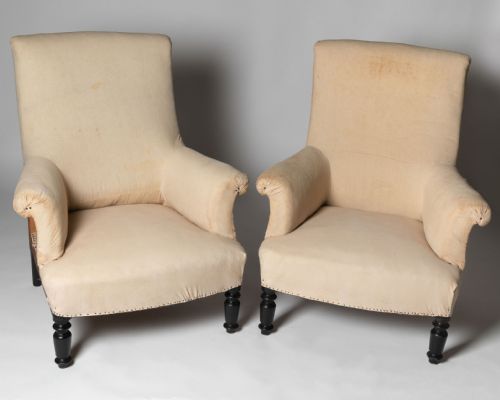
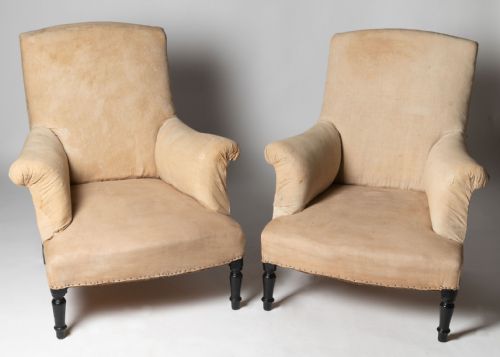

Calico French Armchairs
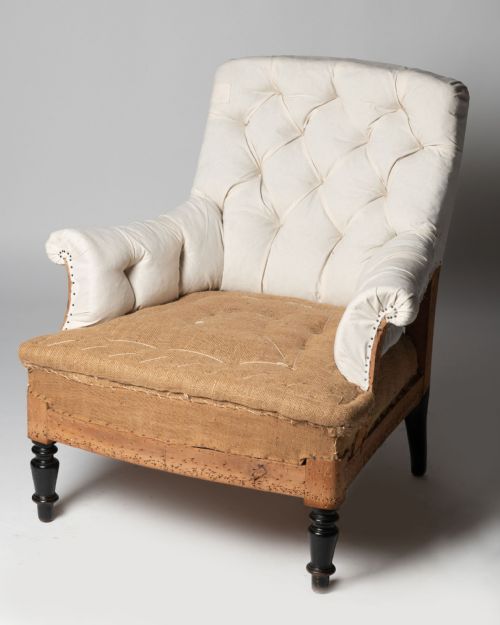
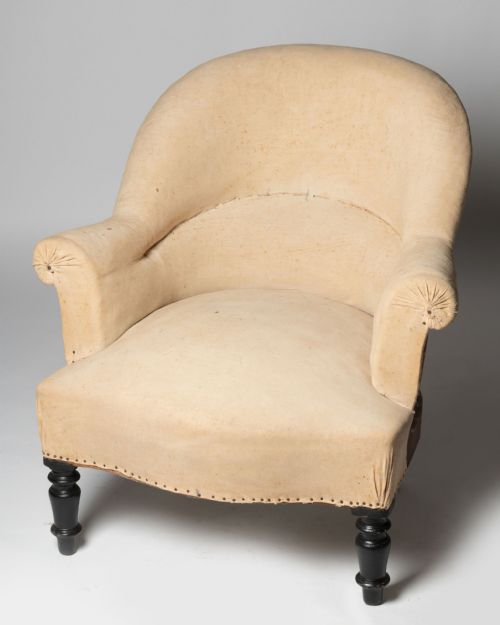
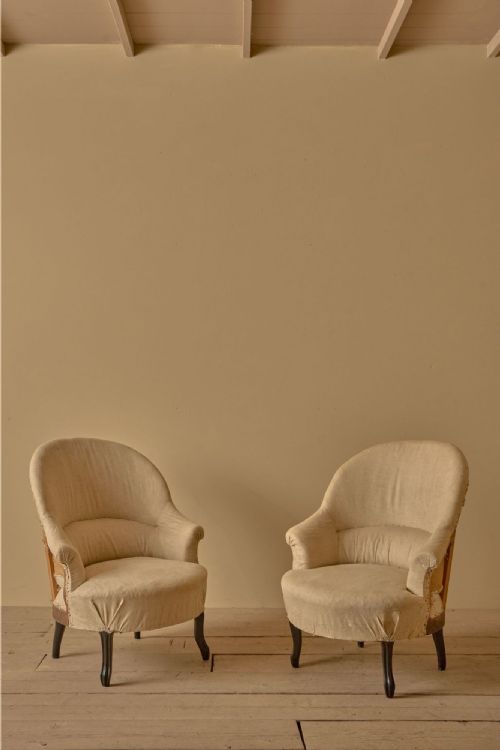
Calico french armchairs bring an understated elegance to a room, offering nineteenth-century seating upholstered in plain cotton ready for your own covering.
Calico French Armchairs
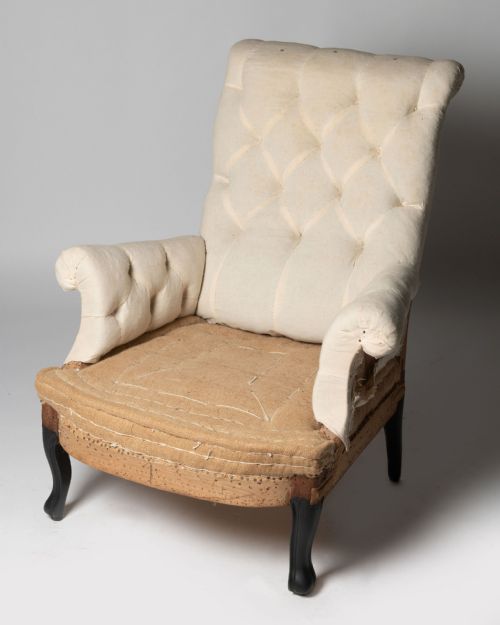
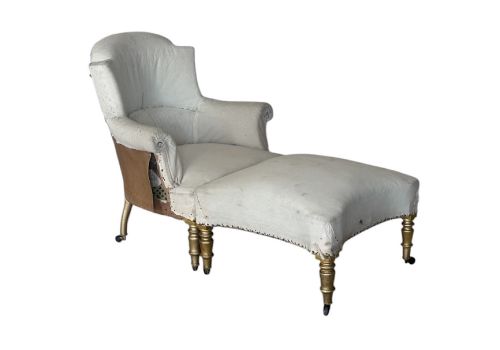
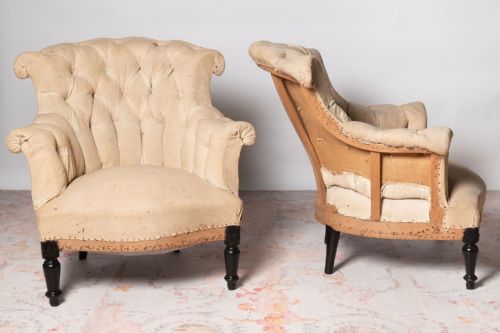
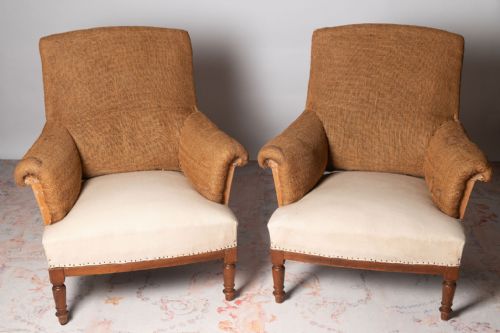
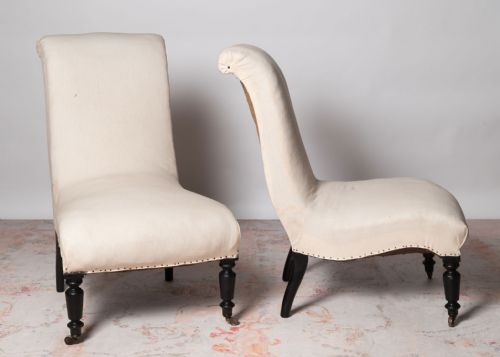
When you search for calico french armchairs, you encounter nineteenth-century seating largely shaped by French provincial, chateau, and Napoleon III aesthetics. These pieces typically arrive stripped to their initial calico or hessian layers, presenting a neutral foundation that highlights the underlying woodwork.
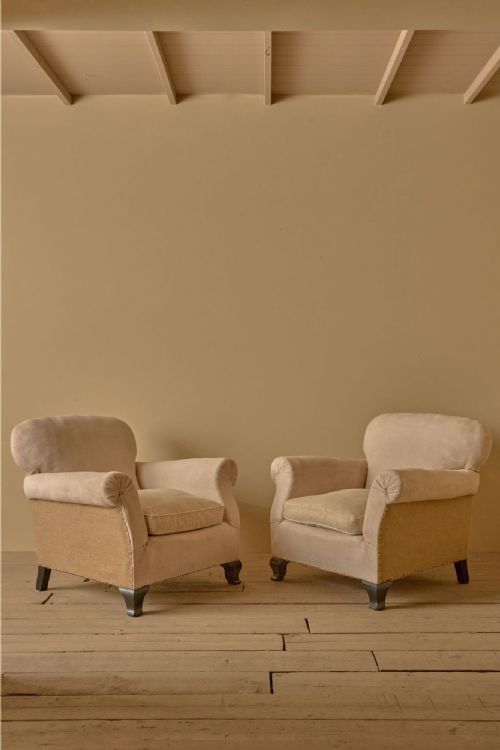
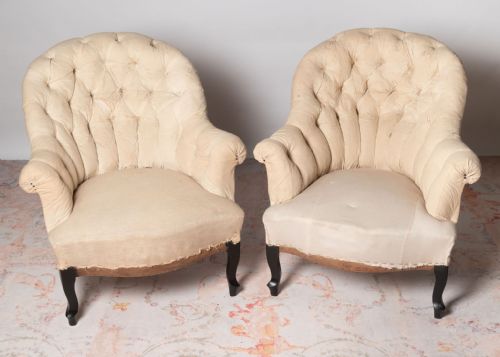
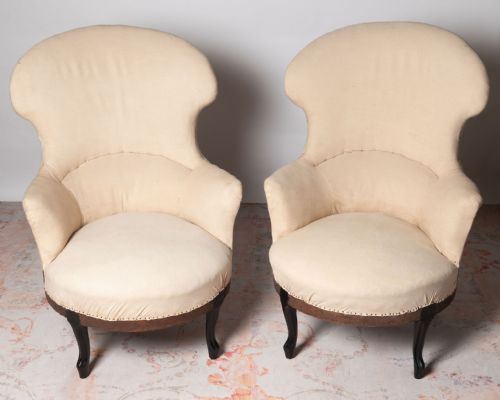
You are most likely to meet pairs of armchairs or individual nineteenth-century salon chairs bearing the hallmarks of French craftsmanship. Their forms range from sturdy country frames to more ornate Napoleon III seating.
How they were made
Makers constructed these frames predominantly from beech and giltwood, carving structural details into the exposed wooden elements. Traditional joinery secured the structural integrity of each armchair before upholsterers applied the foundational layers.
Traditional stuffing relied on natural materials held together by hessian webbing, which was then covered in cotton calico or linen. Brass tacks frequently secured the edges of the foundational fabric to the wooden framework.
Calico French Armchairs Retail Price Guide 2026
Typical asking prices for calico french armchairs among the pieces listed under this phrase on Sellingantiques today, from the lower quarter to the upper quarter. They describe what is for sale here now, not the wider market.
Listings draw exclusively from nineteenth-century periods, incorporating beech, giltwood, linen, and cotton calico materials across armchairs and slipper chairs.
What varies in quality
The distinction between ordinary and exceptional pieces lies in the crispness of the wood carving and the inherent proportions of the frame. Superior examples display balanced curves and finely detailed woodwork rather than hasty execution.
Integrity of the underlying timber and the original heft of the beech structure dictate the durability of the armchair. Heavier, well-seasoned frames command greater appreciation than lighter, more utilitarian counterparts.
The Calico French Armchairs Glossary
- Calico
- A plain-woven unbleached cotton fabric used as a primary upholstery cover or foundation layer. It provides a neutral base for decorative top fabrics.
- Hessian
- A coarse woven fabric made from jute fibres, utilised inside traditional upholstery to support stuffing materials. It forms the unseen structural sandwich beneath the calico.
- Tub chair
- An armchair characterised by a rounded, solid back that curves continuously into low arms. This enclosing form appeared frequently in nineteenth-century drawing rooms.
- Giltwood
- Timber treated with a thin layer of gold leaf applied over a prepared gesso surface. It illuminates decorative frames with a metallic sheen.
Calico French Armchairs: Frequently Asked Questions
What is calico upholstery?
Calico is a plain-woven, unbleached cotton material used by upholsterers to create a taut, neutral foundation over the springs and stuffing of a chair. It holds the internal components securely in place.
Historically, this layer served as a durable sub-cover before the final decorative fabric was applied, though many antique chairs remain in this clean, minimalist state.
How do I clean nineteenth-century wood?
Nineteenth-century wooden frames require gentle maintenance using soft cloths and occasional applications of microcrystalline wax to preserve the finish. Avoid modern liquid polishes that contain silicone.
Keep these chairs away from direct heat sources and strong sunlight to prevent the timber and exposed giltwood from drying out or cracking.
Can I reupholster these chairs?
Calico-covered chairs are specifically prepared for a top layer of decorative fabric, making them straightforward for a professional upholsterer to customise. The underlying calico protects the stuffing while you select a final textile.
Upholstering over the existing calico foundation allows you to match your interior scheme without disturbing the internal nineteenth-century padding.
How do I identify Napoleon III style?
Napoleon III pieces from the nineteenth century often combine comfortable padded forms with exposed beech or giltwood frames. Look for curved lines, buttoned upholstery foundations, and generous proportions.
This aesthetic favoured eclectic comfort, bridging formal neoclassical traditions with welcoming domestic seating.