

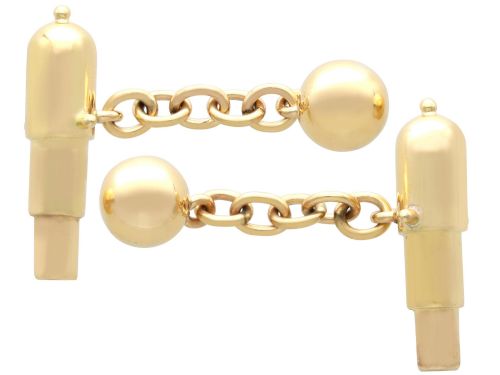
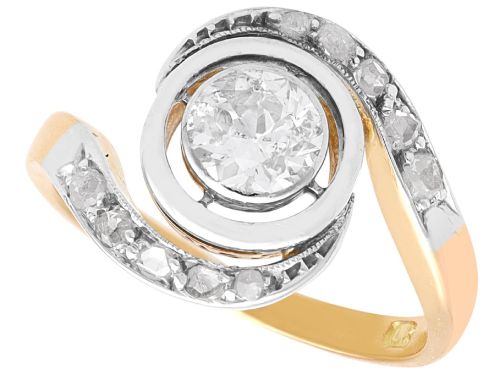
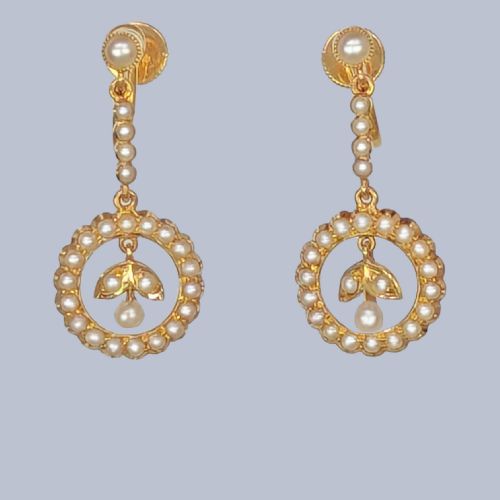
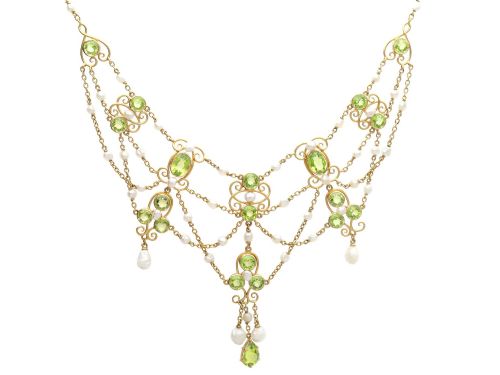
C.1900 Gold Jewellery
When you handle c.1900 gold jewellery, you encounter an era defined by fluid natural forms and exceptional gemstone work.
C.1900 Gold Jewellery
The pieces grouped as c.1900 gold jewellery encompass rings, brooches, pendants, necklaces and bracelets produced around the turn of the twentieth century. This period bridges late Victorian convention, Edwardian elegance and the emergence of Art Nouveau and Arts and Crafts design.
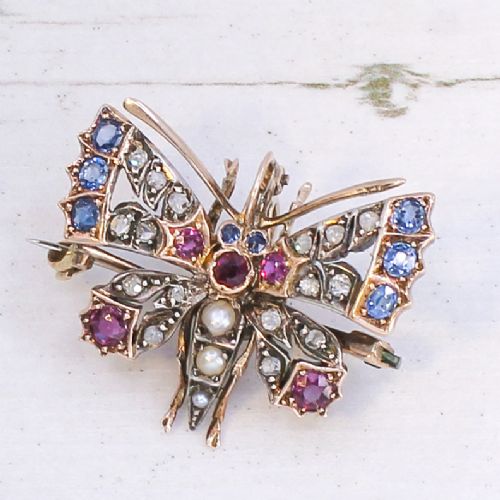
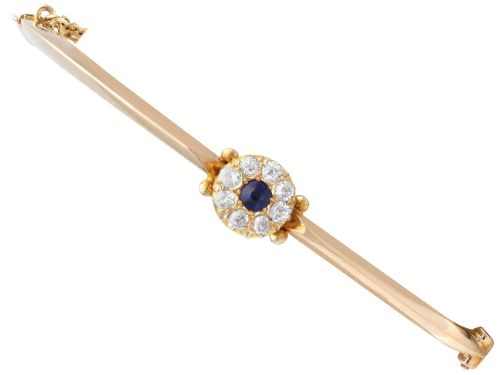
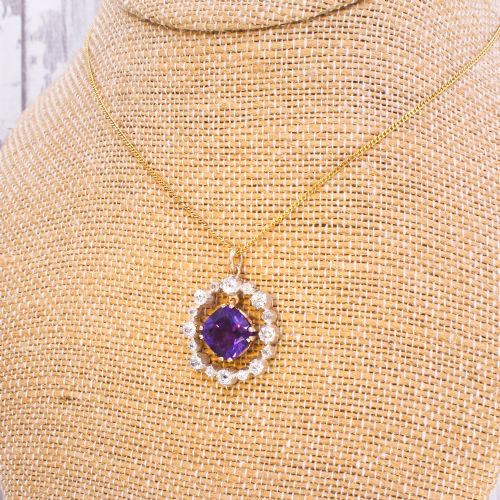
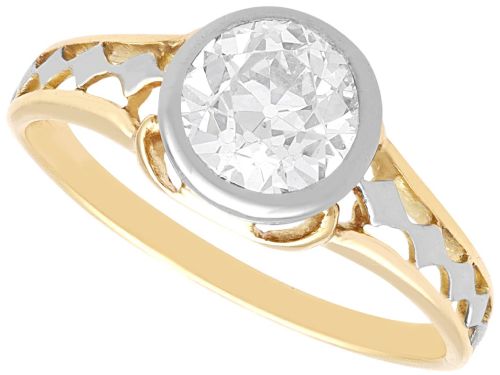
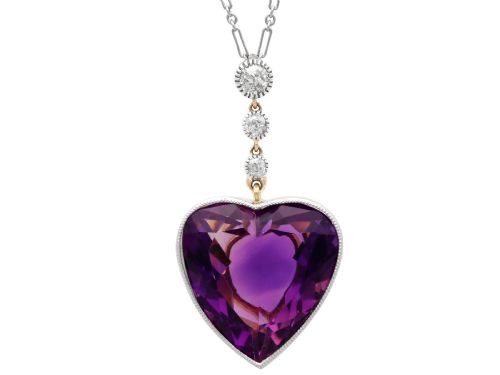
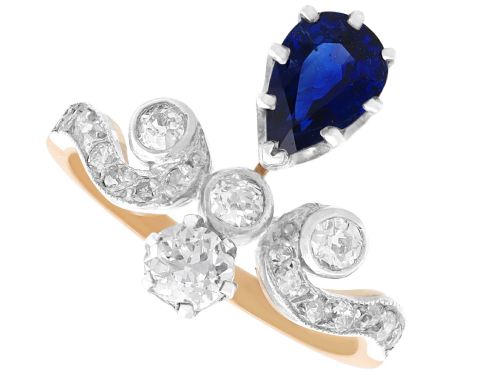
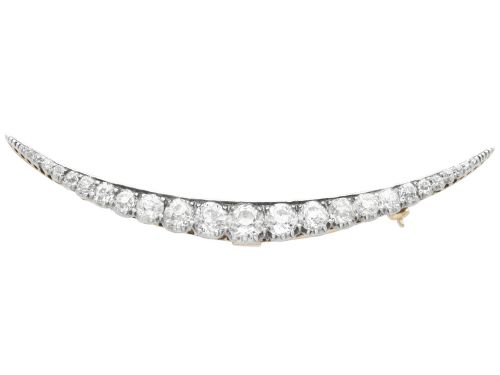
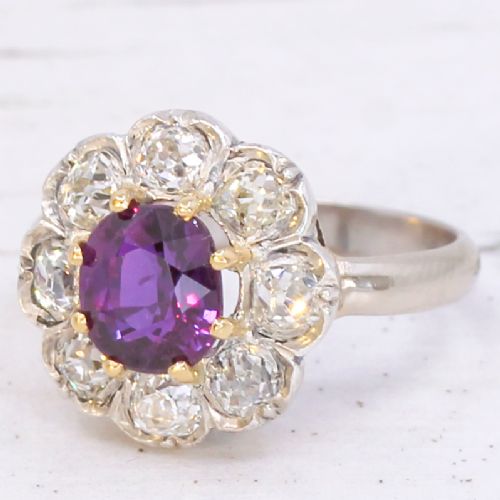
Yellow gold of varying purities, alongside white gold and platinum, forms the foundation for items set with diamonds, pearls, sapphires, rubies and emeralds. You find cluster rings, diamond-set bar brooches, and pendants incorporating seed pearls and coloured gemstones.
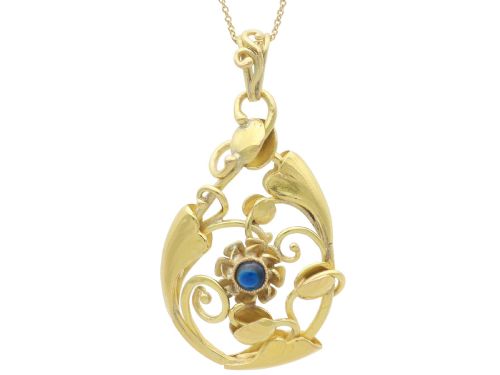
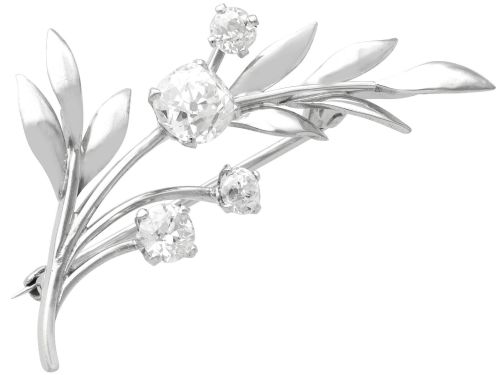
Makers of this era embraced organic motifs, floral arrangements, and geometric grace, creating wearable objects that reflect both British and continental European craftsmanship.
How c.1900 gold jewellery was made
Goldsmiths utilised yellow and white gold alloys, frequently casting and hand-working 9ct, 14ct, 15ct, and 18ct metals to mount precious and semi-precious stones. Metalwork ranged from robust yellow gold watch chains to delicate white gold settings designed to enhance the brilliance of old-cut diamonds.
Specialised techniques such as plique-à-jour enamel work, bezel settings, and cluster arrangements allowed artisans to fix pearls, amethysts, peridots and opals securely within flowing, organic contours. Enamelling and fine wirework brought colour and dimension to Art Nouveau and Jugendstil creations.
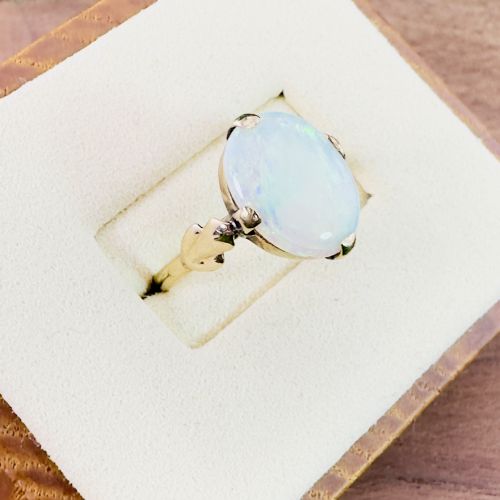
Gemstones including rubies, sapphires and emeralds were shaped into cabochons, emerald cuts, and old cuts, then hand-set alongside seed pearls and natural pearls to complete intricate brooches, tiara rings and pendants.
C.1900 Gold Jewellery Retail Price Guide 2026
Typical asking prices for c.1900 gold jewellery among the pieces listed under this phrase on Sellingantiques today, from the lower quarter to the upper quarter. They describe what is for sale here now, not the wider market.
A tiny gold swallow frozen in mid-flight on an Edwardian bar brooch brings a permanent springtime to your lapel.
What varies in quality
The standard of c.1900 gold jewellery depends upon the harmony of the design and the precision of the gemstone selection. Superior pieces display carefully matched stones, such as well-graded old-cut diamonds or unheated sapphires, integrated seamlessly into the metalwork rather than simply crowded together.
Craftsmanship dictates longevity and aesthetic impact, visible in the delicacy of a plique-à-jour cell or the structural integrity of a multi-stone cluster ring. Higher-tier examples demonstrate superior hand-finishing in the gold settings and balanced proportions across intricate motifs like swallows, floral sprays or ribbon bows.
Erhard and Sohne
The C.1900 Gold Jewellery Glossary
- Old Cut
- A diamond cutting style prevalent before modern brilliant standards, characterised by a smaller table, higher crown and open culet. These stones exhibit a softer, candlelit sparkle under lower light conditions.
- Plique-à-jour
- An enamelling technique where enamel is applied to open cells without a backing, resembling miniature stained glass. It allows light to pass directly through the transparent or translucent coloured material.
- Seed Pearl
- Very small, naturally occurring pearls often drilled and strung together or used as delicate accents in clusters and floral motifs. They provide a subtle, luminous contrast to polished yellow and white gold.
- Bar Brooch
- A horizontal metal pin featuring gemstones, drops, or central motifs mounted along a narrow bar. This form was widely worn at the neckline or fastening lapels during the Edwardian period.
- Cabochon
- A gemstone shaped and polished with a smooth, rounded convex surface rather than faceted. This cut is frequently utilised for opals, jade, and certain rubies or sapphires to highlight natural colour and depth.
C.1900 Gold Jewellery: Frequently Asked Questions
How do I identify c.1900 jewellery?
Examine the materials, gemstone cuts, and stylistic motifs present in the piece. Items from this era often combine old-cut diamonds, seed pearls, and coloured stones within Edwardian, Victorian, or Art Nouveau designs.
Look closely at the gold purity marks and construction methods. The presence of platinum tops on yellow gold, plique-à-jour enamel, or specific organic motifs typically points toward the turn of the twentieth century.
What gold purities were common?
Goldsmiths during this period commonly worked in 9ct, 14ct, 15ct, and 18ct yellow gold. Fifteen-carat gold appears frequently in British pieces from the era before standard regulations shifted.
White gold and platinum also emerged toward the end of the period, particularly for Edwardian and Belle Époque diamond-set mountings designed to maximise brilliance.
Are these items handmade?
Most jewellery from this timeframe involved significant hand-crafting, even as industrial methods began to influence production. Goldsmiths hand-set gemstones, shaped wirework, and finished enamel details individually.
This blend of workshop techniques ensures that surviving rings, pendants, and brooches display individual character and subtle variations in construction.