



C 1860 Furniture
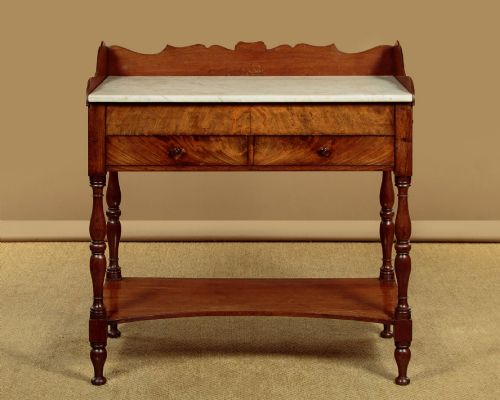
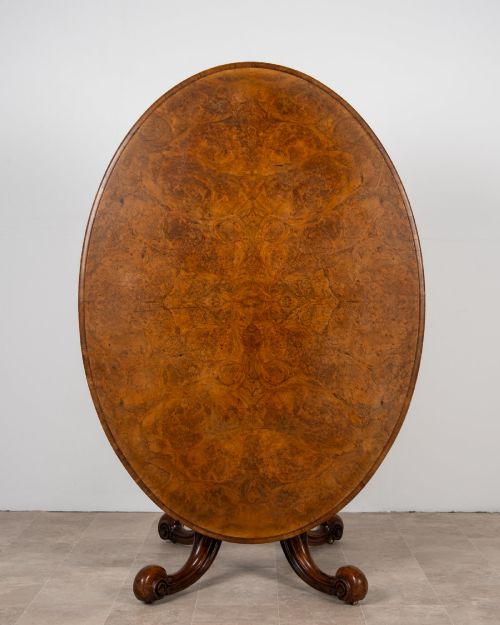
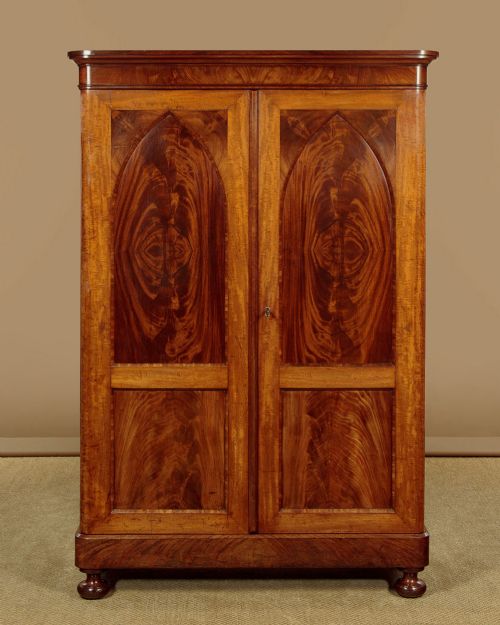
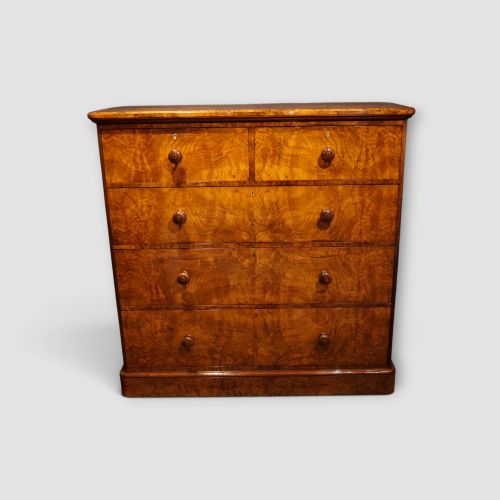
These pieces of c 1860 furniture bring solid mid-Victorian craftsmanship and rich timber into a room with a distinct historic presence.
C 1860 Furniture
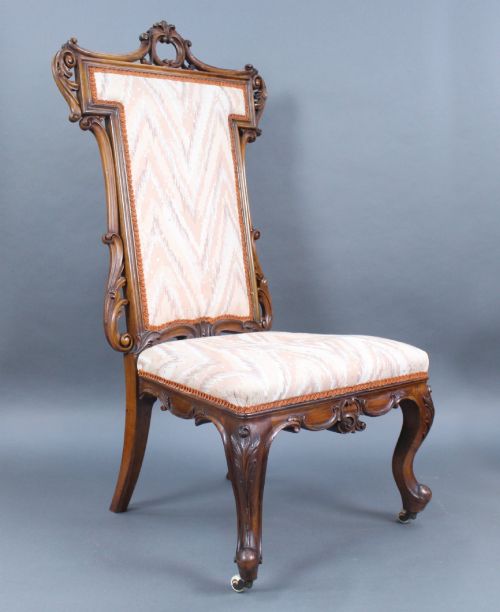
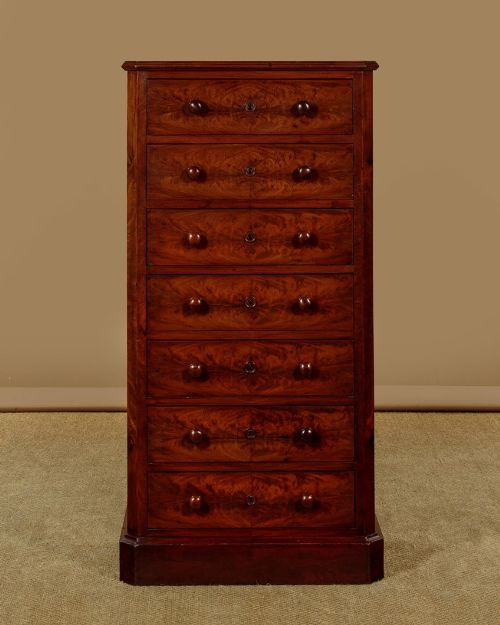
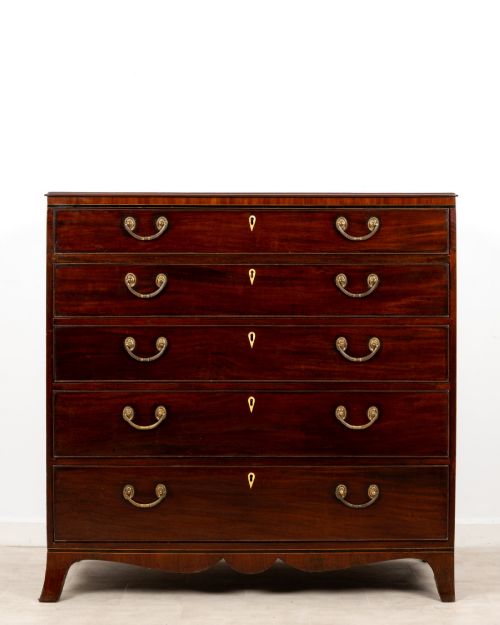
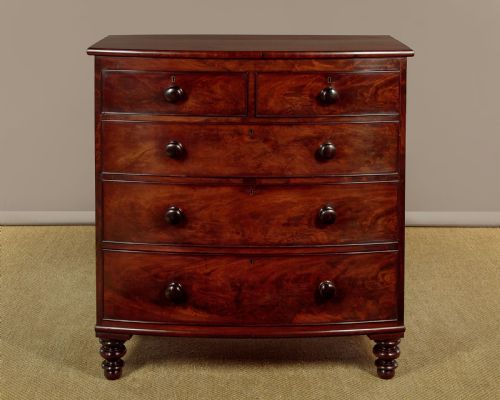
When browsing c 1860 furniture, buyers encounter a diverse selection of mid-19th century and Victorian forms ranging from practical storage pieces to decorative display items. The period spans standard domestic items like mahogany chests of drawers and desks alongside more specialised international commissions.
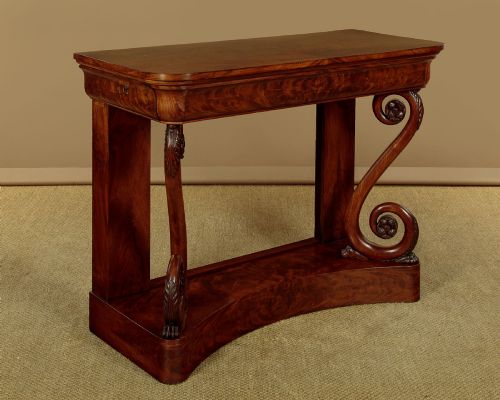
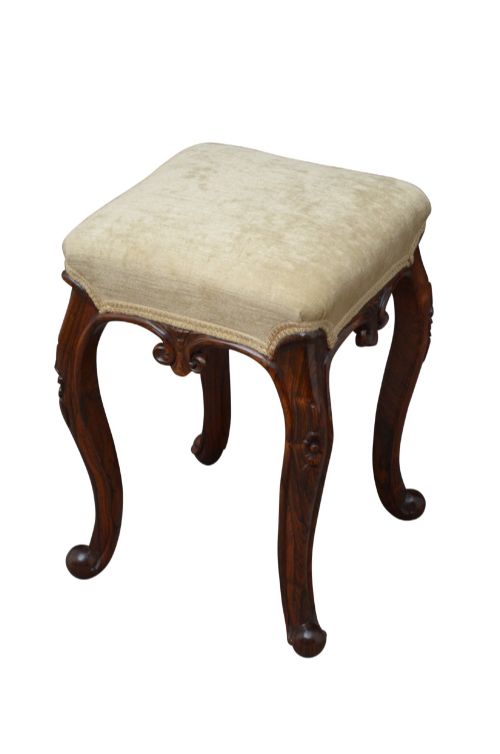
The selection on this page frequently includes walnut and mahogany tables, chairs, and cabinets reflecting Victorian taste. Alongside standard English designs, pieces influenced by Anglo-Indian, French Napoleon III, and Chinese Qing aesthetics appear regularly.
Domestic utilitarian objects sit alongside formal reception room pieces, providing options for studies, bedrooms, and drawing rooms. Bureau desks, Davenport desks, and various small side tables dominate the functional seating and surface options.
Materials and construction methods
Cabinet makers relied heavily on dense hardwoods such as mahogany, walnut, and burr walnut, often complemented by secondary timbers like pine. Decorative surfaces frequently utilised veneers, brass mounts, and inlaid satinwood or ebonised wood to create contrast.
Specialist techniques defined specific regional styles, from intricate hand-carved teak on Anglo-Indian pieces to elaborate boullework brass inlay on French Napoleon III cabinets. Structural joinery involved traditional methods like dovetailing for drawer construction and mortise and tenon joints for frames.
C 1860 Furniture Retail Price Guide 2026
Typical asking prices for c 1860 furniture among the pieces listed under this phrase on Sellingantiques today, from the lower quarter to the upper quarter. They describe what is for sale here now, not the wider market.
Listings feature multiple wood types including mahogany, walnut, burr walnut, rosewood, oak, teak, elm, beech, padauk, amboyna, and goncalo alves.
Indicators of standard and execution
The degree of refinement in carving, timber selection, and secondary wood usage distinguishes finer examples from everyday domestic output. Grain matching on burr walnut or figured mahogany surfaces reveals the care taken by the original maker during construction.
Intricacy of brass hardware, secret drawers within desks, and the retention of original fittings or painted finishes elevate certain pieces above standard production. The structural integrity of joints and the precision of veneer work determine the enduring resilience of each item.
S. W. Silver & Co. London & Liverpool·Donald Ross
The C 1860 Furniture Glossary
- Davenport desk
- A compact Victorian writing desk featuring a sloping top for correspondence and a bank of side drawers. It typically includes internal stationery compartments.
- Boullework
- A type of marquetry consisting of tortoiseshell and brass inlay applied to furniture. This technique gained prominence in Napoleon III revival pieces.
- Canterbury
- A small multi-compartment stand used for holding sheet music or folios, usually fitted with slatted partitions and a low drawer below. They often sit on small castors.
- Etagere
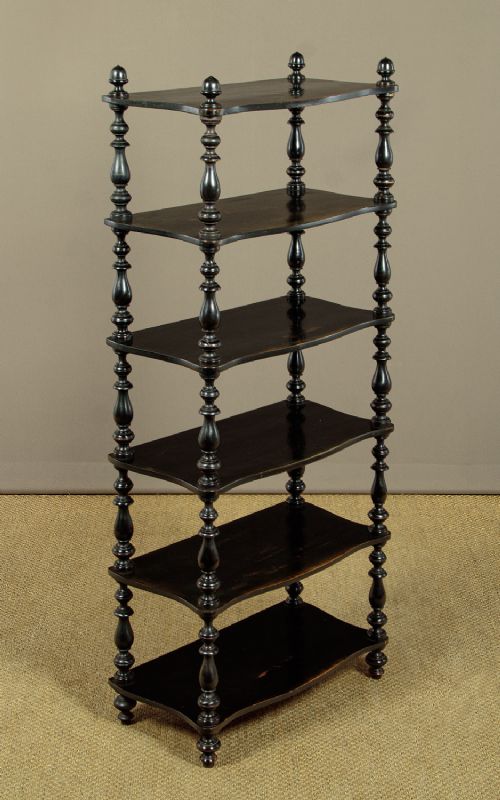
- A set of open shelves supported by pillars or columns, designed for displaying ornaments and small objects. Pieces of this type frequently feature multiple tiers.
- Campaign chest
- A sectional timber chest built in two or more parts with recessed brass handles and corner brackets, designed for easy transport by military officers.
C 1860 Furniture: Frequently Asked Questions
What defines c 1860 furniture?
Furniture from this period reflects high Victorian production standards, combining traditional English cabinet-making with diverse international stylistic influences. Workshops utilised dense timbers like mahogany and walnut alongside exotic veneers.
Items from this era range from utilitarian campaign chests to ornate display cabinets and writing desks. The design vocabulary embraces both revival styles and practical domestic innovation.
How do I identify a Davenport desk?
A Davenport desk is recognised by its compact footprint, sloping writing surface lined with leather, and pedestal drawers opening to one side. They often incorporate hidden compartments and stationary wells beneath the sliding or hinged top.
Originating in the early nineteenth century, these desks remained popular through the Victorian era as space-saving writing stations for parlours and bedrooms.
What is an etagere?
An etagere is an open shelving unit designed specifically for displaying small decorative objects, books, or collections. These pieces rely on slender upright supports to divide the multiple tiers.
Victorians placed them in drawing rooms to exhibit ceramics, glassware, and curiosities. Many examples incorporate mirrors to enhance the display.
Where were campaign chests used?
Campaign chests were built in modular sections with flush brass handles and corner reinforcements to withstand frequent transport by military personnel on active service. The sectional design allowed officers to pack their belongings securely.
Civilians also adopted these durable chests for travel and colonial posting due to their robust construction and practical modularity.
How should I care for walnut and mahogany?
Maintain these hardwood surfaces by dusting with a soft, dry cloth and avoiding direct sunlight or extreme temperature fluctuations that can dry out old timbers. Period pieces benefit from occasional waxing with traditional beeswax to preserve the finish.
Keep wooden furniture away from direct heat sources to prevent timber shrinkage and veneer lifting. Proper humidity control protects both the solid wood and the internal joinery.