
Button Back Accent Chair
A button back accent chair brings deep buttoning and upholstered comfort to any corner, uniting nineteenth-century craftsmanship with practical seating.
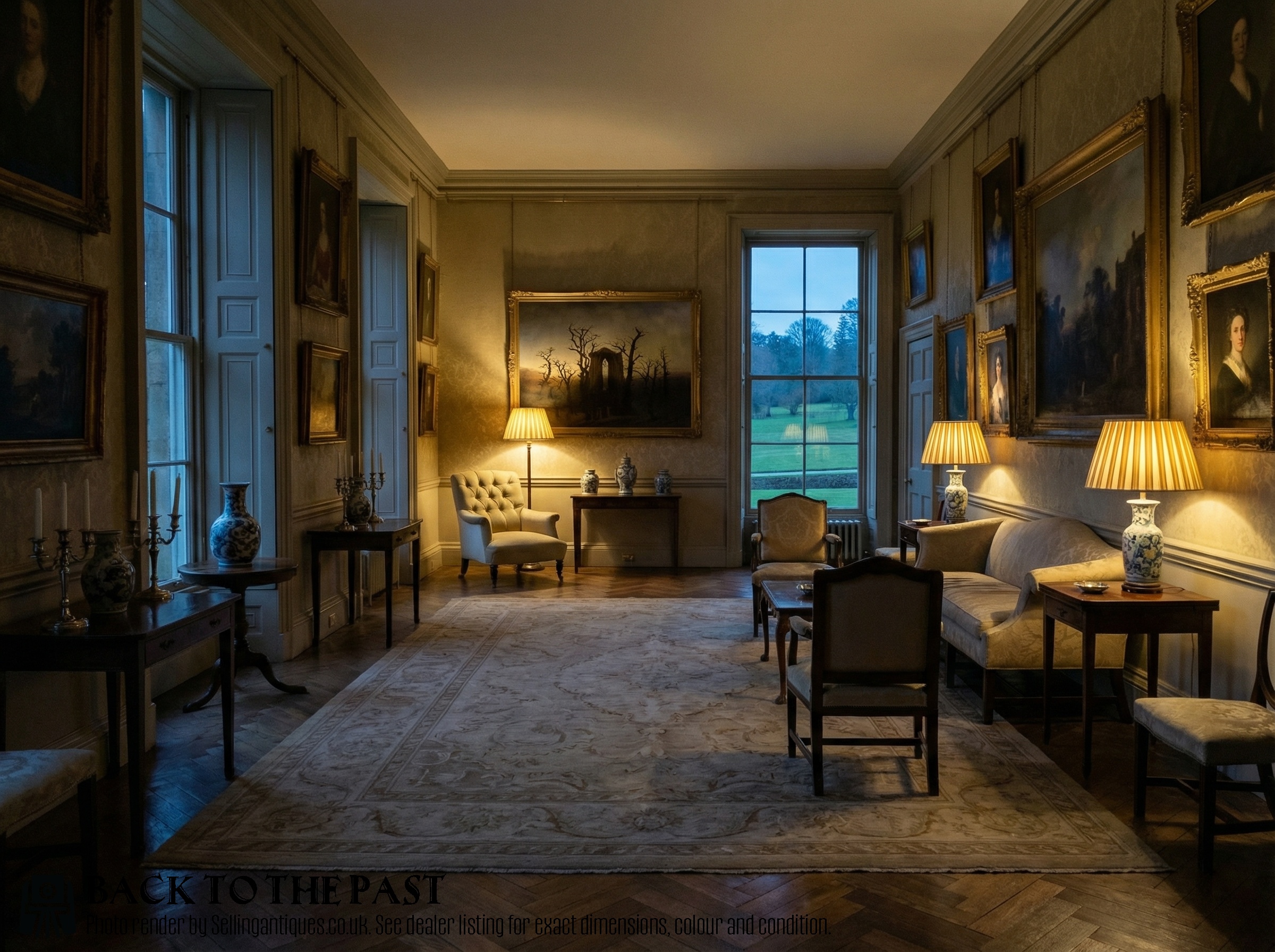
Button Back Accent Chair
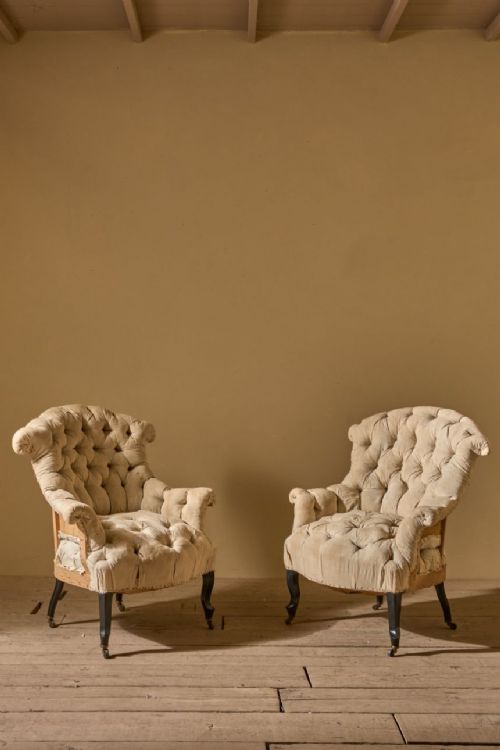
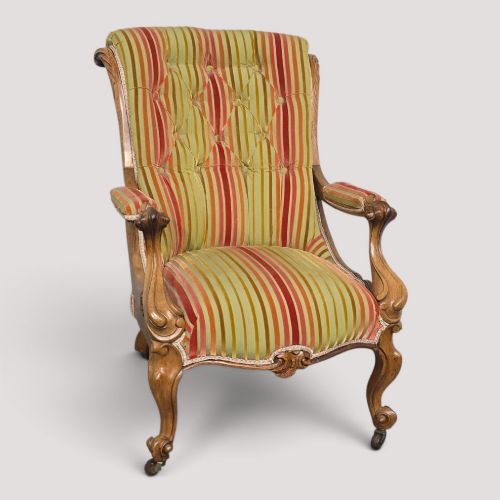
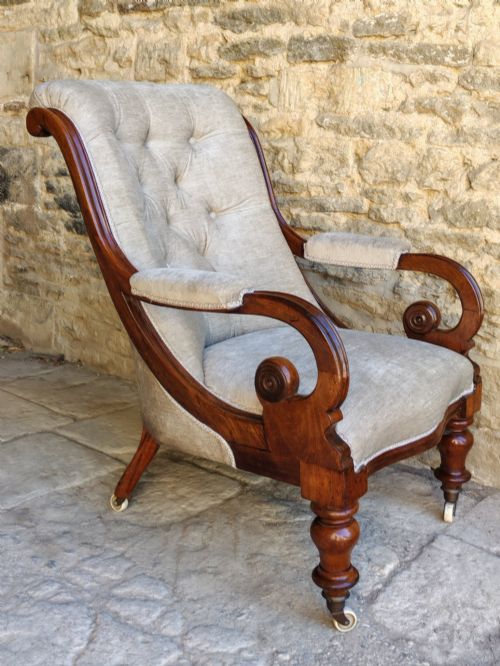
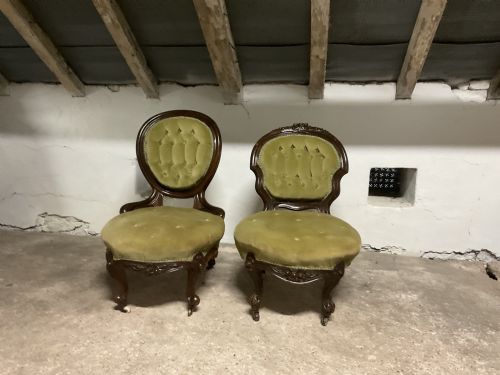
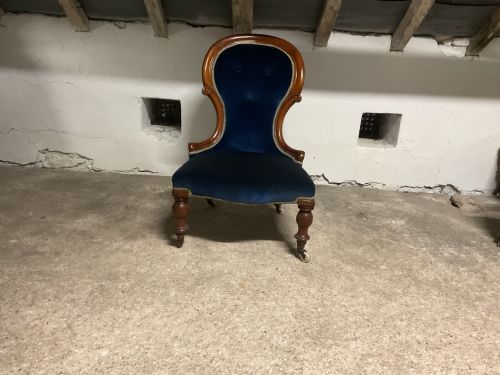
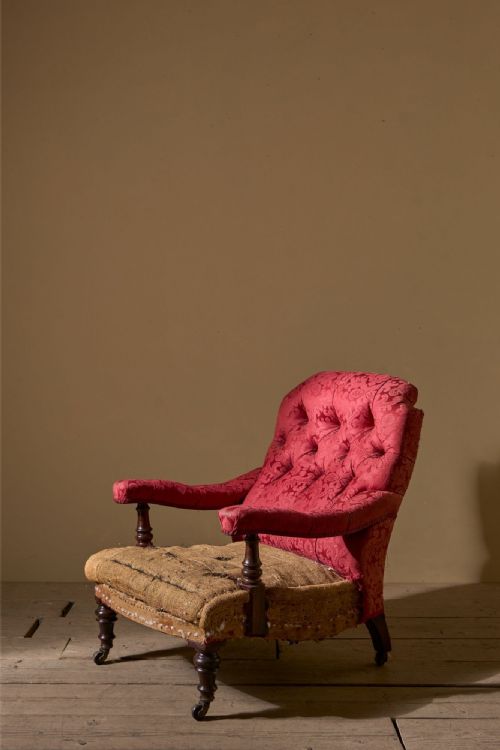
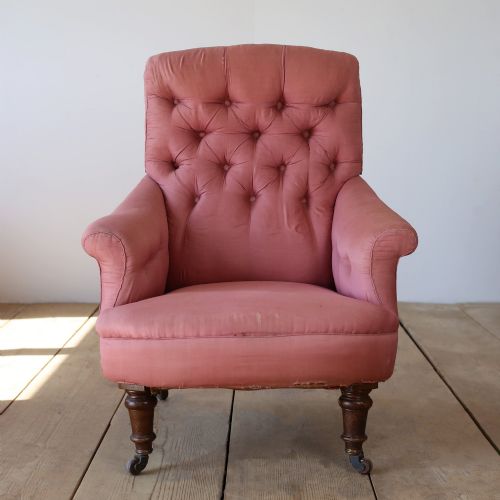
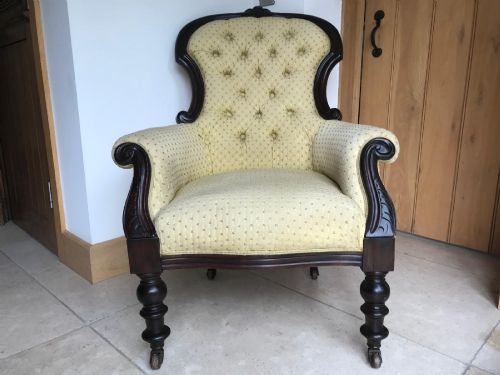
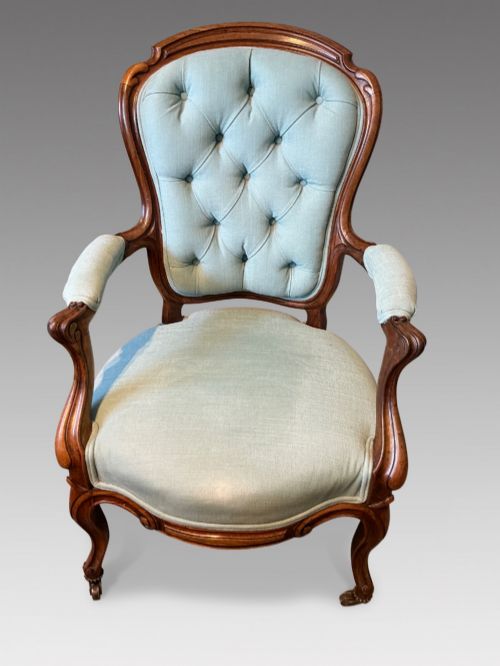
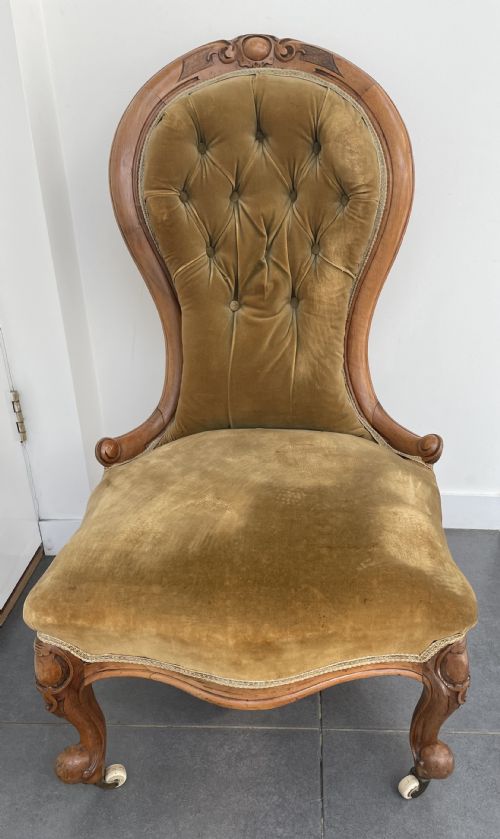
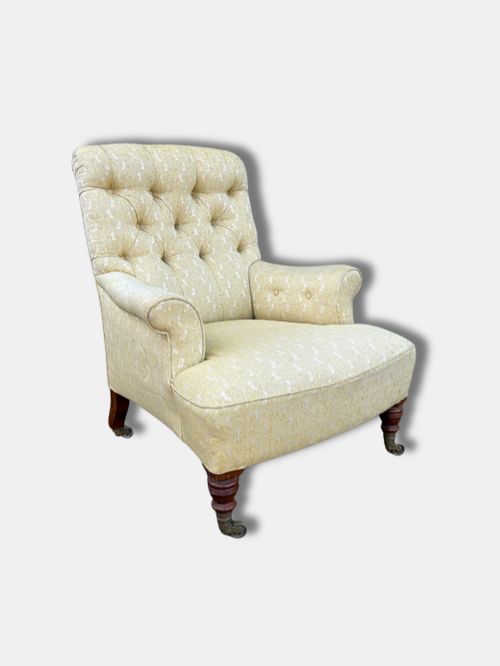
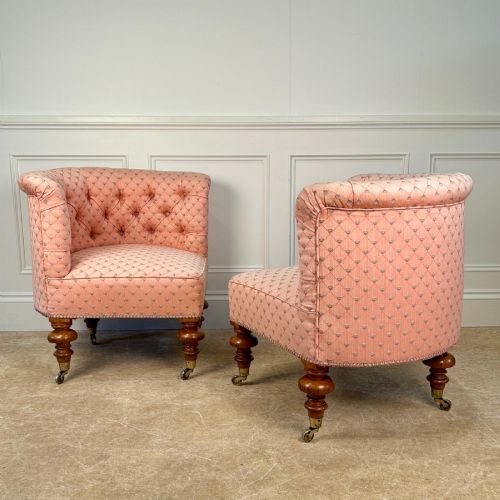
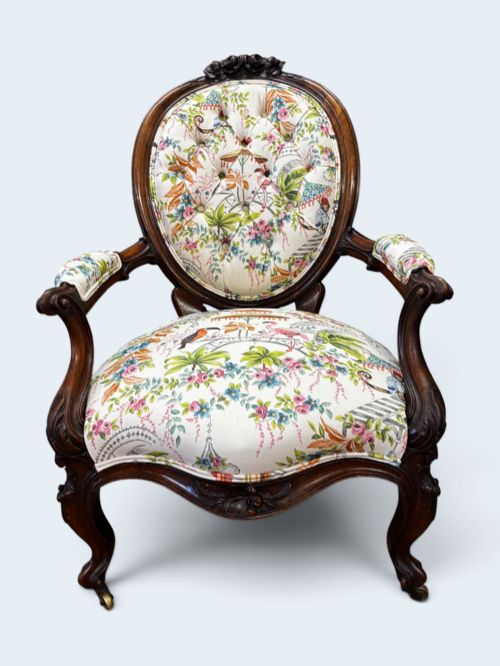
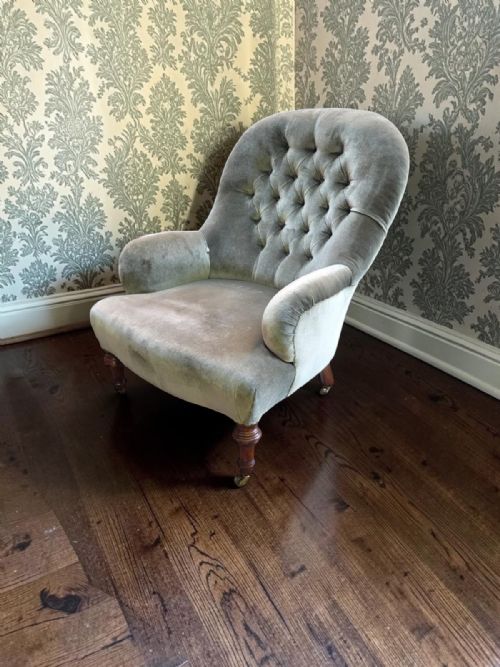
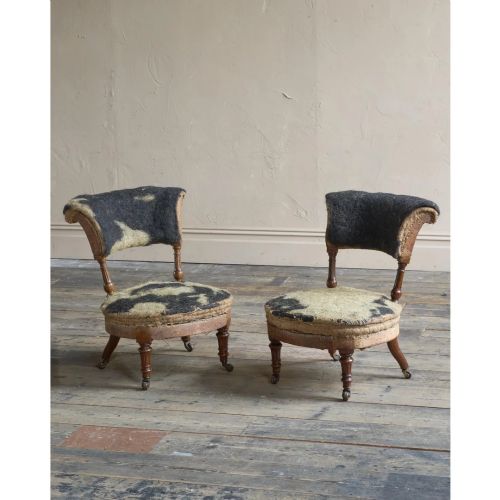
A button back accent chair encompasses various nineteenth-century and early twentieth-century forms, including nursing chairs, slipper chairs, library armchairs, and occasional chairs. These pieces appear primarily across Victorian, Edwardian, and Regency periods, reflecting formal drawing room traditions and intimate parlour seating.
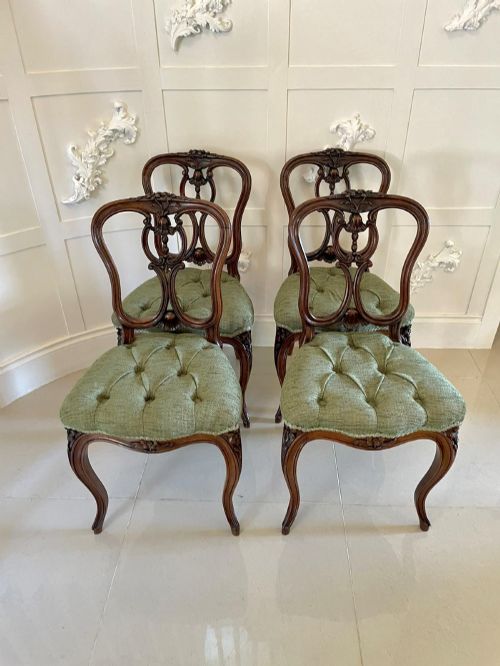
Buyers seeking this phrase encounter low-slung slipper chairs designed for bedroom use alongside substantial mahogany and walnut armchairs. The common thread uniting these forms is the deep button-tufted upholstery that provides both structural tension and visual texture.
Materials and construction methods
Frames rely upon timbers such as mahogany, walnut, oak, and rosewood, shaped into curved spoonbacks, open arms, and sturdy corner supports. Cabinetmakers employed traditional joinery to build skeletons capable of withstanding the internal tension of deep buttoning.
Upholstery combines traditional textile coverings like velvet, leather, and fabric with brass hardware details. Craftsmen secured the padding by pulling threads through the stuffing to create the characteristic geometric indentations.
Low nineteenth-century nursing chairs let sitters tend to infants by the hearth without blocking the valuable radiant heat.
Distinctions in craftsmanship and finish
Quality rests in the fluidity of the timber frame carving, especially where walnut and mahogany are shaped into complex curves like spoonbacks. Finer pieces demonstrate precise joinery and substantial timber proportions rather than purely decorative veneering.
The integrity of the upholstery execution separates standard examples from exceptional ones. Uniformity in the button tufting and the selection of materials such as supple leather or dense velvet indicate higher workshop standards.
Howard and Sons·Mellier and Co·Gillows
The Button Back Accent Chair Glossary
- Button back
- Upholstery style featuring recessed buttons arranged in a geometric grid or diamond pattern. This technique secures the internal padding while creating a textured surface.
- Nursing chair
- Low-seated Victorian armchair designed originally for nursing infants. The low posture allowed mothers to sit comfortably near a hearth.
- Slipper chair
- Upholstered chair characterised by a low seat and absence of arms. Originally used in bedrooms for putting on shoes and garments.
- Spoonback
- Chair back curved in the concave shape of a spoon. This Victorian design mirrors the natural contours of the human spine.
- Bergère
- Enclosed upholstered armchair with exposed wooden framing. The style often incorporates cane work or upholstered panels.
Button Back Accent Chair: Frequently Asked Questions
What is a button back accent chair?
A button back accent chair is an upholstered seat featuring deep button tufting across the backrest, spanning Victorian and Edwardian forms like nursing chairs and library armchairs.
These pieces combine functional seating with decorative woodwork in mahogany, walnut, or rosewood, serving as statement items in modern and traditional rooms.
How were these chairs used historically?
Historical uses varied by form, with low slipper and nursing chairs placed in bedrooms for dressing, while robust library and armchair versions sat in parlours and studies.
Their comfortable proportions accommodated relaxed seating during reading, conversation, and leisure hours in nineteenth-century homes.
How do I identify a Victorian button back chair?
Victorian examples typically feature dense hardwood frames made from walnut or mahogany, often displaying carved spoonback contours or open arms.
The presence of period fabrics like velvet or leather, combined with hand-stitched button tufting, helps distinguish nineteenth-century production from later revivals.
Are these chairs suitable for daily use?
These chairs function well in contemporary spaces when placed in low-traffic reading corners or bedrooms as accent seating.
Their sturdy wooden frames and traditional upholstery construction provide durable support, though antique fabrics may require careful maintenance.