




Burr Wood Tripod Stand
These burr wood tripod stand examples bring rich grain and elegant three-legged support to any room, offering a functional surface shaped by skilled hands.
Burr Wood Tripod Stand
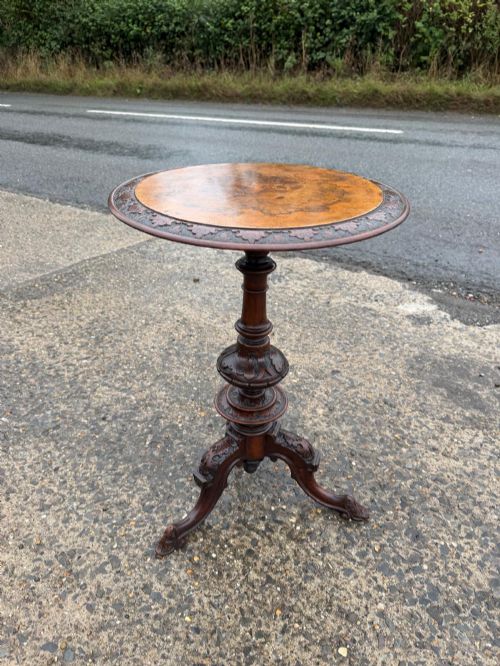
A burr wood tripod stand combines a slender pillar resting on three feet with a highly figured wooden top used for display or service. When you search for a burr wood tripod stand, you encounter pieces that function as wine tables, lamp tables, or occasional tables.
The selection ranges across Georgian, Regency, and Victorian periods, alongside Scandinavian country pieces. Makers utilised varied forms from round circular tops to octagonal and square tilt-top designs.
Elm, walnut, maple, oak, and birch appear frequently with pronounced burr formations. These smaller tables suit corners or beside seating where a compact footprint is required.
Materials and construction
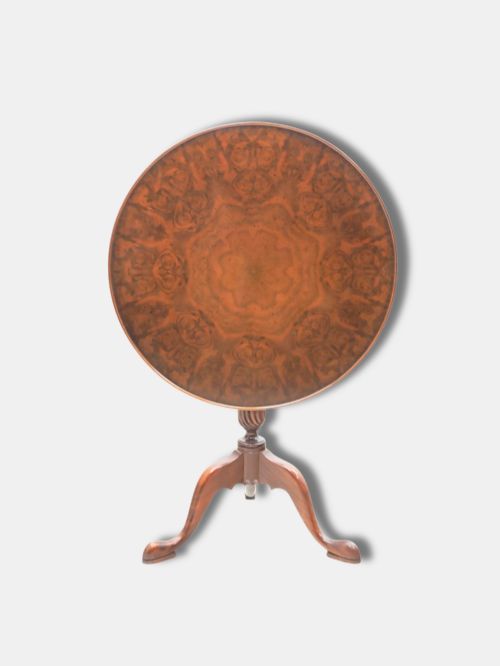
Craftsmen selected sections of timber showing intricate burr growths, slicing them to reveal swirling grain patterns for the table tops. These figured veneers or solid sections were set onto stable sub-woods to prevent warping.
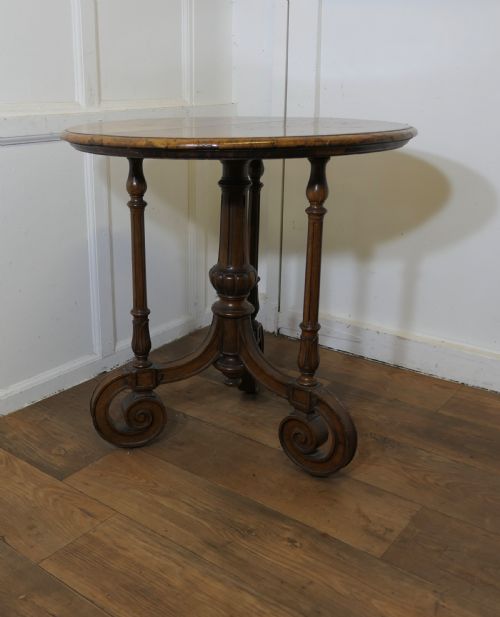
The central pillars and tripod bases were turned from solid timbers such as mahogany, walnut, or ebonised wood to provide robust support. Joinery relied on traditional turning, pegged tenons, and accurate balancing so the three feet rested evenly on the floor.
Listings feature burr wood tripod stands spanning the Georgian, Regency, and Victorian eras, alongside Scandinavian country examples.
Judging quality in design and timber
Quality rests in the intensity and symmetry of the burr figure across the top, alongside the crispness of the turning on the pillar. Superior examples display balanced proportions between the diameter of the top and the spread of the tripod base.
The depth of the natural patination and the warmth of the colour reveal how well the timber has aged and been maintained. Finer pieces maintain originality in their tilt mechanisms, brass fittings, and structural joints without heavy restoration.
The Burr Wood Tripod Stand Glossary
- Burr wood
- Timber harvested from tree growths where the grain has grown in a deformed, swirling manner. This creates highly decorative patterns prized for tabletop surfaces.
- Tripod table
- A small occasional table supported by a central pillar resting on three legs. This design prevents rocking on uneven historical floors.
- Tilt-top table
- A table featuring a mechanism that allows the surface to pivot to a vertical position when not in use. This saved space in period interiors.
- Teapoy
- A small stand or box designed to hold tea caddies and blending equipment. These often incorporate fine timbers and internal compartments.
- Patination
- The surface sheen and colour developed by wood over decades of handling, light exposure, and polishing. It serves as an indicator of age and authenticity.
Burr Wood Tripod Stand: Frequently Asked Questions
What is a burr wood tripod stand used for?
These pieces function primarily as small side tables to hold lamps, drinks, or decorative objects. Their compact nature allows them to fit neatly beside chairs or in narrow hallways.
Historically, specific versions served specialised roles such as wine tables during dining or stands for teapoys. Today they remain versatile surfaces that add warmth and texture to traditional and modern interiors.
How do I identify a Georgian tripod table?
Georgian examples typically feature elegant proportions with slender, finely turned pedestals and delicately shaped tripod legs. The timber selection often highlights native woods like elm, oak, or early mahogany.
Construction details such as hand-cut dovetails, pegged joints, and traditional finishes help distinguish these 18th-century pieces from later revival items.
What is the difference between burr walnut and burr elm?
Burr walnut exhibits a rich, deep brown tone with intricate, swirling patterns that often resemble dark feathered clouds. It was favoured for formal Georgian and Victorian pieces.
Burr elm tends to display a lighter, golden-brown hue with denser, eye-like grain formations. Elm frequently appears in country-made or provincial pieces from both British and Scandinavian makers.
How do I care for a vintage wood table?
Keep wooden tables away from direct sunlight and strong heat sources to prevent the timber and veneers from drying out or splitting. Routine dusting with a soft, dry cloth maintains the surface.
Apply a quality natural beeswax occasionally to nourish the grain and protect the historic finish. Avoid using modern silicone-based polishes that can build up and dull the patination.