
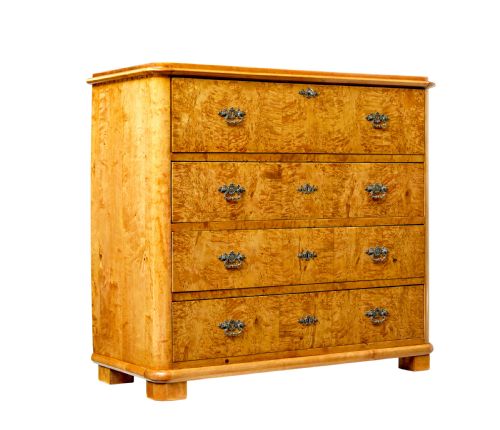
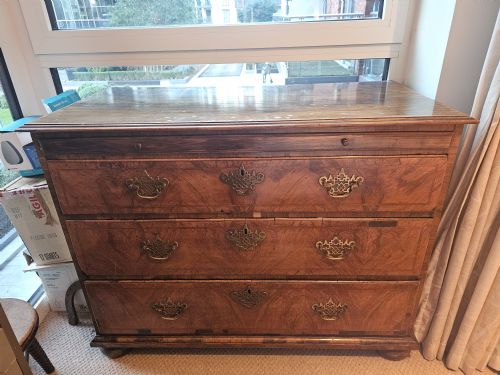
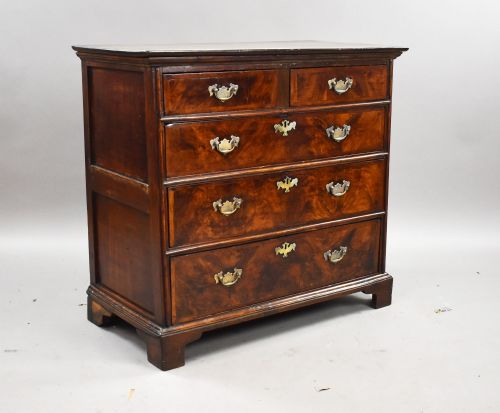
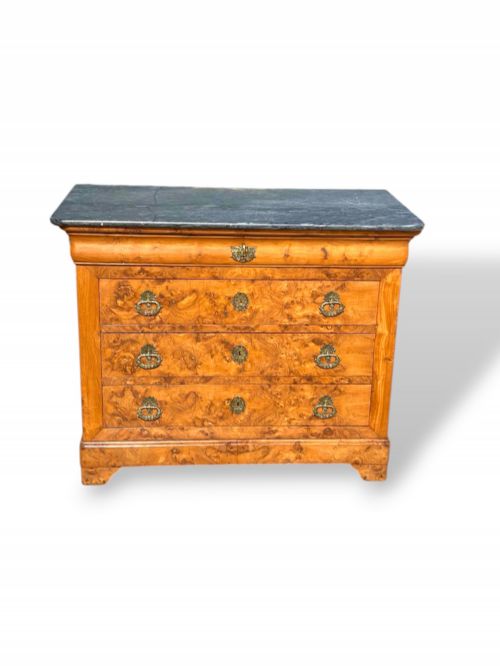

Burr Wood Commode
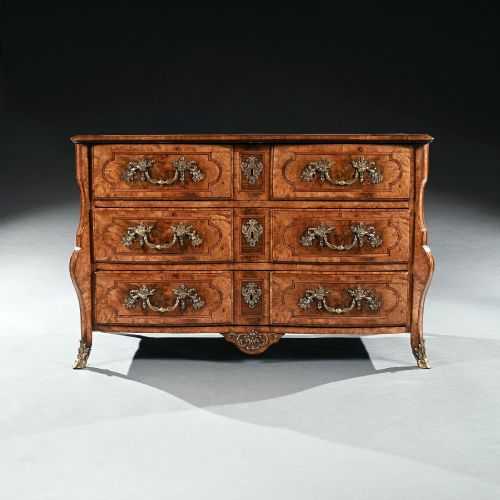
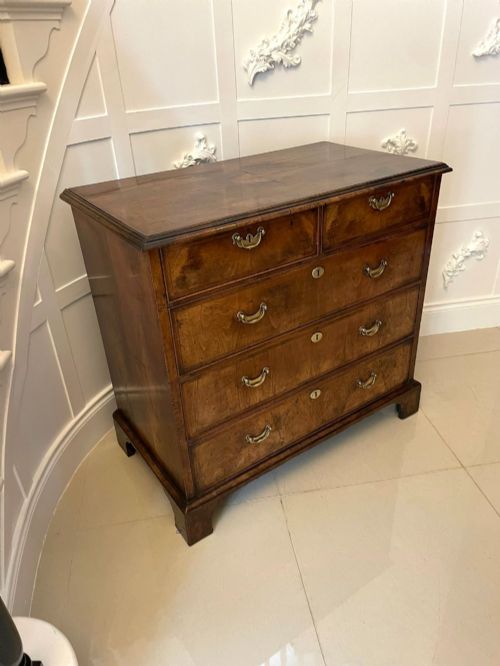
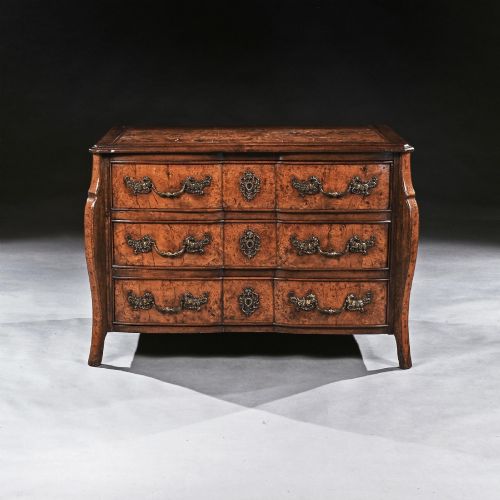
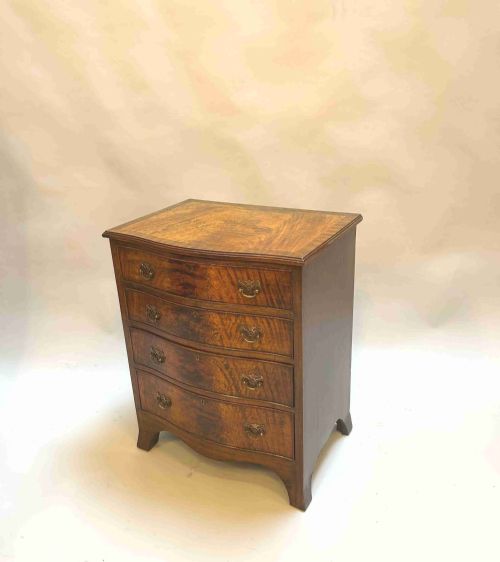
A burr wood commode brings remarkable grain patterns and historical depth into a room, spanning centuries of cabinet making from provincial elm to polished walnut.
Burr Wood Commode
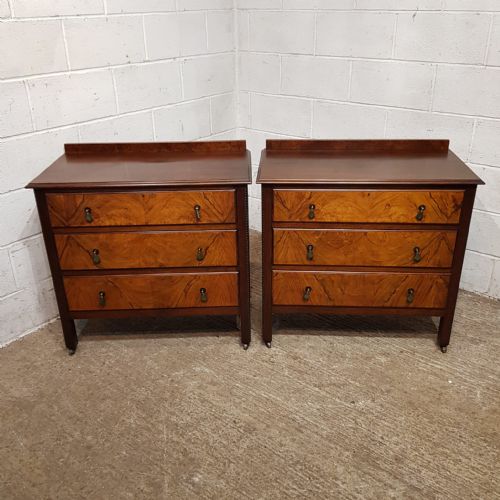
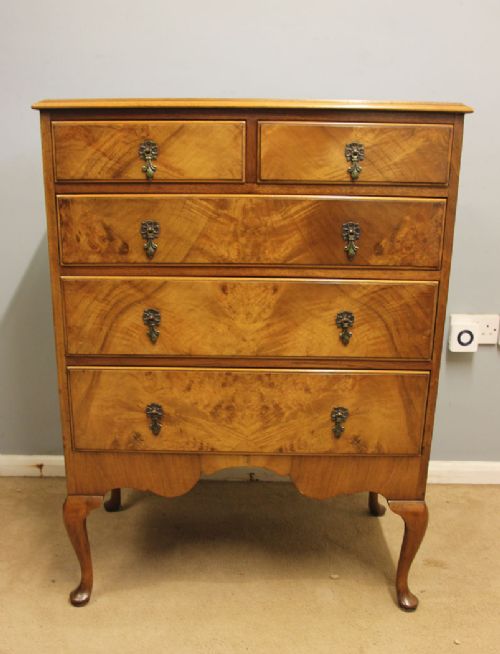
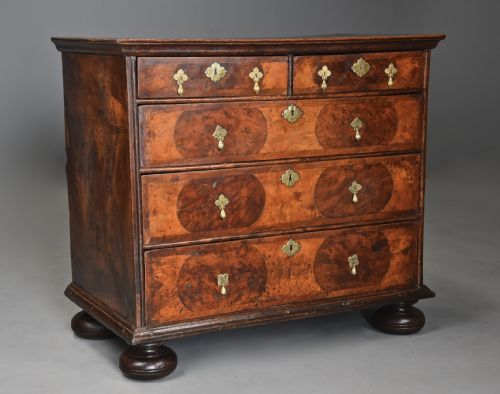
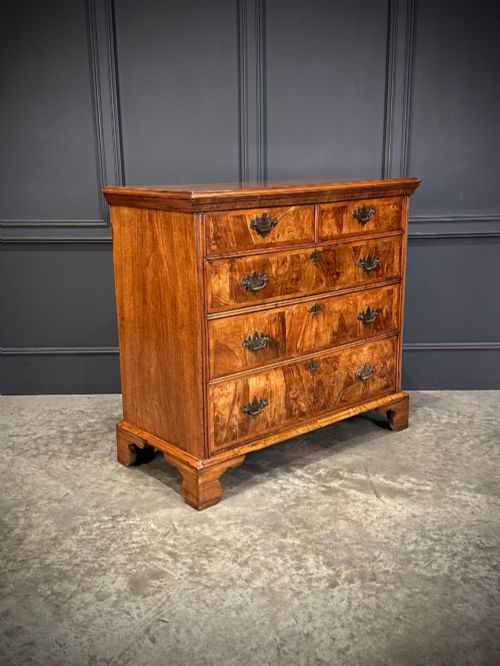
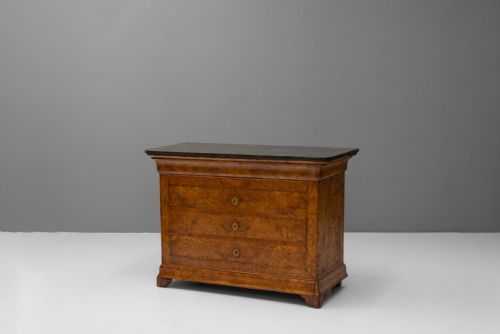
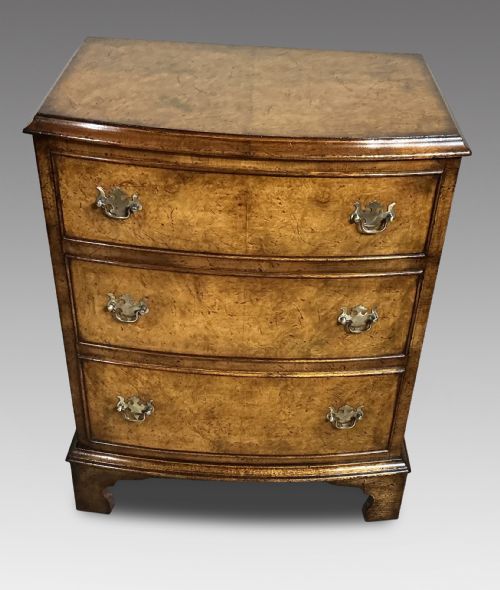
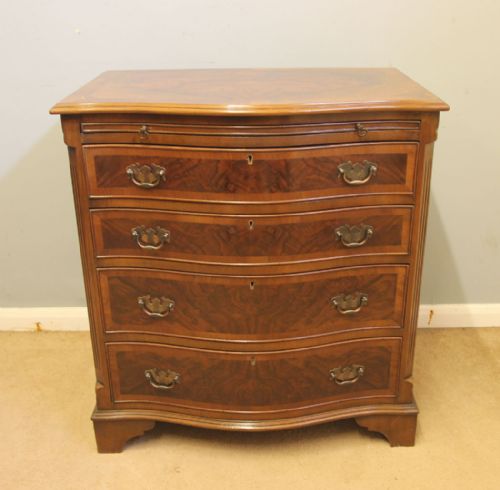
A burr wood commode is a storage chest or cabinet defined by the swirling, knotty grain patterns of timber growths, appearing across periods from the seventeenth century through to later revival styles. These pieces function as decorative focal points in a hallway or drawing room while providing practical drawer space.
Forms range from full-sized bombe shapes and bow fronts to miniature apprentice pieces and secretaire chests. Regional variations span English Georgian walnut, French Louis XV provincial elm, and Swedish birch, giving collectors distinct geographic traditions to explore.
Materials and Construction
Cabinet makers utilised thin slices of highly figured burr veneers applied over stable secondary timbers such as oak and pine. This technique displayed the intricate growth patterns of walnut, elm, ash, and yew without risking the stability of the entire carcase.
Surfaces were frequently finished with traditional polishes that enhanced the natural chatoyancy of the grain. Brass handles, escutcheons, and occasional marble tops completed the construction, combining durable joinery with decorative elegance.
The listings here feature walnut, elm, yew, ash, birch, maple, and amboyna woods across the eighteenth and nineteenth centuries.
Assessing Quality and Execution
Quality rests in the intensity and symmetry of the veneer work across the drawer fronts and top panels. Master cabinet makers selected and matched burr cuts to create harmonious visual patterns rather than haphazard arrangements.
The integrity of the underlying carcase construction and the retention of original brass hardware distinguish superior examples. Pieces that preserve their initial patination and smooth drawer movement command greater appreciation among collectors.
Thomas Hache of Grenoble
The Burr Wood Commode Glossary
- Burr wood
- Wood taken from a tree growth or excrescence where the grain has grown in a deformed, swirling manner. This produces highly decorative patterns prized in fine cabinet making.
- Commode
- A low chest of drawers or cabinet originating in France. The form evolved during the seventeenth and eighteenth centuries to become a principal living area furnishing.
- Bombe
- A swelling, convex furniture shape characteristic of eighteenth-century continental design. The curved sides require advanced carpentry skills to construct successfully.
- Patina
- The surface sheen and colour acquired by wood through age, handling, and light exposure. A well-preserved patinated surface demonstrates historical authenticity.
Burr Wood Commode: Frequently Asked Questions
What is a burr wood commode?
A burr wood commode is a decorative chest of drawers or cabinet surfaced with knotted, highly figured wood veneer. These pieces showcase complex grain patterns formed by tree growths.
Craftsmen utilised timbers such as walnut, elm, and yew to create functional storage items that doubled as works of art in domestic interiors.
How do I care for burr walnut?
Burr walnut requires gentle dusting with a soft, dry cloth and protection from direct sunlight and extreme humidity changes. Maintaining stable environmental conditions prevents veneer lifting.
Avoid standard silicone polishes and instead use traditional beeswax sparingly to nourish the wood and preserve its historic shine.
Where were these commodes made?
These commodes originated across England, France, Sweden, and Italy during various historical periods. Regional workshops developed distinct shapes, from English Georgian straight fronts to continental serpentine and bombe forms.
Local timber availability dictated whether makers used native elm, ash, or imported walnut and amboyna.
How do I date an antique commode?
Dating relies on examining construction techniques, timber choices, handle styles, and secondary woods like oak or pine. Eighteenth-century pieces often feature hand-cut dovetails and vernacular framing.
Stylistic cues such as bracket feet, cabriole legs, or revival proportions further help place a piece within periods like William and Mary or the Georgian era.