

Burr Walnut Wood Table
A burr walnut wood table brings rich swirling grain and warm golden-brown tones to a room, offering both practical surface space and distinct historical character.
Burr Walnut Wood Table
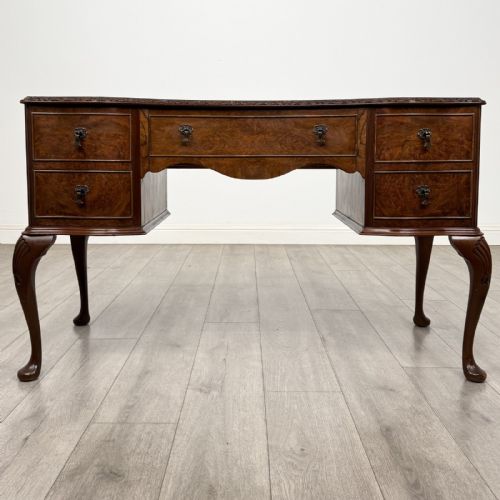
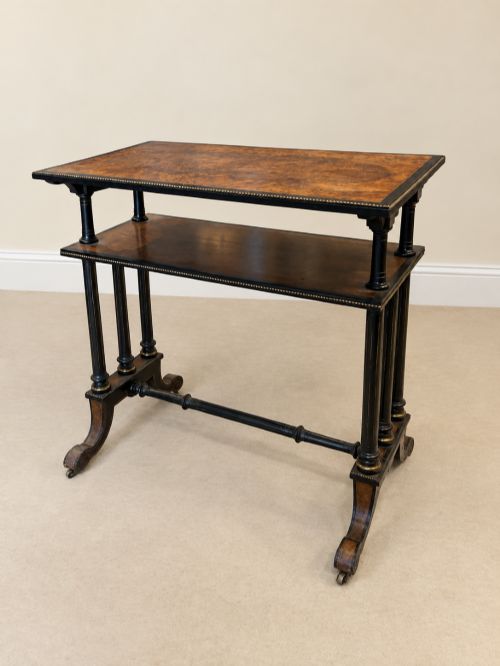
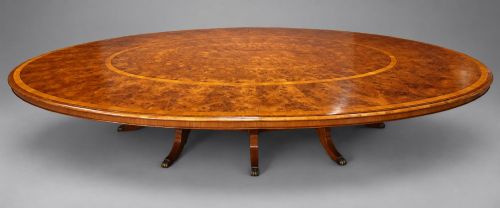
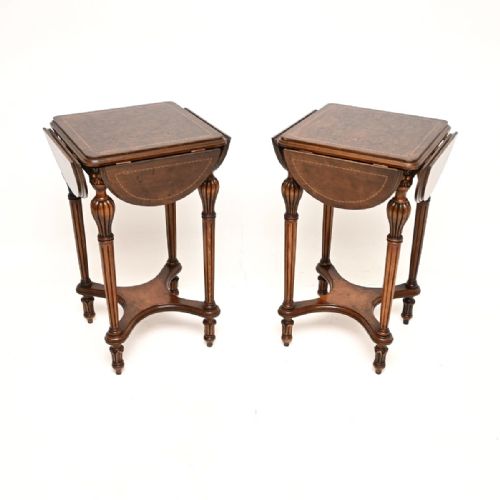
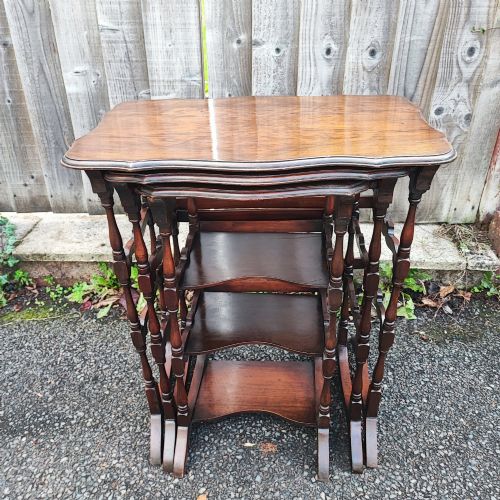
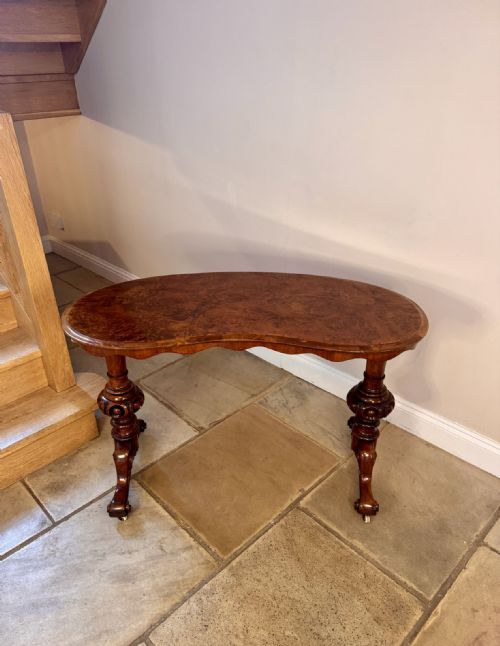
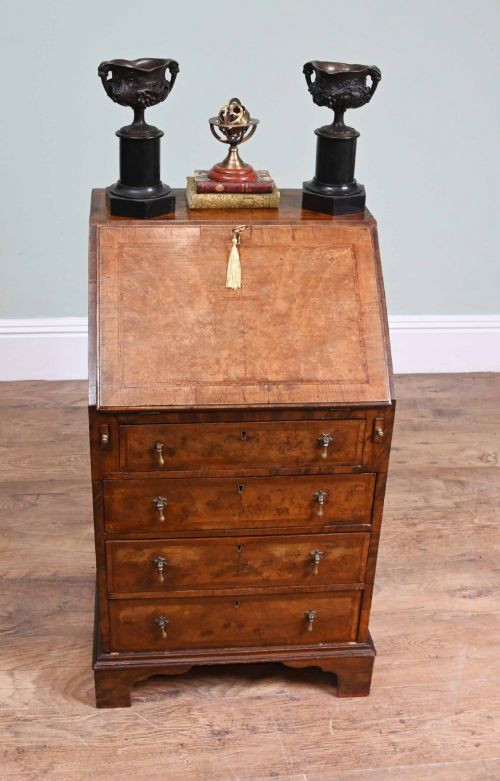
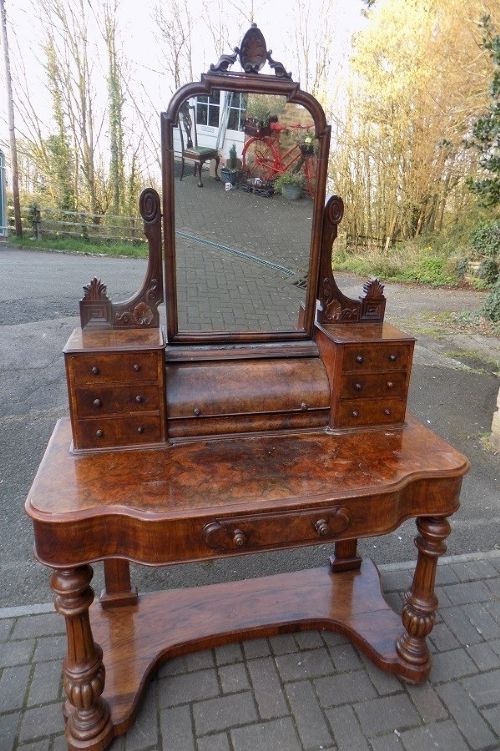
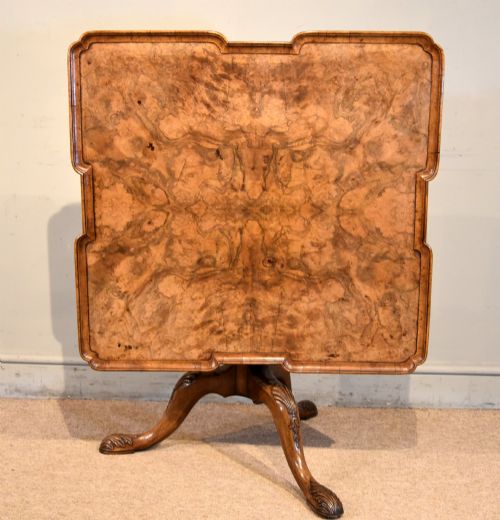
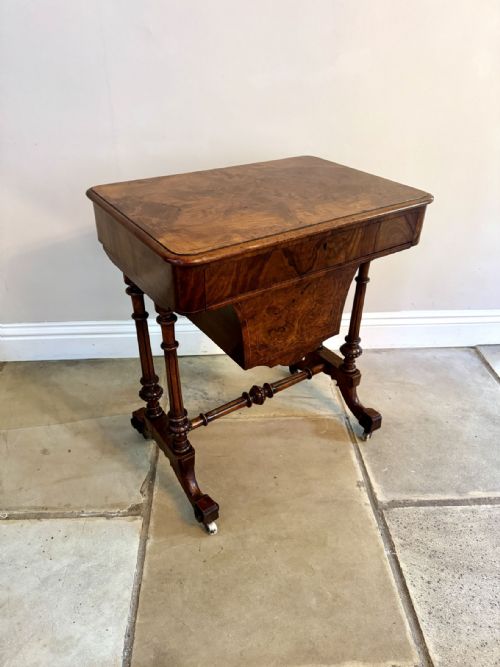
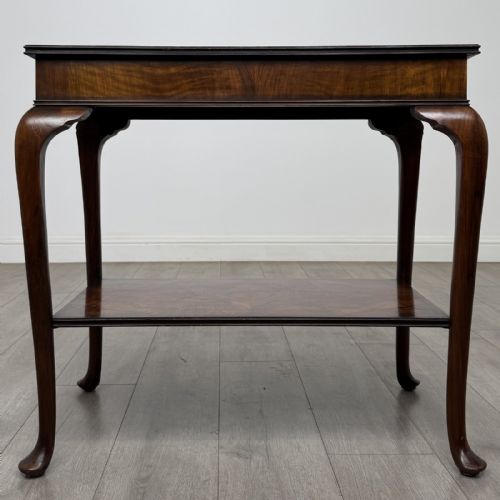
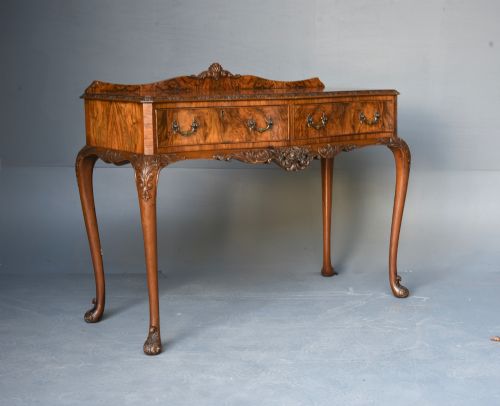
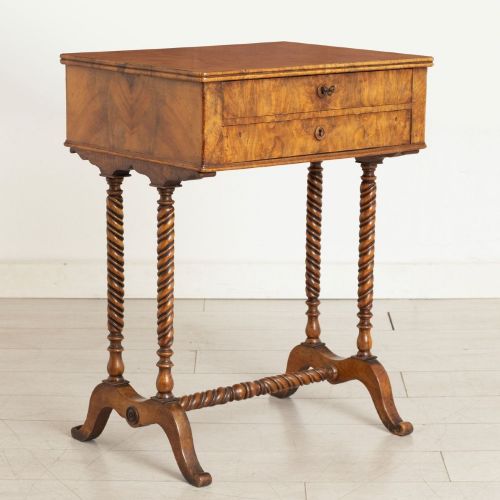
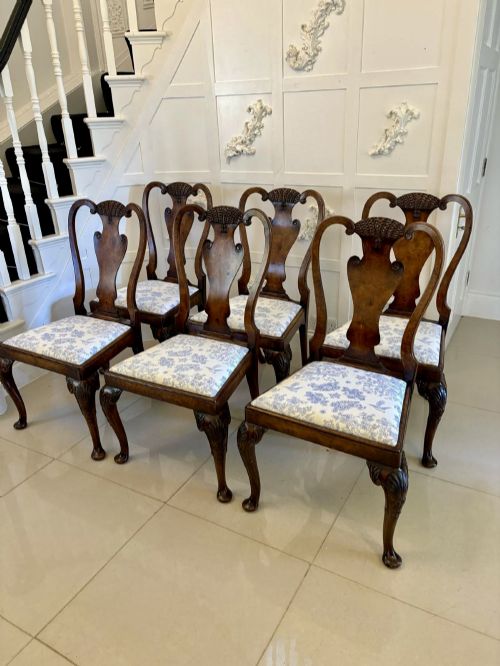
A burr walnut wood table comprises diverse forms ranging from Victorian card and games tables to Edwardian side tables and 1930s console designs. Buyers searching for a burr walnut wood table encounter pieces spanning the nineteenth century through the early twentieth century, alongside revival styles that echo earlier centuries.
The selection includes specific utility pieces such as lowboys, coffee tables, occasional tables, and writing desks alongside folding card tables and centre tables. Victorian and Edwardian examples dominate the available forms, often featuring cabriole legs or tripod bases.
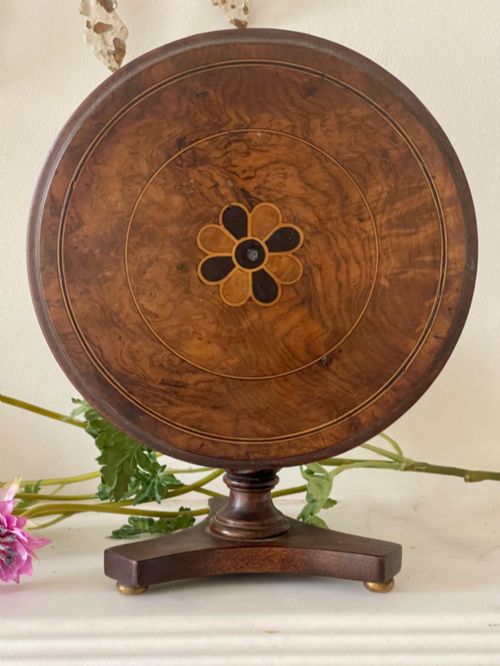
Craftsmanship from these periods incorporates traditional joinery alongside decorative elements such as boxwood inlay and serpentine shapes. Each piece displays the characteristic knotty, swirling growth patterns unique to burr timber.
Materials and Construction
Cabinet makers utilised thin slices of burr walnut veneer applied to solid wood carcases, allowing them to display complex swirling grain patterns across wide tabletops. This technique required precise hand-cutting and careful matching of the veneer leaves to create symmetrical patterns.
Secondary timbers such as mahogany and pine provided structural stability for frames, drawer linings, and internal supports. Artisans incorporated boxwood inlay for decorative contrast on tabletops and borders.
Finishes were traditionally built up using shellac-based polishes applied by hand, which deepened the natural lustre of the walnut and highlighted the intricate figure of the wood.
Burr Walnut Wood Table Retail Price Guide 2026
Typical asking prices for burr walnut wood table among the pieces listed under this phrase on Sellingantiques today, from the lower quarter to the upper quarter. They describe what is for sale here now, not the wider market.
Current listings feature burr walnut tables spanning the Victorian and Edwardian eras, alongside Art Deco examples.
Indicators of Quality
The visual impact of a burr walnut wood table depends heavily on the density and symmetry of the veneer's natural grain patterns. Master craftsmen selected the most figured sections of burr growth and matched them carefully across the surface to produce harmonious visual movement.
Structural refinement distinguishes superior examples, seen in the crispness of hand-carved details on cabriole legs, the tight fit of drawer joints, and the stability of folding mechanisms on games tables. The integration of secondary woods and the precision of inlaid boxwood lines further separate standard production from exceptional work.
Maple and Co
The Burr Walnut Wood Table Glossary
- Burr walnut
- A specialised timber harvested from walnut tree growths or burls, prized by cabinet makers for its complex, swirling grain patterns. It is typically sliced into thin veneers for application onto furniture surfaces.
- Cabriole leg
- A furniture leg featuring a double curve, typically arching outward at the knee and tapering inward toward the foot. This style appears frequently on Victorian and Edwardian tables.
- Lowboy
- A small oak, walnut, or mahogany table with one or more drawers, standing on relatively tall legs. They originated in the early eighteenth century and served various domestic functions.
- Boxwood inlay
- The technique of inserting small pieces of pale boxwood into recesses within a darker wood surface to create decorative borders or geometric patterns.
Burr Walnut Wood Table: Frequently Asked Questions
How do I date a burr walnut table?
Dating relies on observing structural characteristics, leg designs, and secondary timbers used in the construction. Victorian and Edwardian pieces often display machine-assisted precision alongside hand-finishing, while earlier examples show distinct joinery methods.
Comparing the style of the base, such as cabriole legs versus tripod supports, helps narrow down the period of manufacture alongside any visible retailer labels or stamps.
Where were these tables used originally?
These tables served various formal and functional roles within period homes, acting as centre tables in drawing rooms, games tables for evening entertainment, or side tables in hallways. Writing tables and lowboys provided dedicated surfaces for correspondence and personal grooming.
Their decorative burr surfaces meant they were placed in prominent public rooms to showcase the wealth and taste of the household to visitors.
How do I care for burr walnut?
Maintenance involves keeping the timber away from direct sunlight and extreme temperature fluctuations to prevent the veneer from drying out or lifting. Regular dusting with a soft, dry cloth preserves the polished surface without damaging the delicate wood underneath.
Occasional application of appropriate wax polish helps maintain the lustre of the finish and protects the wood from moisture.