
Burr Walnut Stand
Burr walnut stand items combine rich, swirling grain patterns with functional nineteenth- and twentieth-century designs that anchor a room.
Burr Walnut Stand
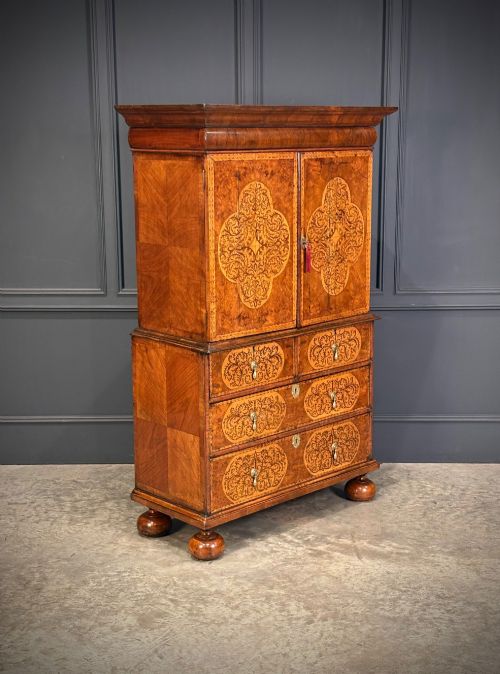
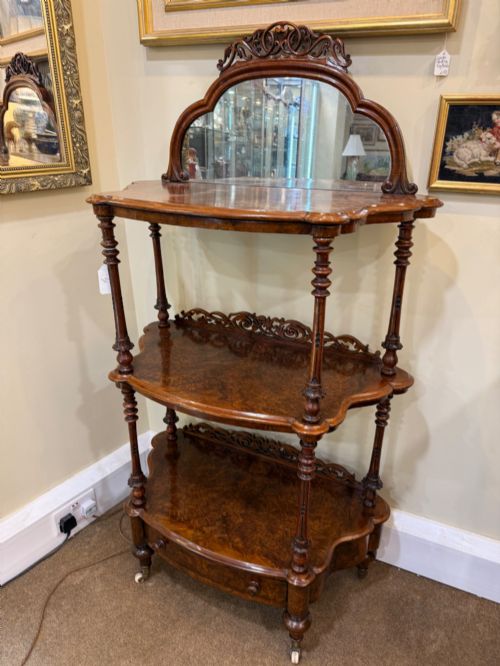
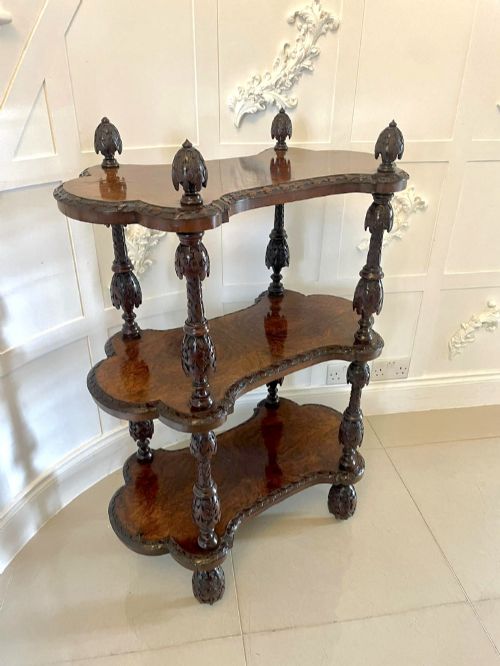
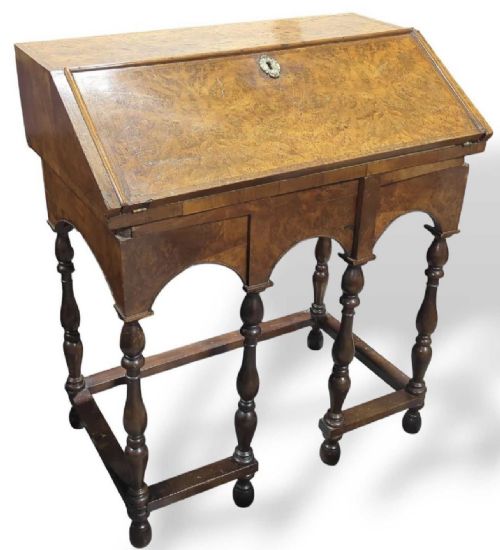
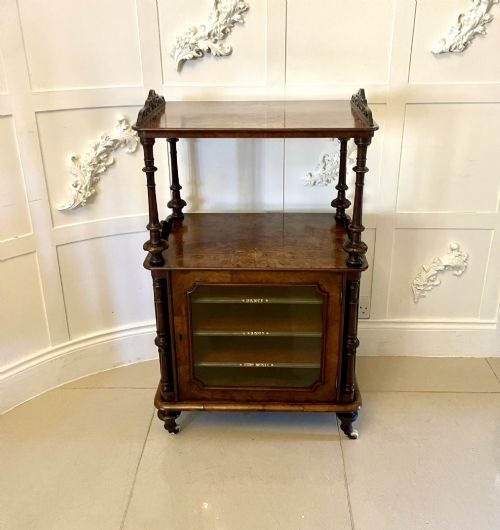
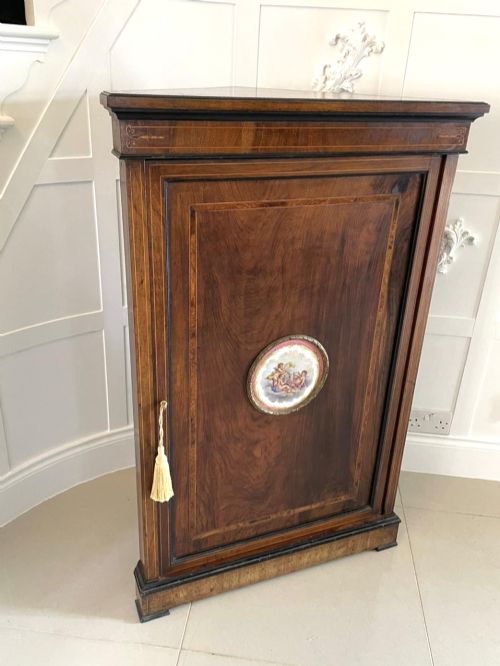
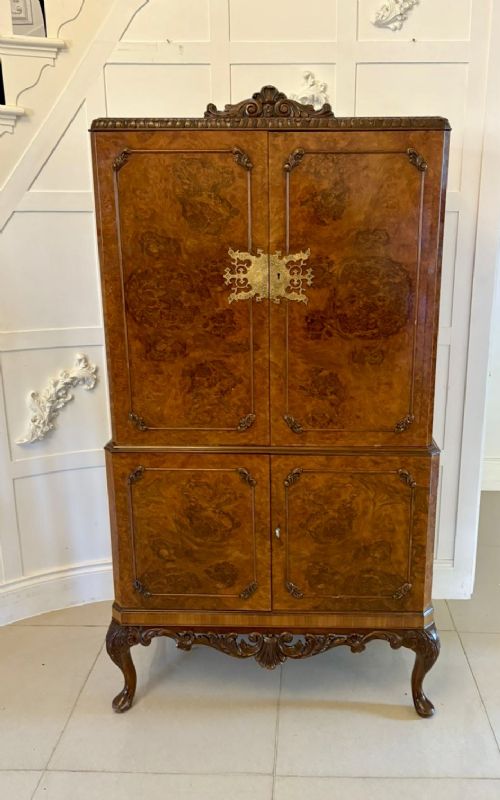
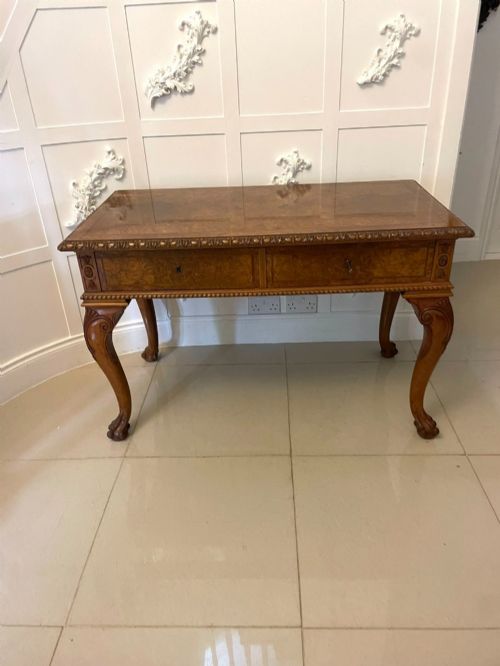
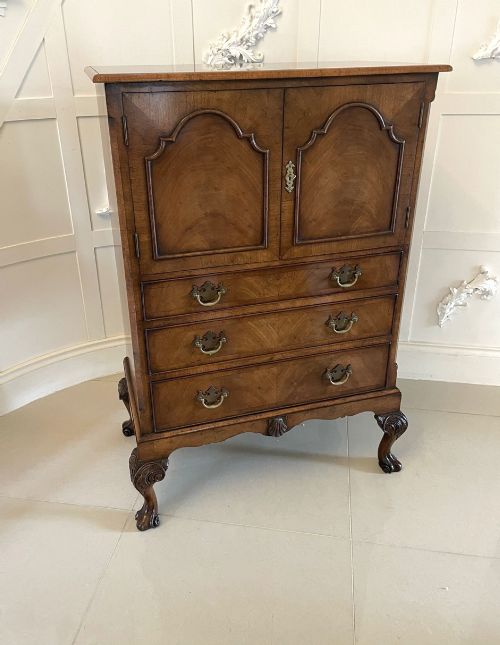
A burr walnut stand search brings up multi-tiered whatnots, lamp tables, and chests on raised supports dating from the eighteenth century through the twentieth century. These furnishings range from Victorian music cabinets and canterburys to early eighteenth-century George I chests on stands.
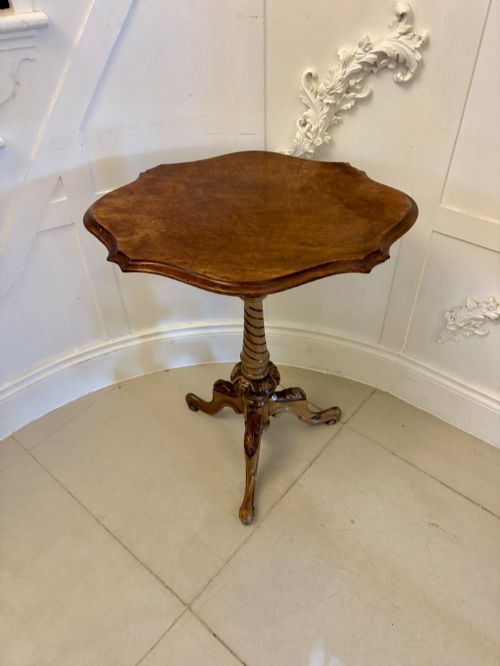
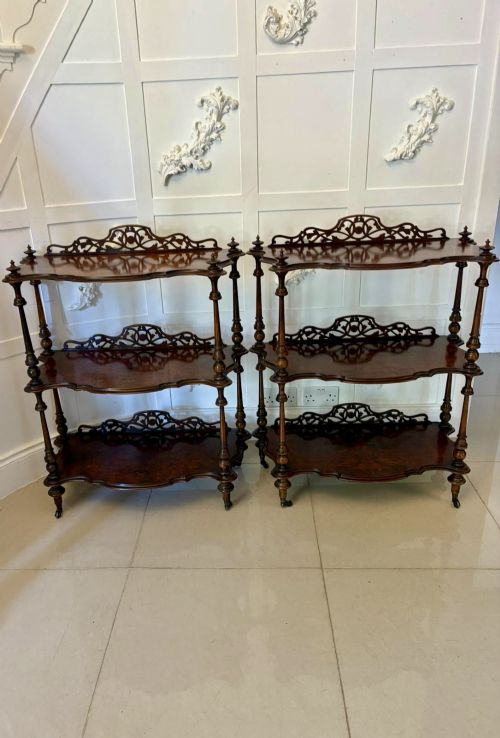
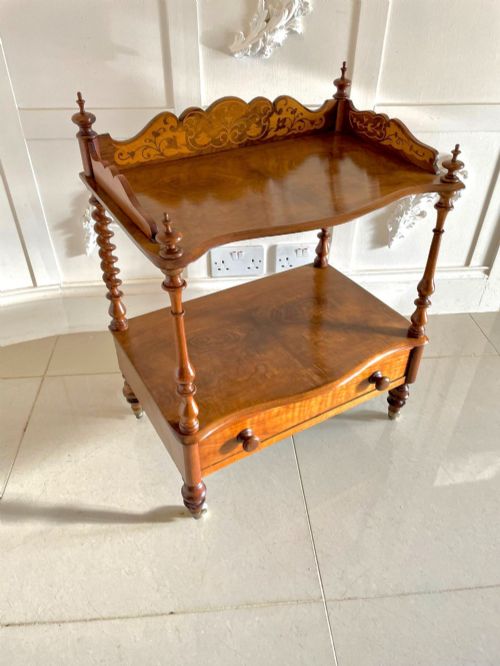
Victorian pieces dominate the selection, particularly tiered whatnots and canterburys featuring turned supports and serpentine shapes. Alongside these, buyers find occasional tables, cocktail cabinets, and longcase clocks utilising the same distinctive timber.
Earlier examples include walnut bureaux and chests on stands reflecting Georgian and Queen Anne styles. Later twentieth-century interpretations include Art Deco occasional tables and standing console tables.
Materials and construction methods
Craftsmen applied highly figured burr walnut veneer over secondary timbers such as oak, creating complex grain patterns across flat surfaces and shaped panels. This decorative wood was chosen for its knotty, swirling growths that produced rich visual depth.
Structural elements incorporated solid walnut and brass details, while interiors occasionally utilised glass and porcelain. Joinery techniques varied from traditional dovetailing on eighteenth-century chests to the turned columns and cabriole legs seen on Victorian whatnots.
Judging the standard of execution
The sophistication of the burr walnut figuring dictates the visual impact of each piece, with dense, symmetrical cluster patterns marking out superior examples. Makers who carefully matched the veneer across multiple tiers or drawer fronts achieved a cohesive finish.
The crispness of carved details, the finesse of inlaid stringing, and the integrity of the underlying structural timber separate standard production from exhibition pieces. Proportions also influence the balance of stands, particularly on tall whatnots and chests on stands.
The Burr Walnut Stand Glossary
- Burr walnut
- A veneer sliced from the deformed growths or burrs of a walnut tree, prized for its swirling, highly figured grain patterns. It creates a decorative surface utilised on high-end cabinets and tables.
- Whatnot
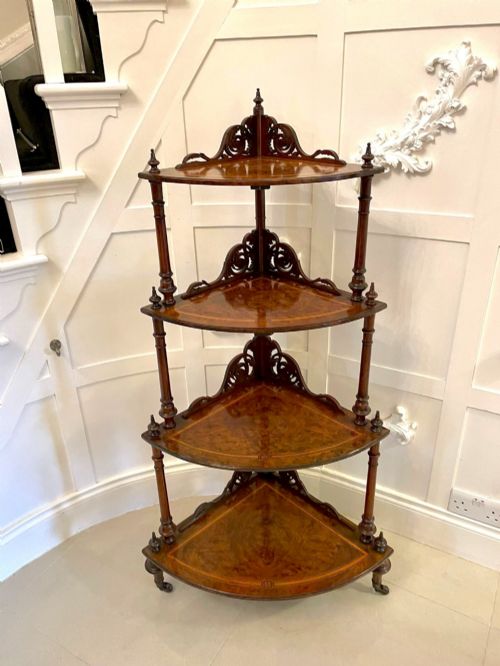
- An open-tiered shelving unit designed for displaying ornaments, books, or small objects. Victorian examples frequently feature multiple tiers supported by slender turned columns.
- Canterbury
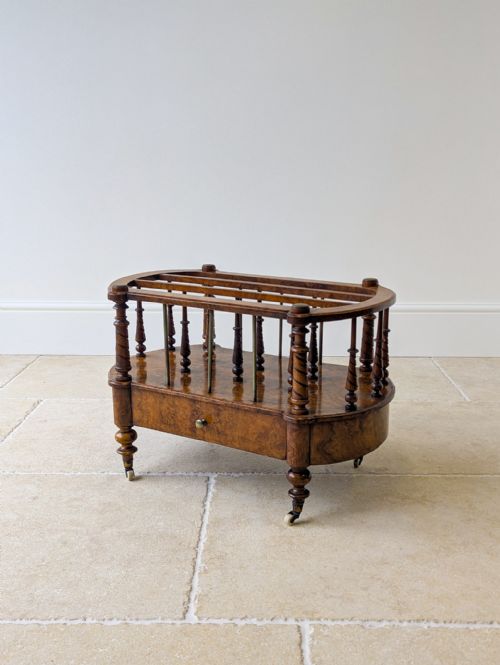
- A low, compartmentalised stand originally built to hold sheet music, folios, or magazines. Many versions incorporate a single drawer at the base and carrying handles.
- Chest on stand
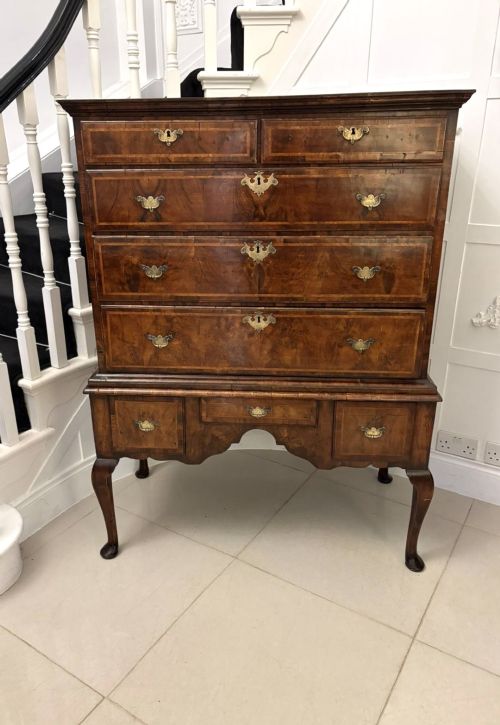
- A two-part form consisting of a main chest of drawers resting upon a separate frame with legs. Eighteenth-century models often display elaborate walnut veneers and cabriole supports.
- Serpentine shape
- A curved outline featuring a convex centre flanked by concave curves, frequently seen on the edges of Victorian whatnots and tabletops.
Burr Walnut Stand: Frequently Asked Questions
What is a burr walnut stand?
A burr walnut stand refers to various elevated furniture forms finished with highly figured walnut veneer. These include tiered display units, music cabinets, and chests raised on legs.
Such pieces date primarily from the Victorian era back to the eighteenth century, serving both decorative and practical roles in domestic spaces.
How do I care for burr walnut?
Burr walnut requires protection from direct sunlight and excessive heat to prevent the veneer from drying out or lifting. Regular dusting with a soft, dry cloth preserves the polished surface.
Avoid placing damp items directly onto the wood, as walnut veneer reacts poorly to moisture and alcohol.
What is a Canterbury used for?
A Canterbury is a compartmentalised stand designed to hold sheet music, newspapers, or periodicals within easy reach. The vertical divisions keep papers upright and organised.
Victorian versions often combine this function with a small drawer below or serve as occasional tables.
How do I identify a George I walnut piece?
George I walnut furniture typically dates from the early eighteenth century, displaying clean lines, rich grain patterns, and structural elements like cabriole legs. Chests on stands from this era feature expert veneering.
Makers of this period relied on structural integrity and subtle shaping rather than heavy carving.
Where should I place a whatnot?
A whatnot is a freestanding tiered shelf well-suited for corners or empty wall spaces in a living room or hallway. Its open shelves allow for the display of ceramics, books, and small collections.
Because they often feature detailed turning and burr walnut veneers, they work best where lighting highlights the grain.