

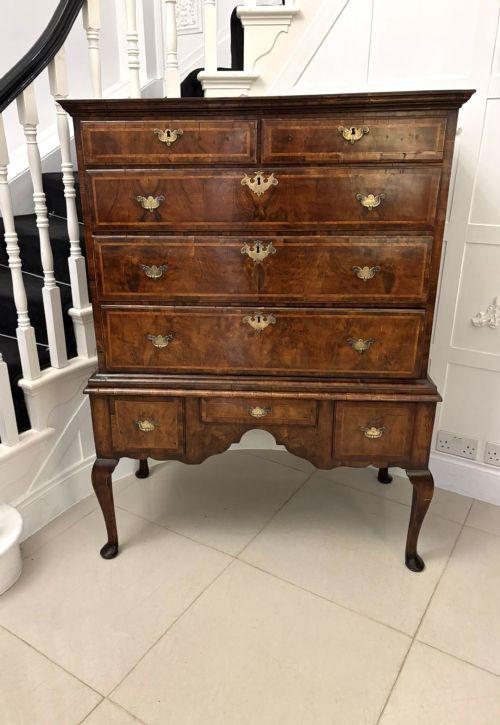
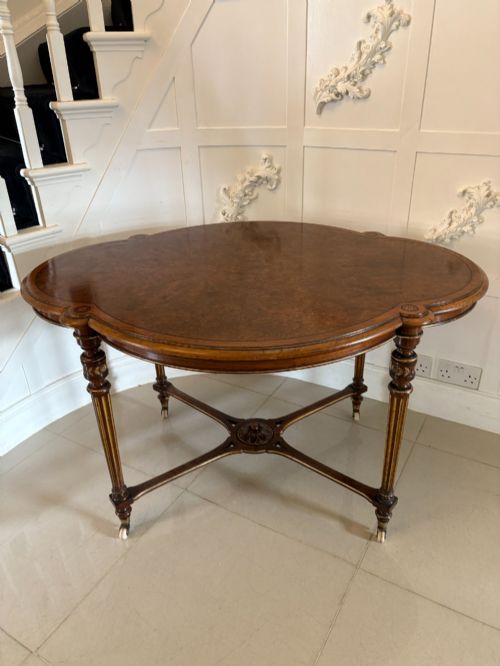
Burr Walnut Frames
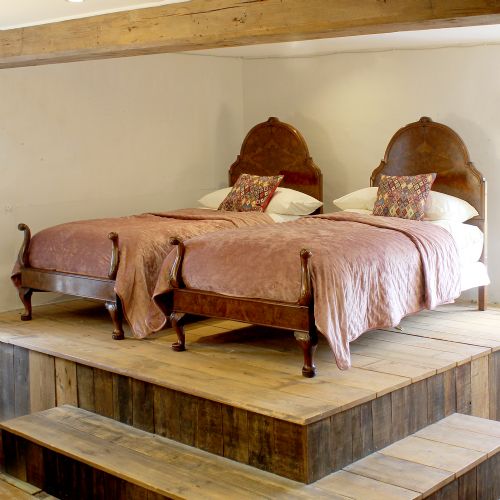
Burr walnut frames bring warmth and intense grain pattern to mirrors and beds.
Burr Walnut Frames
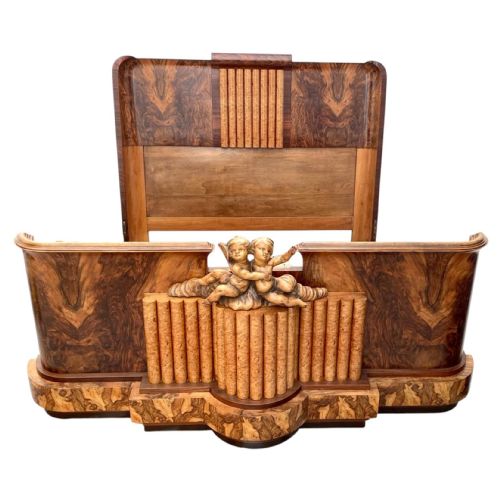
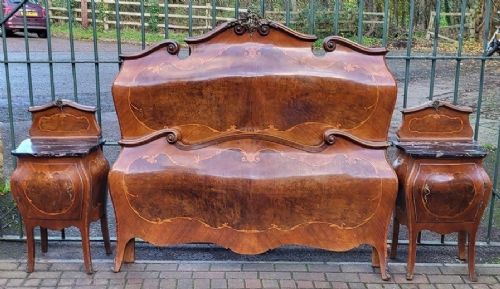
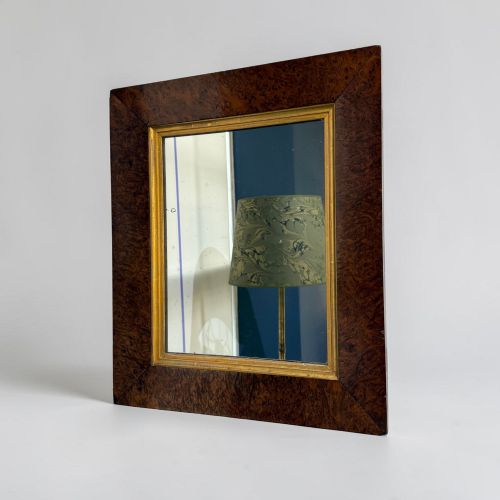
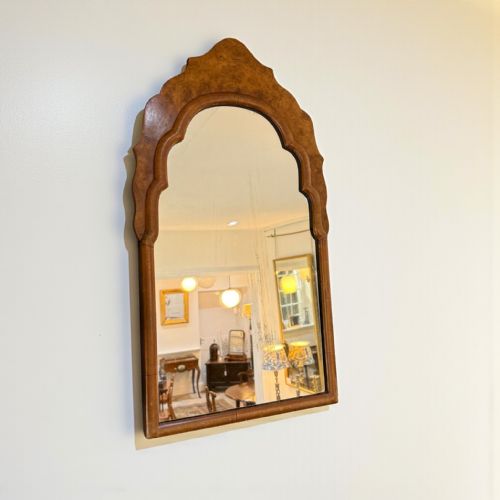
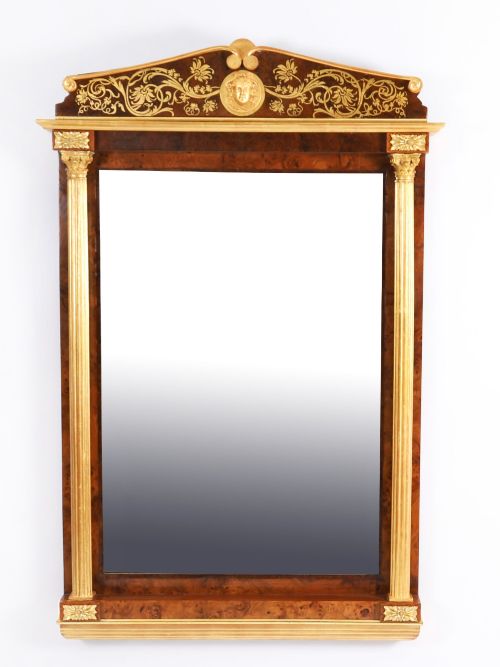
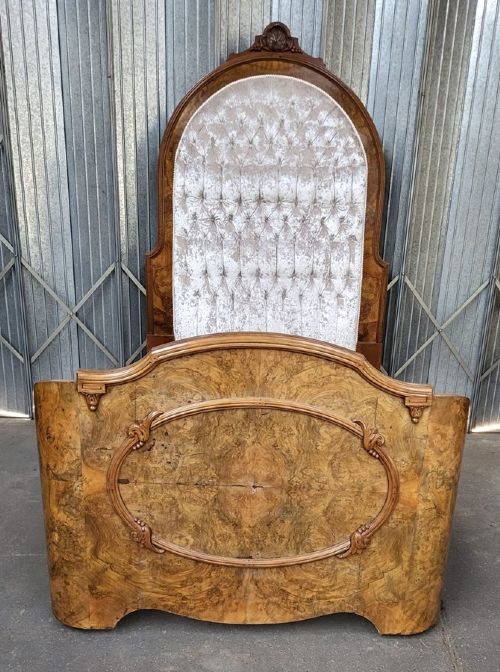
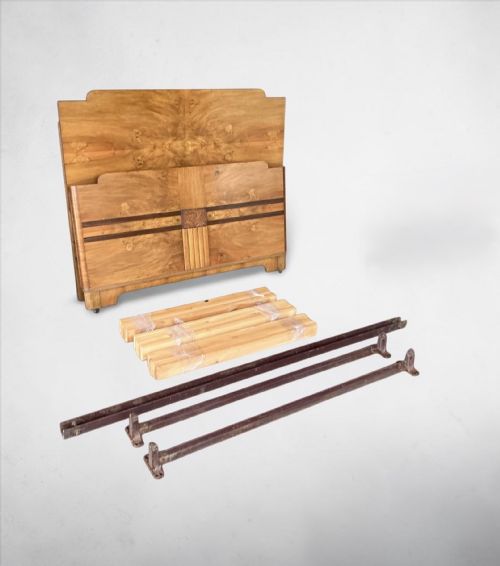
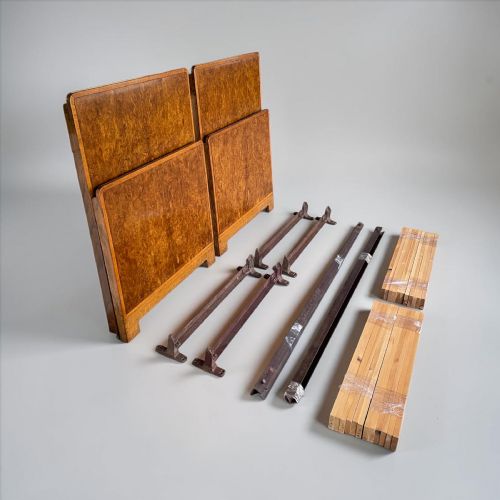
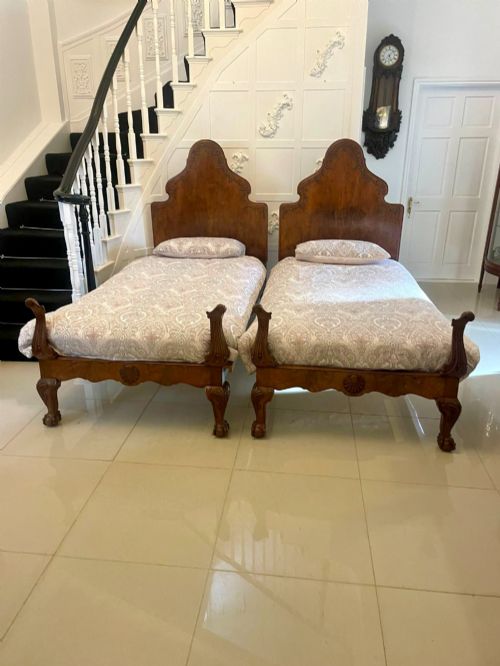
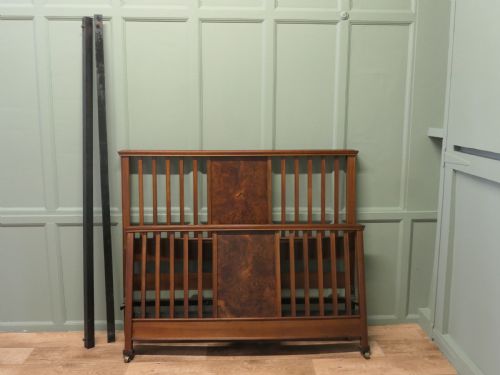
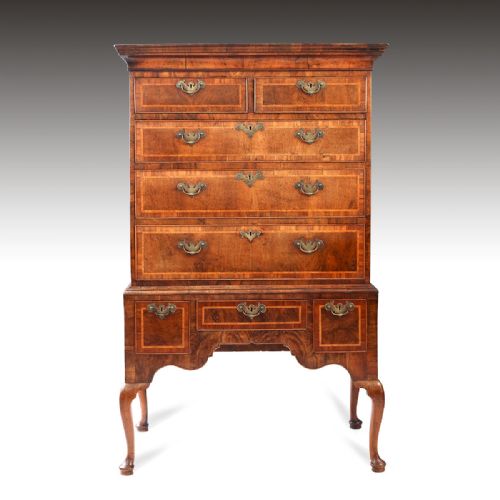
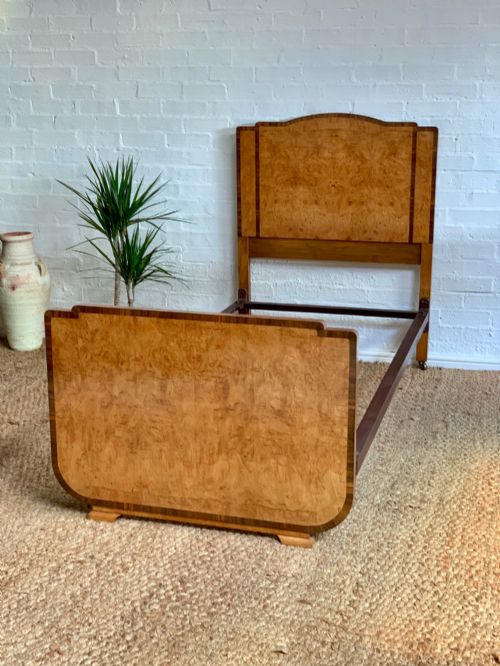
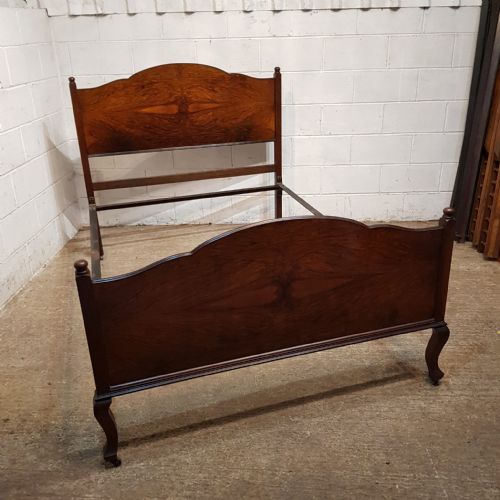
Burr walnut frames encompass architectural surrounds for wall mirrors and the structural woodwork enclosing beds, bedsteads and headboards. When searching for burr walnut frames, a buyer encounters pieces originating from the eighteenth century through to the art deco period of the 1930s. The selection spans domestic English furniture alongside continental examples influenced by French empire and queen anne styles.
Bedsteads and wall mirrors form the primary items meeting this search. Victorian double size high back bedsteads and art deco double bed frames appear alongside georgian and nineteenth century wall mirrors, offering distinct stylistic profiles from different eras of craftsmanship.
The spectrum of quality
Quality differences lie in the density and visual impact of the burr walnut figuring, where evenly distributed, intricate patterns command greater visual presence than plain or patchy veneer. The skill of the cabinetmaker shows in the book-matching of veneer leaves across symmetrical mirror frames and large bed panels.
The integrity of the underlying timber carcass and the preservation of original carved or gilded elements dictate the standing of a piece. Finer examples maintain crisp carving detail on Victorian and Edwardian frames without excessive restoration or replacement veneer.
Burr Walnut Frames Retail Price Guide 2026
Typical asking prices for burr walnut frames among the pieces listed under this phrase on Sellingantiques today, from the lower quarter to the upper quarter. They describe what is for sale here now, not the wider market.
Even a sleepy nineteenth century weasel painted by Carl Whitfield occasionally finds its way into an environment surrounded by these walnut frames.
Waring and Gillow·Elliott of London
The Burr Walnut Frames Glossary
- Burr Walnut
- A specialised wood veneer harvested from the abnormal growth or burl of a walnut tree, prized for its swirling knot patterns and rich colour. It provides a highly decorative surface on period furniture frames.
- Parcel Gilt
- A decorative technique where specific carved details or mouldings are partially covered in gold leaf. This finish frequently highlights walnut mirror frames and bed crests.
- Veneer
- A thin layer of superior wood adhered to a base timber core to provide a decorative exterior. Walnut veneer allowed makers to utilise expensive burr figure efficiently across large furniture surfaces.
Burr Walnut Frames: Frequently Asked Questions
What periods do these frames date from?
The listings include pieces spanning from the eighteenth century and the georgian era through to the Victorian, Edwardian and art deco periods of the 1930s.
Earlier items reflect classical revivals, while twentieth century pieces lean towards streamlined art deco and modernist forms.
How do I care for burr walnut veneer?
Burr walnut requires gentle dusting with a soft, dry cloth and protection from direct sunlight and extreme humidity changes. Keeping the room environment stable prevents the veneer from drying out or lifting from the timber base.
Avoid using modern silicone sprays or harsh chemical polishes, applying traditional beeswax sparingly instead.
Are bed frames standard modern sizes?
Antique beds often follow historical dimensions that differ from contemporary standard mattress sizes. Single and double bedsteads from the nineteenth and early twentieth centuries may require bespoke mattress commissions.
Checking exact internal measurements ensures proper compatibility with modern bedding and bases.
What is the difference between a mirror frame and an overmantle?
Standard wall mirrors are designed to hang freely on any vertical surface in domestic rooms. Overmantle mirrors are specifically proportioned to sit above a fireplace mantelpiece.
Both utilise similar framing techniques and burr walnut veneers but serve distinct architectural placements within an interior.