



Burr Veneer Table
A burr veneer table displays swirling timber growths across surfaces shaped during the seventeenth century through to the art deco era.
Burr Veneer Table
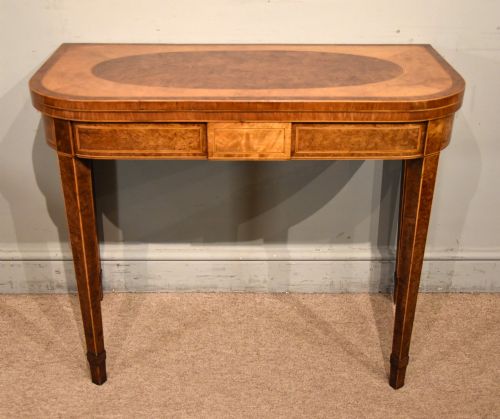
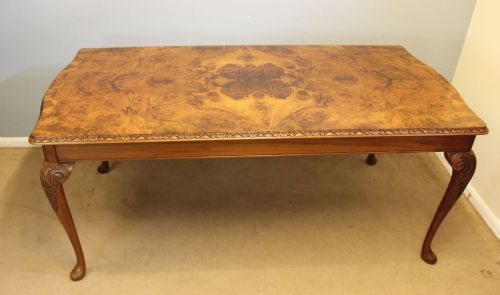
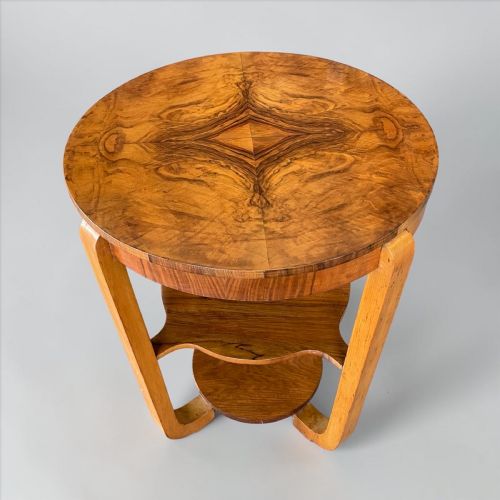
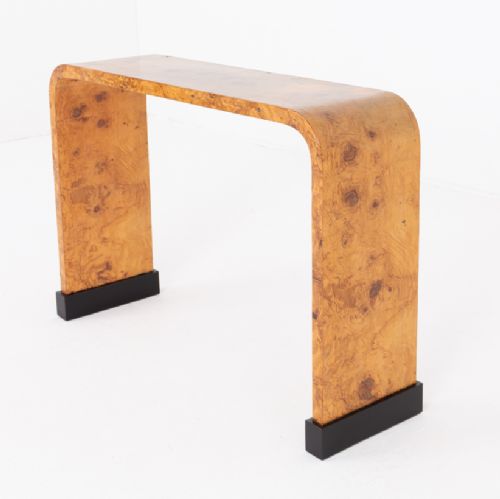
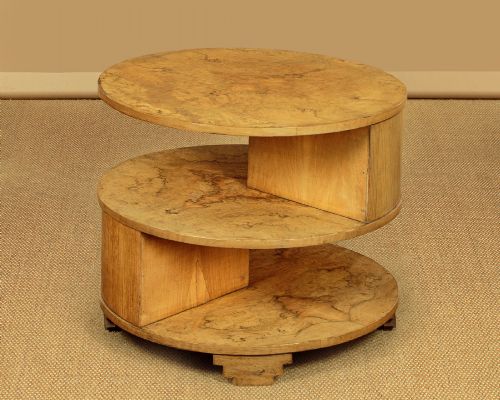
A burr veneer table centres on a sliced timber growth showing intricate grain patterns, found across forms like coffee tables, dining tables, console tables, and occasional tables. These pieces span multiple eras, including the nineteenth century, the art deco period of nineteen thirty, and earlier styles such as queen anne and george iii.
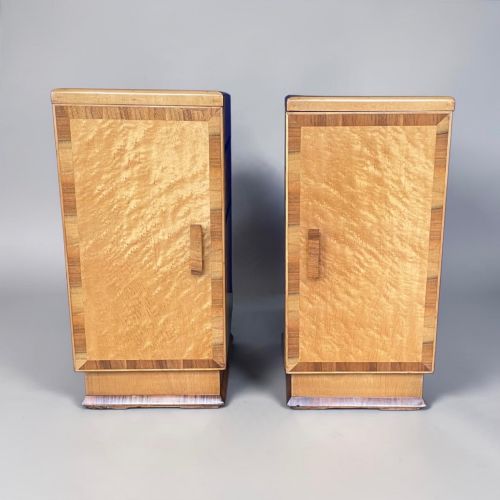
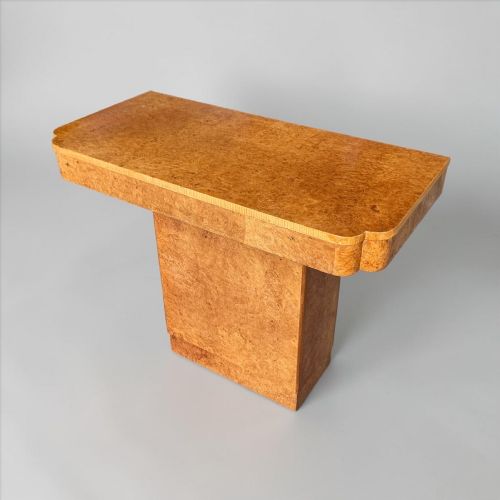
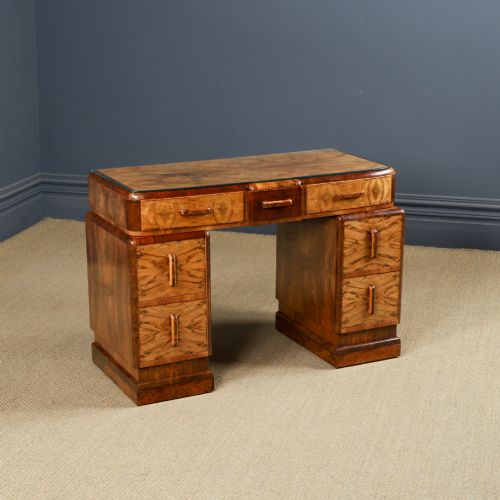
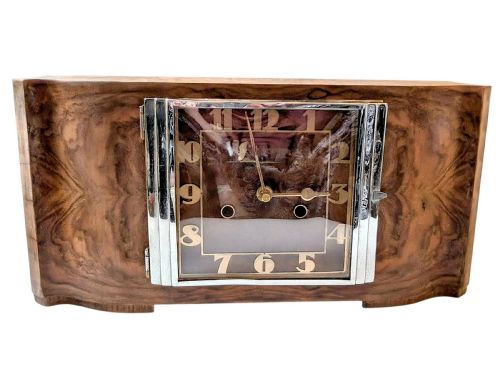
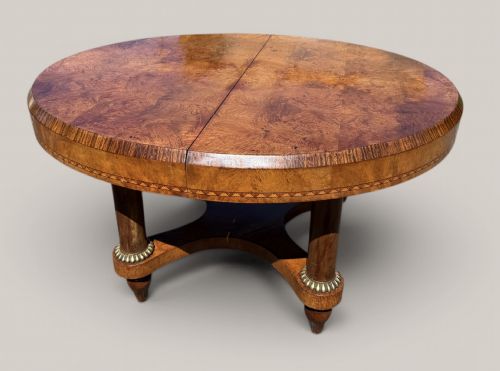
The most common examples on this page date to the nineteen thirties, featuring the streamlined geometry characteristic of art deco design alongside traditional occasional and coffee table forms. Alongside these, nineteenth century pieces appear frequently, utilising native and exotic timbers shaped into tea tables, side tables, and breakfast tables.
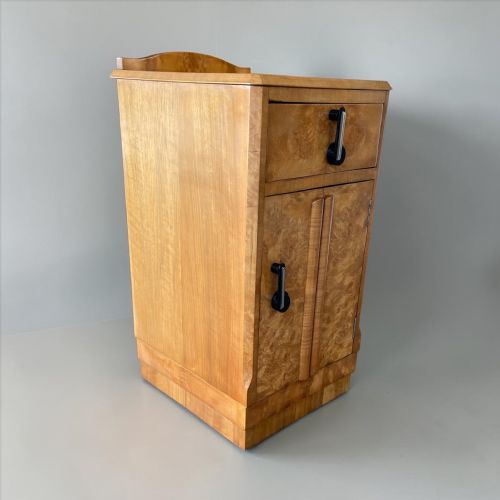
Buyers select these surfaces to introduce varied wood figures into an interior, choosing between formal dining tables, compact bedside tables, and extending designs. Each piece highlights the natural irregularities of tree growths transformed into functional furniture.
How They Were Made
Cabinet makers constructed these surfaces by applying thin slices of highly figured wood over a stable timber foundation, using natural adhesives to secure the pattern. This technique allowed workshops to display decorative grain across wide table tops without relying on solid sections of scarce growths.
Makers combined burr walnut, burr elm, burr birch, and burr ash with secondary timbers like oak and mahogany, occasionally adding crossbanding in contrasting woods such as rosewood. Surface finishing involved hand polishing to accentuate the natural swirls and knots inherent in the harvested burls.
Burr Veneer Table Retail Price Guide 2026
Typical asking prices for burr veneer table among the pieces listed under this phrase on Sellingantiques today, from the lower quarter to the upper quarter. They describe what is for sale here now, not the wider market.
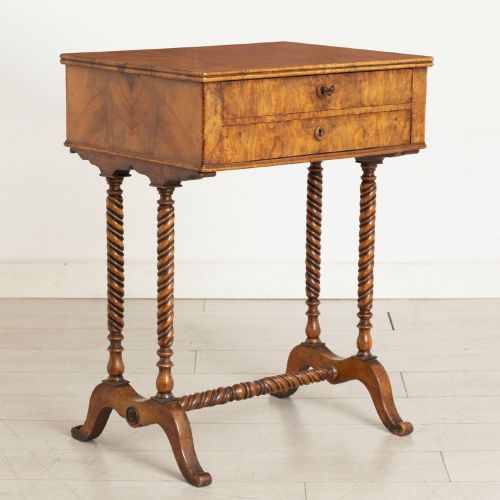
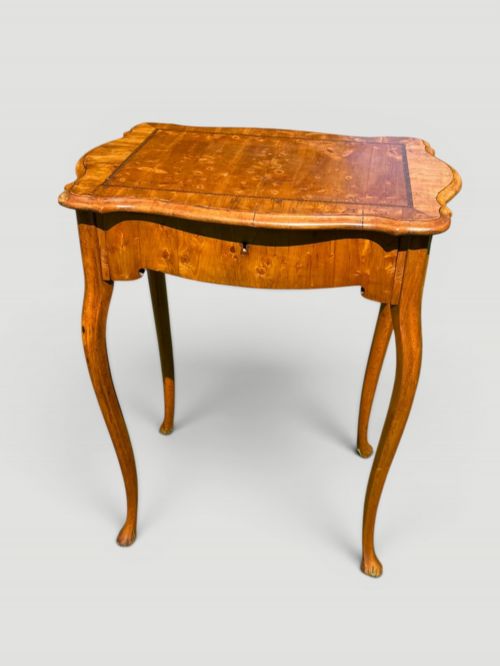
One clever nineteenth century tea table hides its brewing duties behind swirling birch patterns that make every afternoon cup feel like an aristocratic secret.
What Varies in Quality
The distinction between tiers rests upon the symmetry of the veneer layout and the depth of the figure within the wood. Master craftsmen matched individual leaves across a central seam to create symmetrical patterns, whereas simpler examples relied on random placement.
Construction methods also separate standard production from superior output, visible in the handling of edges, friezes, and supporting pedestals. Pieces that integrate secondary decorative elements like brass mounts or finely carved bases demonstrate higher ambition in workshop design.
Maurice Adams
The Burr Veneer Table Glossary
- Burr veneer
- A thin slice of wood cut from a tree growth or excrescence, prized for its swirling knot formations and decorative patterns. This material forms the primary decorative surface on the tables listed here.
- Crossbanding
- A narrow strip of veneer applied perpendicularly to the surrounding grain along the edge of a table top. This technique frames the central burr figure.
- Console table
- A wall-mounted or freestanding table designed to stand against a vertical surface, often featuring slender legs and decorative aprons. These items frequently appear in nineteenth century and art deco designs.
- Loo table
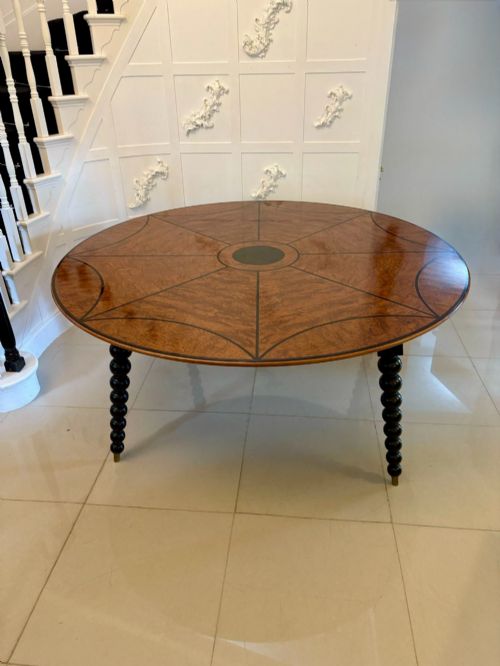
- A large round or oval card and conversation table popular during the nineteenth century, often supported by a central pillar and carved tripod base. The top frequently displays quarter-veneered burr walnut.
- Pedestal
- A single central support column carrying a table top, commonly seen on breakfast tables and drum tables. This structural element allows seating around the entire perimeter without corner legs in the way.
Burr Veneer Table: Frequently Asked Questions
How do I clean a burr veneer table?
Dust the surface regularly with a soft, dry cloth to prevent abrasive particles from accumulating on the polished finish. Avoid using chemical sprays or excessive moisture, which can penetrate the thin timber layer and damage the underlying adhesive.
Periodically apply a suitable furniture wax recommended for antique wood surfaces to nourish the grain and maintain a protective barrier against humidity changes.
What rooms suit an art deco table?
Art deco designs complement contemporary spaces as well as period interiors through their clean lines and striking geometric forms. A coffee table or console table works effectively as a focal point in a living room or hallway.
Pairing these items with minimalist furnishings allows the distinctive wood figures to stand out without visual competition from surrounding decor.
How do I identify a nineteenth century piece?
Nineteenth century examples often display specific regional characteristics, such as the pale blonde tones of Swedish burr birch or the rich dark hues of Victorian burr walnut. Construction details, including hand-cut dovetails and traditional joinery methods, distinguish these older items from later revivals.
Examining the underside and interior linings reveals the working methods of period workshops that differ from twentieth century manufacturing techniques.