

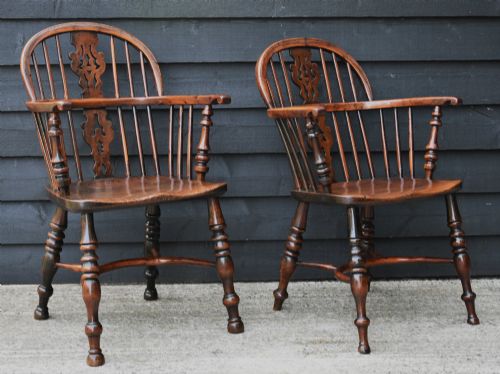
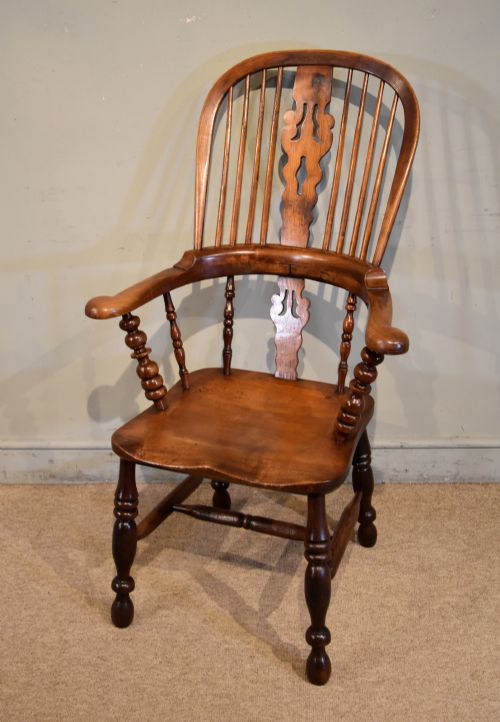
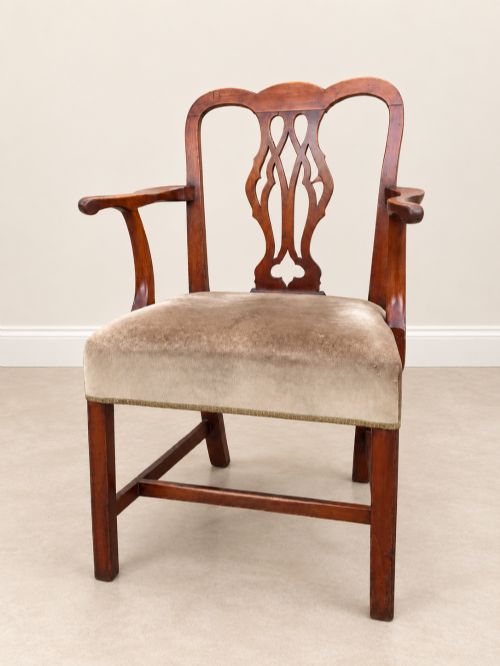
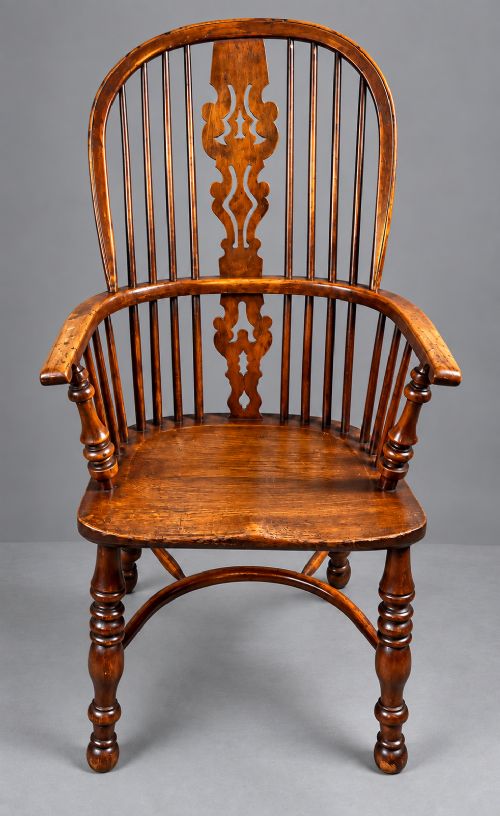
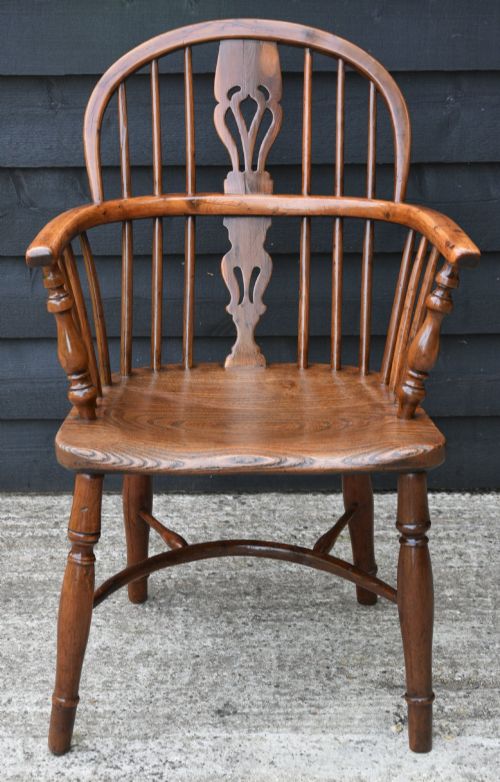
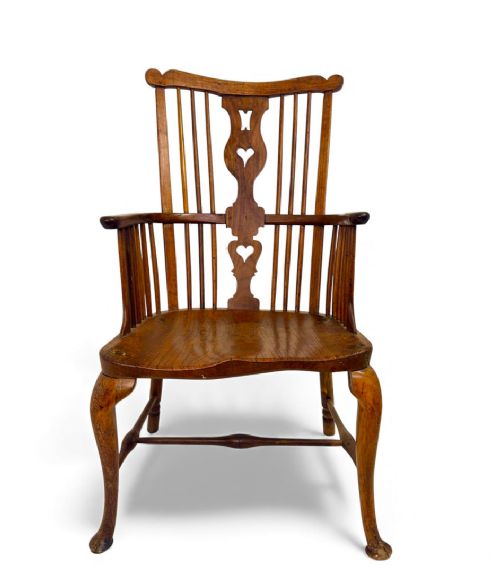
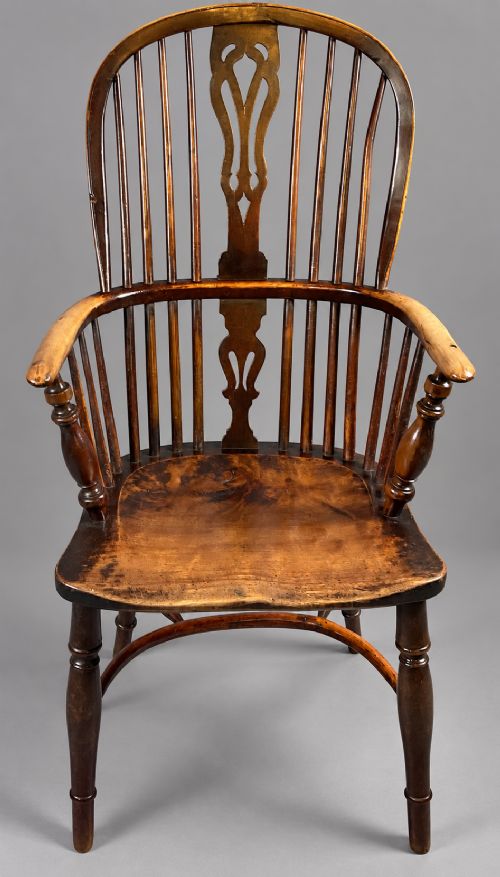
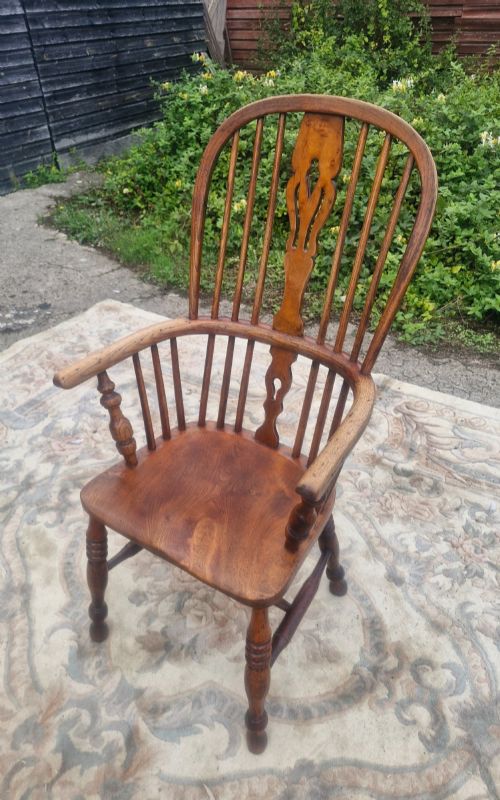

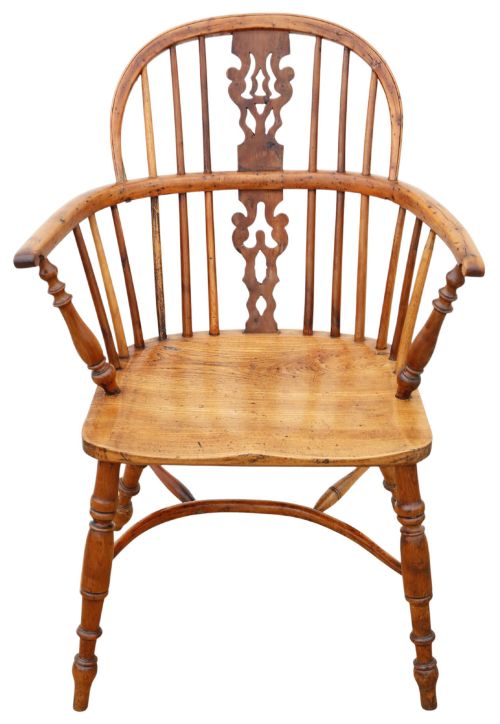
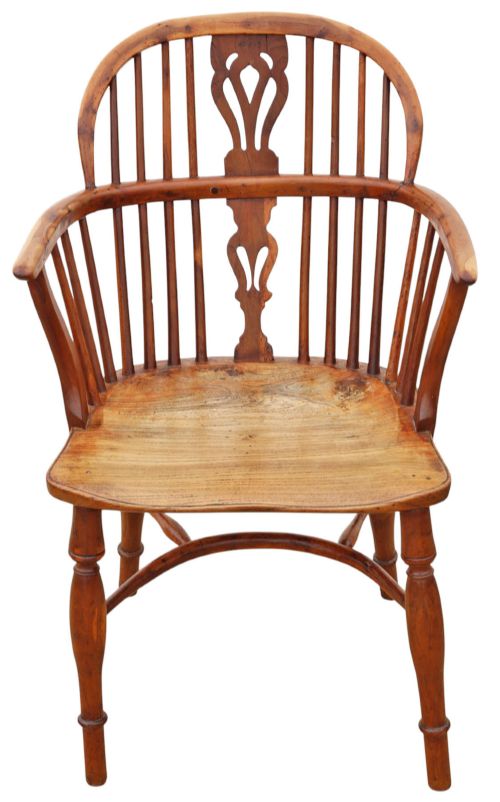

Brown Yew Armchair
When you handle a brown yew armchair, you meet a piece of English country furniture built for daily comfort and structural strength.
Brown Yew Armchair
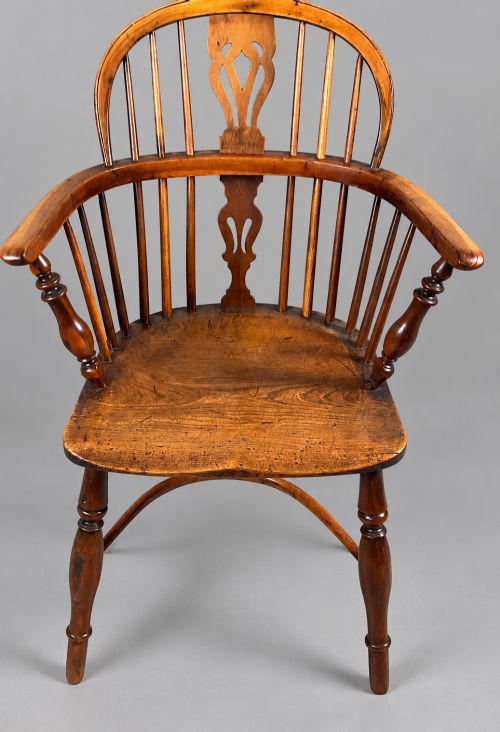
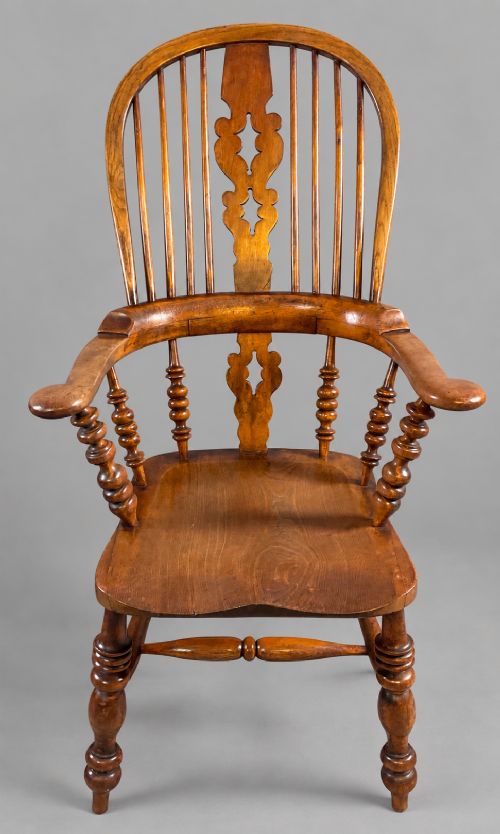
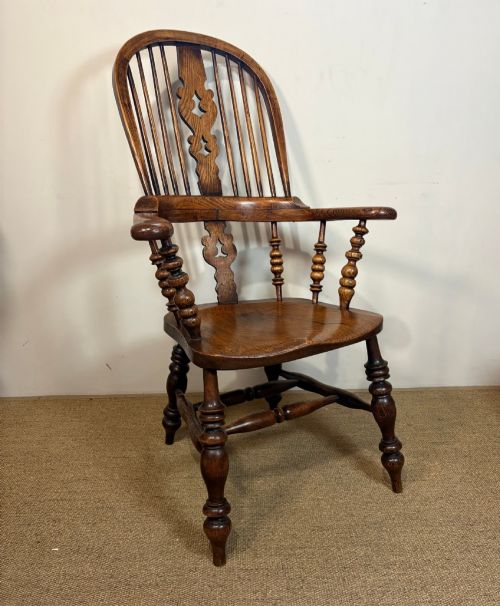
A brown yew armchair typically takes the form of a Windsor chair, featuring high backs, low backs, comb backs, or hoop backs designed for regional domestic use. These seats span the Georgian, Victorian, and 19th-century periods, showing vernacular English craftsmanship from workshops in the Thames Valley, Yorkshire, and other rural districts.
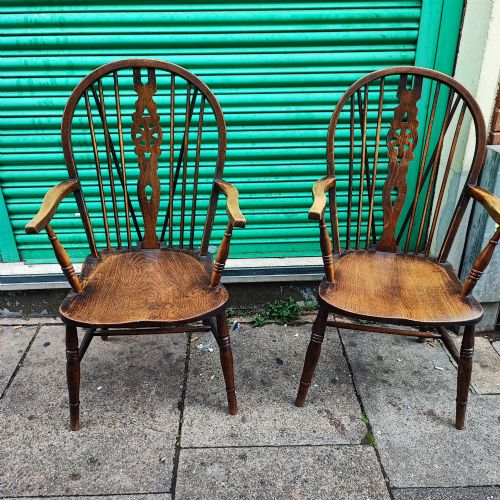
You will most frequently encounter Windsor chairs and carver chairs that combine yew wood with elm seats, sometimes enhanced with ash or beech components. The listings present matched pairs, sets, and single armchairs displaying rich timber grain beneath polished surfaces.
Materials and construction
Makers built these chairs using a combination of yew wood for the bent parts, arms, and spindles, paired with solid elm for the saddle seats. Additional timbers like ash, beech, fruitwood, and oak appear in the undercarriages, legs, and stretchers to provide rigid support.
The construction relies on traditional stick-back and Windsor methods, joining turned legs and spindles directly into thick carved seats using wedged tenons. Frame rigidity often comes from crinoline stretchers or rigid underframing that binds the legs together.
Brown Yew Armchair Retail Price Guide 2026
Typical asking prices for brown yew armchair among the pieces listed under this phrase on Sellingantiques today, from the lower quarter to the upper quarter. They describe what is for sale here now, not the wider market.
The listings show pieces spanning the Georgian and Victorian eras, alongside 18th-century and 19th-century items built from yew, elm, ash, and beech.
Evaluating the pieces
Quality rests upon the choice of timber and the complexity of the turning, particularly the presence of burr yew grain in the splats and backs. Chairs featuring sculpted broad arms, pierced splats, and crinoline stretchers demonstrate higher regional skill than plain utilitarian seating.
Proportion and structural integrity separate standard workshop output from exceptional examples. Matched pairs and sets maintain uniform timber patination and balanced hoop or comb formations across every chair.
Gabbitass of Worksop·J Spencer
The Brown Yew Armchair Glossary
- Windsor chair
- A wooden chair built with a heavy solid timber seat into which the legs and back spindles are tenoned directly. This form developed deep regional variations across England.
- Crinoline stretcher
- A curved wooden brace connecting the legs of a chair below the seat, shaped like a hoop. This component adds substantial rigidity to the underframe.
- Comb back
- A chair back design where the vertical spindles rise to top a horizontal rail, resembling the teeth of a comb. This style appears frequently on 18th-century pieces.
- Hoop back
- A continuous curved wooden bow that forms the upper back and arm support of a chair. The piece uses steam-bent timber to achieve its rounded contour.
- Broad arm
- An armchair featuring wide, flattened wooden armrests designed for writing or comfort. These members are often shaped from a single solid piece of yew or elm.
Brown Yew Armchair: Frequently Asked Questions
What is a brown yew armchair?
A brown yew armchair is a traditional wooden seat, most commonly found as a Windsor chair, constructed with a shaped elm seat and yew wood framing. These chairs originate from English country houses and regional workshops.
They combine turned wooden spindles with steam-bent bows and comfortable armrests, displaying the distinct warm brown tones of aged yew timber.
Where were these chairs made?
These armchairs were produced across various English regions, with notable regional centres like the Thames Valley and Yorkshire producing distinct vernacular styles. Local rural workshops supplied these chairs to farmhouses and country residences.
Craftmakers utilised locally sourced timbers, resulting in regional variations in spindle arrangement, leg turning, and back shapes.
How do I care for yew wood?
Yew wood furniture benefits from stable indoor humidity and protection from direct sunlight to preserve its natural colour and prevent timber splitting. Regular dusting with a dry cloth keeps the polished surface clean.
Application of traditional wax polish helps maintain the lustre of the wood without building up heavy chemical layers over time.
How can I date a Windsor chair?
Dating relies on examining construction techniques, tool marks, timber combinations, and the specific style of the back and stretchers. Georgian examples often feature lighter framing and specific comb or hoop configurations compared to later Victorian iterations.
Regional characteristics and maker stamps, where present, provide further chronological context for individual pieces.