


Brown Wooden Slatted Bench
A brown wooden slatted bench is a practical piece of seating or support, and you want one for its sturdy construction and simple utility.
Brown Wooden Slatted Bench
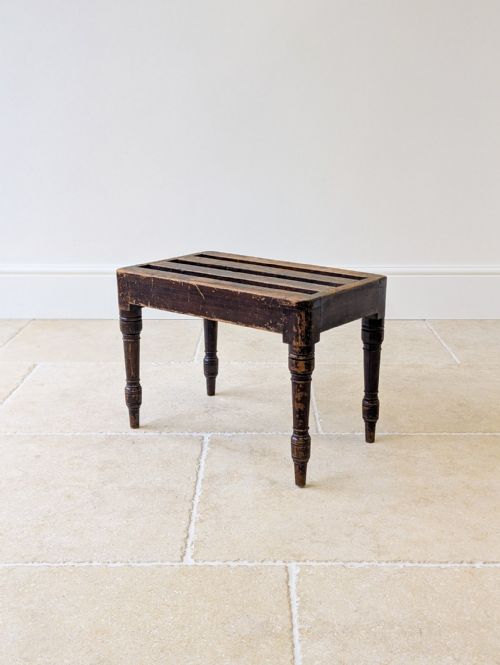
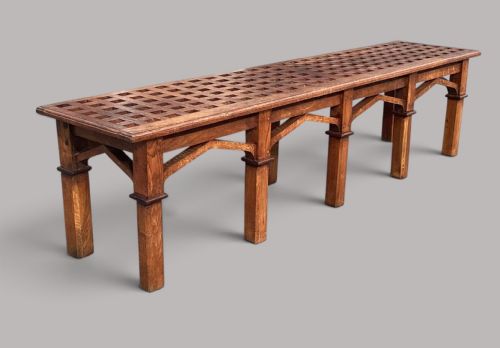
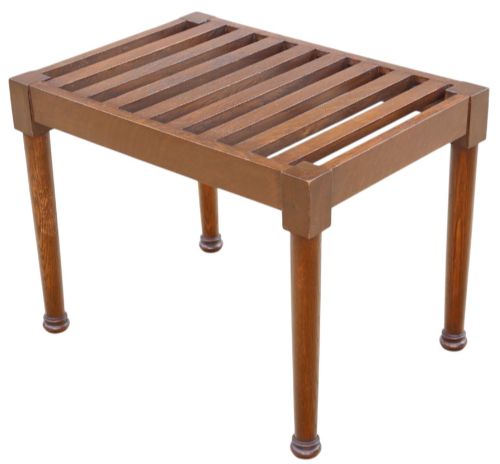
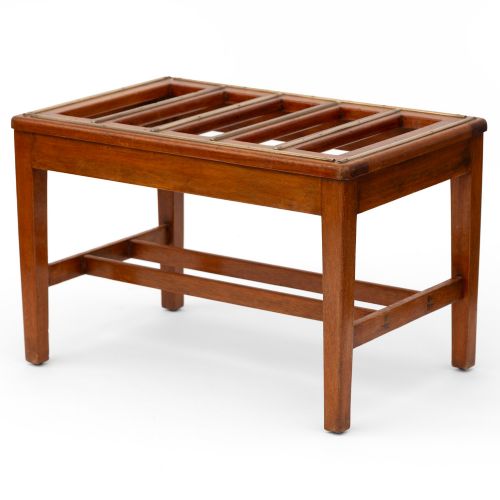
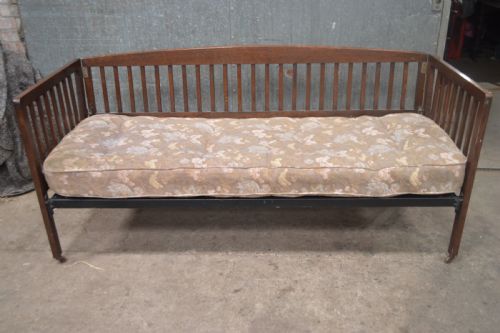
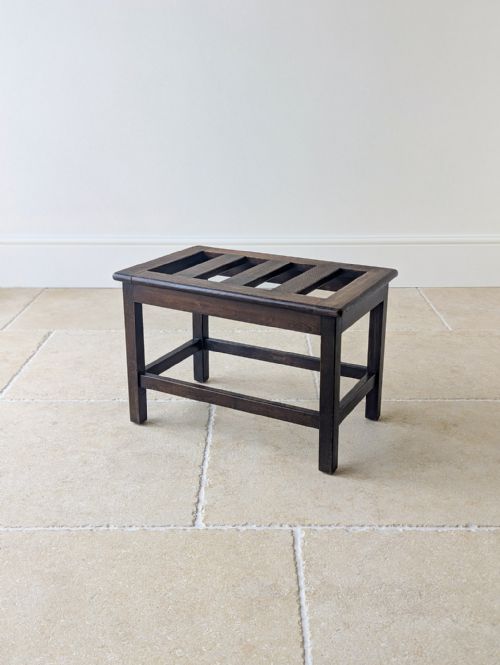
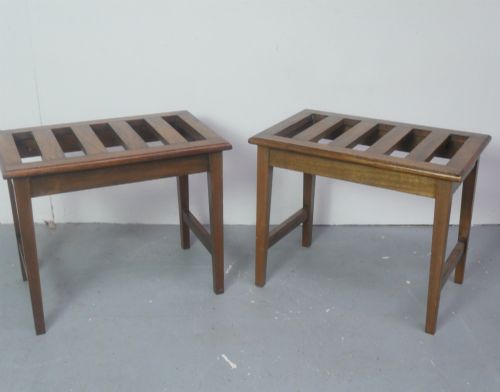
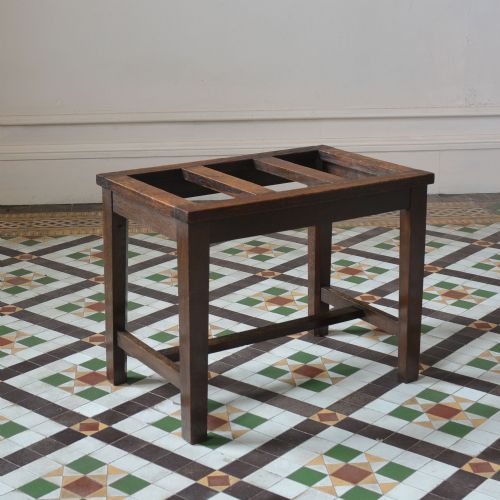
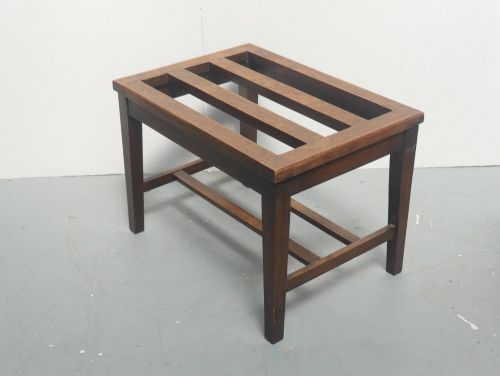
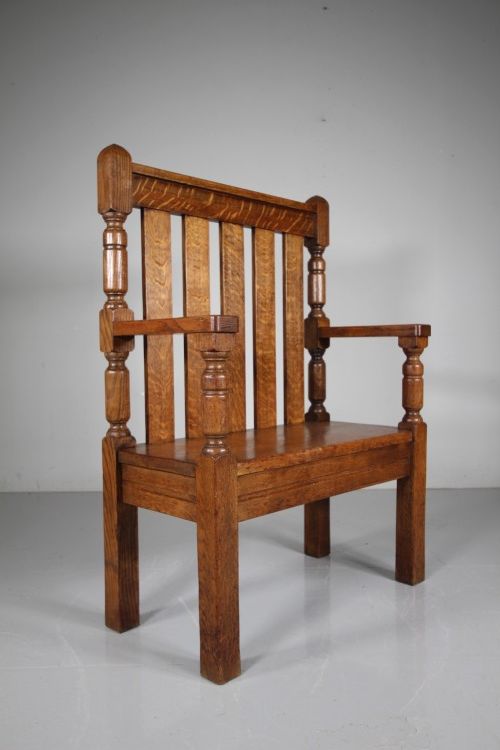
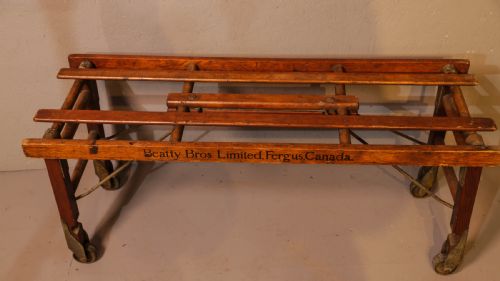
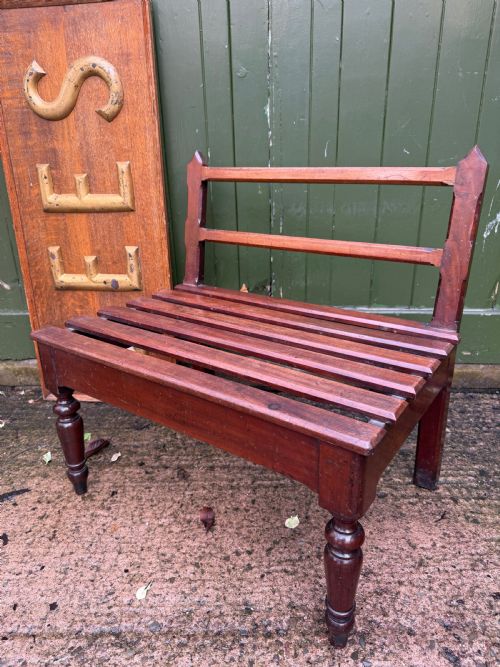
A brown wooden slatted bench encompasses a range of seating and support forms found on this page, including luggage stands, hall benches, stools, day beds, and garden seats. These objects serve both domestic and commercial spaces, originating from periods spanning the eighteenth century through to the mid-twentieth century.
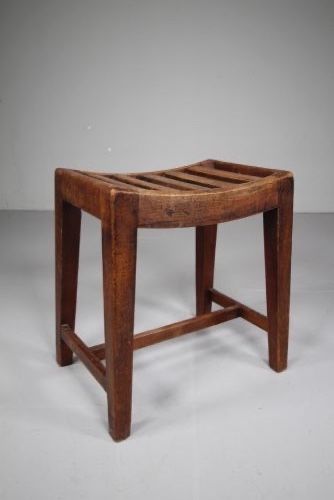
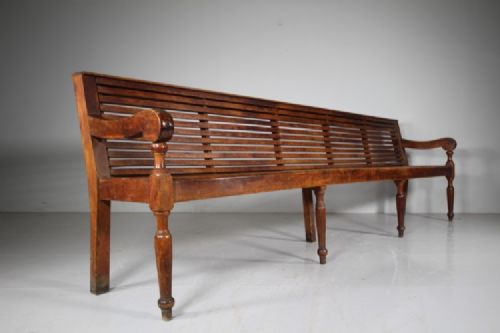
The most common interpretations of a brown wooden slatted bench on this page take the form of luggage racks and stands with slatted tops. You will also encounter long waiting room benches, hall benches, and stools that utilise the same slatted timber construction.
Makers and designers from the Edwardian era, Victorian period, and Arts and Crafts movement contributed significantly to these forms. Pieces range from hotel luggage stands to country house folding benches and bespoke Scottish oak racks.
What varies in quality
The distinction between standard utility items and finer examples lies in the selection of timber and the refinement of the joinery. Dense hardwoods with rich grain patterns elevate a piece above basic workshop production.
Attribution to known makers or retailers, such as Liberty, Waring & Gillow, or Brown & Lamont, introduces a higher tier of craftsmanship. The presence of maker stamps or hotel provenance distinguishes ordinary furniture from documented examples.
Proportion and detail separate basic stands from exceptional pieces. Items featuring shaped slats, brass fittings, folding mechanisms that operate smoothly, or integrated upstands represent the higher end of the range.
Object forms include folding day beds, orangery benches, saddle-seated stools, and hotel luggage stands.
Liberty·Beatty Bros Fergus Canada·Brown & Lamont·Waring & Gillow
The Brown Wooden Slatted Bench Glossary
- Luggage rack
- A low stand featuring wooden slats designed for holding travel bags at a convenient height. These pieces often incorporate folding legs for easy storage when not in use.
- Slatted
- A surface constructed from narrow strips of timber arranged with spaces between them. This method reduces weight while maintaining structural strength.
- Upstand
- A vertical barrier rising above the rear edge of a bench or stand. It prevents items from sliding off the back.
- Hall bench
- A piece of seating placed in an entryway or hallway. These items provide a practical spot for putting on shoes or resting briefy.
- Day bed
- A piece of furniture functioning as a seat during the day and a bed for resting. Folding versions utilise wooden frames and slatted surfaces.
Brown Wooden Slatted Bench: Frequently Asked Questions
What is a brown wooden slatted bench used for?
These pieces serve multiple functions depending on their specific form, operating as luggage stands in guest rooms, extra seating in hallways, or resting spots in waiting areas.
Their slatted wooden construction provides a stable surface that supports weight while remaining relatively lightweight and portable.
How do I identify an Edwardian luggage rack?
Edwardian examples typically date from around 1900 to 1910 and often feature oak construction with straightforward joinery. Many bear stamps from prominent makers or retailers of that period.
Look at the overall proportions and hardware used, as these details help distinguish Edwardian pieces from later twentieth-century iterations.
Can I use a luggage stand as a bench?
Luggage stands are primarily built to support bags and suitcases rather than human weight, though sturdy examples function adequately as temporary seats. Check the structural integrity and joint stability before using a luggage rack for sitting.
Pieces specifically designated as hall benches or waiting room benches are engineered to withstand regular seating loads.
How do I care for polished oak furniture?
Maintain polished oak surfaces by dusting regularly with a soft, dry cloth to prevent dirt accumulation. Apply appropriate natural waxes periodically to nourish the wood and preserve the finish.
Keep these items away from direct heat sources and strong sunlight to prevent the timber from drying out or warping.