

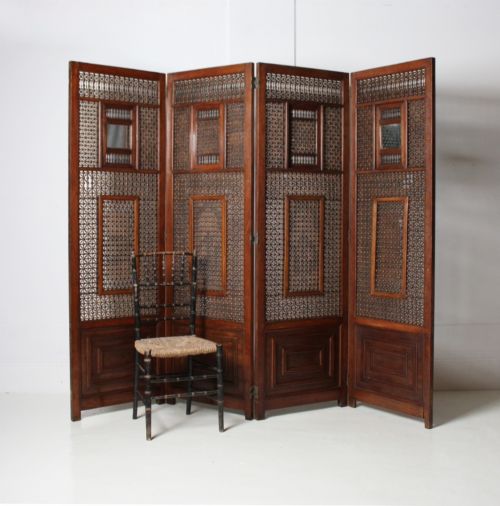


Brown Wooden Room Divider
A brown wooden room divider splits a large interior with warmth and texture, offering folding panels of carved hardwood, oak, or mahogany for flexible privacy.
Brown Wooden Room Divider
When searching for a brown wooden room divider, buyers encounter folding screens and partitions from the eighteenth century to the interwar period. These pieces originate from diverse stylistic traditions, spanning British, French, Indian, Burmese, and Chinese workshops.
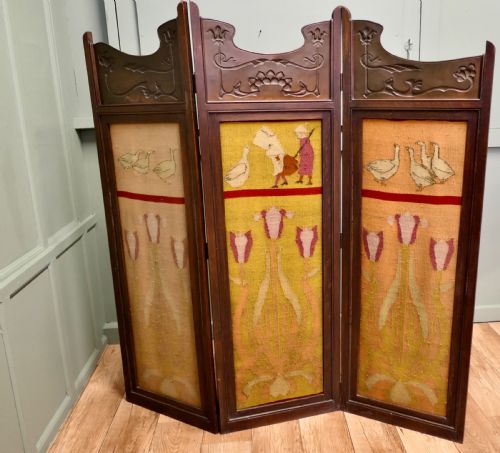
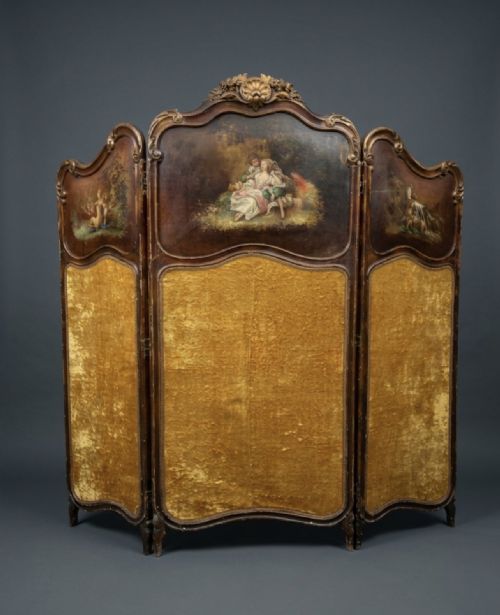
The selections on this page most commonly appear as multi-fold wooden frames featuring painted panels, intricate fretwork, or textile inserts. Forms range from domestic modesty screens and dressing screens to grand multi-panel architectural dividers and specialised folding screens.
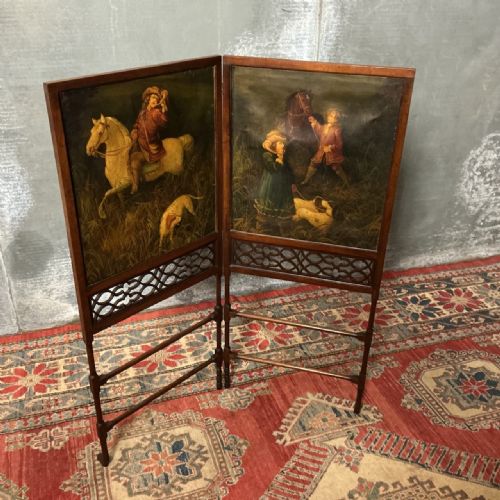
Examples often incorporate rich materials such as mahogany, oak, walnut, and padauk alongside decorative elements like oil paintings, naive wool panels, and traditional lacquered surfaces. Every piece serves the practical purpose of dividing an interior while showcasing period craftsmanship.
How they were made
Joinery forms the structural backbone of these pieces, utilising solid hardwoods like oak, mahogany, walnut, and padauk to construct sturdy multi-fold frames connected by hinges. Carpenters shaped these woods through traditional mortise and tenon techniques to ensure stability across multiple folding leaves.
Surface decoration required specialised artisan skills, incorporating hand-carved fretwork, applied lacquer work, and detailed oil paintings directly onto wood or canvas panels. Materials such as brass hardware, copper accents, and woven wool textiles frequently complemented the primary wooden structures.
Listings feature wooden room dividers and screens spanning the eighteenth, nineteenth, and twentieth centuries, incorporating oak, mahogany, walnut, and padauk.
What varies in quality
The caliber of a brown wooden room divider rests upon the depth of its carving and the integrity of its timber selection. Dense hardwoods like padauk and finely figured mahogany represent superior material choices compared to simpler utility woods.
Execution of decorative details separates standard production from exceptional artistry. Hand-painted pastoral scenes, intricate mashrabiya fretwork, and sophisticated Coromandel lacquer demand a higher level of specialist skill than plain wooden panels.
The Brown Wooden Room Divider Glossary
- Mashrabiya
- A traditional wooden lattice or fretwork screen common in Islamic architecture. It provides ventilation and privacy while filtering light through geometric wooden patterns.
- Modesty screen
- A small nineteenth century folding screen historically used to shield a person from drafts or to provide privacy during dressing. These pieces often feature lightweight wooden frames with painted fabric or wooden panels.
- Padauk
- A heavy, durable tropical hardwood prized for its rich reddish-brown colour and stability. It was frequently utilised in high-end Anglo-Indian and colonial furniture production.
Brown Wooden Room Divider: Frequently Asked Questions
How do I use a room divider in a modern home?
These folding screens create distinct zones within open-plan living spaces, separate a home office area from a bedroom, or conceal storage corners. They fold flat against a wall when not in use.
Positioning the panels to catch natural light highlights the carved fretwork, painted surfaces, and natural grain of the wood without obstructing the room's overall flow.
How do I care for antique wooden screens?
Maintain the timber by dusting regularly with a soft, dry cloth and applying a quality beeswax sparingly to nourish the hardwood. Keep the divider away from direct heat sources and strong sunlight to prevent the wood from warping or the paint from fading.
Handle the hinges and fold the panels gently to avoid stressing the original joinery and connecting hardware.
How do I tell different regional styles apart?
British and French pieces often lean towards revival styles, incorporating mahogany frames with oil paintings, naive woolwork, or fabric inserts. Asian and Anglo-Indian examples rely heavily on dense hardwoods, deep relief carving, lattice fretwork, and lacquered finishes.
Examining the underlying timber and the specific carving techniques quickly reveals whether a screen originates from a European workshop or an Eastern tradition.
What is the difference between a fire screen and a room divider?
A fire screen is typically a single, smaller panel supported by feet, designed specifically to be placed in front of an unlit fireplace to block drafts or decorate the hearth. A room divider consists of multiple folding panels intended to partition a larger space.
While both share similar decorative treatments like paintings or embroidery, their scale and structural setup remain entirely distinct.