

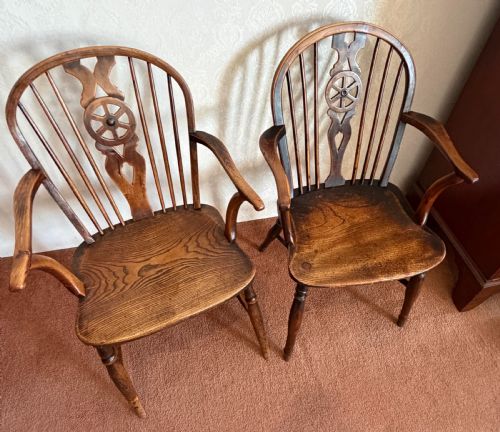


Brown Wooden Kitchen Armchair
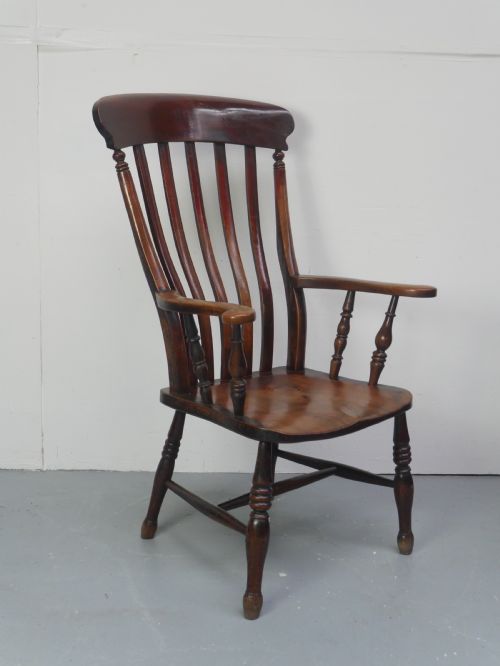
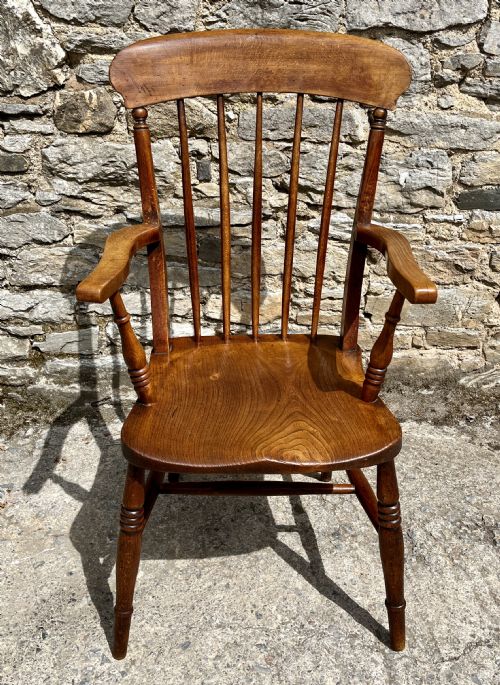
A brown wooden kitchen armchair provides sturdy utility and rustic charm, built for daily household use in country homes.
Brown Wooden Kitchen Armchair
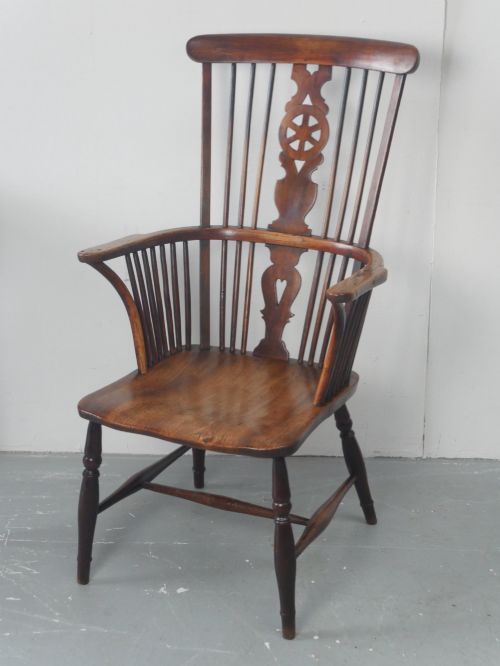
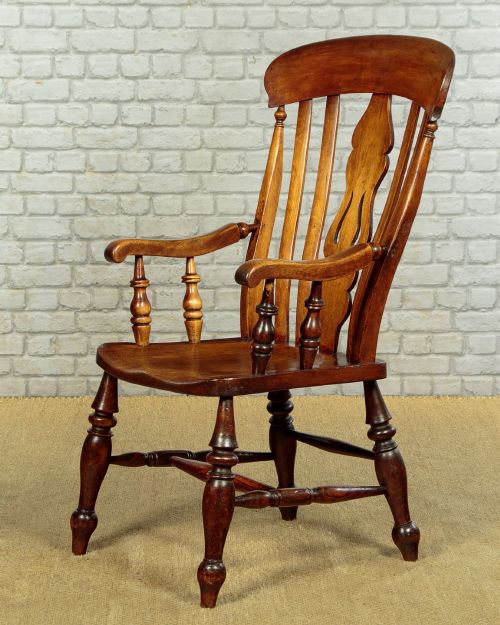
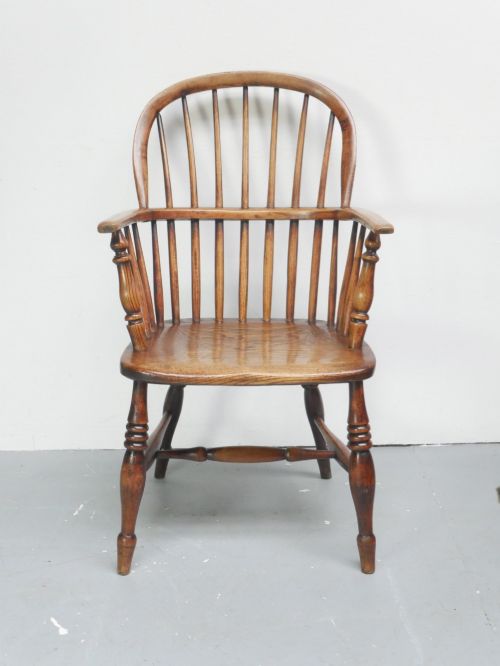
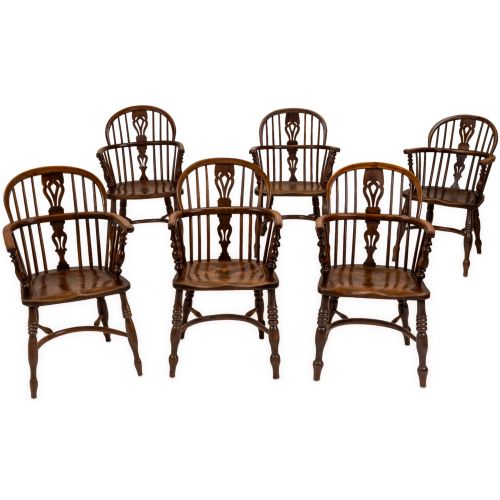
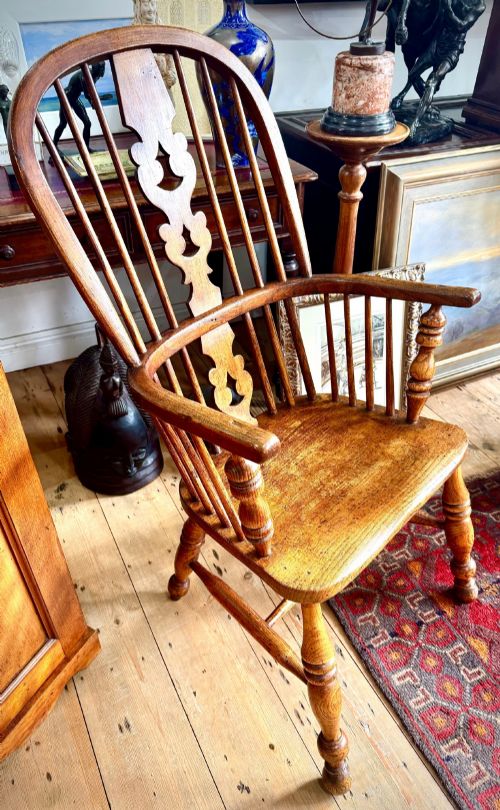
When searching for a brown wooden kitchen armchair, a buyer encounters robust seating primarily originating from the nineteenth and early twentieth centuries. These pieces encompass various forms such as highback and lowback Windsor chairs, stick backs, and ladderbacks, reflecting traditional British country styles and occasional French provincial designs.
The selections on this page draw heavily from Victorian and Edwardian domestic contexts where durability and functional comfort mattered most. Makers constructed them for daily service around the farmhouse table or hearth, utilising native timbers that have aged to rich, patinated brown tones.
How they were made
Craftsmen built these chairs using a combination of turned spindles and solid plank seats, frequently employing steam-bent wood for the bows and armrests. The structural integrity relies on traditional joinery methods like wedged tenons and mortise joints connecting the components.
Makers selected different timbers for specific parts of the chair, pairing dense woods for seats with flexible varieties for spindles and legs. Elm frequently forms the shaped saddle seats due to its resistance to splitting, while ash, beech, and yew provide strength for the frames.
Some nineteenth-century makers cleverly carved the seat bottoms deeper on one side to accommodate the hearty woollen waistcoats of their original owners.
What varies in quality
Quality in these armchairs depends largely on the purity of the timber selection and the elegance of the underlying turning work. Superior examples display well-balanced proportions in the spindles and arm supports, whereas lesser pieces can appear heavy or clumsy in their stance.
The integrity of the original construction and the depth of the natural wood patina distinguish finer specimens. Chairs that retain their original component parts without excessive replacement show superior craftsmanship from the outset.
The Brown Wooden Kitchen Armchair Glossary
- Windsor chair
- A chair built with a solid wooden seat into which the back and legs are direct-inserted. This form relies on a stout central plank rather than a continuous frame.
- Crinoline stretcher
- A bent or curved reinforcing bar linking the legs of a chair together. It adds structural rigidity while often incorporating decorative turned details.
- Stick back
- A chair design featuring plain upright spindles supporting the top rail. These derive their strength from multiple slender turned members rather than solid carved splats.
- Rush seat
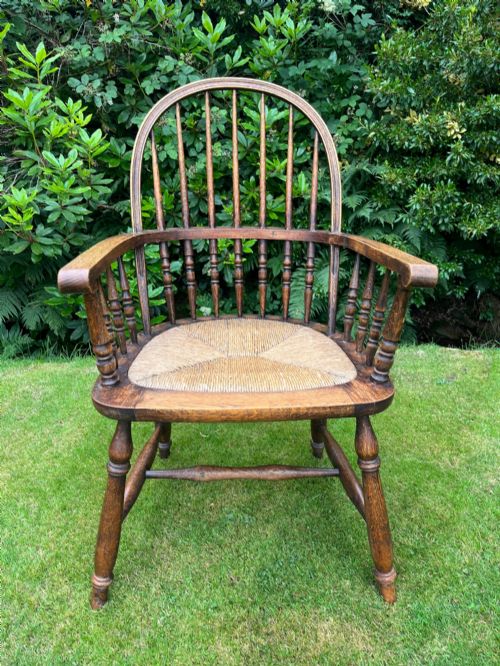
- A seating surface woven from dried marsh rushes around a wooden frame. This traditional technique creates a resilient and supportive platform for daily sitting.
- Wheelback
- A Windsor chair variation featuring a pierced splat shaped like the hub and spokes of a cart wheel. It became particularly popular during the Victorian period.
Brown Wooden Kitchen Armchair: Frequently Asked Questions
How do I date a kitchen armchair?
Dating these chairs involves examining the tool marks, timber combinations, and the wear patterns on the seat. Earlier nineteenth-century examples often feature broader saddle seats and hand-turned spindles showing subtle irregularities.
Later Victorian and Edwardian pieces tend toward standardised components produced with more mechanical efficiency. Comparing the stretcher arrangements and joinery styles against dated comparables helps narrow the period of origin.
Were these chairs used only in kitchens?
While designated as kitchen armchairs, these sturdy seats served various purposes throughout the domestic interior. Families placed them by the hearth, in dairies, or around farmhouse dining tables where hard wear was expected.
Their utilitarian construction made them versatile enough for any room requiring reliable, unpretentious seating. Over time, their practicality transitioned into decorative appreciation within country-style interiors.
How do I care for a rush seat?
Rush seats require a dry environment to prevent the natural fibres from absorbing moisture and weakening over time. Regular gentle dusting keeps debris from settling between the tightly woven strands.
Avoid applying liquid polishes or modern chemical cleaners directly to the rush material. Maintaining stable indoor humidity levels ensures the dried marsh grasses remain flexible and intact.