




Brown Wooden Inkstand
A brown wooden inkstand brings desktop writing history into your study with carved figures and fitted glass wells.
Brown Wooden Inkstand
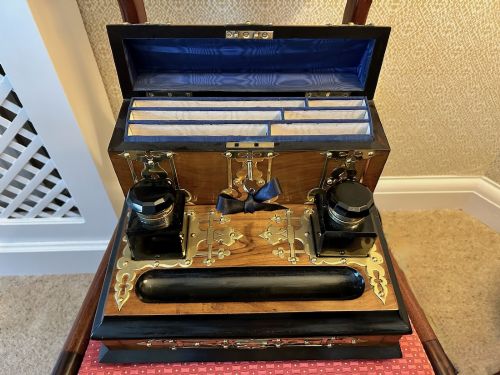
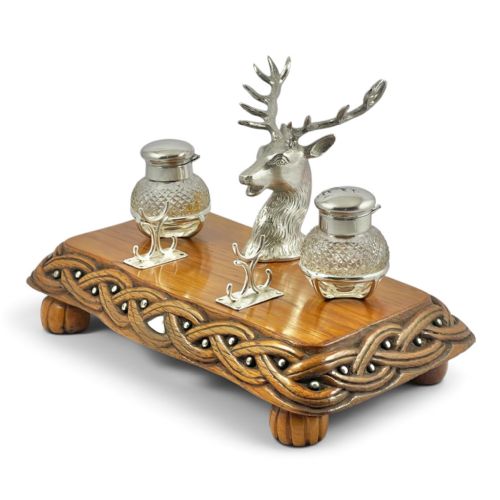
When you search for a brown wooden inkstand, you encounter practical and decorative desk accessories produced during the Victorian and Edwardian eras. These pieces typically combine solid timber bodies with fitted glass inkwells, sometimes incorporating brass mounts, stationery compartments, and pen trays.
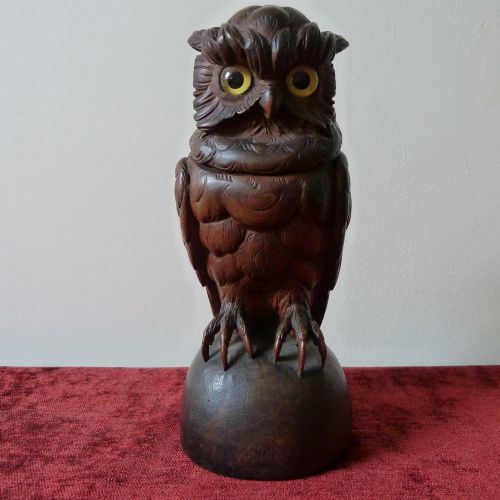
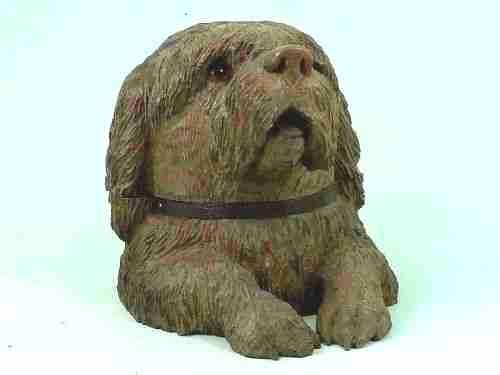
The selection ranges from simple oak desk sets to elaborate Black Forest carved wooden items featuring animals such as bears, dogs, cats, and birds of prey. Stylistic variations span from plain nineteenth-century Gothic Revival designs to elaborate figural carvings originating around eighteen hundred and ninety.
How they were made
Craftsmen utilised timbers including oak, walnut, linden wood, and various carved woods to shape the foundations of these desk accessories. Structural elements often integrated brass fittings and applied carved details, while interior writing components utilised blown and moulded glass inkwells.
Woodworking techniques combined traditional joinery for stationery boxes and desk stands with detailed hand carving for figural Black Forest pieces. Artisans frequently paired natural wood grains with contrasting metal mounts and silk linings to complete the desk sets.
Listings feature items spanning the nineteenth century, including specific dates from eighteen hundred and fifty to nineteen hundred.
What varies in quality
The standard of carving distinguishes simpler utility desk stands from masterwork figural pieces, particularly in Black Forest items where depth and expression define the work. Naturalistic animal anatomy and crispness of leaf or feather details show the hand of a skilled carver rather than mass production.
Material selection and the integration of secondary elements like brass hinges and heavy glass inserts also separate grades of manufacture. Pieces that retain matching glass liners and undamaged figural wooden components hold greater cohesion as historical desk accessories.
Maison F. Mack
The Brown Wooden Inkstand Glossary
- Black Forest
- A style of wood carving originating from the mountainous region in Central Europe, known for realistic animal figures and foliage motifs.
- Inkstand
- A desk accessory designed to hold one or more inkwells, often featuring built-in troughs or rests for writing pens.
- Stationery box
- A desk cabinet with internal partitions intended for storing writing paper and envelopes.
- Desk tidy
- A combined desk organiser featuring compartments for writing implements, ink, and small office supplies.
- Gothic Revival
- An architectural and decorative style characterised by pointed arches, heavy timbers, and medieval ecclesiastical motifs.
Brown Wooden Inkstand: Frequently Asked Questions
What is a brown wooden inkstand used for?
These pieces served as organised writing stations on nineteenth-century desks, holding ink for dip pens alongside paper and envelopes. They kept writing materials tidy and protected surfaces from ink spills during daily correspondence.
Today, they function as decorative desktop objects that display period craftsmanship while continuing to hold pens or small stationery items.
How do I date a wooden inkstand?
Dating relies on stylistic clues, such as Gothic Revival architectural motifs or the distinctive figural animal carvings associated with late nineteenth-century Black Forest production. Timber choices like oak or walnut and the presence of period brass hardware also help narrow the decade.
Examining the construction of the inkwells and internal joinery provides further evidence of the manufacturing period, typically pointing towards the Victorian or Edwardian eras.
What woods were used for these inkstands?
Cabinet makers utilised domestic and continental timbers suited to carving and sturdy construction. Oak and walnut provided durable foundations for desk stands and stationery boxes.
Linden wood and other pale carved woods were frequently chosen for detailed Black Forest figural work because they allowed carvers to execute deep, expressive animal forms.
Are the glass inkwells usually original?
Many surviving desk stands retain their original blown or moulded glass inkwells, often fitted with hinged brass or metal lids. Because glass components suffered frequent breakage or loss through daily use, replacements do occur in historical pieces.
Checking the fit within the wooden apertures helps determine whether the glass insert matches the age and manufacture of the surrounding stand.