



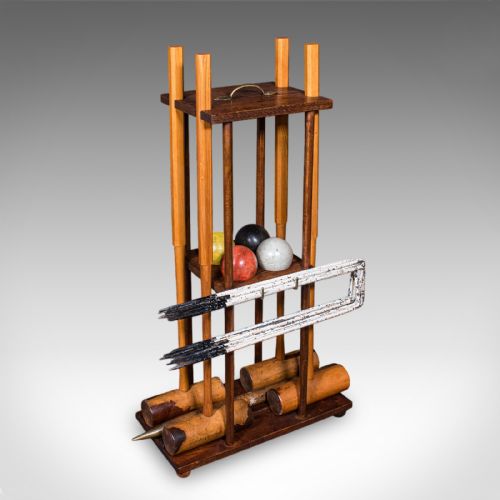
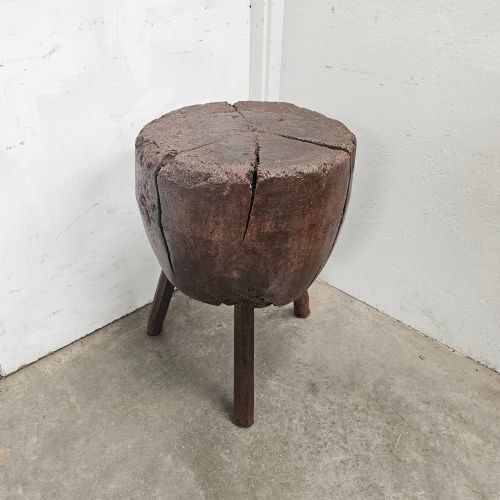
Brown Wooden Game
A brown wooden game offers tactile historical entertainment, combining fine cabinetmaking with traditional parlour pastimes for the home.
Brown Wooden Game
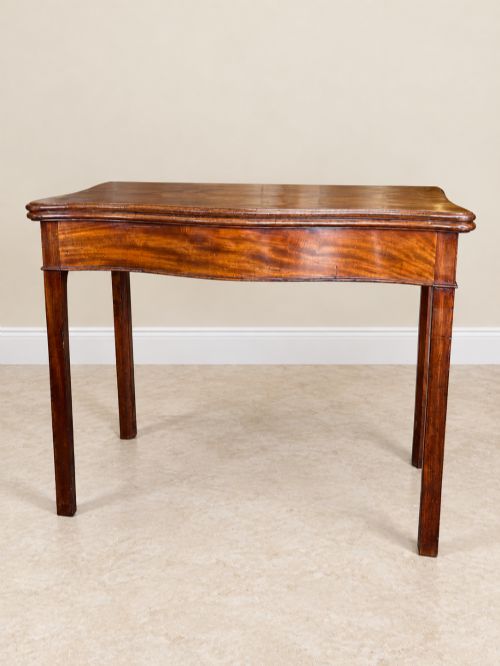
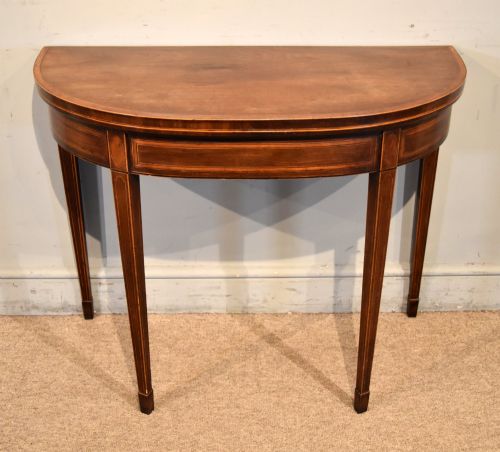
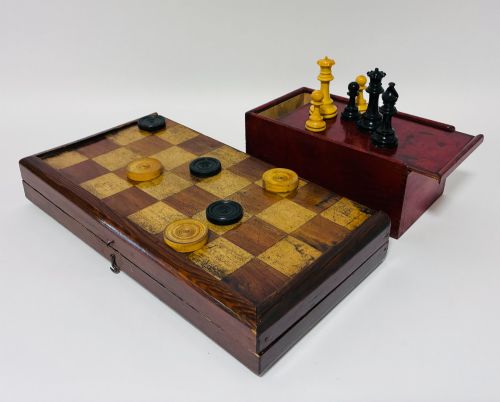
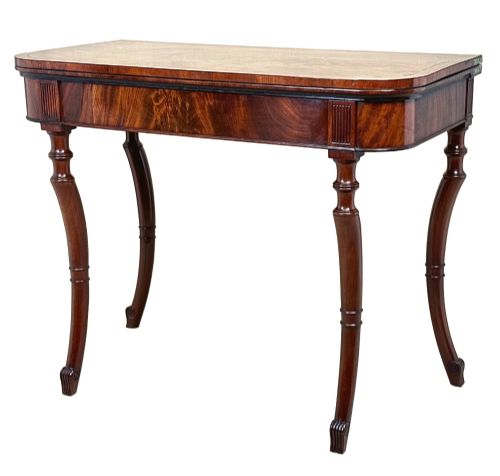
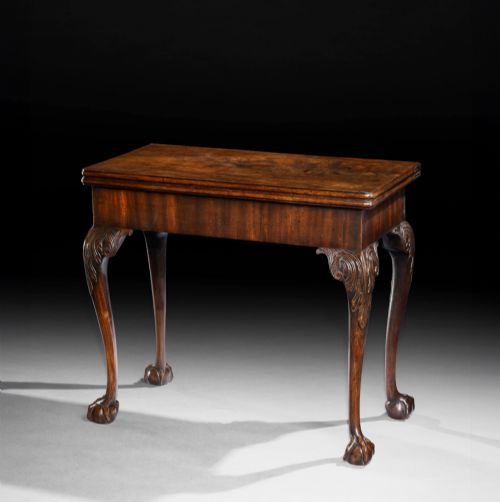
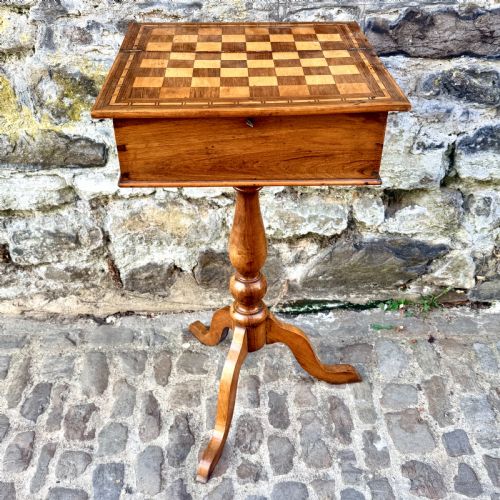
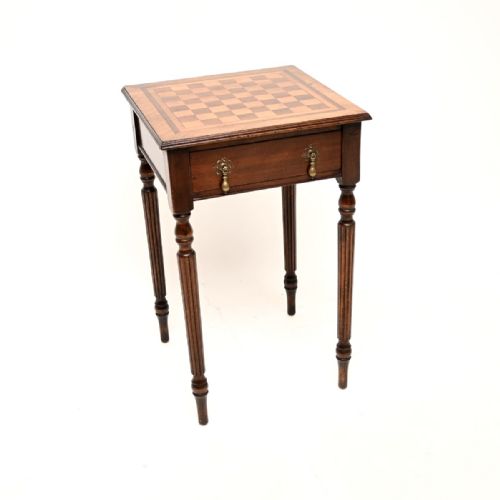
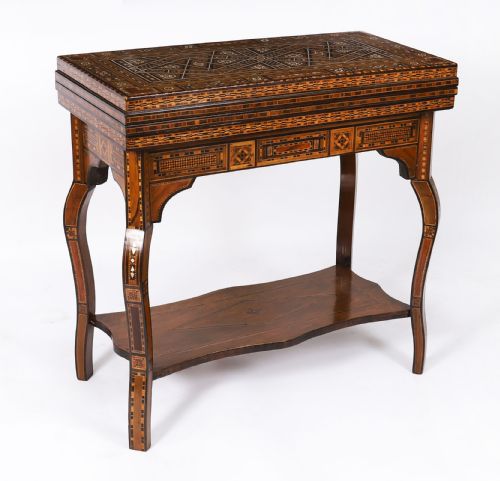
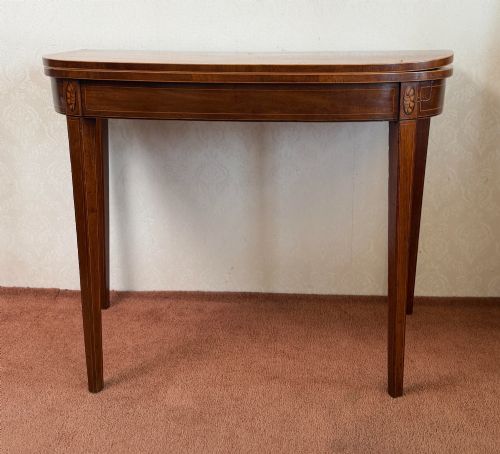
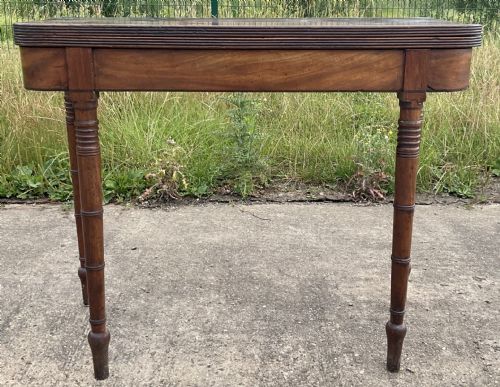
A brown wooden game encompasses folding tables, chess boards, bagatelle sets, and boxes designed for indoor pastimes across several centuries. You are most likely to encounter mahogany and walnut card or chess tables alongside boxes and blocks.
The selection ranges from George II concertina action tables and Regency fold-out surfaces to Victorian combination boards and Edwardian folding game tables. These items reflect the domestic social habits of Georgian, Victorian, and Edwardian households.
Many examples double as occasional tables, tea tables, or console tables when not in active use for play. This dual functionality ensures they remain practical furniture pieces in modern rooms.
Materials and construction
Cabinetmakers utilised dense timbers such as mahogany, walnut, oak, and kingwood, often featuring figured grain patterns on the top surfaces. Inlaid details in boxwood and brass frequently demarcate the playing grids or borders.
Structural ingenuity defines these pieces, seen in concertina actions, foldover tops, and revertable mechanisms that conceal wells for counters and dice. Beech and primitive woods appear in utilitarian blocks, while finer tables employ marquetry and ormolu mounts.
Brown Wooden Game Retail Price Guide 2026
Typical asking prices for brown wooden game among the pieces listed under this phrase on Sellingantiques today, from the lower quarter to the upper quarter. They describe what is for sale here now, not the wider market.
A tiny box of bone dominoes waits quietly to settle household disputes over a rainy afternoon.
Assessing quality and execution
The sophistication of the folding mechanism and the tightness of the joinery set the superior pieces apart from standard items. A well-executed table maintains absolute stability whether open for play or closed as a side table.
The choice of timber grain, particularly figured mahogany or walnut veneers, indicates the workshop's ambition. Subtle inlay work and integrated dished gaming wells further separate standard production from master cabinetmaking.
Giles Grendey·William Trotter·Edward Gerrard and Sons·Henri Joseph Pauwels
The Brown Wooden Game Glossary
- Concertina action
- An expanding frame mechanism that allows a card table to pull forward on hidden rails, creating space for seated players. This ingenious design supports the weight of the unfolded top evenly.
- Boxwood
- A dense, pale yellow wood frequently utilised for intricate inlay, chess pieces, and contrasting stringing on darker timbers. Its fine grain holds sharp detail.
- Marquetry
- The art of applying pieces of veneer to a structure to form decorative patterns and pictures. Craftsmen selected various coloured woods to achieve tonal depth.
- Treen
- Small handmade wooden household objects and utilitarian items. These pieces showcase traditional turning and carving skills.
- Dished gaming wells
- Circular or oval depressions carved into the wooden surface of a table to hold counters, chips, or coins securely during play. They prevent pieces from rolling onto the floor.
Brown Wooden Game: Frequently Asked Questions
What is a brown wooden game table?
A brown wooden game table is a piece of furniture built with a foldover or rotating top designed specifically for pastimes like chess, backgammon, and card games.
These tables date primarily from the Georgian, Regency, and Victorian eras, functioning as decorative side or tea tables when closed.
How do you date an antique games table?
Dating relies on examining the timber species, leg styles, and the complexity of the folding mechanism. Georgian and Regency pieces often feature mahogany with linear proportions, while Victorian versions frequently utilise walnut and heavier carving.
Hardware styles, such as brass hinges and compartment pulls, offer additional chronological clues.
Were these tables used every day?
Card playing and board games formed a central part of middle and upper-class social life in the eighteenth and nineteenth centuries. Tables were built robustly so families could use them nightly for entertainment.
Many doubled as tea tables or writing surfaces during daylight hours before being opened for evening games.
How do I care for wooden game surfaces?
Maintain the timber by keeping the table away from direct heat sources and strong sunlight, which can dry out and fade the wood. Dust gently with a dry cloth and avoid harsh chemical polishes.
Waxing occasionally preserves the natural sheen of historic mahogany and walnut.