



Brown Wooden Folding Screen
A brown wooden folding screen divides a room with rich texture, bringing warmth and movable architecture to any interior.
Brown Wooden Folding Screen
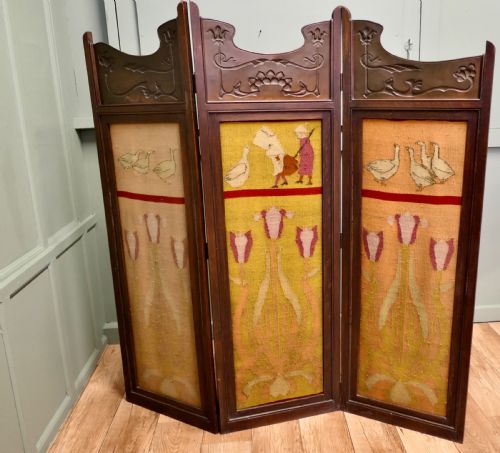
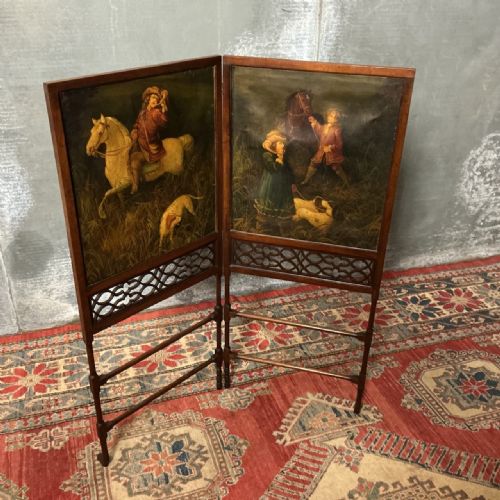
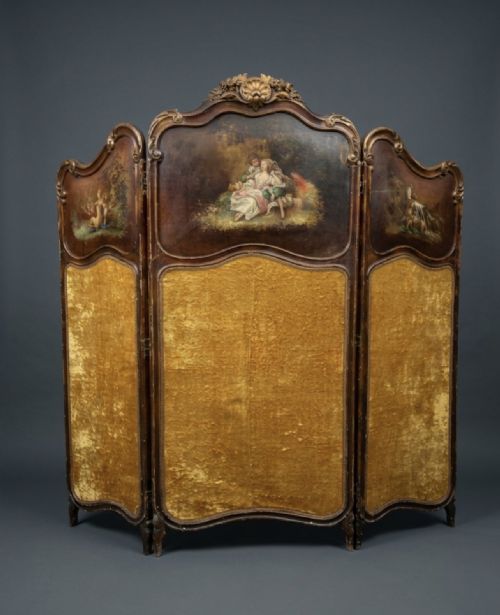
You are most likely to encounter multi-fold examples constructed from woods such as oak, mahogany, walnut, padauk, and mixed hardwoods. They frequently incorporate painted panels, oil paintings, fretwork, tapestry, and lacquer work reflecting global styles from British, French, Chinese, Indian, and Burmese traditions.
How they were made
These screens rely on solid timber frames in oak, mahogany, walnut, and padauk, joined to create hinged multi-fold panels. Joinery techniques support both heavy carved wooden structures and lighter fretwork designs.
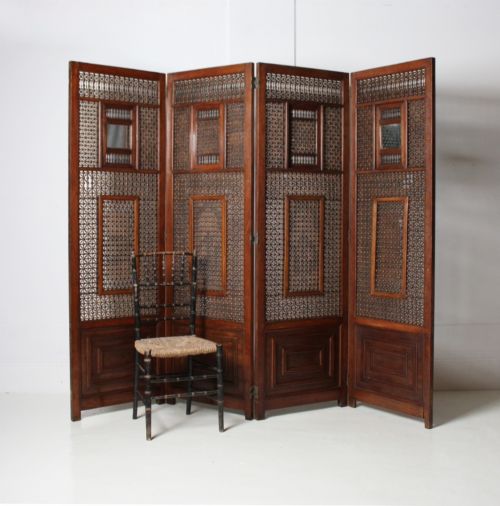
Surface ornamentation integrates diverse artistic techniques, ranging from hand-painted oil panels and naive wool work to traditional Chinese coromandel lacquer and intricate mashrabiya woodwork. Glazing, brass hardware, and textile inserts frequently complete the construction.
The listings span from the 18th century through the Edwardian era to the 1920s, employing oak, mahogany, walnut, padauk, and mixed hardwoods.
What varies in quality
Quality rests in the depth and execution of the timber carving, fretwork, and structural joinery across the folds. Superior examples display crisp hand-carved details, robust hinges, and stable frames that maintain alignment.
The artistic merit of the integrated panels distinguishes finer pieces, whether through accomplished oil paintings, detailed coromandel lacquer, or authentic regional craftsmanship like mashrabiya work. The integrity of the materials and the preservation of the original painted or textile surfaces dictate the standing of the piece.
The Brown Wooden Folding Screen Glossary
- Mashrabiya
- A traditional wooden architectural screen formed of turned wooden bobbins fitted together into geometric lattices. This technique creates intricate light-filtering panels often seen in large room dividers.
- Coromandel lacquer
- A Chinese incised lacquer technique where dark lacquer is carved away, revealing layers of coloured ground beneath which are then painted. Eighteenth-century examples utilise this method on multi-fold panels.
- Padauk
- A dense tropical hardwood prized for its deep reddish-brown colour and durability. Indian screens frequently utilise this timber for substantial carved panels.
- Modesty screen
- A small folding screen historically used to shield a person from drafts or to provide privacy in a room. Nineteenth-century French examples often feature painted decorative panels.
- Fretwork
- Ornamental design created by cutting patterns through solid wood using a fret saw. Edwardian and Indian folding screens employ this technique to lighten heavy wooden frames.
Brown Wooden Folding Screen: Frequently Asked Questions
How do I use a folding screen?
A brown wooden folding screen serves to divide large spaces, create private corners, or conceal areas within a room. You simply angle the hinged panels to make the structure freestanding.
They also function as decorative backdrops against plain walls, adding architectural interest and texture without permanent alterations to a space.
Are all these screens antique?
The selection includes pieces spanning several centuries, from eighteenth-century Chinese lacquer work to nineteenth-century French and Indian designs, as well as Edwardian and 1920s British examples.
Each period utilises distinct woods, hardware, and decorative techniques characteristic of its time of origin.
How do I clean wooden screens?
Dust the wooden frames and carved panels regularly with a soft, dry cloth to prevent dirt buildup in the crevices. Avoid using harsh chemical polishes that can damage aged timber.
For painted panels, oil paintings, or lacquered surfaces, consult a specialist before applying any moisture or cleaning agents to preserve the finish.
What styles are common here?
The listings encompass a wide range of global and period styles, including French Rococo Revival, Art Nouveau, Islamic Revival, Qing Dynasty, and traditional British designs. These styles influence the woodwork, painting subjects, and overall ornamentation.
From carved dragons to pastoral oil scenes, each style reflects the decorative arts of its specific origin and era.