




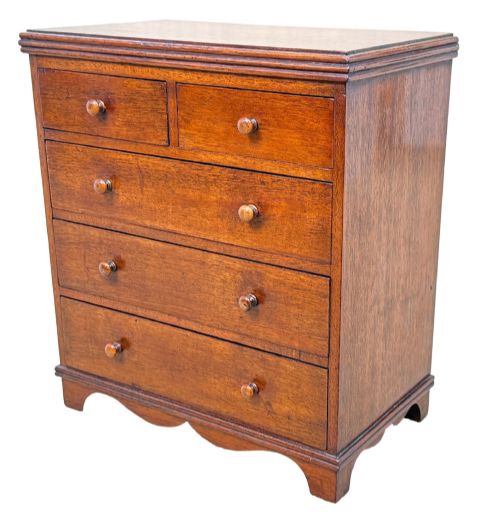
Brown Wooden Drawer Box
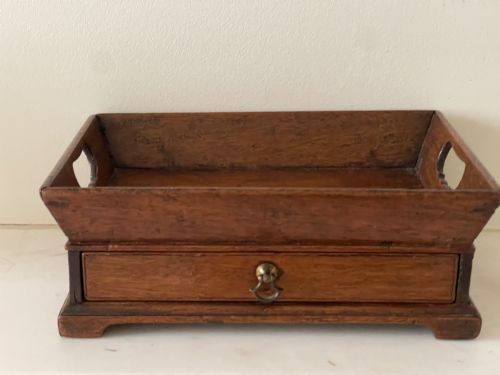
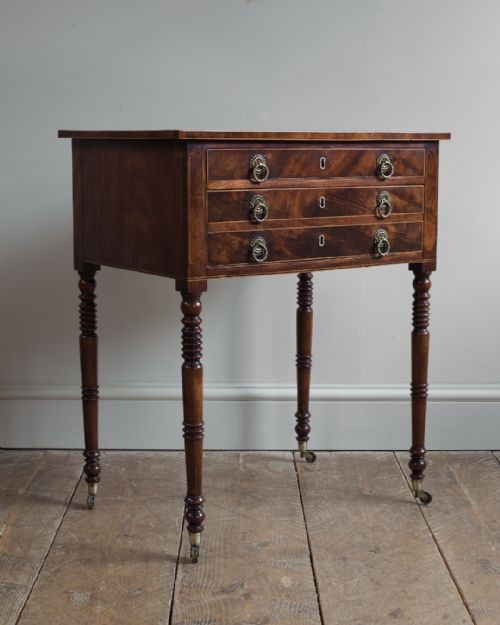
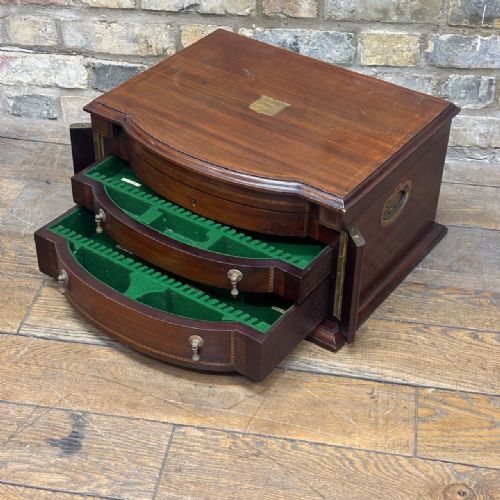
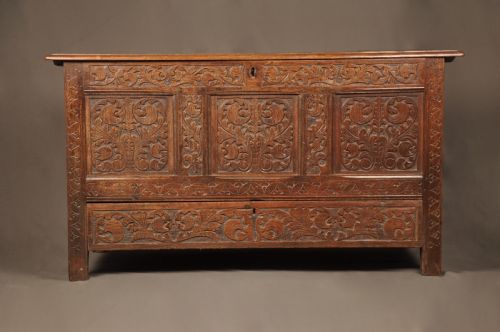
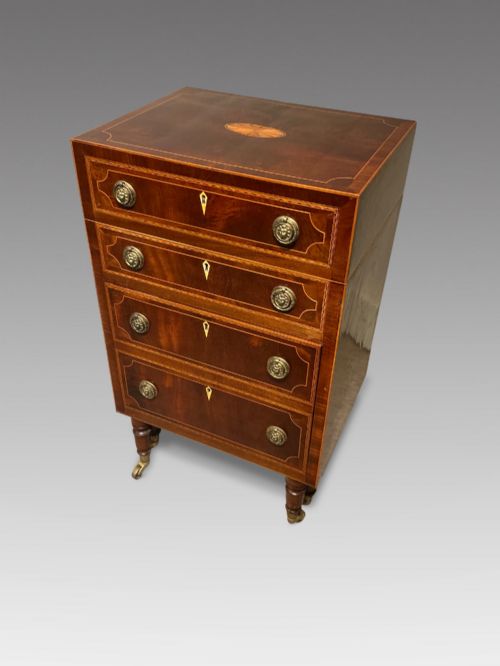
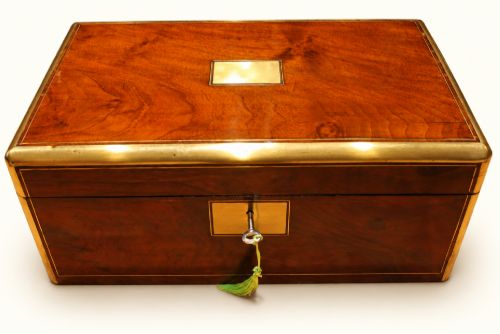
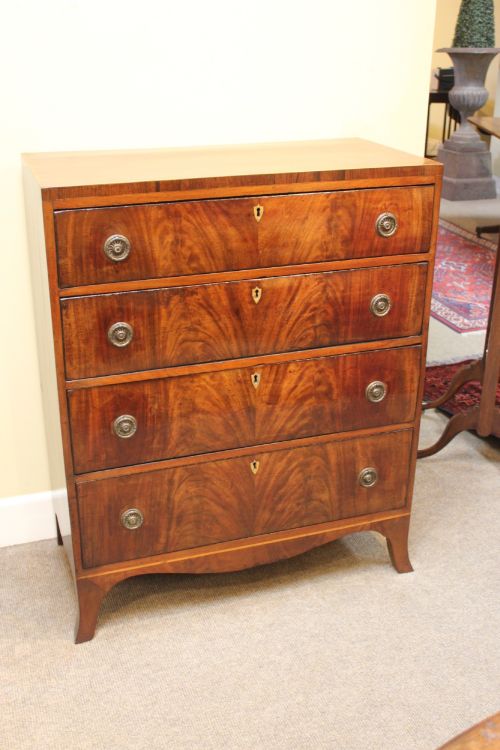
A brown wooden drawer box brings small-scale storage and period craft together on a tabletop, offering fitted compartments for everything from watch parts to spices.
Brown Wooden Drawer Box
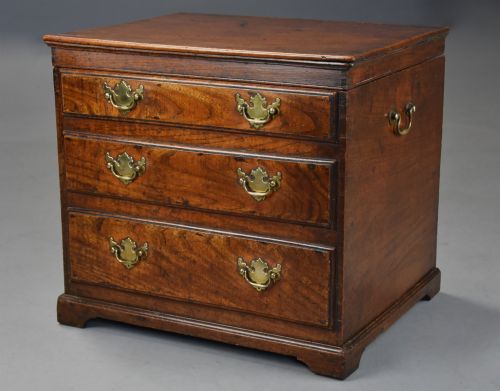
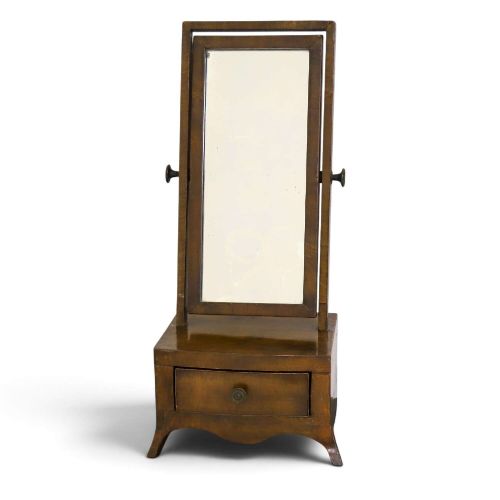
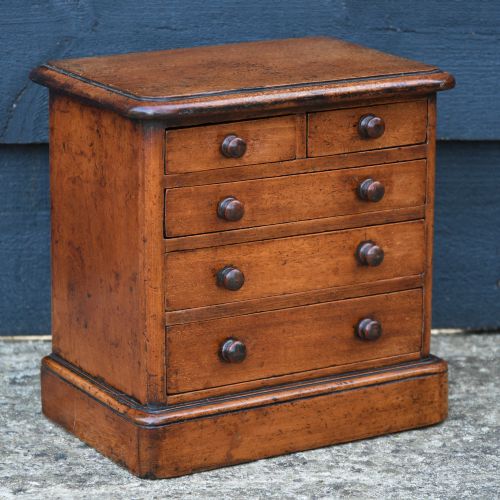
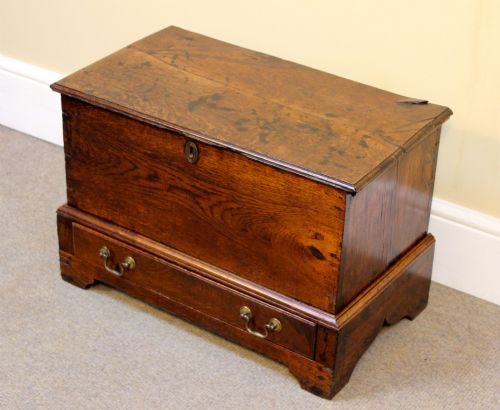
A brown wooden drawer box encompasses miniature chests, apprentice pieces, specimen cabinets, and spice drawers originating from the eighteenth and nineteenth centuries. These smaller forms replicate the joinery and proportion of full-size furniture down to the smallest detail.
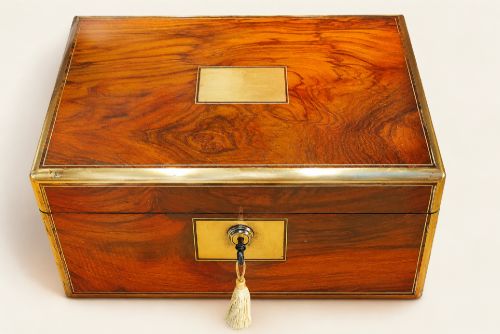
Mahogany, oak, and walnut dominate the selection, often taking the shape of miniature chests of drawers or utilitarian storage units like card files and watchmaker boxes. Makers constructed these pieces using dense hardwoods to ensure durability in workshops and domestic settings.
The nineteenth century yields many examples of specialised cabinetry, including microscope slide cabinets and cigar humidors fitted with multiple internal drawers. Buyers encounter both vernacular country pine items and refined Georgian revival pieces on this page.
Materials and construction
Craftsmen utilised solid hardwoods such as mahogany, oak, and walnut, frequently pairing them with secondary woods like pine for internal drawer linings. Dovetail joints hold the drawer frames together securely, showing tight hand-cut pins that reflect period woodworking standards.
Brass fittings appear widely as escutcheons, drop handles, and hinges, adding functional contrast to the dark timber surfaces. Selected pieces incorporate secondary decorative elements like bone inlay, laburnum banding, or carved details.
Surfaces received hand-applied finishes including wax and polish to bring out the natural grain patterns of burr elm, fiddleback mahogany, and fruitwood over decades of handling.
Brown Wooden Drawer Box Retail Price Guide 2026
Typical asking prices for brown wooden drawer box among the pieces listed under this phrase on Sellingantiques today, from the lower quarter to the upper quarter. They describe what is for sale here now, not the wider market.
Listings feature woods spanning mahogany, oak, walnut, pine, fruitwood, and burr elm across the eighteenth and nineteenth centuries.
Judging the range
The division between standard items and superior examples lies in the crispness of the joinery and the selection of timber veneers. Finely figured burr walnut and fiddleback mahogany elevate a piece beyond basic utility.
Original hardware, working locks with operational keys, and intact internal partitions separate exceptional specimens from altered or later-assembled boxes. The integrity of the wood grain and the subtlety of the patina signal a high standard of preservation.
The Brown Wooden Drawer Box Glossary
- Apprentice piece
- A small-scale item created by a trainee woodworker to demonstrate mastery of joinery before entering a guild. These miniature chests mirror the construction methods of full-sized furniture.
- Dovetail
- A joint formed by interlocking wedge-shaped fingers, crucial for holding drawer corners firmly together. Hand-cut dovetails serve as an indicator of period manufacture.
- Mule chest
- A storage chest featuring one or more drawers beneath the main lifting lid compartment. This form bridges the gap between traditional coffers and modern drawer units.
- Patina
- The deep surface sheen developed on wood through age, wear, and polishing over centuries. It provides a visual record of handling and care.
- Escutcheon
- A small protective plate surrounding a keyhole, usually cast from brass. They prevent the timber from splitting around the lock.
Brown Wooden Drawer Box: Frequently Asked Questions
What were small wooden drawer boxes used for?
These compact units served specialised storage needs in domestic and trade settings, holding items such as watchmaker tools, medical slides, spices, and sewing supplies.
Craftsmen and merchants kept them close at hand on shop counters, desks, and workbenches for organised access to valuable or delicate goods.
How do I date an antique wooden box?
Dating relies on examining the timber species, construction techniques, and hardware styles visible in the piece. Hand-cut dovetails, secondary woods, and the type of brass fixings help place an object within the Georgian or Victorian eras.
Tool marks left on interior drawer boards further indicate whether a box dates from the eighteenth or nineteenth century.
Are apprentice pieces genuine antiques?
Many miniature chests and small drawer units date from the nineteenth century or earlier as genuine training pieces or salesman samples. They were built using the exact same methods and timbers as larger household furniture.
Collectors prize them for their accurate scale and the high level of detailed craftsmanship required to build them.
How should I care for wooden drawer boxes?
Keep these items away from direct sunlight and steady heat sources to prevent the timber from warping or the glue from drying out. An occasional application of traditional beeswax helps maintain the moisture balance and protects the historic finish.
Avoid using modern liquid polishes that can build up a cloudy residue over the original patina.