
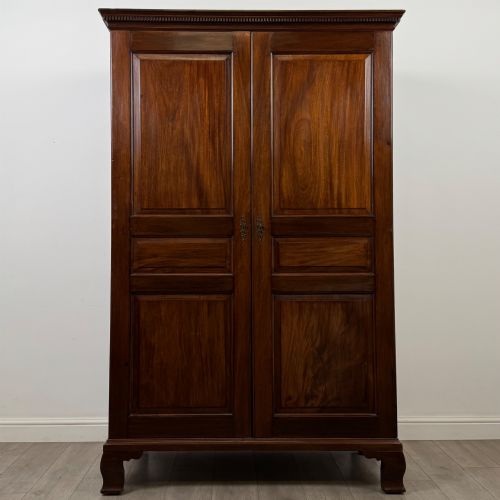
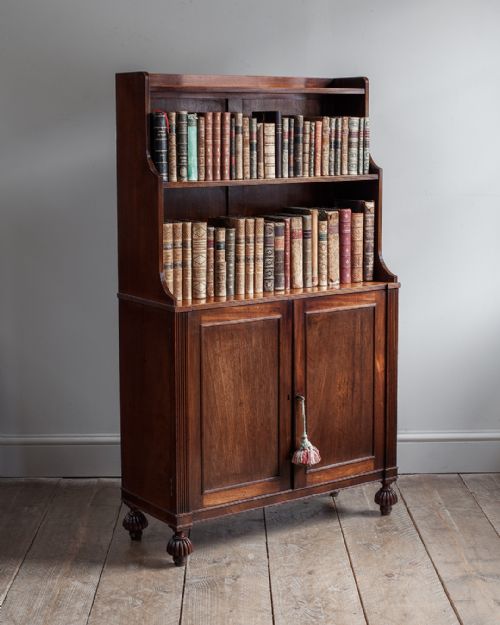
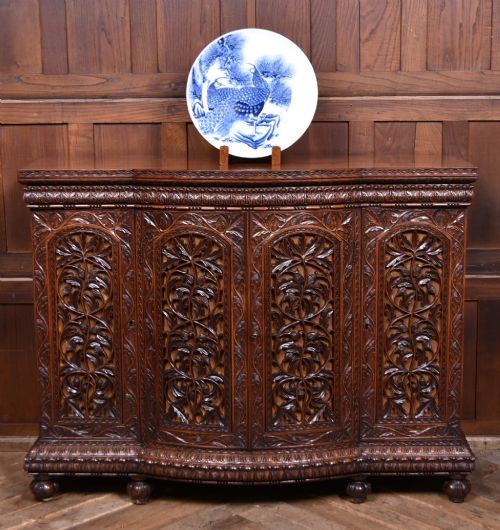
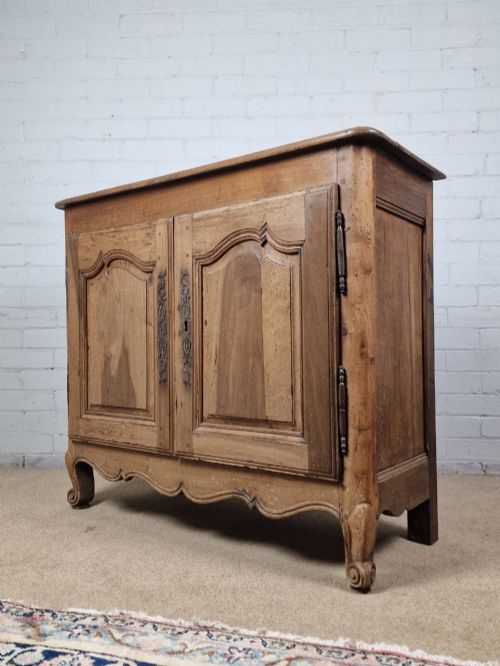

Brown Wooden Doors
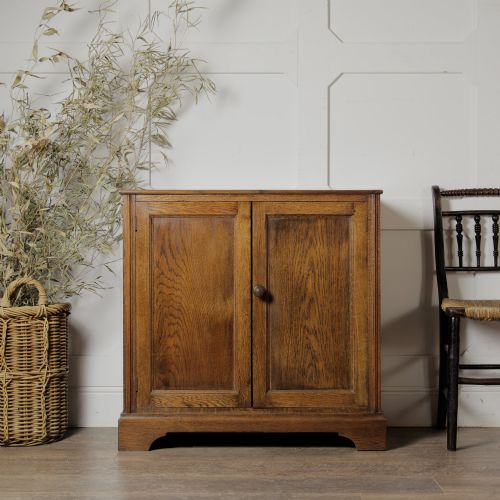
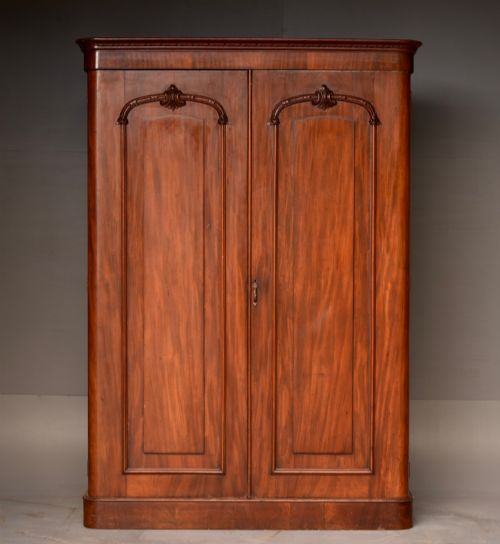
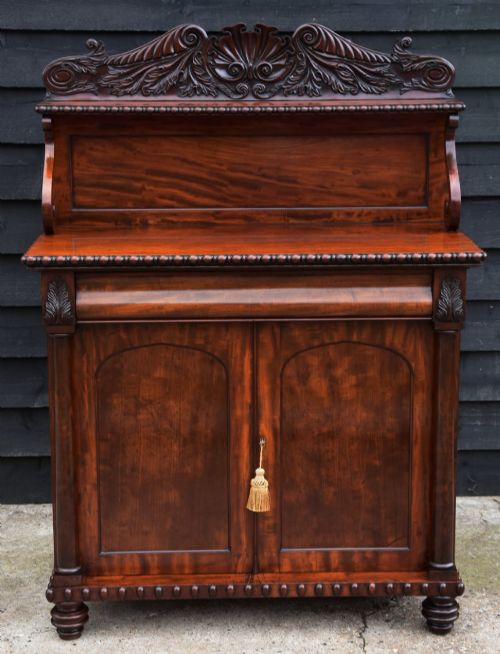
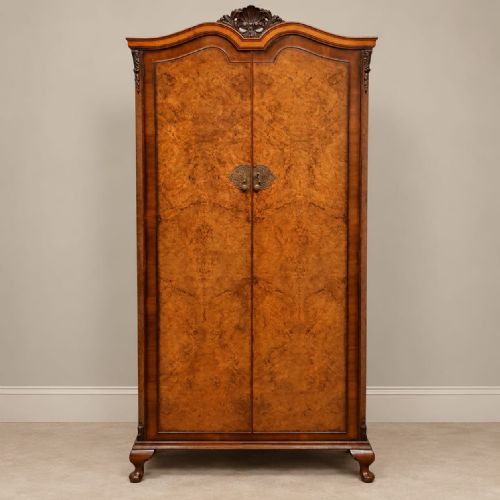
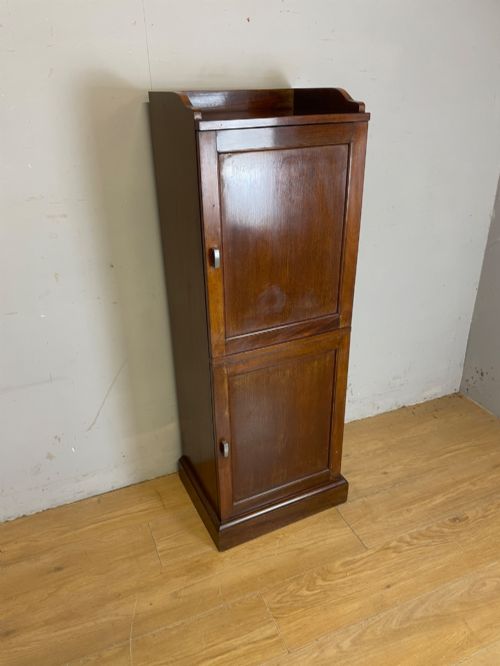
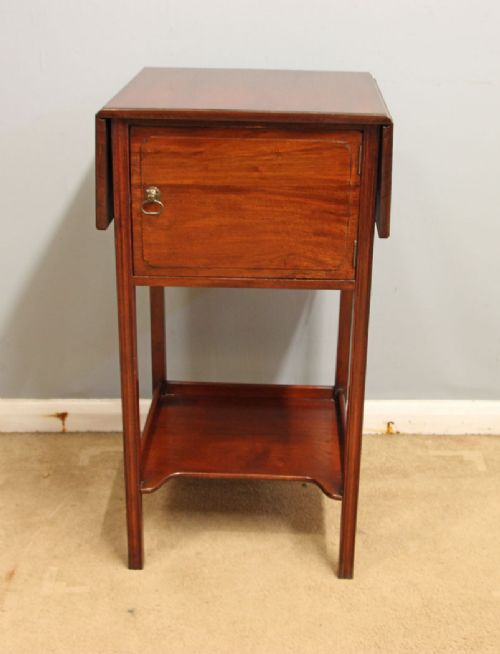
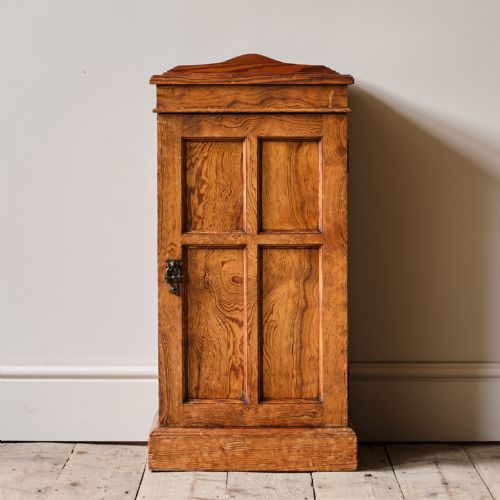
Brown wooden doors span utilitarian cupboards, grand wardrobes, and architectural cabinets built from rich timbers like mahogany, oak, and walnut.
Brown Wooden Doors
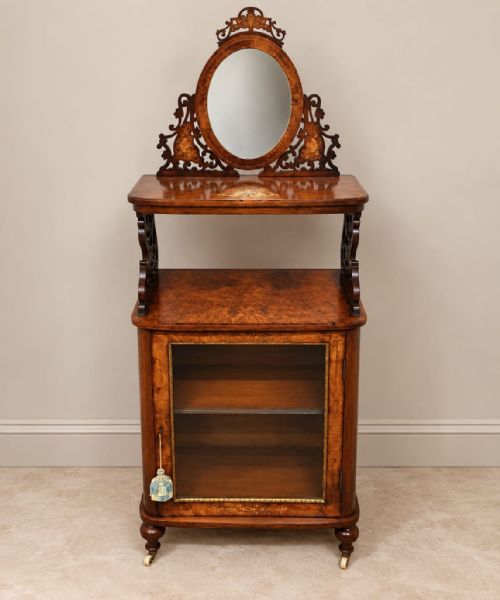
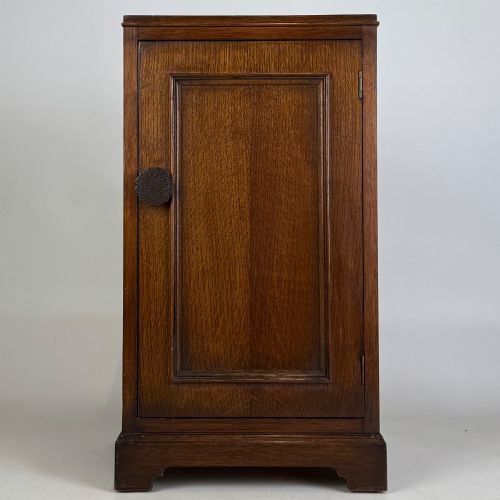
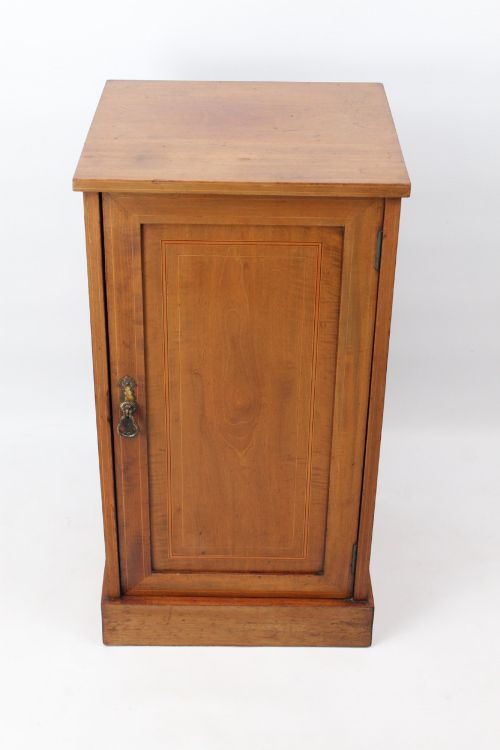
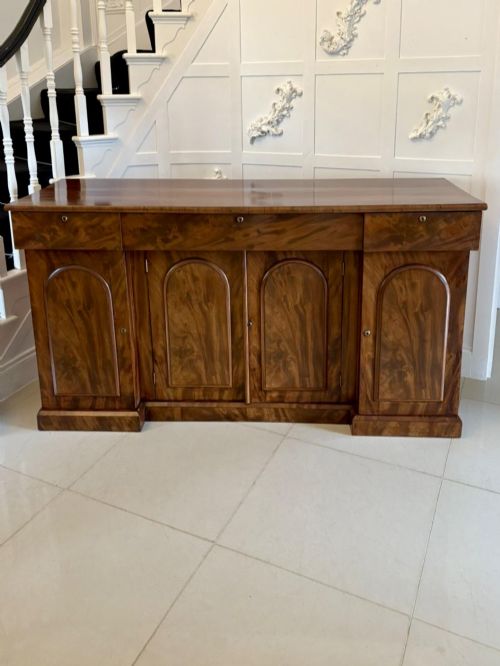
When you search for brown wooden doors, you encounter a diverse array of cabinetry, wardrobes, bookcases, and sideboards featuring functional timber panels.
The pieces appearing on this page span several distinct periods, including the Georgian, Victorian, Edwardian, and Regency eras, alongside early twentieth-century designs.
Most examples manifest as doors set within larger furniture forms, such as double wardrobes, side cabinets, bookcases, and spice cupboards constructed from solid or veneered woods.
Materials and construction
Cabinetmakers utilised robust primary timbers including mahogany, oak, and pine for structural integrity, often applying burr walnut or figured veneers to exterior surfaces for visual depth.
Hardware such as brass hinges, handles, and locks complemented the timber construction, while specialised carpentry techniques secured panels within frames to accommodate natural wood movement over time.
Listings incorporate diverse styles ranging from Gothic Revival and French Provincial to Regency and Sheraton Revival.
Assessing quality and craftsmanship
Superior examples distinguish themselves through the selection of highly figured timbers, such as burr walnut or carefully matched mahogany, rather than plain stock.
Refined craftsmanship appears in the precision of the joinery, the integration of carved details or inlaid motifs, and the retention of original brass hardware and working locks.
Holland and Sons
The Brown Wooden Doors Glossary
- Mahogany
- A durable, reddish-brown tropical hardwood favoured by cabinetmakers during the Georgian and Victorian periods for its rich grain and stability.
- Oak
- A strong, heavily grained temperate hardwood utilised extensively across centuries for sturdy cupboards, bookcases, and filing cabinets.
- Burr walnut
- A prized veneer derived from the knotted growth of a walnut tree, displaying swirling, highly decorative patterns on wardrobe and cabinet doors.
- Tambour
- A flexible shutter door constructed from narrow vertical strips of wood glued to a canvas backing, common on early twentieth-century filing cabinets.
- Compactum
- A large, multi-compartment wardrobe designed to house various types of clothing within a single fitted unit.
Brown Wooden Doors: Frequently Asked Questions
What periods do these wooden cabinets represent?
The pieces span multiple historical eras, stretching from the eighteenth century through the Georgian, Regency, and Victorian periods into the Edwardian age and early twentieth century.
Each era brought distinct stylistic preferences, moving from solid oak country pieces to highly figured burr walnut and mahogany urban cabinetry.
Which woods are most common?
Mahogany and oak appear most frequently across the listings, utilised for everything from grand wardrobes to small bedside cabinets.
Walnut and burr walnut also feature prominently, particularly on decorative side cabinets and larger Victorian wardrobes.
How were tambour doors constructed?
Tambour doors consist of narrow vertical strips of solid oak fixed to a flexible fabric backing, allowing the door to slide smoothly around a curved track.
Cabinetmakers utilised this clever mechanism primarily on early twentieth-century office furniture and filing cabinets to save space.
What furniture types feature these doors?
Doors appear on a wide variety of storage furniture, including double wardrobes, linen cupboards, bookcases, sideboards, and pot cupboards.
Smaller variants include bedside tables and corner cabinets designed to fit domestic spaces efficiently.