
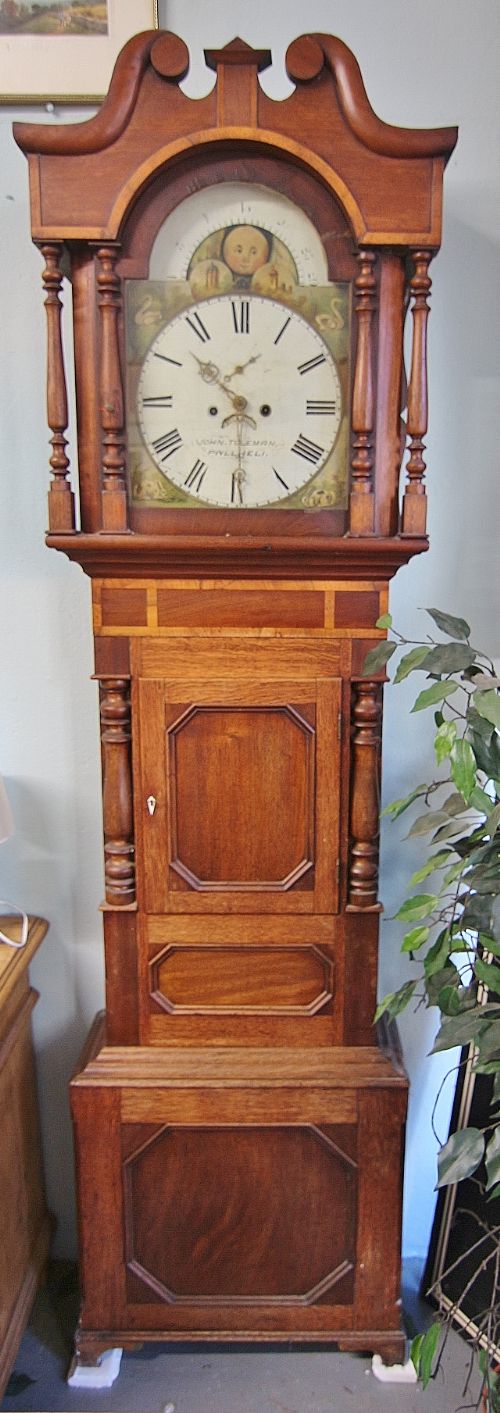
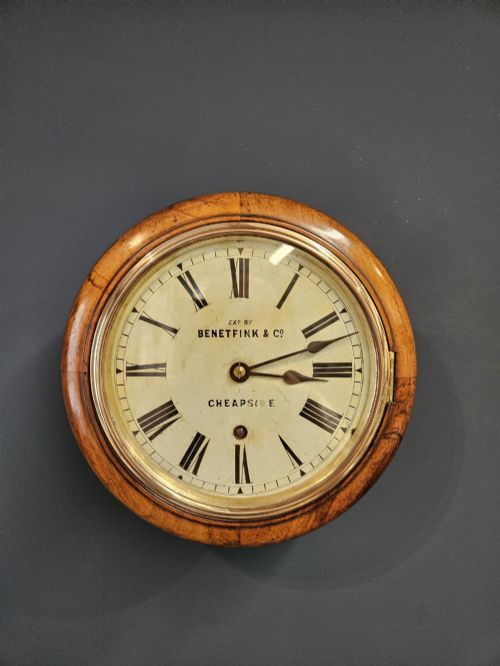
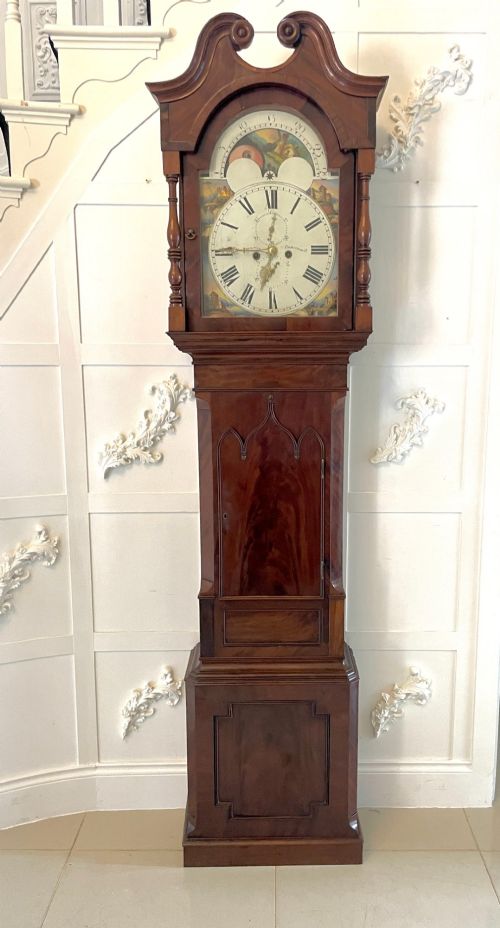
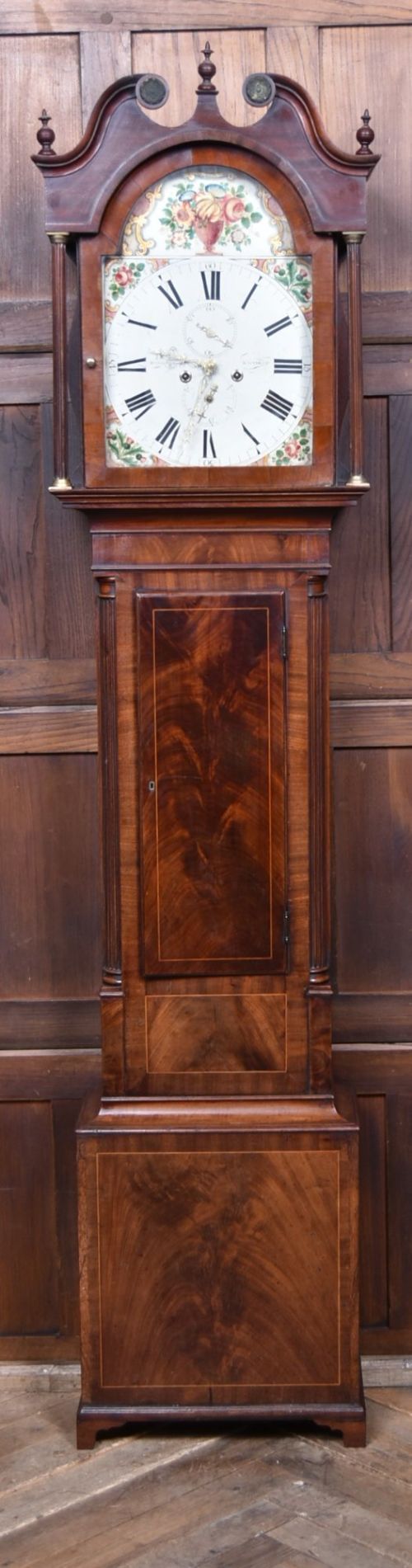
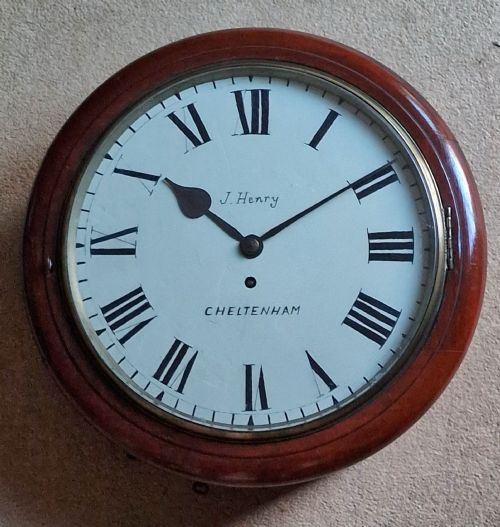
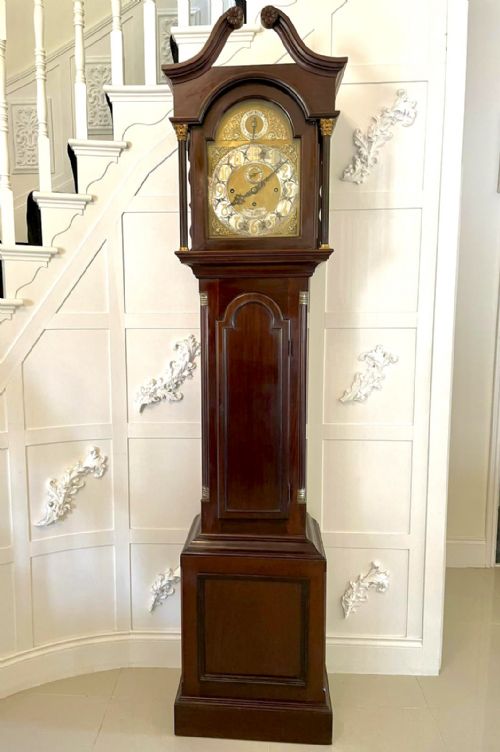
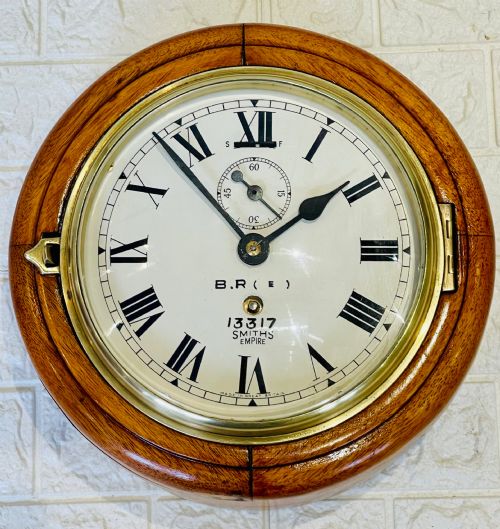

Brown Wooden Dial Clock
A brown wooden dial clock brings practical timekeeping and solid craftsmanship into a room.
Brown Wooden Dial Clock
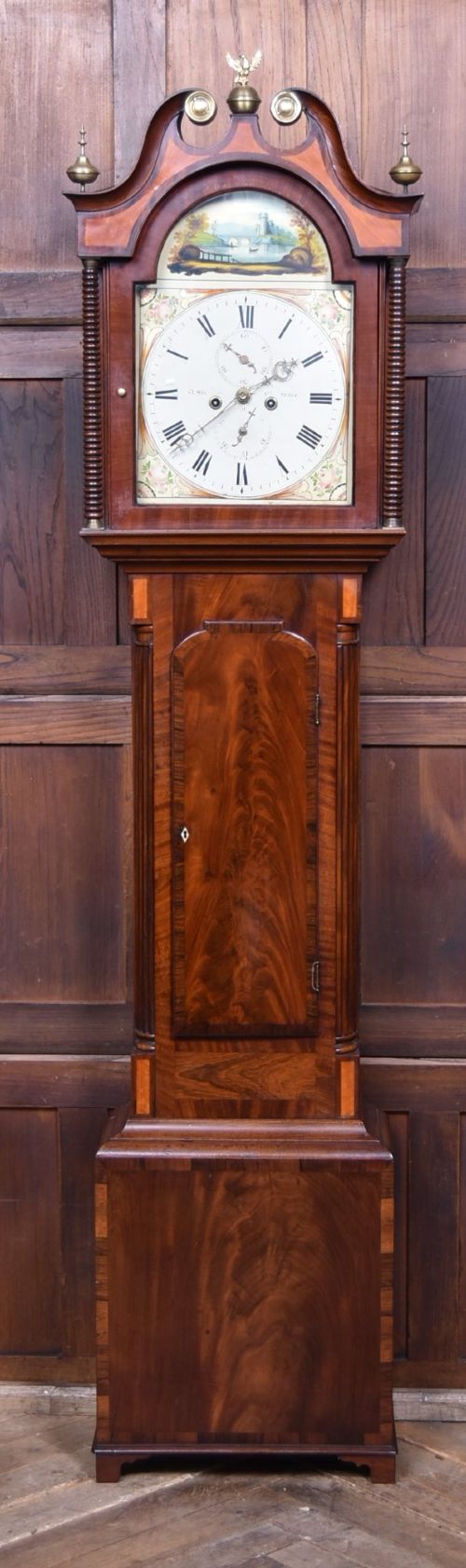
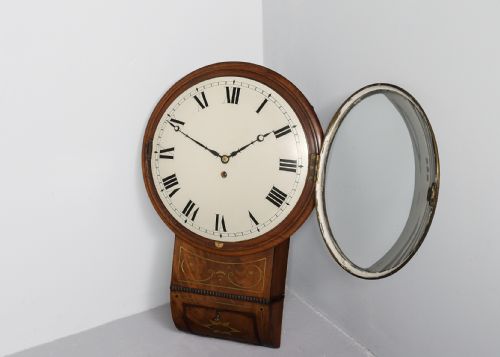
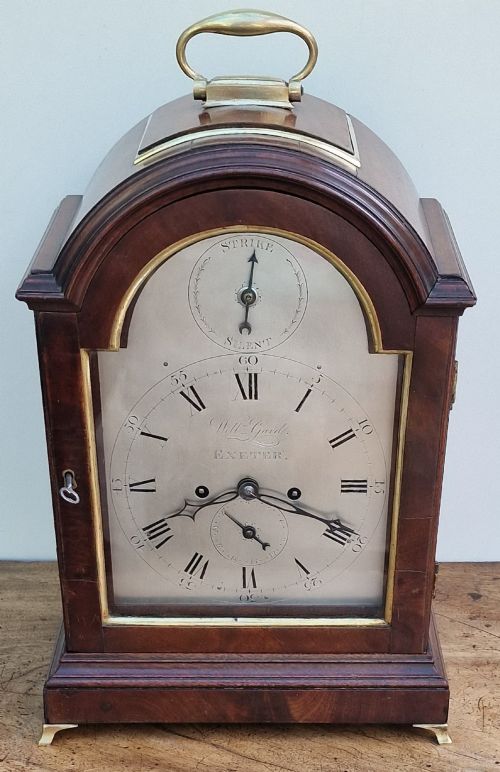
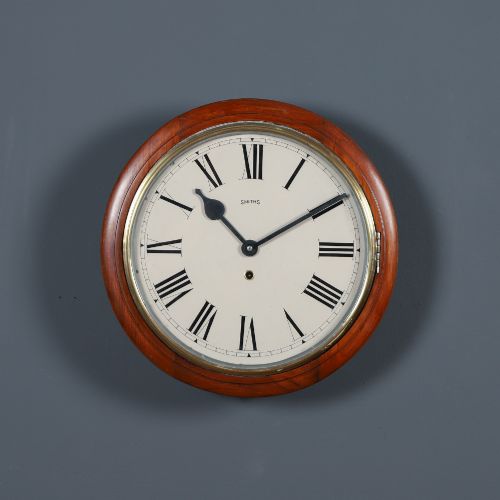
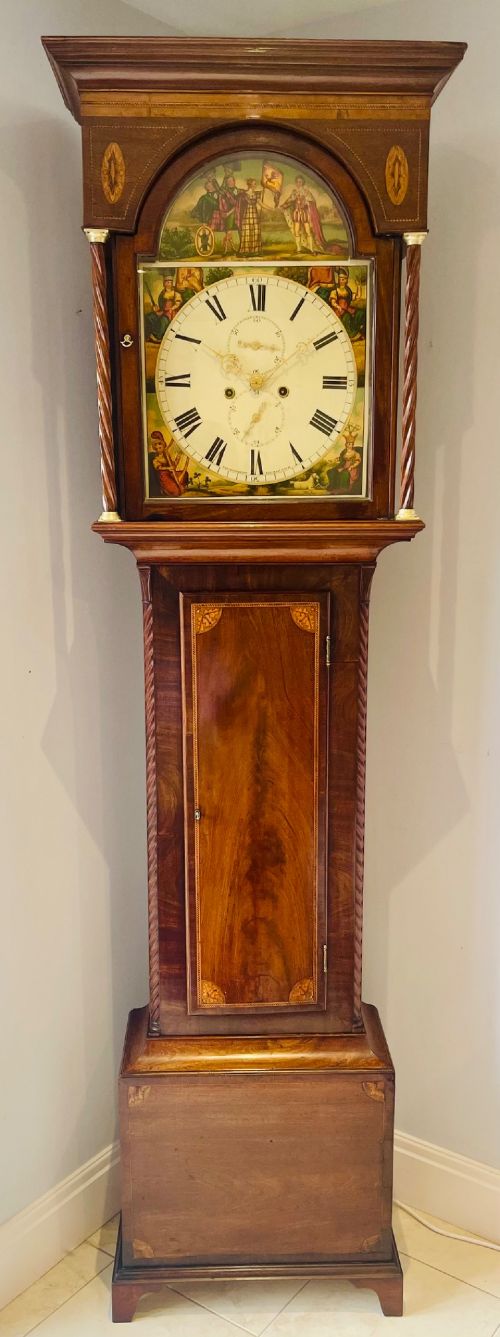
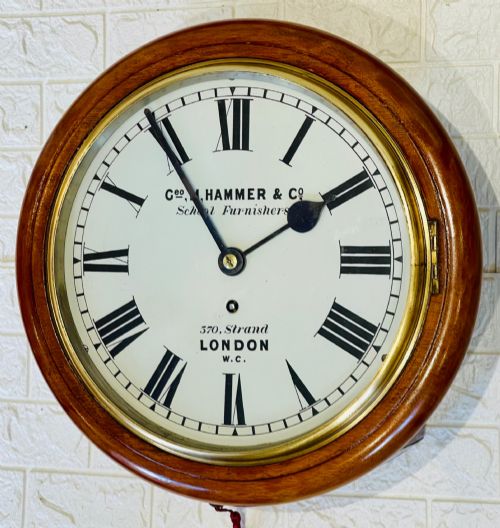
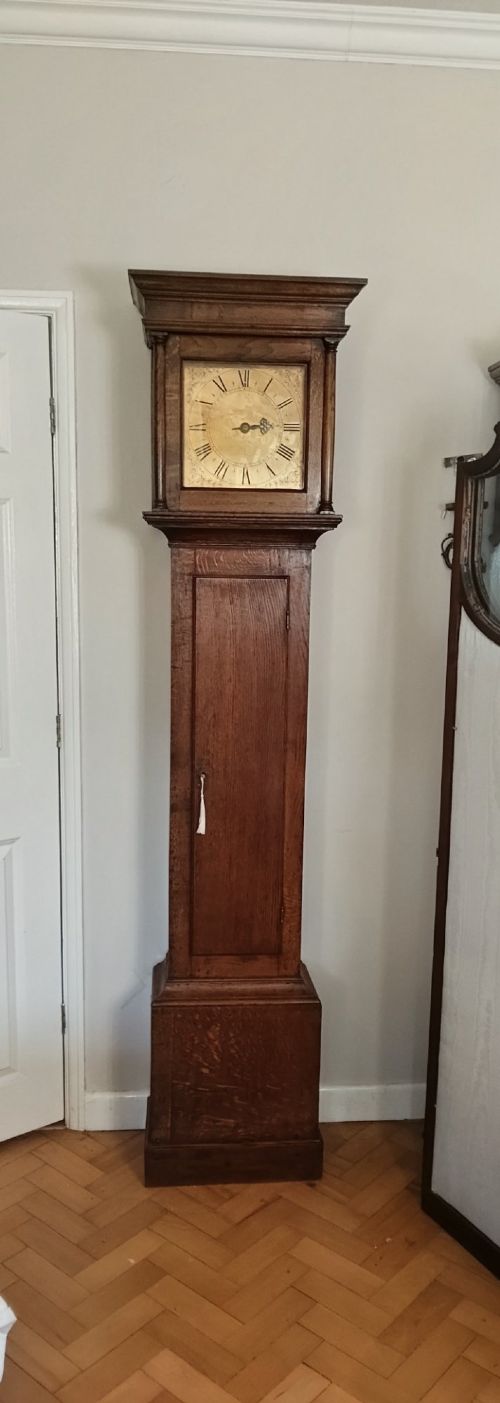
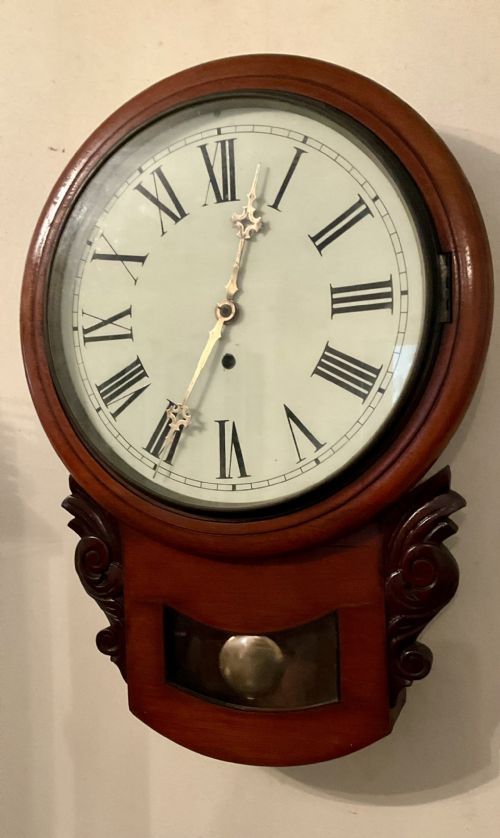
When you search for a brown wooden dial clock, you are looking at circular-faced timepieces designed primarily for wall hanging or station use, alongside related bracket and longcase forms. The pieces you are most likely to meet on this page date from the Victorian and Georgian periods up through the early twentieth century, spanning decades of domestic and commercial utility.
Materials and construction
Clockmakers utilised dense hardwoods such as mahogany, oak, and walnut to build robust cases that protected delicate internal movements from dust and atmospheric changes. Brass components formed essential parts of the mechanical gear trains and bezels, while curved glass covered the visible dial face.
Movements relied on weight-driven or spring-driven fusee mechanisms to maintain steady tension and accurate timekeeping. Wood was turned, carved, and polished by hand to achieve the finished cabinet work.
Judging quality
Quality rests upon the crispness of the timber carving, the precision of the internal fusee movement, and the legibility of the painted dial. Finer examples display well-figured grain in the mahogany or walnut case and bear signatures from respected makers.
Substantial brass inlay, original glass, and untutored mechanical parts distinguish superior workshop output from simpler utilitarian pieces produced for offices or railway platforms.
Hendrie Ogg·D Straiton·Mappin and Webb·Winterhalder·D and J Wellby
The Brown Wooden Dial Clock Glossary
- Fusee
- A conical pulley used in a clock movement to equalise the diminishing power of the mainspring as it unwinds. This mechanism ensures consistent force is delivered to the gear train.
- Dial clock
- A wall-mounted timepiece featuring a prominent circular face. These clocks were widely installed in schools, offices, and railway stations.
- Longcase clock
- A tall pendulum clock enclosed in a wooden case standing directly on the floor. They are frequently referred to as grandfather or grandmother clocks depending on their height.
- Bracket clock
- A portable table or shelf clock originally designed to sit on a wall bracket. Many examples include striking mechanisms or musical chimes.
- Drop dial
- A wall clock featuring an extended wooden case below the circular dial. This lower section often houses a pendulum window or storage box.
Brown Wooden Dial Clock: Frequently Asked Questions
How do I wind a fusee wall clock?
Use the appropriate winding key inserted into the dial hole to turn the mechanism gently in the correct direction. Stop immediately when you feel resistance to avoid over-tensioning the mainspring.
Ensure you handle the pendulum with care if it requires removal during transport or maintenance. Most fusee movements need a steady hand and regular servicing by a horologist.
Where should I hang a dial clock?
Mount the clock securely on a solid interior wall away from direct sunlight, damp areas, and heavy vibrations. Wall clocks perform best when fixed directly into masonry or secure wooden studs.
Keep the timepiece clear of exterior doors where slamming could disturb the delicate balance of the pendulum and escapement.
How do I identify the period of an oak clock?
Examine the construction methods, timber grain, and dial design to determine the likely era of manufacture. Earlier Georgian pieces often feature hand-cut brass work and simpler timber mouldings.
Later Victorian and Edwardian examples may show machine-tooled components and standardised dial markings associated with commercial production.