



Brown Wooden Deer Head
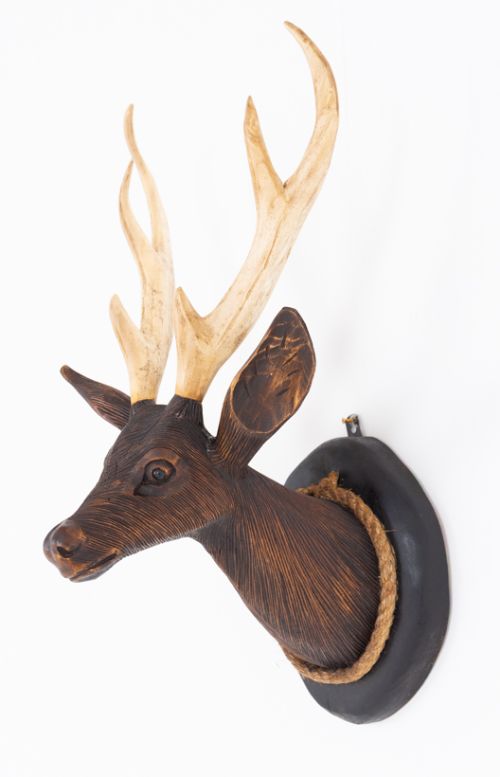
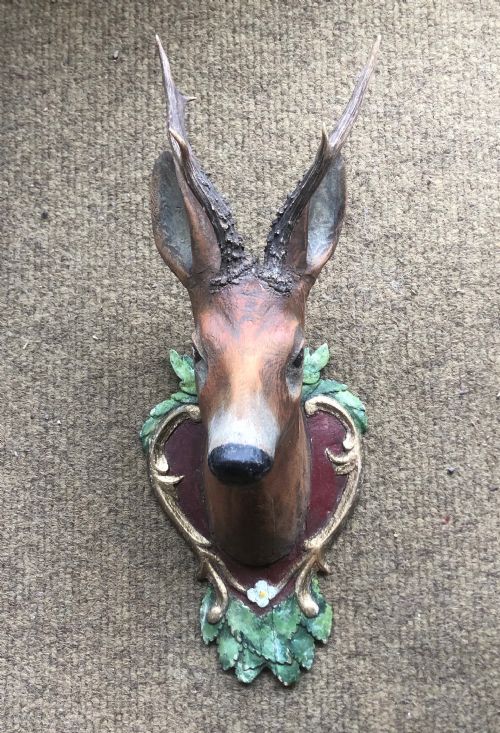
A brown wooden deer head brings the character of the lodge into a room, combining natural antler with carved timber.
Brown Wooden Deer Head
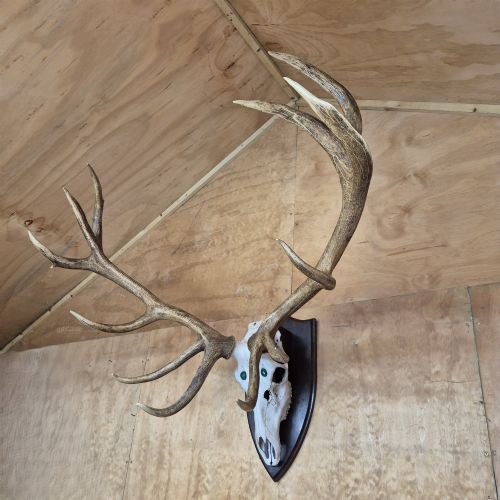
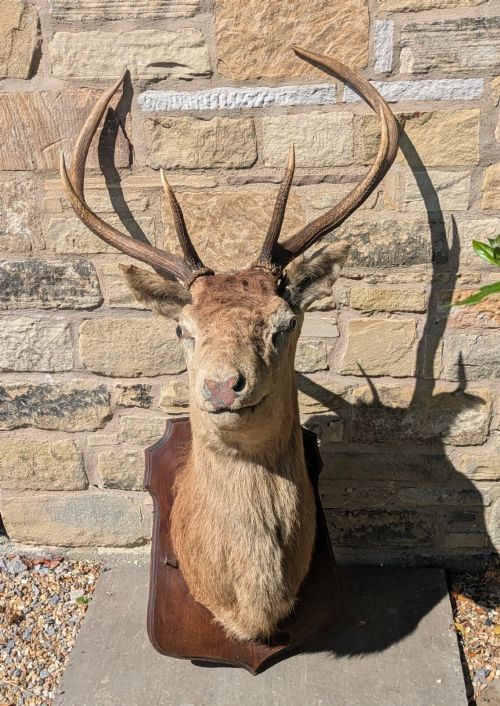
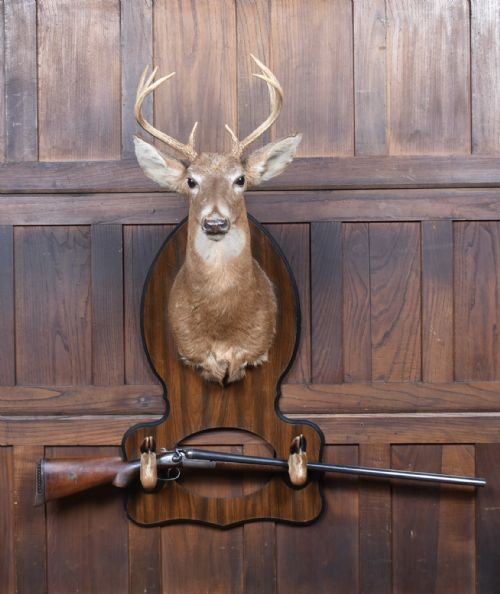
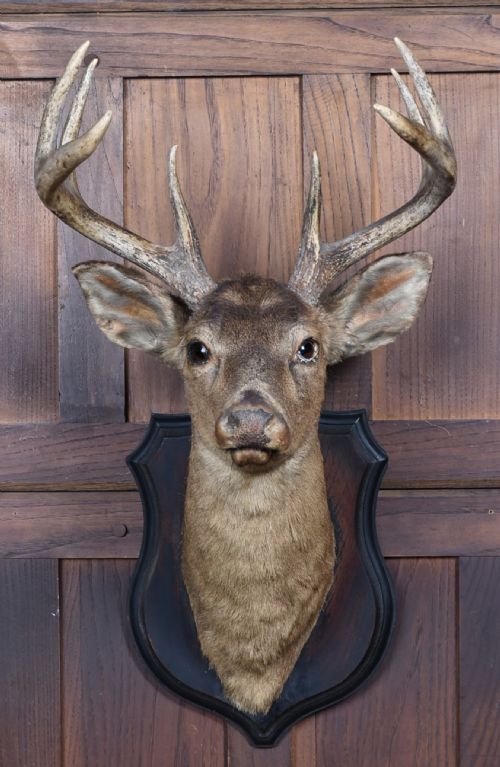
A brown wooden deer head forms a striking wall mount or sculpture, drawing upon styles such as Black Forest and Folk Art. These pieces capture the spirit of the hunt and the rustic interior through sculptural representation and taxidermy mounts.
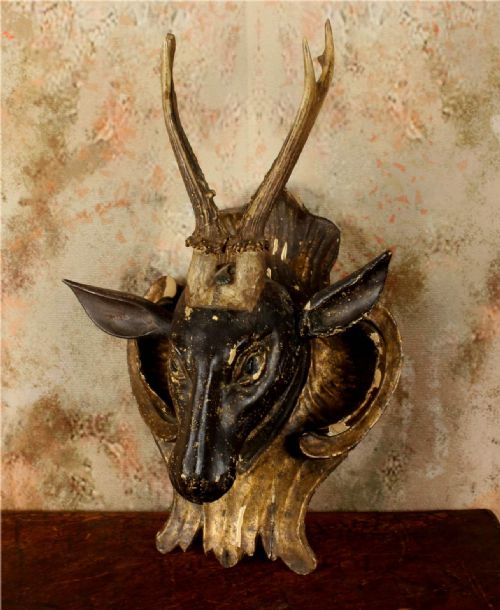
The versions most commonly met on this page range from nineteenth-century carvings to early twentieth-century mounts. They utilise real antler combined with carved wood, oak, and painted surfaces to create a three-dimensional wall decoration.
Originating within traditions of Highland lodge and Victorian sporting decor, these items serve as central focal points for studies and country interiors. Each piece brings a distinct regional aesthetic, spanning from Swedish painted folk art to detailed British taxidermy.
How they were made
Surface finish was achieved through traditional paint or polished timber treatments, highlighting the grain of the carved wood. Taxidermy examples utilised hide mounted over forms, paired with genuine antlers and glass eyes for realism.
The listings span the nineteenth and twentieth centuries, incorporating materials such as carved oak, bone, and taxidermy hide.
What varies in quality
The anatomical accuracy of the carving and the natural symmetry of the antlers dictate the overall standard of a piece. Finer examples display meticulous attention to musculature and facial expression, whereas simpler items rely on stylized or folk interpretations.
The integration between the natural horn and the carved wooden shield shows the level of craftsmanship involved. Superior mountings exhibit seamless transitions and robust construction that withstands decades on the wall.
The Brown Wooden Deer Head Glossary
- Antler
- The bony growth shed and regrown annually by members of the deer family. These are frequently mounted directly onto wooden shields or integrated into carved sculptures.
- Black Forest
- A nineteenth-century style of intricate wood carving originating from the wooded mountain region in Germany. Pieces in this tradition often feature realistic animals and foliage.
- Folk Art
- Utilitarian or decorative objects created by self-taught makers using traditional methods. These items prioritize expressive local character over academic proportion.
- Taxidermy mount
- The preservation and mounting of animal skin over a constructed form. In these listings, stags and deer are prepared to appear lifelike for interior display.
- Shield
- The wooden plaque or backing board to which antlers or animal heads are attached for hanging. They provide structural support and a finished edge against the wall.
Brown Wooden Deer Head: Frequently Asked Questions
What is the difference between taxidermy and carved wood heads?
Taxidermy mounts utilise actual animal hide, glass eyes, and real bone antlers fitted over a sculpted form. Carved wooden heads are entirely sculpted from timber by hand, sometimes incorporating real antlers into the wood.
Both styles served as hunting trophies or lodge decor in the nineteenth and twentieth centuries. The choice depends entirely on whether you prefer organic taxidermy or traditional woodcraft.
How do I clean a carved wooden deer head?
Dust the timber and antlers gently with a soft, dry brush or a feather duster on a regular basis. Avoid using liquid polishes, water, or chemical cleaners, as these can damage old paint and dry wood.
Taxidermy elements require extra care to protect the hide and hair from moisture and direct sunlight. A gentle sweep with a soft brush maintains the surface without harming the antique finish.
How do I date a nineteenth-century deer mount?
Examine the construction of the wooden shield, the type of fixings on the reverse, and the style of the carving or taxidermy. Nineteenth-century pieces often feature hand-cut wooden backing boards and older mounting techniques.
Comparing the style against known periods such as Victorian or Folk Art helps narrow down the decade. Material choices like solid oak and traditional paint finishes also indicate the age of the piece.