


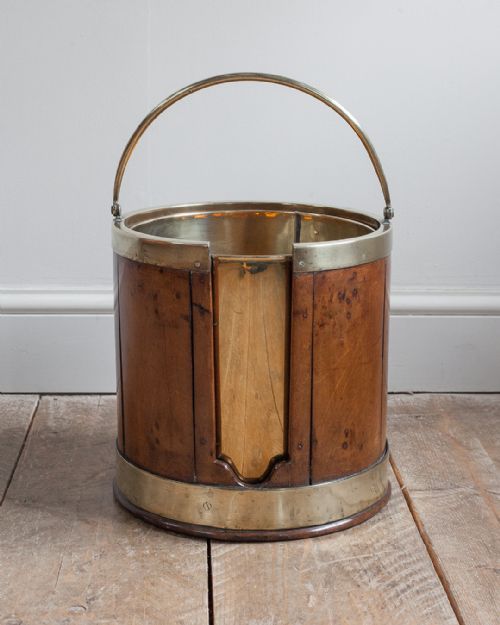


Brown Wooden Cooler
A brown wooden cooler is a traditional vessel designed for chilling bottles or holding plants, uniting practicality with rich historical craftsmanship.
Brown Wooden Cooler
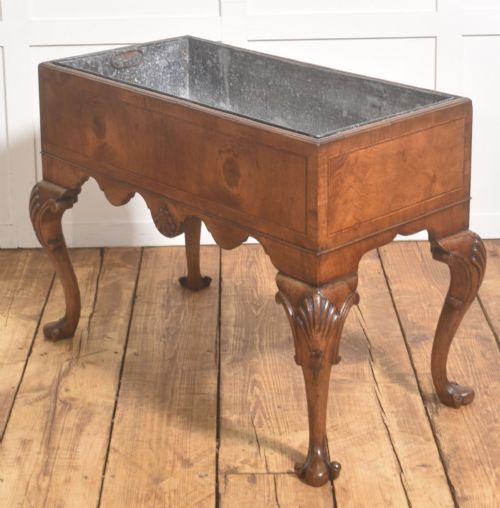
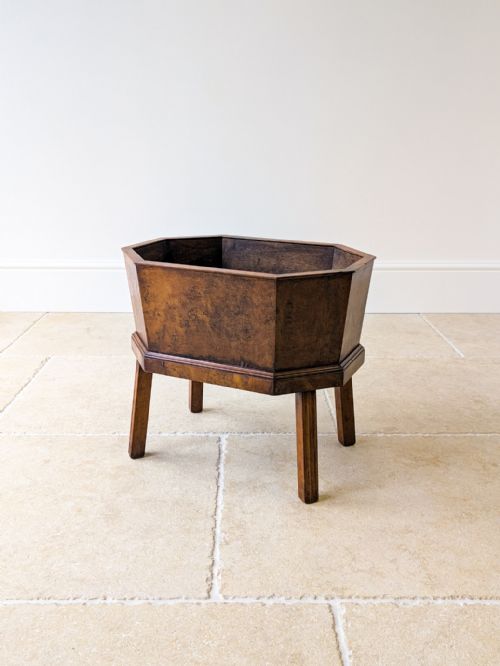
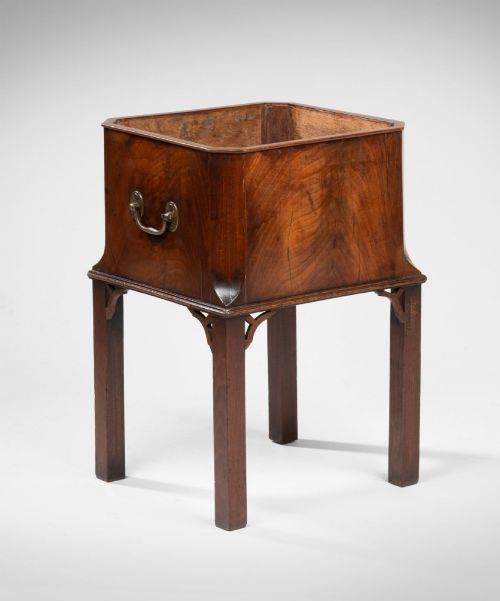
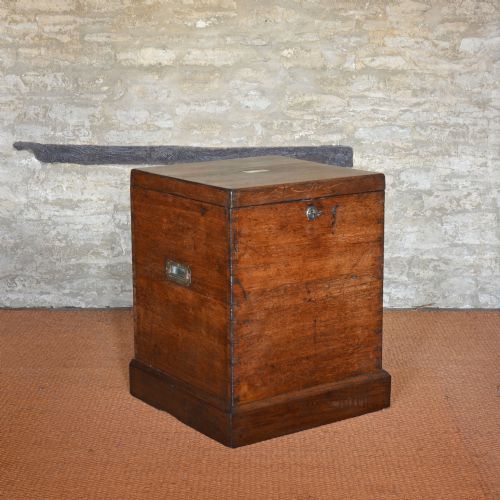
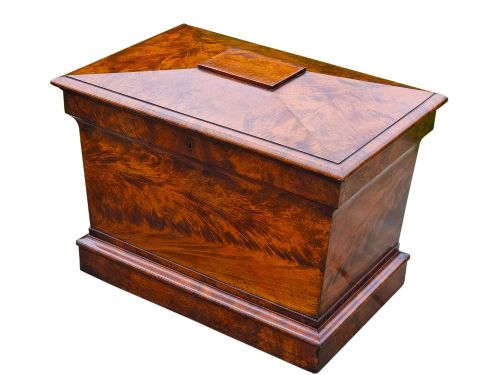
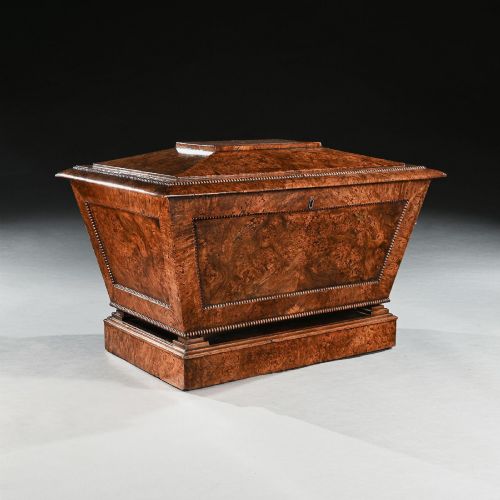
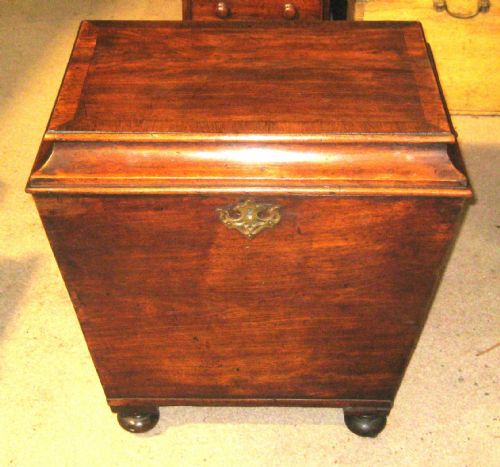
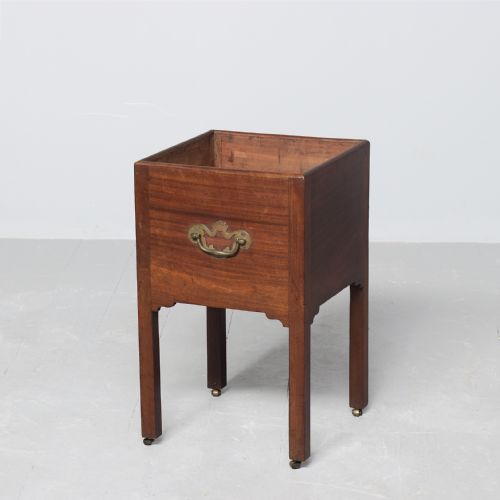
A brown wooden cooler encompasses a variety of forms including wine coolers, cellarettes, plate buckets, and jardinières designed for domestic entertaining and utility. These pieces primarily date from the Georgian, Regency, and Victorian periods, reflecting the shifting interior tastes of the eighteenth and nineteenth centuries.
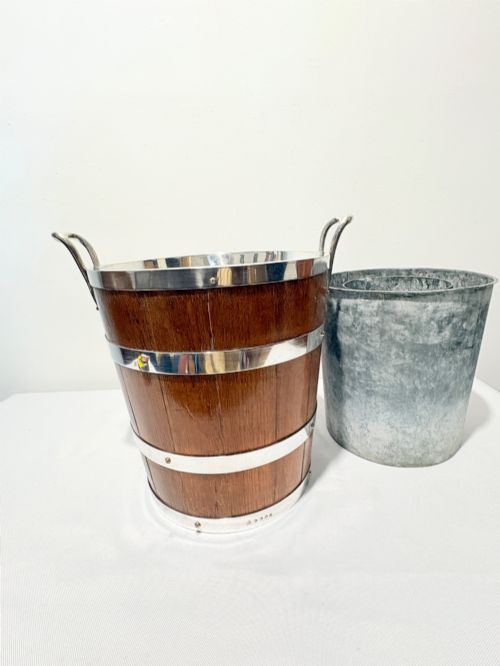
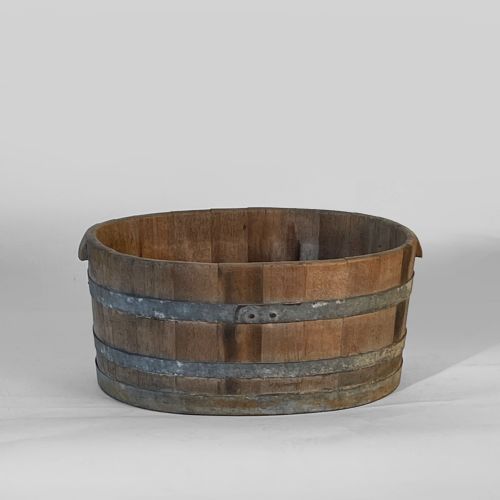
The most common examples met on this page are mahogany sarcophagus shaped cellarettes and coopered oak or teak buckets fitted with brass bands. These vessels served to chill wine at the dining table or store bottles safely before the advent of modern refrigeration.
Originating largely from English, Irish, and continental workshops, these items demonstrate skilled woodworking traditions intended for prominent display in wealthy dining rooms and halls.
Materials and construction methods
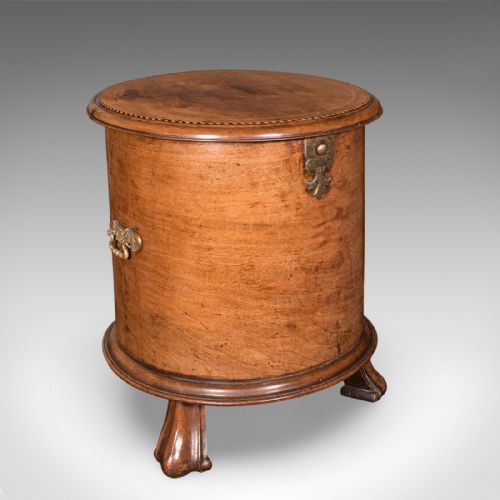
Cabinet makers utilised dense timber varieties such as mahogany, oak, walnut, and satinwood, frequently employing flame mahogany veneer or pollard oak to achieve striking surface grain patterns. Brass featured prominently as a functional and decorative element, appearing in structural bands, handles, and paw feet.
Coopered construction techniques defined round vessels like oyster buckets and barrel planters, utilising curved staves bound tightly with metal hoops. Joinery for rectangular or sarcophagus forms involved precise carcase construction, sometimes enhanced with satinwood banding and inlaid details.
Brown Wooden Cooler Retail Price Guide 2026
Typical asking prices for brown wooden cooler among the pieces listed under this phrase on Sellingantiques today, from the lower quarter to the upper quarter. They describe what is for sale here now, not the wider market.
Some nineteenth century vessels served a double life, shifting from chilling claret at dinner to housing household oysters by the scullery door.
Distinctions in craftsmanship
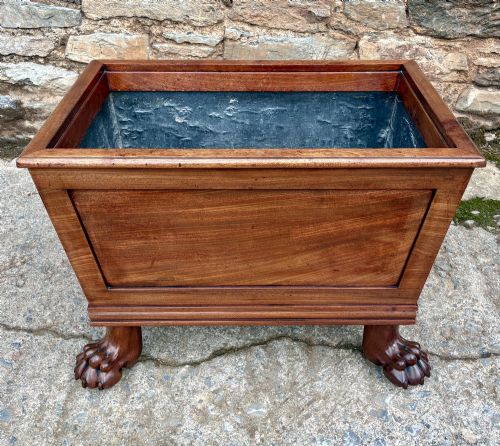
Superior examples derive from the careful selection of highly figured timbers, where book-matched veneers or choice cuts of pollard oak create dramatic visual depth across the surface. The integration of quality cast brass mounts, lion paw feet, and robust internal lead linings separates utilitarian vessels from high-status dining room furnishings.
Proportion and architectural detailing distinguish master workshops from regional copies, visible in crisp mouldings, harmonious sarcophagus proportions, and finely executed coopered staves that maintain structural integrity over centuries.
Gillows of Lancaster and London·Maples & Co·Robert Strahan & Co
The Brown Wooden Cooler Glossary
- Cellarette
- A lockable container used to hold bottles of wine and spirits in the dining room. They often sat beneath the sideboard or on dedicated stands.
- Coopered
- A method of construction where curved wooden staves are fitted together and bound with metal hoops, similar to barrel making.
- Sarcophagus
- A monumental, coffin-like architectural shape with a domed lid popular for Regency and Georgian wine coolers. This form provided substantial internal depth for ice and bottles.
- Jardinière
- An ornamental pot or stand designed to hold plants or flowers. In wood, these often mirrored the coopered or bucket forms of wine coolers.
- Flame mahogany
- A highly figured wood veneer sliced from the point where branches join the main trunk, creating a distinctive flickering flame pattern.
Brown Wooden Cooler: Frequently Asked Questions
What was a brown wooden cooler used for?
These vessels were utilised in elite dining rooms to keep wine bottles chilled in ice or to transport plates and cutlery. They sat near the dining table for easy access by servants during long meals.
Over time, many of these wooden containers transitioned into decorative jardinières or planters for holding household greenery and floral displays.
How do I distinguish Regency from Georgian pieces?
Georgian pieces often display restrained classical lines, straight or serpentine fronts, and fine bracket feet or simple stands. They tend to use solid mahogany or subtle veneers.
Regency examples embrace bolder classical revival styles, featuring heavy sarcophagus shapes, lion paw feet, brass ring handles, and dramatic flame mahogany or burr elm veneers.
Are these coolers waterproof inside?
Many original wine coolers and cellarettes retain internal lead linings or zinc inserts designed to hold melting ice without damaging the outer wooden staves. Over centuries, these linings may show wear or have been removed during conversion.
If utilised today for live plants or ice, modern protective liners are often inserted to prevent moisture from affecting the historical timber interior.
Where should I place a cellarette at home?
A cellarette works effectively as a statement piece in a dining room, functioning as a low side table or a container for bottled beverages. Their substantial wooden presence anchors a room's decorative scheme.
Smaller coopered buckets or jardinières suit side tables, hallways, or living spaces when used to display large houseplants or dried arrangements.