
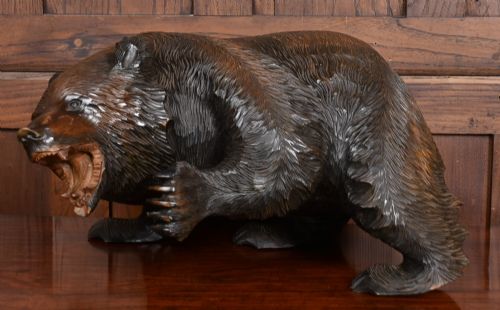
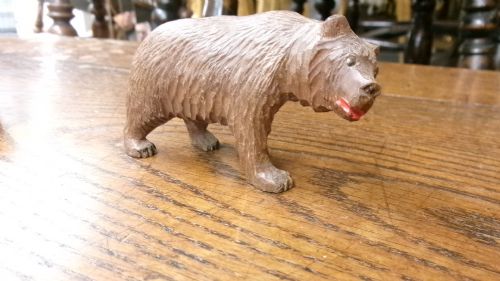


Brown Wooden Bear Carving
These brown wooden bear carving pieces combine rustic charm with remarkable animalier detail, offering both functional utility and delightful decorative presence.
Brown Wooden Bear Carving
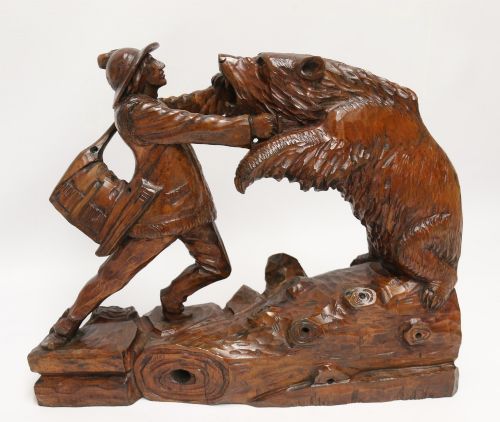
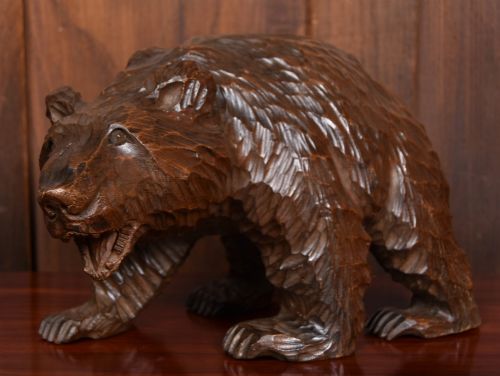
A brown wooden bear carving brings the tactile warmth of carved timber and the naturalistic vigour of animalier sculpture directly into the home. Buyers seeking a brown wooden bear carving will discover pieces ranging from whimsical desk accessories to imposing furniture elements.
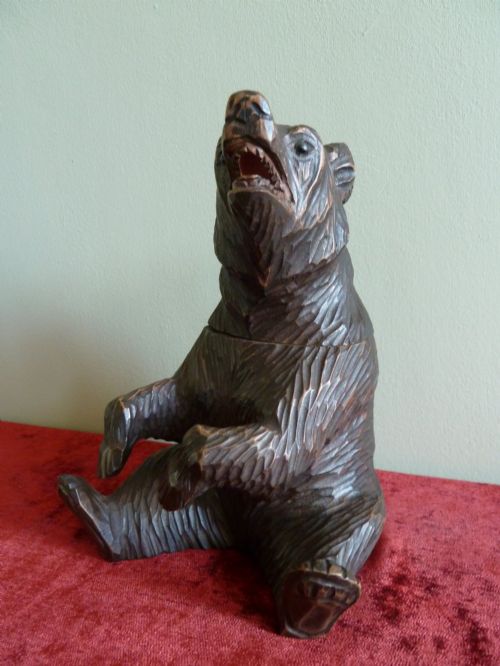
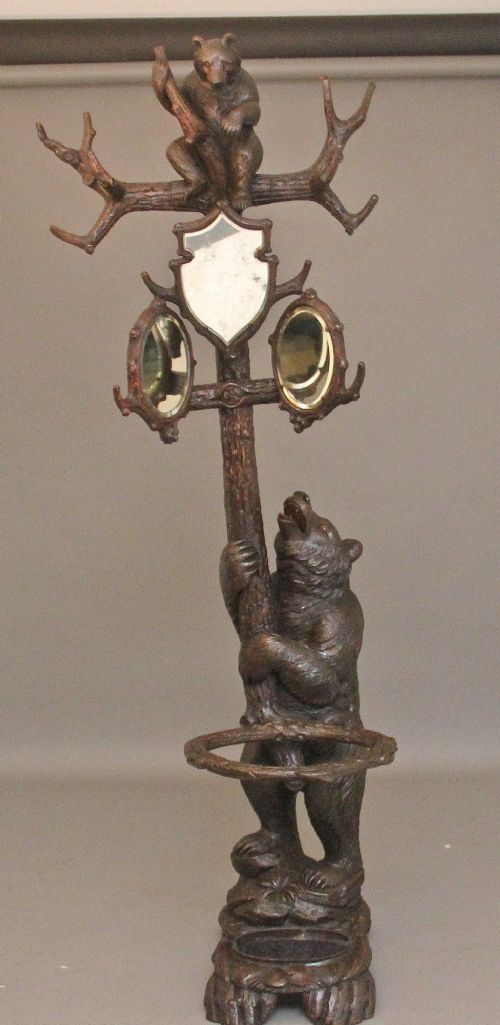
The selections on this page are dominated by European Black Forest workshops and Japanese folk art traditions. Common functional forms include hall stands, tobacco jars, umbrella stands, bookends, and lamps, alongside standalone animal sculptures.
Dated examples span the nineteenth century into the early twentieth century, encompassing Victorian, Edwardian, and Georgian eras. Whether encountering a small inkwell with glass eyes or a large hall seat, each item displays distinct regional carving traits.
Materials and carving techniques
Carvers predominantly utilised linden wood, walnut, and general carved hardwood to achieve intricate fur textures and lifelike musculature. Linden wood offered a fine grain suited to deep, expressive chiselling, while walnut provided darker, robust tones for substantial furniture and figures.
Makers integrated various media such as glass for inset eyes and metal for functional hinges, inkwells, or structural frames. Hand chisels and gouges shaped the distinctive textured coats, often finished with a dark polish to enhance the natural grain of the wood.
One miniature set contains fifteen tiny carved bears, proving that timber wildlife apparently travels in exceptionally large family groups.
Factors of design and execution
Complexity of form and scale also determine quality, shifting simple tabletop figures towards ambitious architectural pieces like hall stands and umbrella holders. The preservation of original surface finishes and the careful integration of functional elements define the upper tier of surviving works.
The Brown Wooden Bear Carving Glossary
- Black Forest
- A regional style of wood carving originating in central Europe, famous for naturalistic animal sculptures and rustic furniture. These works often depict bears engaged in human activities or resting on logs.
- Kibori Kuma
- A traditional style of Japanese wooden bear carving originating from Hokkaido, often featuring textured fur carved with chisels. Many pieces incorporate a salmon in the bear's mouth or exhibit distinct folk art characteristics.
- Animalier
- A nineteenth-century artistic genre devoted to the realistic representation of animals. Sculptors in this tradition focused on capturing authentic anatomy and movement.
- Linden wood
- A pale, close-grained timber favoured by carvers for its smooth consistency and lack of prominent splintering. It allows for microscopic detail in hair and facial expressions.
- Humidor
- A specialised box or jar designed to keep tobacco moist, frequently carved in the form of a seated bear holding a log or barrel. These lidded containers were popular desk accessories in the nineteenth century.
Brown Wooden Bear Carving: Frequently Asked Questions
What are these carved bears made from?
These sculptures and functional objects are carved primarily from linden wood and walnut, selected for their receptive grain and durability.
Secondary materials include glass for inset eyes and metal components for hinges, inkwells, and structural supports in larger furniture items.
Where do these wooden bears originate?
The pieces originate predominantly from European Black Forest workshops and Japanese regional folk art traditions dating from the nineteenth and early twentieth centuries.
European pieces often reflect Swiss and German carving styles, whilst Japanese items represent the Kibori Kuma tradition from Hokkaido.
How were these carved bear objects used?
Many items served practical domestic functions alongside their decorative appeal, acting as umbrella stands, hall seats, tobacco jars, and desk inkstands.
Smaller examples functioned as bookends, lamps, or miniature shelf ornaments, integrating wildlife motifs into everyday Victorian and Edwardian interiors.
How can I tell the age of a carved bear?
Dating relies on stylistic markers associated with the Victorian, Edwardian, and Georgian periods, alongside construction methods and material wear.
Documentation of regional output, such as nineteenth-century Black Forest production or Japanese folk art signatures, helps establish a reliable timeframe.