
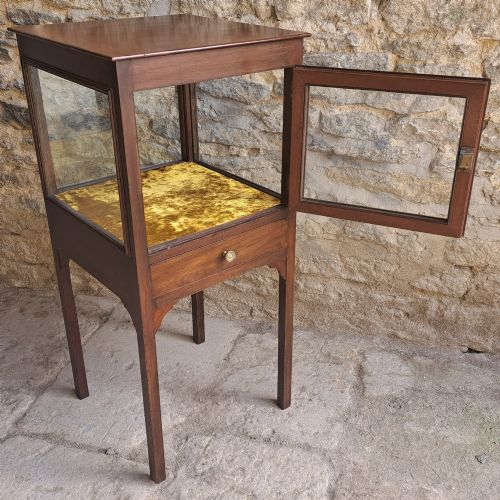


Brown Wood Vitrine Table
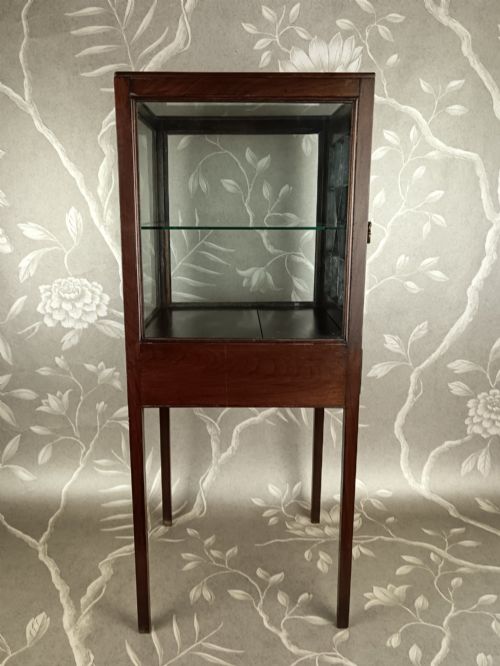
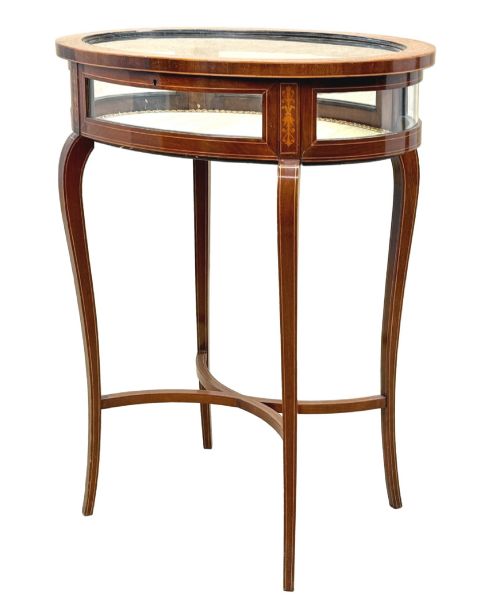
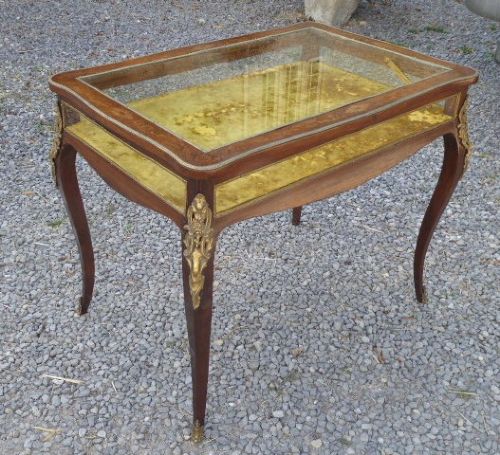
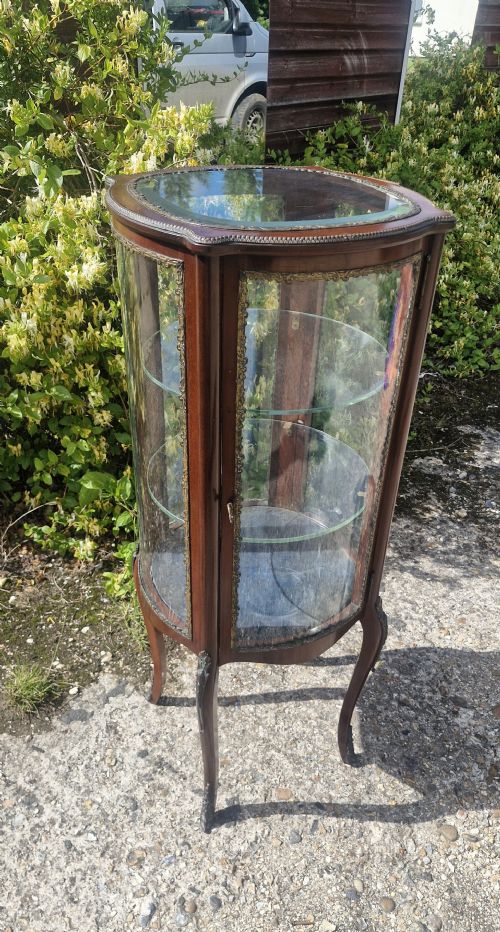
These brown wood vitrine table pieces combine glazed top display cases with sturdy timber frames to showcase small treasures in any room.
Brown Wood Vitrine Table
A brown wood vitrine table serves as both a practical surface and a secure glass case for displaying delicate items like jewellery or curiosities. When searching for a brown wood vitrine table, buyers encounter various forms including oval and octagonal display tables, kidney shaped lamp end tables, and tall cabinets originating from Georgian and Edwardian periods.
Most examples found on this page date from the 18th century through to the Edwardian era, reflecting classic cabinet making traditions. These pieces often incorporate hinged or lift-off glass tops that allow easy access to the lined interior compartments while keeping dust away from prized collections.
Materials and Construction
Makers utilised rich timbers such as mahogany, satinwood, and kingwood, often enhancing the warm brown wood tones with intricate marquetry and delicate inlay work. Brass mounts, gilt metal accents, and ormolu details provide structural highlights and decorative contrast around the glass panels and table edges.
Interiors are frequently lined with tactile fabrics like velvet or similar soft textiles to cushion displayed items and create a contrasting backdrop. Traditional joinery techniques secure the glazed frames and wooden legs, ensuring stability for both the upper display case and the table base.
Early collectors used these glass topped tables to show off their visiting cards alongside miniature portraits and glittering trinkets.
Judging Quality and Craftsmanship
The distinction between standard examples and finer pieces often lies in the precision of the marquetry inlay and the choice of secondary timbers. Superior items display crisp geometric or floral patterns in contrasting woods, whereas simpler versions rely solely on plain polished surfaces.
Hardware quality also dictates the tier of the piece, with heavier cast brass mounts and well-fitted glass retaining better integrity over time. The sophistication of the silhouette, such as kidney shapes or octagonal forms, indicates the ambition of the original workshop.
The Brown Wood Vitrine Table Glossary
- Vitrine
- A glass fronted or glass topped cabinet designed specifically for the display of objects or curiosities. It protects delicate collections from dust while offering clear visibility from multiple angles.
- Bijouterie table
- A small display table featuring a glazed compartment beneath the top surface for showing jewellery and small valuable items. These tables became particularly popular during the Victorian and Edwardian periods.
- Marquetry
- Decorative veneer work created by fitting together small pieces of various coloured woods to form pictorial or geometric patterns. Artisans apply these designs to the primary surfaces of furniture.
- Ormolu
- Gilded bronze ornamentation applied to furniture mounts, feet, and key escutcheons. The technique adds a metallic sheen that complements rich timber frames.
- Satinwood
- A durable, yellowish timber prized for its lustrous grain and smooth finish. It serves frequently as a contrasting inlay material on mahogany furniture.
Brown Wood Vitrine Table: Frequently Asked Questions
What is a vitrine table used for?
These tables are designed to display small collections, jewellery, and curiosities beneath a protective glass cover. They allow owners to exhibit items safely while maintaining a functional surface.
In period interiors, they functioned as conversation pieces in drawing rooms and parlours where hosts shared their latest acquisitions with guests.
How do I date a brown wood vitrine table?
Dating relies on examining the timber species, secondary woods, hardware styles, and overall construction techniques used by the maker. Georgian examples generally exhibit heavier proportions and restrained carving.
Later Victorian and Edwardian pieces often incorporate lighter satinwood inlays, kidney shaped tops, or extensive gilt metal mounts influenced by French revival styles.
Are these tables sturdy enough for everyday use?
While the lower frames and legs provide solid support for general placement, the glazed upper compartments require careful handling. The glass lids and delicate hinges are built for displaying items rather than bearing heavy loads.
Placing the table away from high traffic areas helps protect the delicate inlay and fabric linings from excessive wear.
What maintenance do the fabric linings need?
Interior velvet or fabric linings benefit from gentle dusting with a soft brush to prevent the accumulation of particles over time. Avoiding direct sunlight helps preserve the colour of both the textile and the surrounding wood.
Keep humidity levels stable in the room to protect the timber structure and the integrity of the antique glues used in the joinery.
How do I distinguish Sheraton style from Edwardian pieces?
Sheraton style pieces from the late 18th and 19th centuries typically feature classical geometry, refined mahogany frames, and precise contrasting stringing. They reflect the neoclassical ideals of balance and restraint.
Edwardian interpretations often combine these classical motifs with lighter satinwood borders, kidney silhouettes, and more eclectic revival influences.