




Brown Wood Umbrella Holder
A brown wood umbrella holder brings practical order to an entrance hall while showcasing the natural warmth of beech, oak, and walnut.
Brown Wood Umbrella Holder
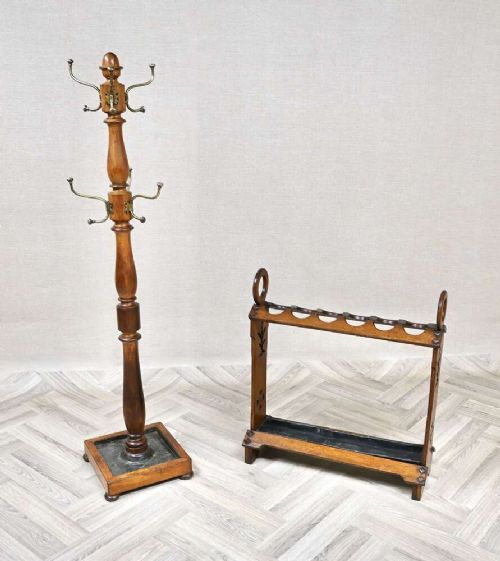
When searching for a brown wood umbrella holder, you are looking at hall furnishings designed to store wet walking sticks and umbrellas. These pieces range from compact square leg stands to larger combinations incorporating coat and hat hooks. The version you are most likely to meet on this page is a Victorian or Edwardian creation carved from oak, beech, or walnut.
Makers and workshops across the nineteenth and early twentieth centuries produced these items in various regional styles, including Austrian bentwood and carved Black Forest designs. They served a vital daily function in period homes, catching drips from wet weather gear before it reached the main floor boards. Their forms adapt easily to modern hallways, offering both utility and traditional character.
How they were made
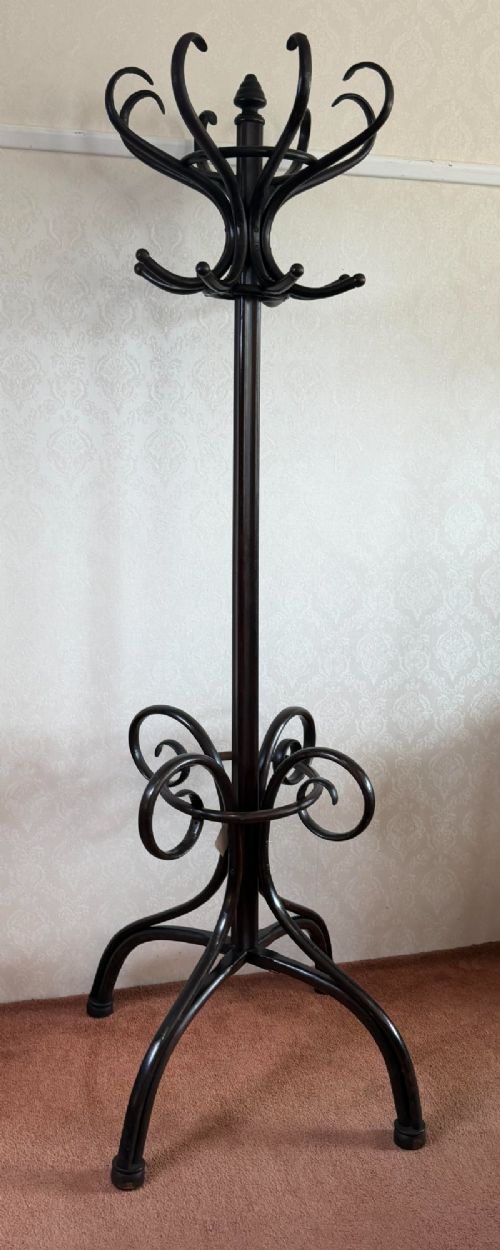
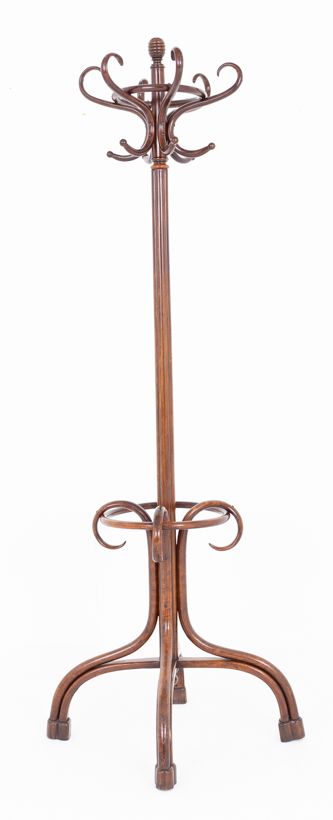
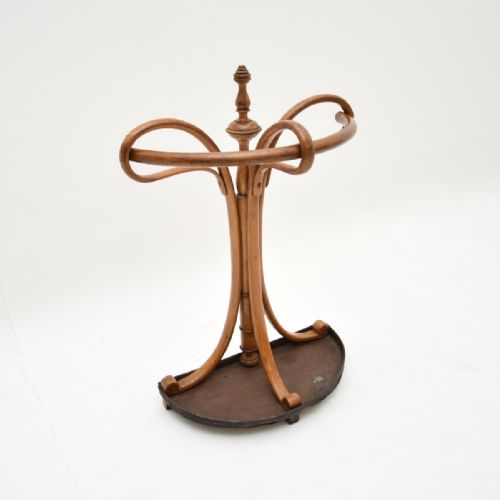
The construction relies heavily on solid hardwoods such as oak, beech, and walnut, frequently shaped through steam bending techniques or detailed hand carving. Bentwood examples utilise heated timber forced into curved forms to create lightweight yet sturdy frames. Other pieces employ traditional joinery alongside applied mouldings and turned spindles.
Carved Black Forest stands feature intricate figurative work, often depicting bears or woodland motifs hewn directly from lindenwood or oak. Metal liners or drip trays were typically incorporated into the base to protect the wood from standing water. Surfaces were finished with polishes or waxes that enhanced the natural grain of the brown timber.
Brown Wood Umbrella Holder Retail Price Guide 2026
Typical asking prices for brown wood umbrella holder among the pieces listed under this phrase on Sellingantiques today, from the lower quarter to the upper quarter. They describe what is for sale here now, not the wider market.
Several carved bears double as loyal hall guardians, keeping a watchful glass eye on your dripping walking sticks.
What varies in quality
Quality in these stands is determined by the depth and precision of the carving, the selection of the timber, and the integrity of the original construction. Finer examples display crisp detail in figurative carvings and utilise well-figured walnut or quarter-sawn oak. Lesser pieces may show simpler turned supports and less refined finishing.
The presence of original drip pans and liners significantly enhances a piece, as these components frequently went missing or rusted away over decades of use. Structural soundness in the feet and base joints also separates superior examples from those weakened by damp conditions. The overall proportion and balance of the stand dictate its visual appeal in a hallway.
Thonet
The Brown Wood Umbrella Holder Glossary
- Bentwood
- Timber shaped by steaming and bending it into curved structural forms. This technique was pioneered by makers such as Thonet during the nineteenth century.
- Black Forest
- A nineteenth-century carving style originating in Switzerland and Germany, characterised by naturalistic depictions of animals, particularly bears holding stick stands.
- Hall Stand
- A larger hallway piece combining umbrella storage with hooks for coats and hats, often incorporating a mirror or small glove drawer.
- Stick Stand
- A piece specifically intended for walking sticks and canes, though frequently utilised interchangeably with umbrella holders in period settings.
- Quarter-sawn oak
- Timber cut radially to the growth rings, producing a distinct decorative grain pattern known as medullary rays, often seen in Arts and Crafts furniture.
Brown Wood Umbrella Holder: Frequently Asked Questions
What is a brown wood umbrella holder?
A brown wood umbrella holder is a functional hall piece designed to store wet umbrellas and walking sticks while adding a decorative element to an entranceway.
These stands are typically constructed from timbers like oak, walnut, or beech, and date from the Victorian and Edwardian periods.
How do I care for a wooden umbrella stand?
Care involves ensuring that wet umbrellas are placed into a suitable tray or liner rather than directly against the wooden base.
Regularly dusting the wood and applying a light wax will help maintain the finish and protect against moisture.
How do I identify the period of a stand?
Period identification relies on examining the timber, the style of the joinery, and decorative motifs such as hand-carved Black Forest bears or steam-bent curves.
Victorian and Edwardian pieces often exhibit distinct manufacturing methods and design characteristics typical of their respective decades.
Where should I place an umbrella stand?
These stands are traditionally positioned in a hallway, porch, or boot room near the main entrance of a house for convenient access.
Their narrow footprints allow them to fit well into corners or alongside doorways without obstructing movement.