

Brown Wood Tray Table
A brown wood tray table combines a portable serving surface with a sturdy stand, offering practical utility and period character across various historical designs.
Brown Wood Tray Table
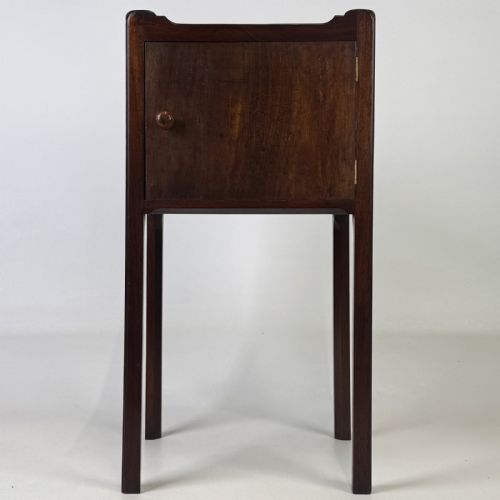
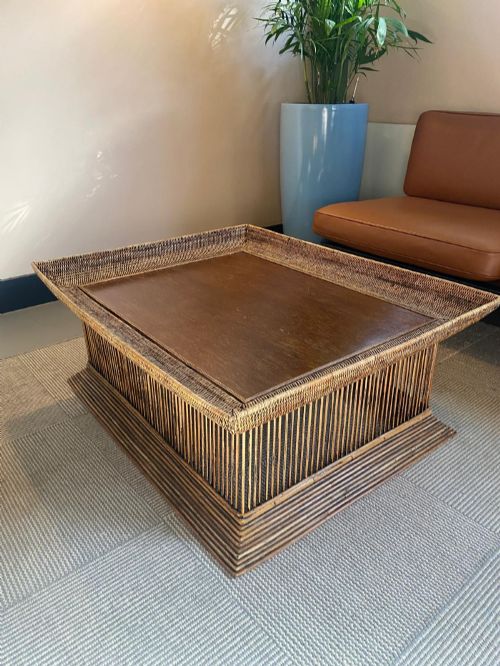
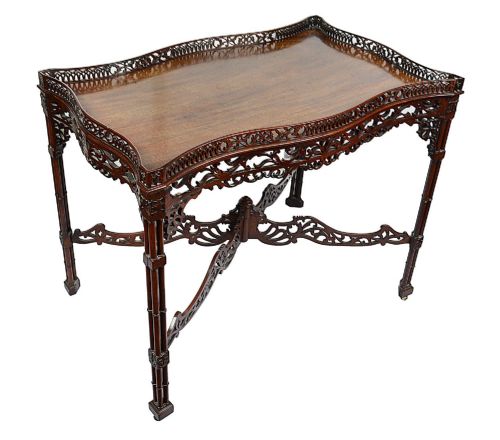
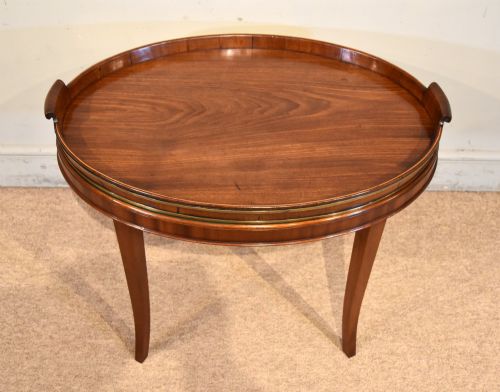
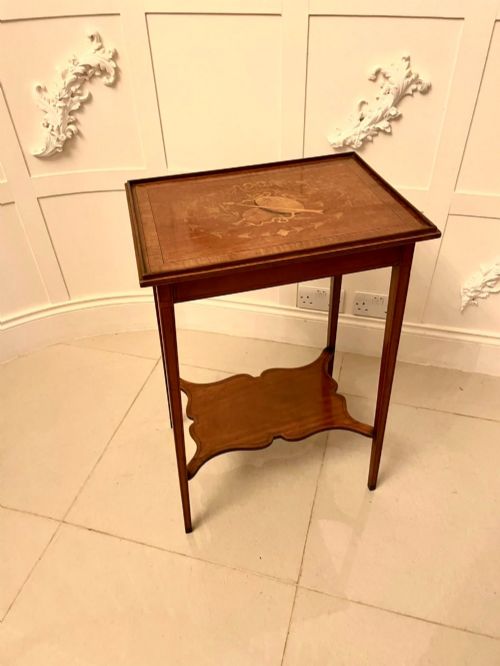
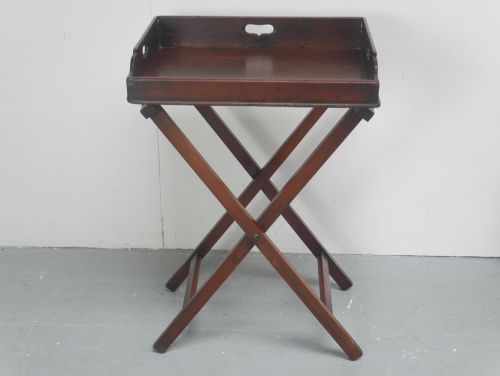
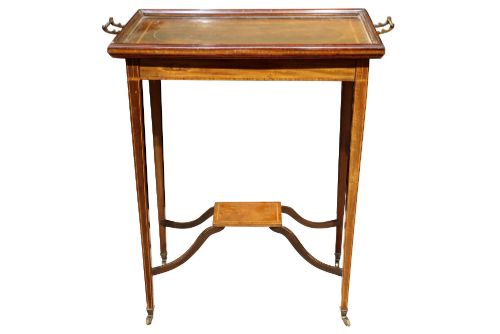
A brown wood tray table serves primarily as a flexible piece of furniture, easily moved for serving or daily use. When searching for a brown wood tray table, buyers encounter formats ranging from traditional George III butlers trays on folding stands to Edwardian occasional tables and later walnut or mahogany adaptations.
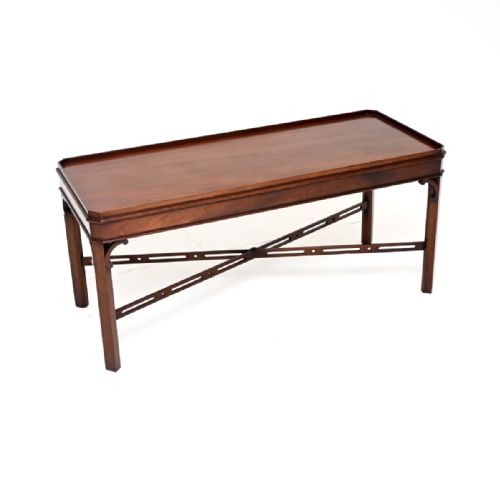
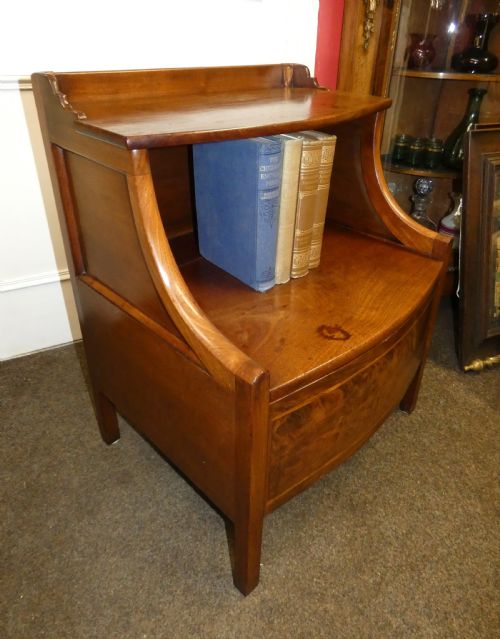
The selections span centuries, incorporating Georgian, Regency, and Victorian aesthetics alongside early 20th-century craftsmanship. Forms include distinct folding designs, side tables, and coffee tables adapted from earlier serving trays.
Origins vary from English workshops to Anglo-Indian and regional European makers, introducing diverse stylistic influences to the basic form.
How They Were Made
Cabinetmakers utilised dense timbers such as mahogany, walnut, and teak, frequently selecting figured veneers like flame mahogany or burr walnut for the primary surfaces. Solid hardwoods provided structural integrity for the folding stands and supporting frames.
Construction techniques involved traditional joinery, including dovetailing for drawer boxes and secure hinges or folding mechanisms for portable trays. Inlays of satinwood and subtle brass fittings added functional detail without compromising the clean lines of the timber.
Brown Wood Tray Table Retail Price Guide 2026
Typical asking prices for brown wood tray table among the pieces listed under this phrase on Sellingantiques today, from the lower quarter to the upper quarter. They describe what is for sale here now, not the wider market.
Listings feature periods from the 18th century through the 1930s, utilising mahogany, walnut, satinwood, and oak across various table forms.
What Varies in Quality
The standard of a brown wood tray table rests upon the selection of timber and the precision of its grain matching. Superior examples display carefully chosen veneer patterns or dense, unblemished solid mahogany with crisp, hand-carved mouldings.
Integrity of the folding mechanism and the rigidity of the supporting stand separate standard production from finer cabinetmaking. Original brass hardware and tight, clean joinery indicate higher workshop standards during the period of manufacture.
The Brown Wood Tray Table Glossary
- Butlers tray
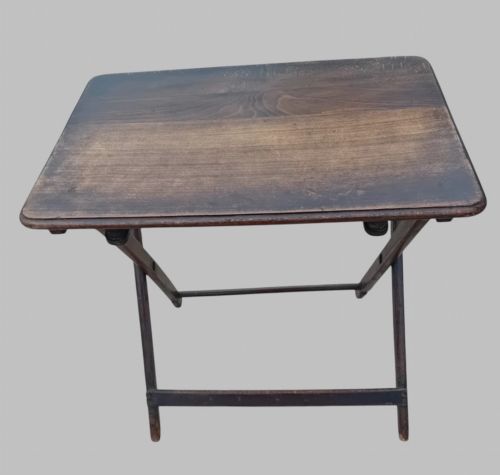
- A removable wooden tray with raised sides and carrying handles, originally designed for transporting silver and china. It typically rests on a separate folding X-frame stand.
- Flame mahogany veneer
- A sliced sheet of mahogany timber exhibiting a distinctive flickering, flame-like grain pattern. Cabinetmakers applied this to prominent surfaces for decorative effect during the Georgian and Regency periods.
- Etagere
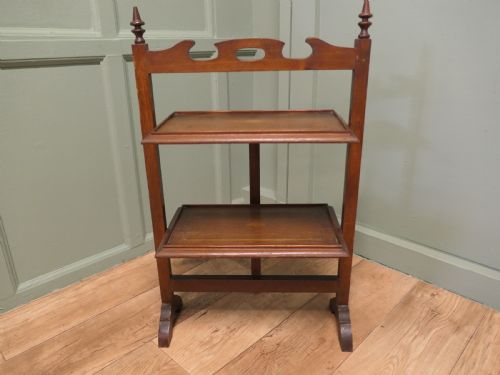
- A set of tiered open shelves or trays used for displaying small objects or serving afternoon tea. This form gained popularity in various wood finishes throughout the nineteenth and early twentieth centuries.
- Commode
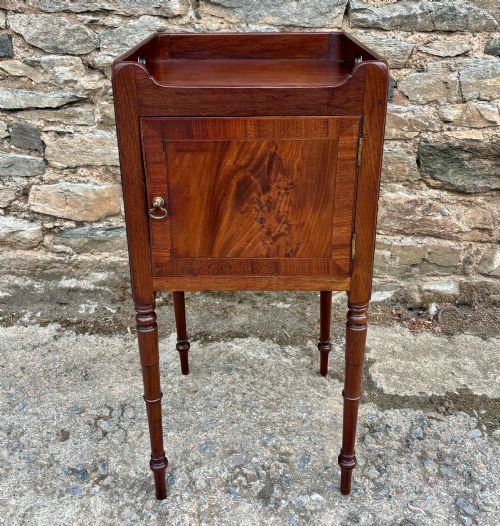
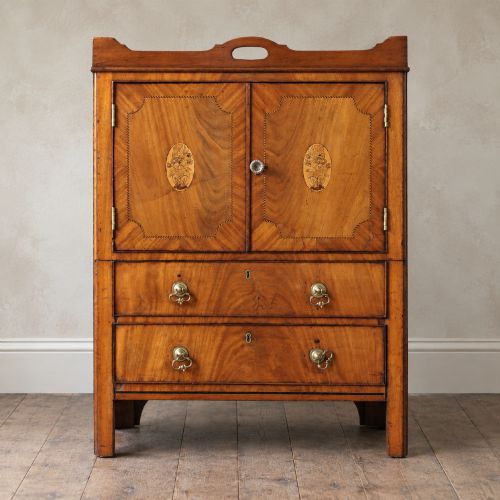
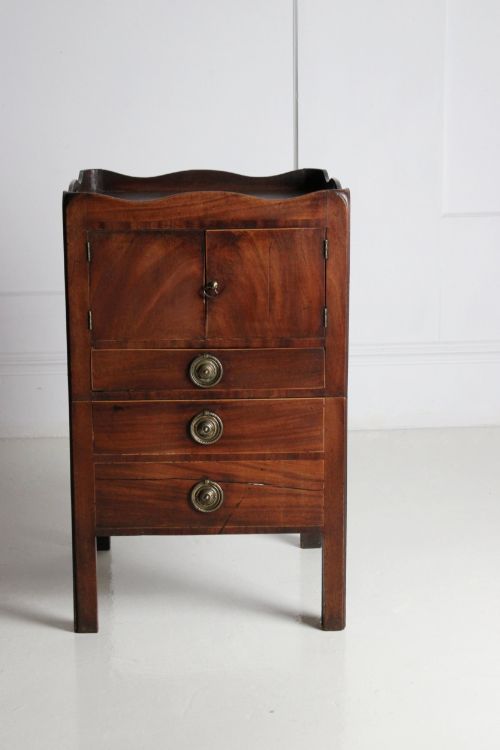
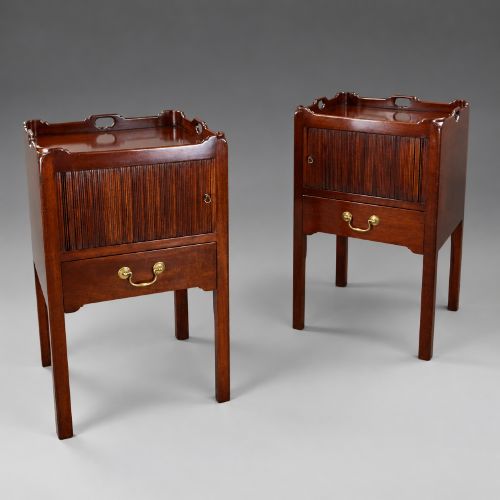
- A enclosed cabinet or bedside cupboard, often featuring a door and sometimes a pull-out slide. In earlier periods, these served various bedside functions before evolving into general storage tables.
Brown Wood Tray Table: Frequently Asked Questions
How were brown wood tray tables used originally?
These tables functioned primarily in dining rooms and drawing rooms for serving drinks or afternoon tea. Servants transported the removable tray top directly to guests before placing it back onto its folding stand.
Over time, many of these pieces transitioned into permanent living spaces as occasional tables, bedside surfaces, or low coffee tables suited to modern domestic layouts.
How do I date a mahogany tray table?
Dating relies on examining the construction methods, timber selection, and overall stylistic vernacular. Georgian and 18th-century pieces often display hand-cut dovetails, dense Cuban mahogany, and simpler folding frames.
Later Edwardian and 20th-century adaptations frequently incorporate machine-sawn elements, lighter secondary woods, and standardised brass hardware while retaining earlier stylistic influences.
Are the tray tops removable on these tables?
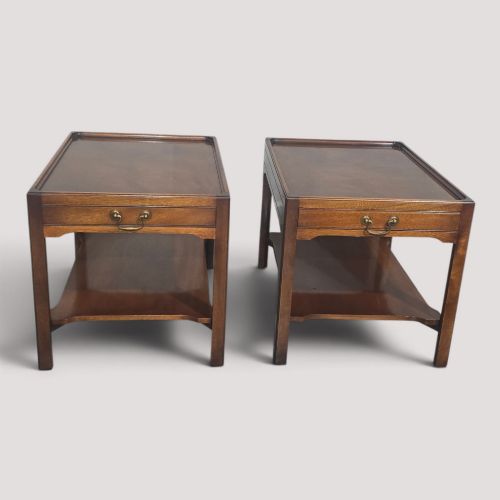
Many traditional versions feature a loose tray resting on a collapsible X-frame stand, permitting easy lifting and carrying. Other formats integrate the tray permanently into the table frame as a fixed top with a raised gallery edge.
Checking the support structure reveals whether the surface was engineered for independent removal or fixed stability.
What woods are commonly found in these tables?
Mahogany remains the predominant timber, appearing in solid form or as veneers like flame mahogany and satinwood inlay. Walnut, burr walnut, oak, and teak also feature across various regional styles and periods.
Exotic woods such as thuyawood and camphor appear in specific decorative or Anglo-Indian examples from the nineteenth century.