
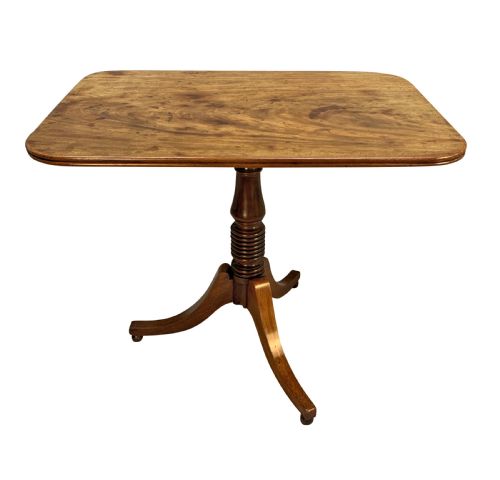
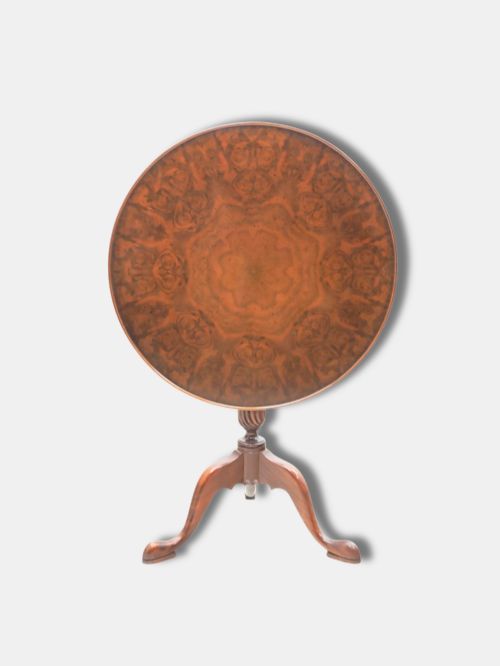
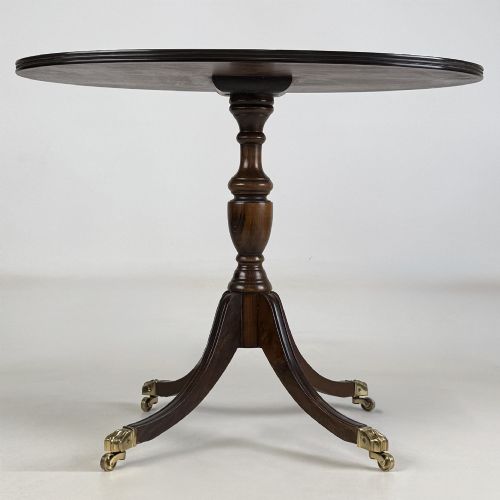
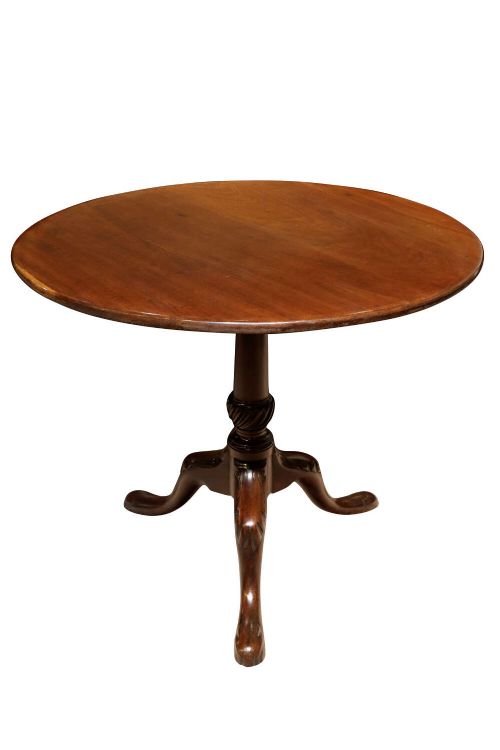
Brown Wood Tilt Top
Brown wood tilt top tables are practical pedestal pieces designed to pivot upright for storage, and you buy one for space-saving utility and period charm.
Brown Wood Tilt Top
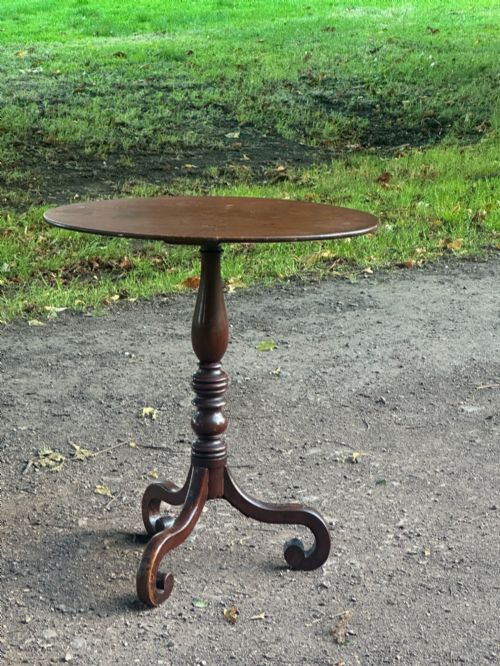
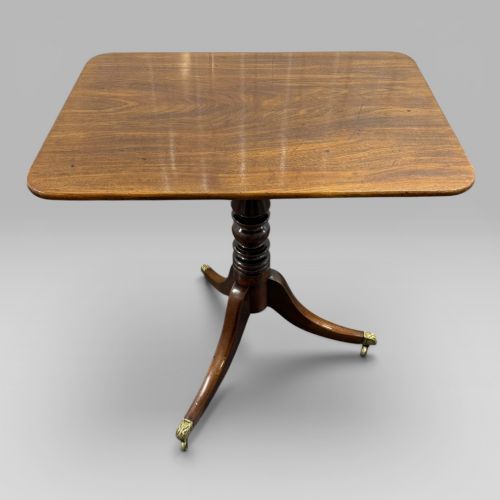
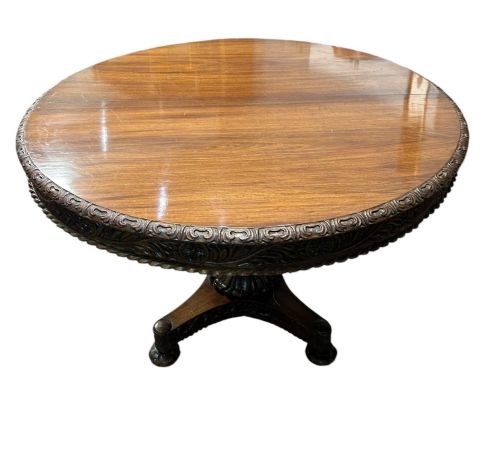
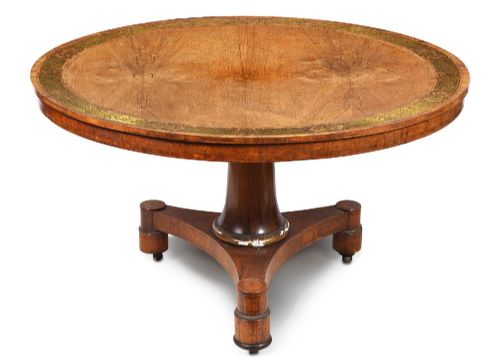
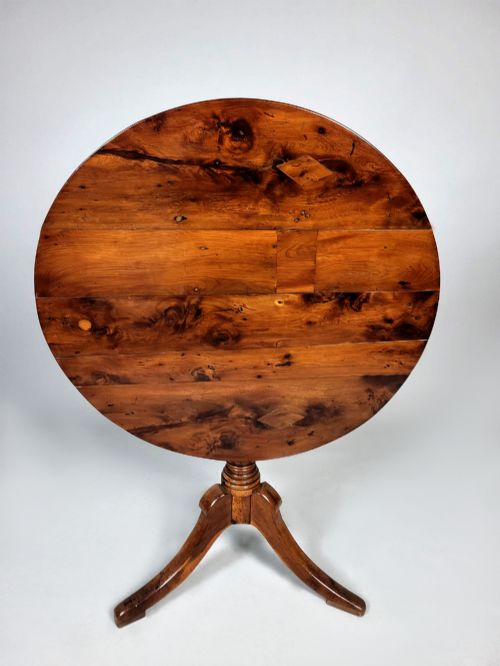
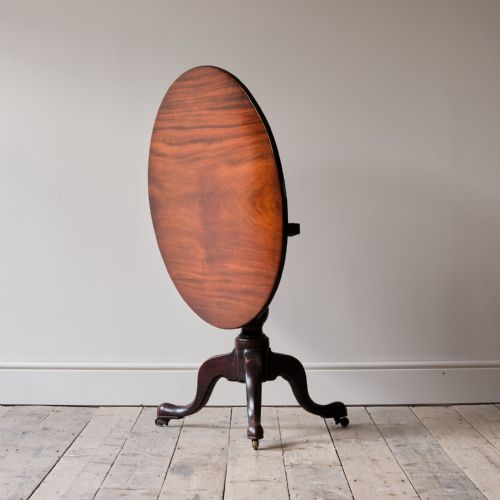
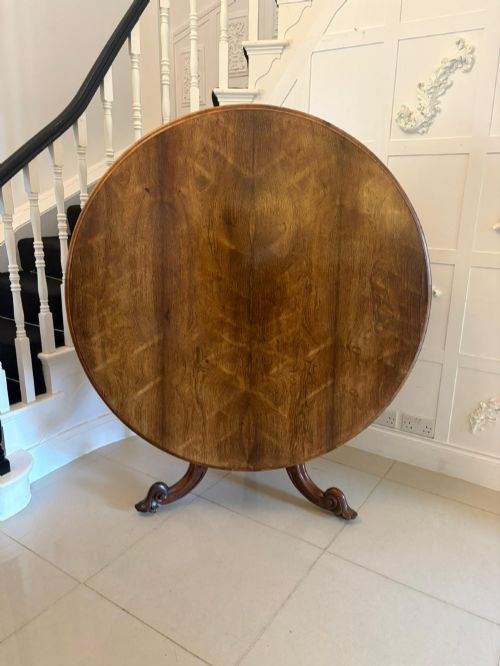
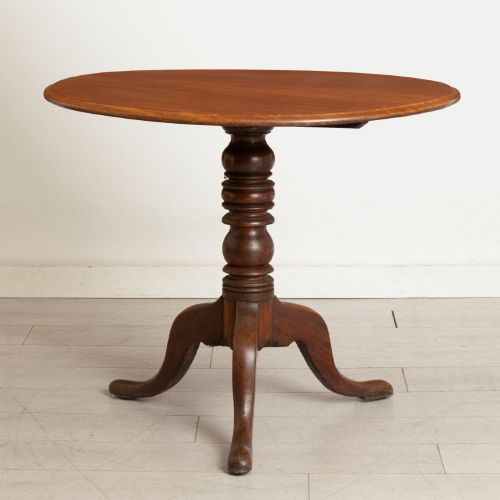
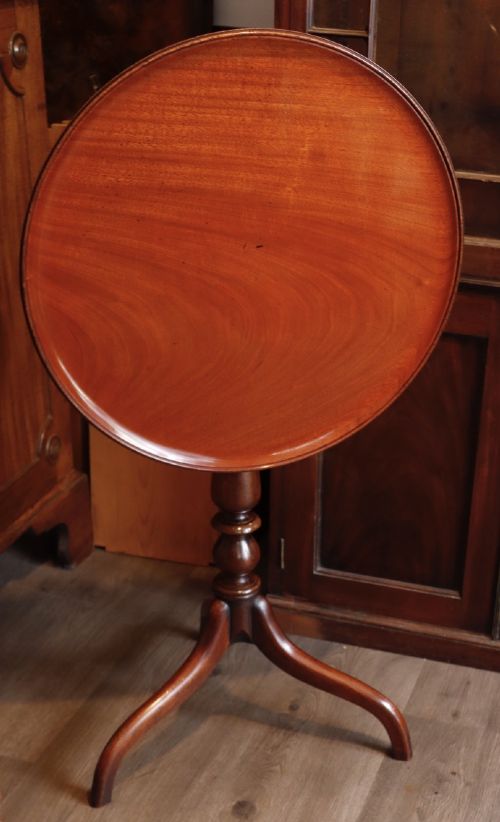
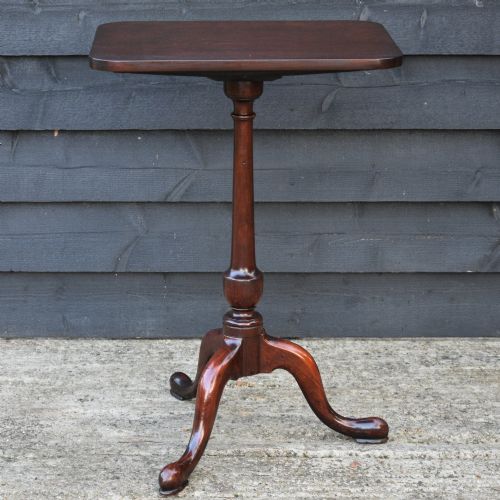
A brown wood tilt top table is typically a tripod or pedestal stand configured to drop flat for service and fold vertically against a wall when not in use. When you search this phrase, you encounter forms ranging from small wine and lamp tables to large breakfast and dining surfaces.
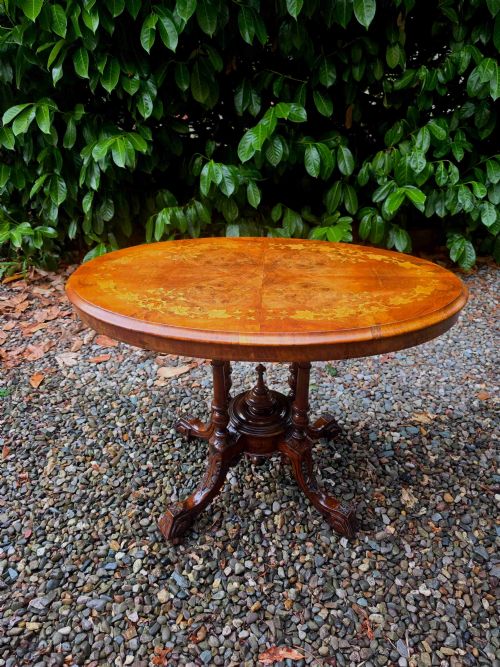
The pieces on this page span the 18th century, Georgian and Regency eras, alongside Victorian and later revivals. You are most likely to meet mahogany and walnut occasional and tea tables resting on single central pillars with three legs.
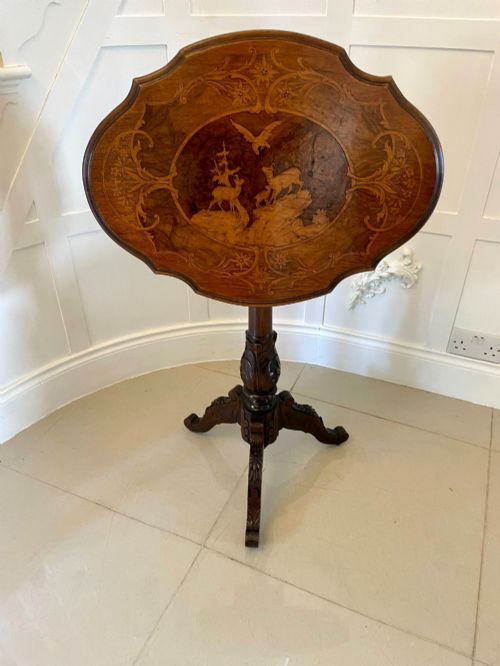
Originating as functional furniture for dining and social drinking, these tables combine pivot mechanisms with circular, oval or scalloped tops. They serve today as versatile accent furniture in hallways, sitting rooms and dining spaces.
How they were made
Cabinet makers utilised dense timbers such as mahogany, walnut and burr elm, often selecting figured veneers and incorporating contrasting inlay like boxwood or satinwood. Tops were secured to turning mechanisms that allowed the surface to revolve and tilt.
Structural support relied on turned pedestals rising from tripod leg configurations, sometimes employing birdcage brackets to facilitate movement. Carpenters joined components using traditional joinery, shaping edges into profiles such as pie crust or simple moulding.
Materials across these listings span mahogany, walnut, burr walnut, oak, satinwood, rosewood, fruitwood and yew wood.
What varies in quality
Quality rests upon the selection of timber figure, the crispness of carved details on the pillar and legs, and the cleverness of the tipping mechanism. Higher-grade examples display finely matched veneers, substantial turning and tight joints that maintain stability in both horizontal and vertical positions.
Refinement appears in secondary decorative elements, such as inlaid borders, penwork decoration or well-executed pie crust edges. Lesser examples show plainer timber selection and simpler structural joints without sophisticated pivoting boxcage elements.
Ralph Turnbull·Gillows·Egan Workshop
The Brown Wood Tilt Top Glossary
- Tilt-top
- A table mechanism featuring a hinged block that allows the surface to pivot vertically when not in use. This design originated to save floor space in domestic interiors.
- Tripod table
- A freestanding small table supported by a central pillar resting on three legs. These are frequently found in mahogany or walnut.
- Birdcage
- A timber framework beneath the table top that permits both rotation and tipping actions. It connects the surface directly to the central pillar.
- Pie crust edge
- A carved, undulating wooden rim shaped to resemble pastry crust edges. This decorative detail appears on 18th-century tables.
- Crossbanding
- A decorative border of veneer laid around the perimeter of a table top with the grain running perpendicular to the centre. It creates a neat visual frame.
Brown Wood Tilt Top: Frequently Asked Questions
What is a tilt top table used for?
These pieces served historically for serving tea, holding lamps or displaying books while remaining movable around the room. Their pivoting mechanism allowed domestic staff to store them flat against walls to clear floor space.
Today, they function as lamp tables, wine stands or decorative centrepieces in traditional and mixed interiors. Their small footprint makes them adaptable for corners and beside seating.
How do I identify a Georgian table?
Georgian examples typically employ solid mahogany, featuring restrained pillar turning, tripod legs terminating in pad or spade feet, and sometimes birdcage actions. The timber develops a deep patina over centuries of polishing.
Proportions remain balanced and functional, avoiding heavy ornamentation in favour of clean structural lines. Joinery methods and hand-cut elements distinguish them from later revival pieces.
Are these tables sturdy when tipped?
The tipping action relies on a catch or wooden peg securing the top to the block beneath. When properly engaged, the surface remains stable in use.
Over time, pivot pins can wear, so checking the tightness of the pivot joint ensures the top locks securely into place horizontally.
What woods are most common?
Mahogany dominates the 18th-century and Regency selections, prized for its strength and rich reddish-brown tone. Walnut and burr walnut appear frequently in later Georgian and Victorian pieces.
Secondary timbers like fruitwood, oak and yew also feature across specific regional and period pieces, often enhanced with contrasting stringing or marquetry.