
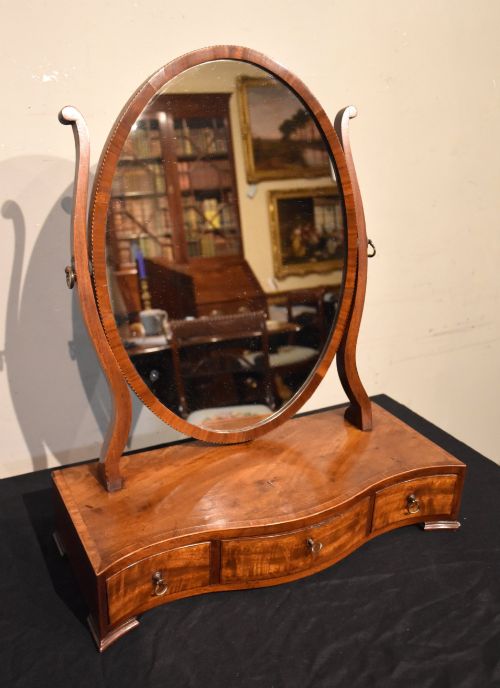
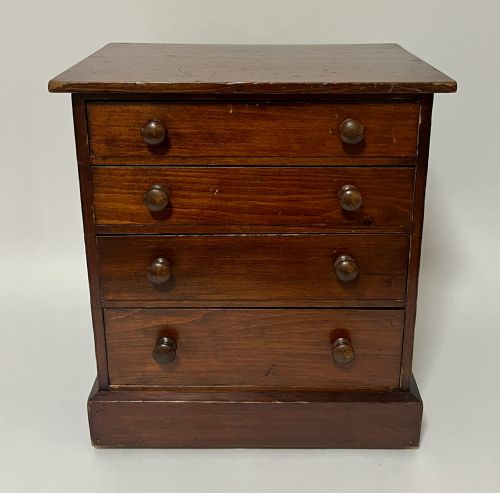
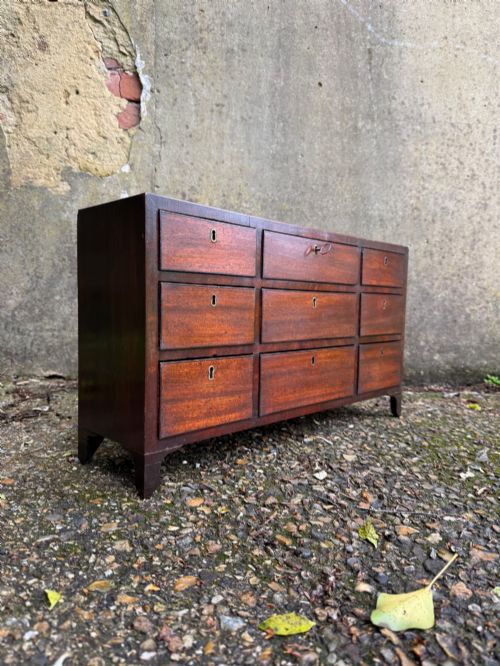


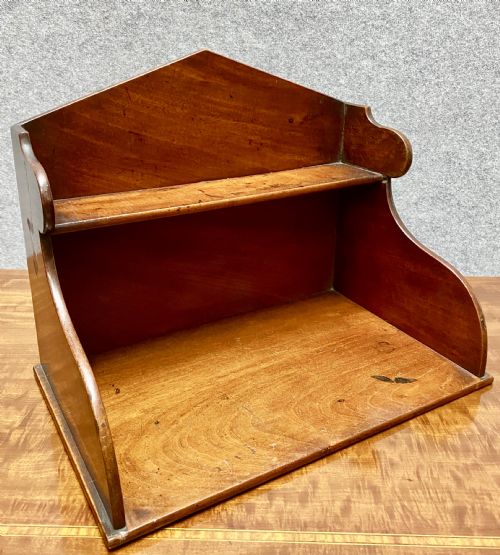
Brown Wood Tabletop Desk
These brown wood tabletop desks and compact writing pieces offer functional workspace and neat storage without commanding the floor space of a full-sized bureau.
Brown Wood Tabletop Desk
A brown wood tabletop desk encompasses small writing furniture, miniature chests, fall-front desks, and tabletop cabinets designed to sit upon a larger surface. These items appear across Georgian, Victorian, Edwardian, and later periods, utilising timbers like mahogany, oak, walnut, and pine.
Buyers seeking a brown wood tabletop desk encounter variations ranging from 18th-century elm and mahogany bureau forms to Edwardian revolving bookcases and miniature chests. Each piece provides practical surface utility or compact storage scaled down for tabletop use.
Materials and construction methods
Cabinetmakers constructed these pieces using solid and veneered timbers including mahogany, oak, walnut, burr walnut, elm, and pine, frequently pairing them with brass handles, escutcheons, and hinges. Carved details appear on oak and softwood examples, whilst mahogany and walnut pieces often rely on clean grain presentation.
Construction techniques include dovetailed drawer boxes, fall-front mechanisms, and panelled doors housing small compartments or revolving tabernacles. Secondary woods support primary cabinet timbers, and surfaces receive traditional polishing or staining methods appropriate to their respective periods.
Some miniature chests come with secret compartments hidden behind false drawer backs for storing truly tiny treasures.
Distinguishing quality in compact writing furniture
Quality separates through the selection of timber figures, such as burr walnut or well-figured mahogany, and the precision of joinery like hand-cut dovetails on internal miniature drawers. Finer examples retain original brass hardware, working locks, and fitted interior compartments that demonstrate careful proportional design.
Simpler pieces constructed from stained pine or soft wood rely on utilitarian purpose rather than decorative cabinetwork, showing more straightforward assembly. The sophistication of mechanisms, such as revolving book actions or folding reading stands, further distinguishes standard utility items from more ambitious desk forms.
The Brown Wood Tabletop Desk Glossary
- Escritoire
- A small writing cabinet featuring a fall-front or slant lid that opens to reveal a fitted interior with pigeonholes and small drawers.
- Campaign
- A style of portable furniture designed for travel, typically fitted with brass corner braces and flush carrying handles.
- Tabernacle
- A central architectural compartment or shrine-like feature built into the interior of a desk or cabinet.
- Dovetailed
- A strong box joint locked together by interlocking wedge-shaped fingers.
Brown Wood Tabletop Desk: Frequently Asked Questions
What is a tabletop escritoire?
A tabletop escritoire is a small writing cabinet designed to rest on a desk or table, featuring a writing flap that conceals internal compartments.
These pieces provide secure storage for correspondence and writing implements within a compact footprint.
How were miniature chests used?
Miniature chests served as decorative desktop storage for valuables, trinkets, or documents, and sometimes functioned as master cabinetmaker samples.
Their small scale allowed them to sit upon larger chests of drawers or writing tables within domestic interiors.
What timber is most common?
Mahogany appears frequently across these pieces, alongside oak, walnut, burr walnut, elm, and pine.
Cabinetmakers selected these woods for their durability, grain pattern, and suitability for small-scale construction.
Are these desks suitable for daily use?
Many of these compact desks and writing stands accommodate modern writing materials, though smaller writing surfaces and miniature drawer depths suit light correspondence rather than heavy daily workspace.
Placing them on stable tables ensures safe access to their internal compartments and drawers.