


18th Century Elm Cabinet
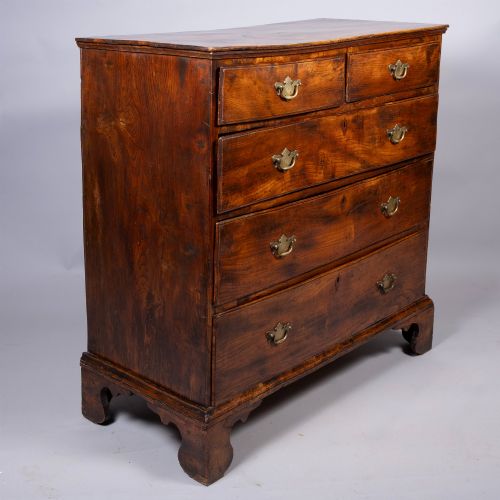
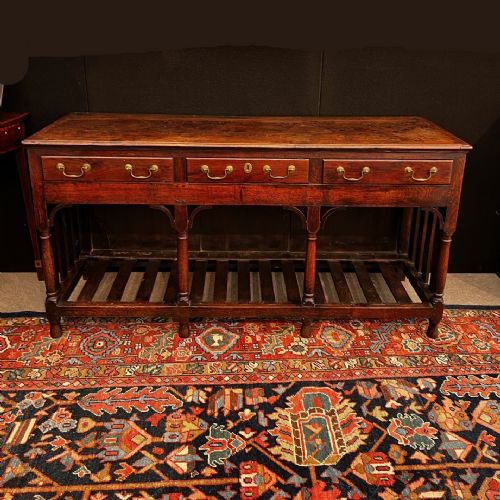
An 18th century elm cabinet brings strong timber grain and honest country character into a room.
18th Century Elm Cabinet
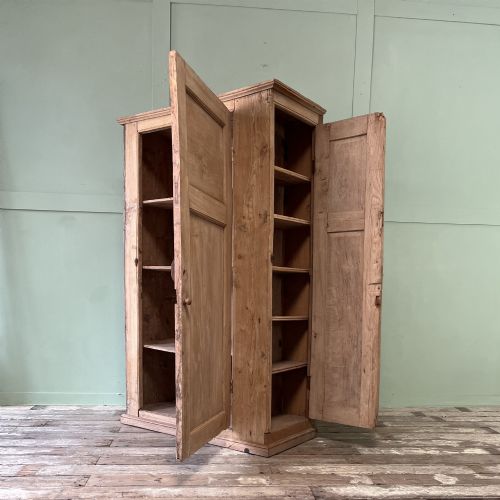
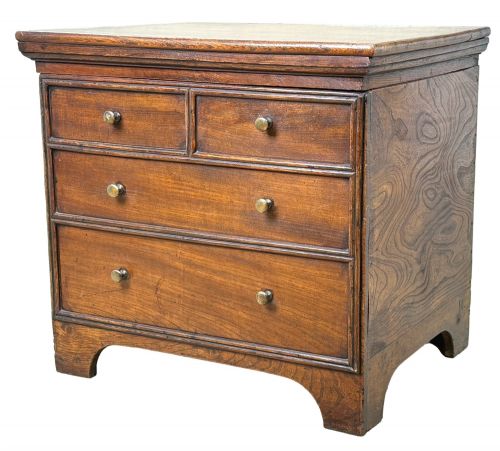
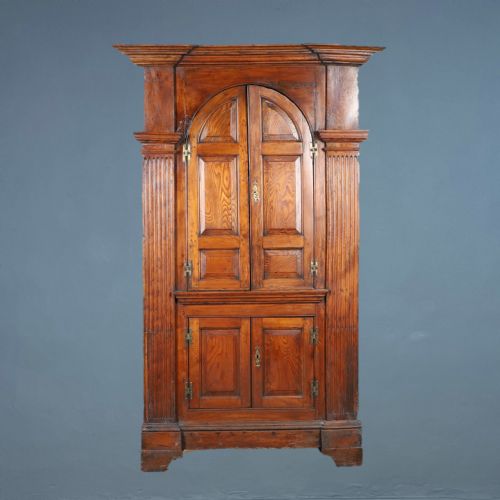
An 18th century elm cabinet spans practical storage forms created across provincial workshops and urban centres, uniting utility with rich native timber. Buyers searching this phrase encounter everything from standing corner cupboards and food cupboards to chests of drawers, bureaux and commodes.
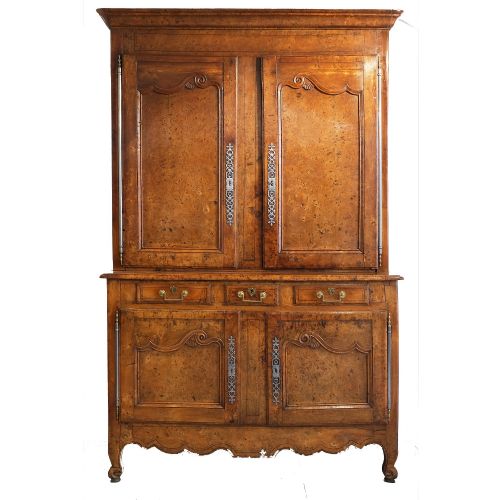
The material range on this page centres on solid elm, burr elm, ash and oak, often paired with secondary woods like pine or walnut. Vernacular pieces from Welsh and French provincial traditions sit alongside formal George III architectural designs and Dutch neoclassical commodes.
Forms vary significantly, reflecting local regional needs rather than strict metropolitan rules. You will find small bedside chests, table top bureaux, dresser bases and large deux corps units among the current and archived selection.
What varies in quality
Quality rests in the choice of timber and the stability of the construction. Figured burr elm and clean cabinet-grade boards command attention, whereas heavily split or poorly dried wood shows the limits of the maker's skill.
Proportion and execution separate high-style pieces from plain vernacular work. A disciplined architectural corner cupboard or a marquetry-inlaid commode reveals greater ambition than a basic utility food cupboard, though both share the same robust primary material.
Some eighteenth-century elm cabinets began life as discreet indoor toilets disguised as innocent bedside chests.
The 18th Century Elm Cabinet Glossary
- Burr elm
- A growth deformity in the elm tree that produces highly swirled, knotted timber patterns. Cabinet makers prized these sections for decorative drawer fronts and commode tops.
- Deux corps
- A large two-part cupboard or cabinet where a smaller upper section sits atop a deeper base unit. This imposing form appears in regional French and British provincial furniture.
- Close stool
- An enclosed piece of furniture designed to house a chamber pot, often disguised as a small bedside chest or cabinet. Eighteenth-century examples frequently employ elm or mahogany.
- Vernacular furniture
- Objects built by local rural craftsmen for everyday domestic use rather than following high London fashions. These pieces often display regional quirks in construction and timber selection.
- Commode
- A low chest of drawers or cabinet developed in France and adopted across Europe during the eighteenth century. They frequently feature elaborate wood inlay or marble tops.
18th Century Elm Cabinet: Frequently Asked Questions
How do I clean an elm cabinet?
Dust the surface regularly with a soft, dry cloth to prevent dirt accumulation in the deep grain. Avoid modern spray polishes that contain silicone, opting instead for a traditional microcrystalline wax when the wood appears dry.
Keep the cabinet away from direct heat sources and strong sunlight, which cause elm to dry out, warp and shrink over time. Maintaining a stable indoor humidity protects both the solid timber and the historical joints.
Are these cabinets purely British?
While many pieces originate from British regional workshops, including Welsh vernacular makers, the selection also includes French provincial, Dutch and Chinese examples. Regional traditions heavily influence the form and construction methods.
Continental makers often integrated marble tops or complex wood inlay, whereas British country pieces favoured plain structural honesty and robust pegged joinery.
How can I tell an 18th century piece from a later copy?
Examine the interior construction, drawer linings and backboards for tool marks, hand-cut dovetails and timber shrinkage. Eighteenth-century makers used pit-sawn boards with irregular thickness rather than uniform machine-milled timber.
Check the hardware fixings and the wear patterns around handles and feet. Original brasses and natural age-related patina develop over centuries of handling and cannot be easily replicated by modern makers.