

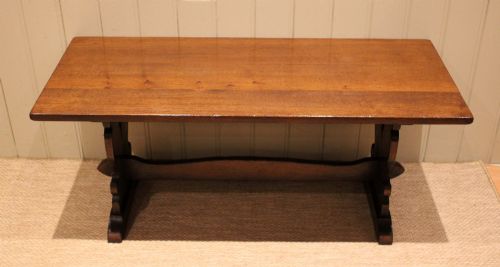
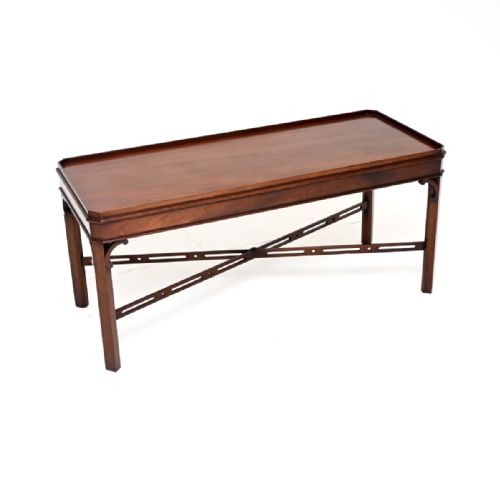
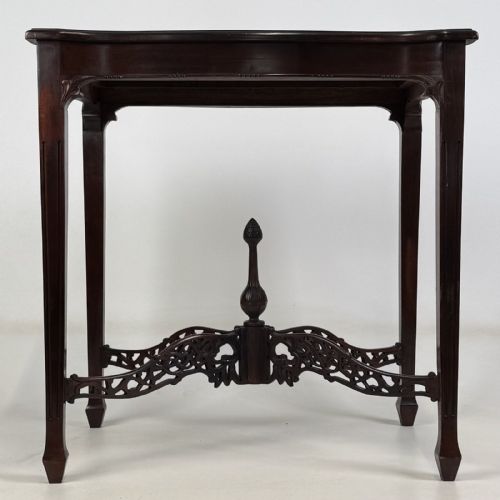
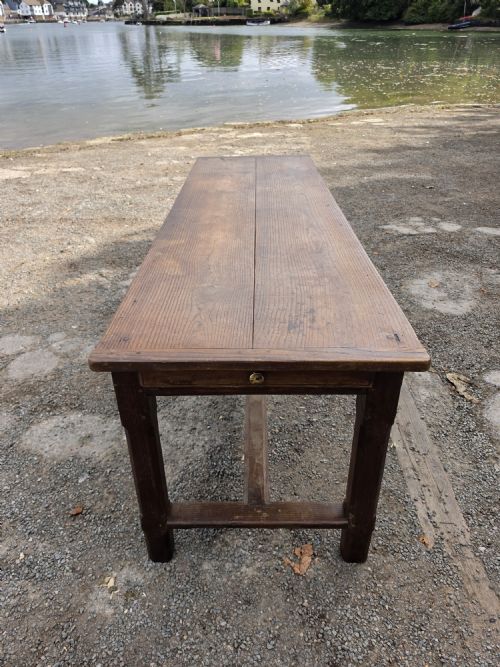
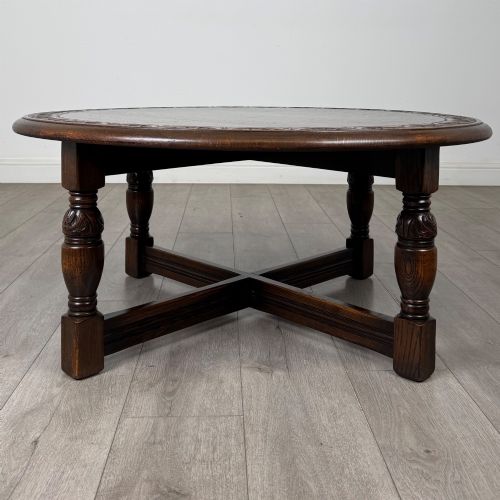
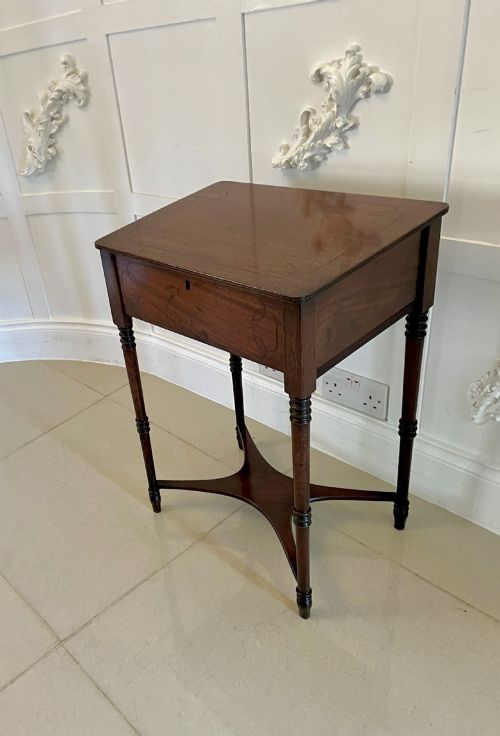
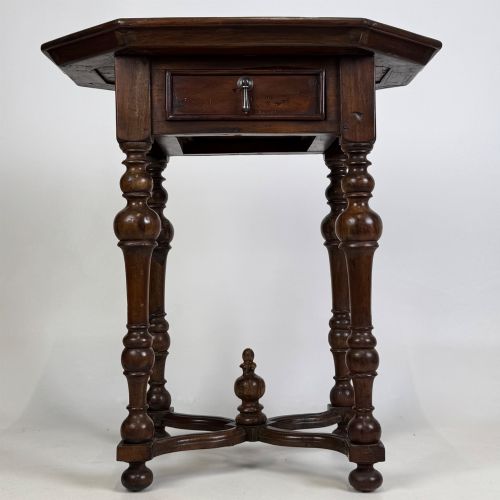
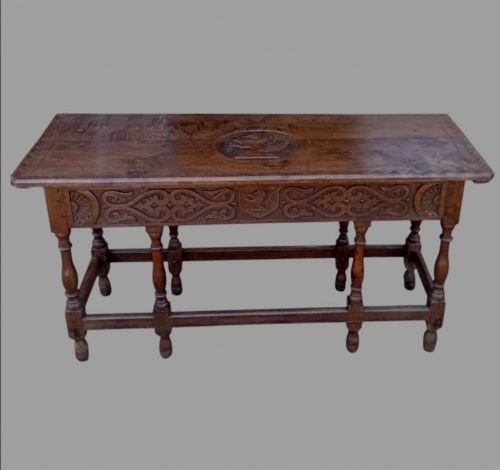

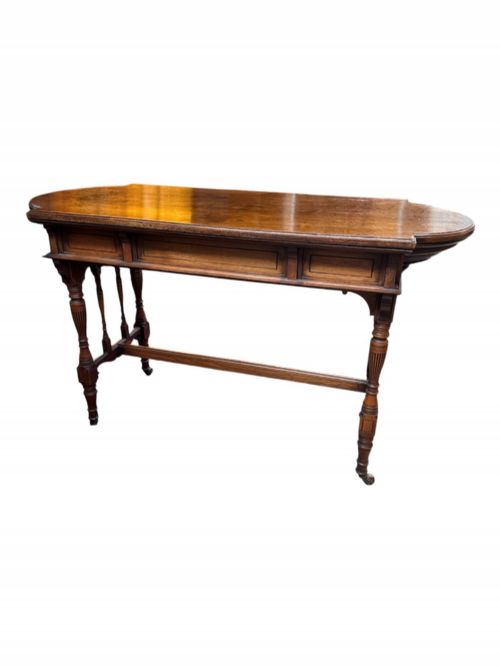
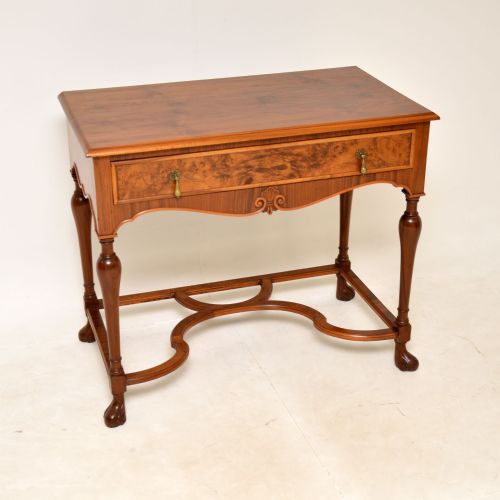
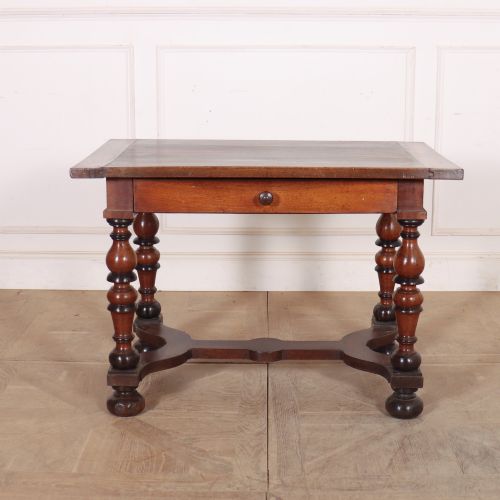
Brown Wood Stretcher Table
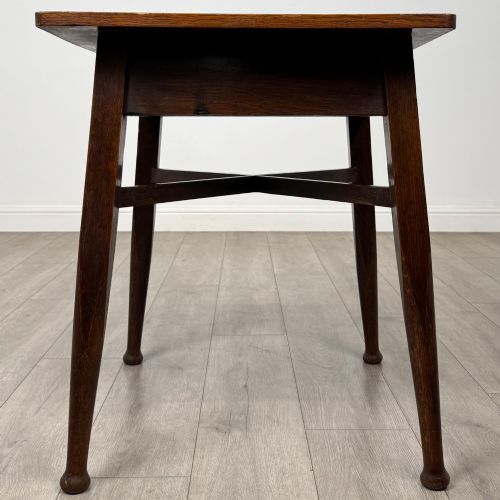
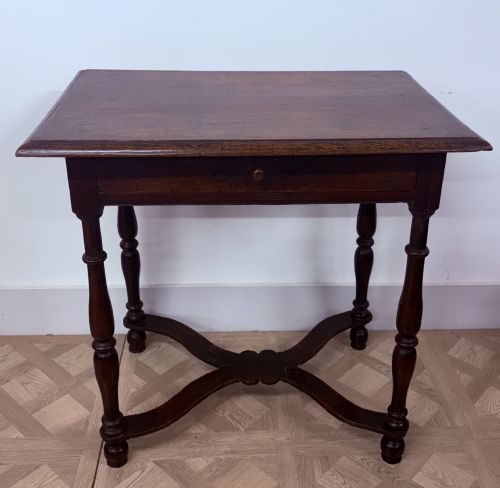
A brown wood stretcher table anchors a room with solid timber and structural bracing, offering centuries of domestic utility.
Brown Wood Stretcher Table
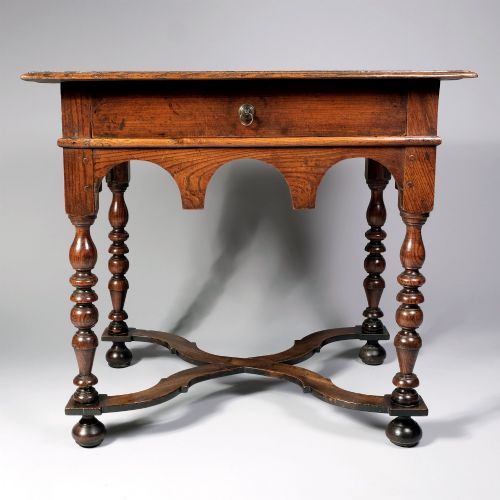
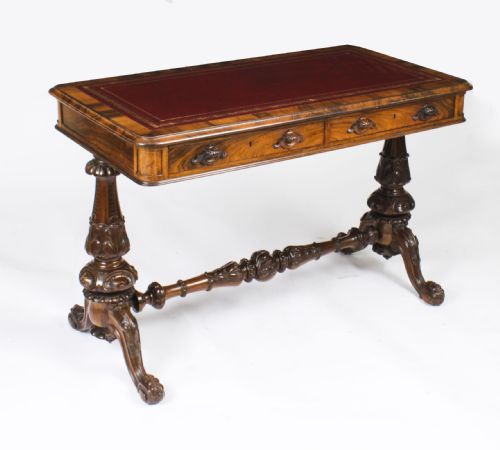
A brown wood stretcher table relies on horizontal timber rails connecting the legs to maintain rigidity and balance. These pieces emerge across centuries, spanning seventeenth-century oak and elm forms up to Victorian and Edwardian revivals in walnut and mahogany.
The version most commonly met on this page is the side table or occasional table configured with structural lower bracing. These tables function practically as surfaces for lamps, books, or writing implements while displaying traditional timber construction.
Makers from the Georgian era onward adapted the stretcher format for library tables, console tables, and Pembroke tables. The unifying element remains the warm timber palette paired with the distinctive underframe geometry.
Materials and Construction
Cabinetmakers utilised indigenous and imported hardwoods such as oak, elm, walnut, and mahogany to build these frames. Figures appear in burr walnut, burr oak, and figured mahogany, highlighting the natural grain of the timber.
Joinery methods include traditional tenons and pegged joints on seventeenth and eighteenth-century oak examples, alongside finely turned legs and barley twists on Victorian iterations. Stretchers are tenoned directly into the leg posts to lock the lower framework into position.
Brown Wood Stretcher Table Retail Price Guide 2026
Typical asking prices for brown wood stretcher table among the pieces listed under this phrase on Sellingantiques today, from the lower quarter to the upper quarter. They describe what is for sale here now, not the wider market.
Listings feature woods spanning oak, elm, walnut, mahogany, fruitwood, and cherry across several centuries.
Judging Quality and Craftsmanship
Quality rests on the selection of timber figures and the integrity of the joinery beneath the top. Superior examples display dense grain matching across primary surfaces and robustly carved or turned stretchers that show no loose joints.
Proportion and execution separate standard utility items from finer workshop pieces. Well-executed tables maintain balanced dimensions where the stretcher rails complement the thickness of the legs and the depth of the top board.
Edwards and Roberts·W J Mansell
The Brown Wood Stretcher Table Glossary
- Stretcher
- A horizontal timber rail connecting the legs of a table to provide structural rigidity and prevent the legs from bowing outward. These rails often feature central hubs or intersecting shapes.
- Side Table
- A small utility table designed to stand against a wall or beside seating furniture. These pieces provide a compact surface for lamps or decorative objects.
- Burr Walnut
- A specialised timber veneer harvested from the knot or growth on a walnut tree. It produces intricate, swirling grain patterns highly prized for cabinet fronts and table tops.
- Turned Leg
- A wooden leg shaped on a lathe to create cylindrical, swelling, or spiral profiles. Artisans utilised this method to add decorative relief to seventeenth and nineteenth-century frames.
- Pembroke Table
- A small drop-leaf table with hinged flaps on either side supported by folding brackets. These versatile tables frequently incorporate drawers and slender legs.
Brown Wood Stretcher Table: Frequently Asked Questions
What is a stretcher table?
A stretcher table is any dining, work, or side table featuring horizontal rails connecting the lower legs for added stability. These wooden braces prevent the legs from wobbling under heavy use.
Historically, this construction method appeared before free-standing leg designs became standard, returning later in various revival periods. The lower rails frequently double as footrests depending on the height of the table.
How do I date a brown wood table?
Dating relies on examining the timber species, tool marks, and construction joints visible beneath the top. Oak and elm point toward earlier centuries, while mahogany and burr walnut typically suggest Georgian or Victorian eras.
Revival pieces often combine older stylistic motifs with nineteenth or twentieth-century secondary timbers. Hardware such as drawer pulls and screw types further clarifies the manufacturing period.
Where should I place a side table?
Side tables fit naturally beside seating in a drawing room or against a hallway wall as an entry surface. Their compact footprints allow them to occupy awkward corners or narrow passages without blocking movement.
Purchasing a version with a drawer provides concealed storage for small household items while maintaining a clean surface above.
How do I care for antique timber?
Antique timber requires stable indoor humidity away from direct heat sources and strong sunlight to prevent warping. Regular dusting with a dry cloth keeps the surface clean without stripping the finish.
Occasional applications of traditional wax feed the wood and maintain a soft sheen without building up heavy chemical layers.